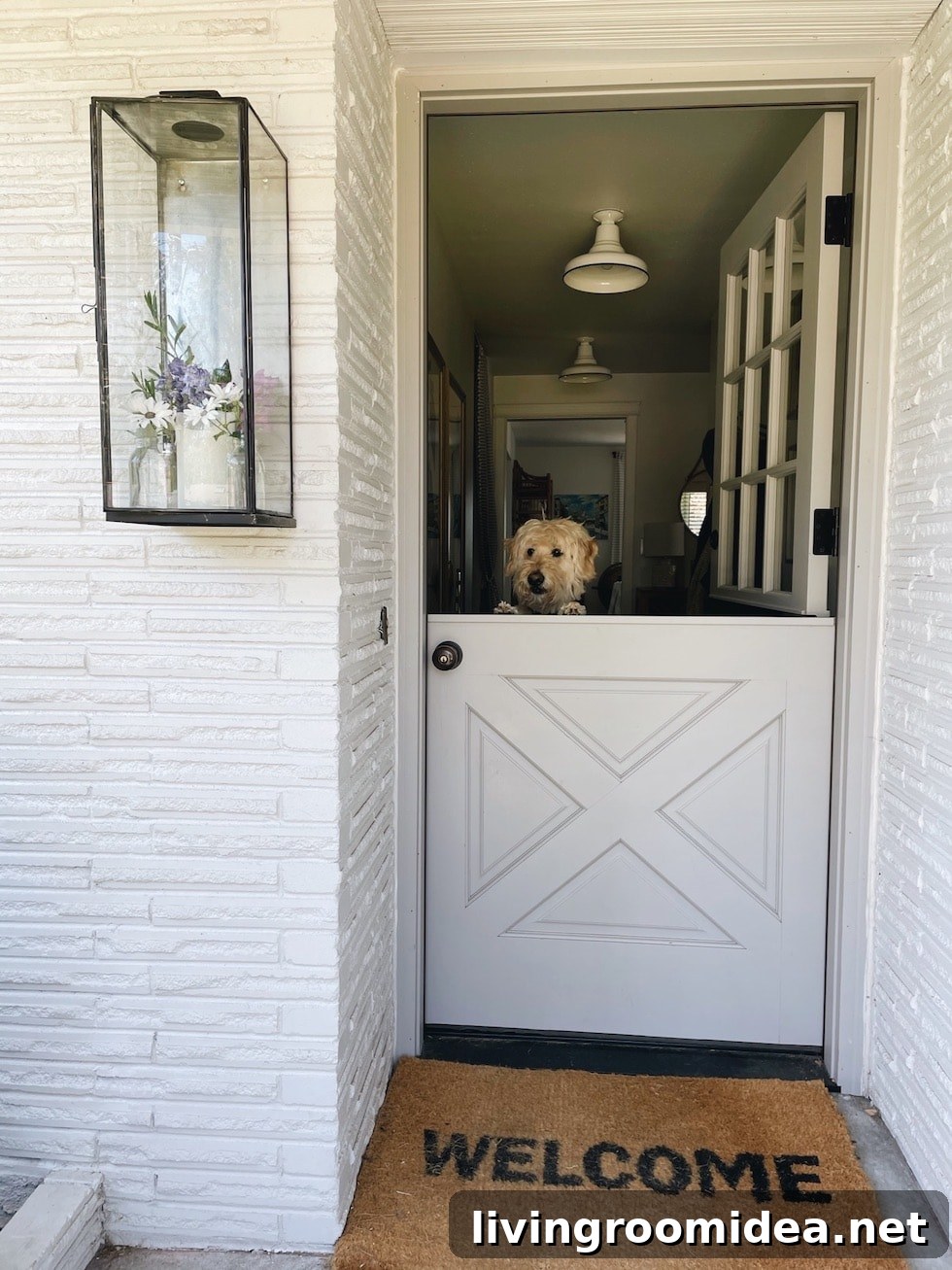
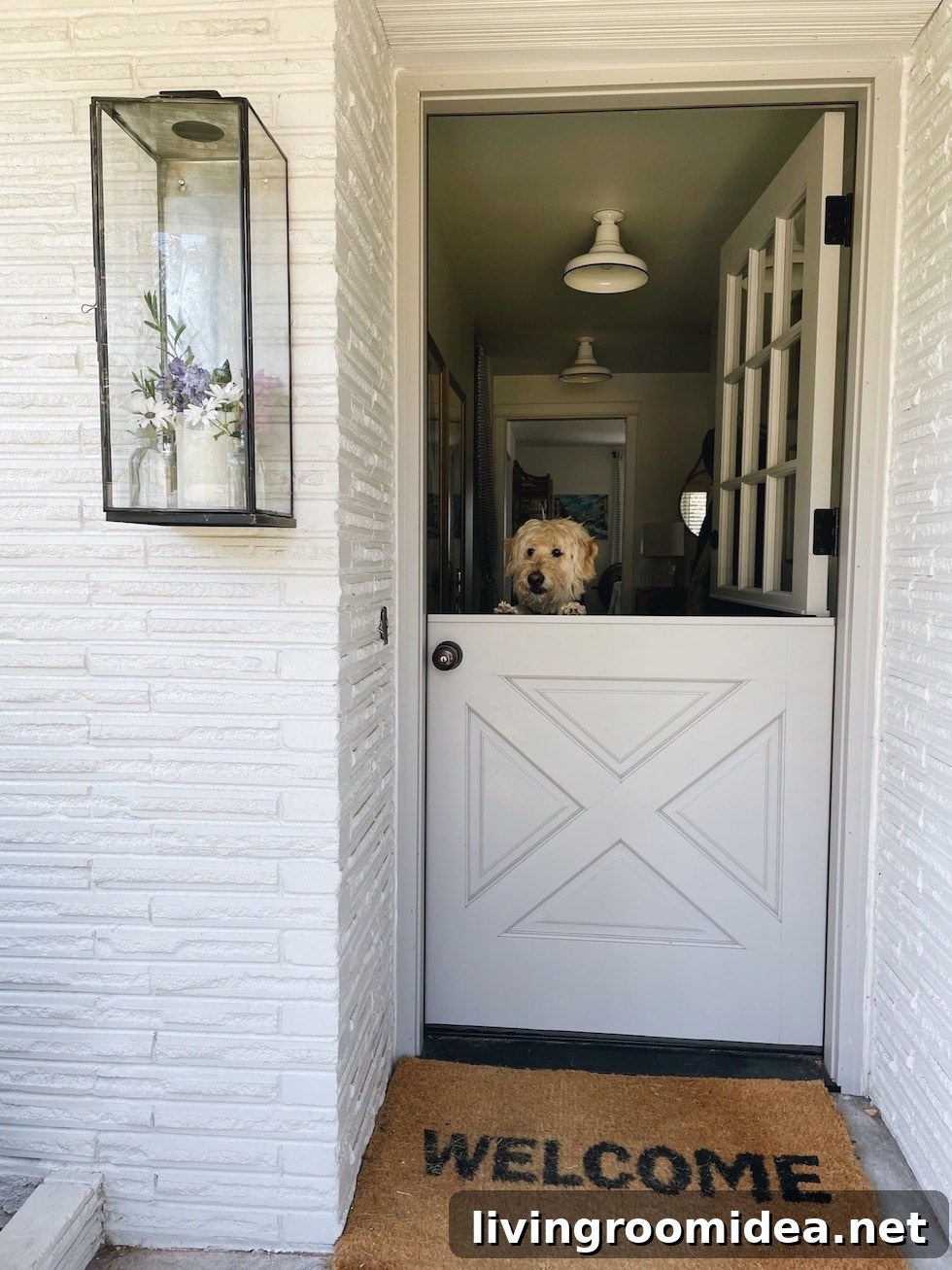
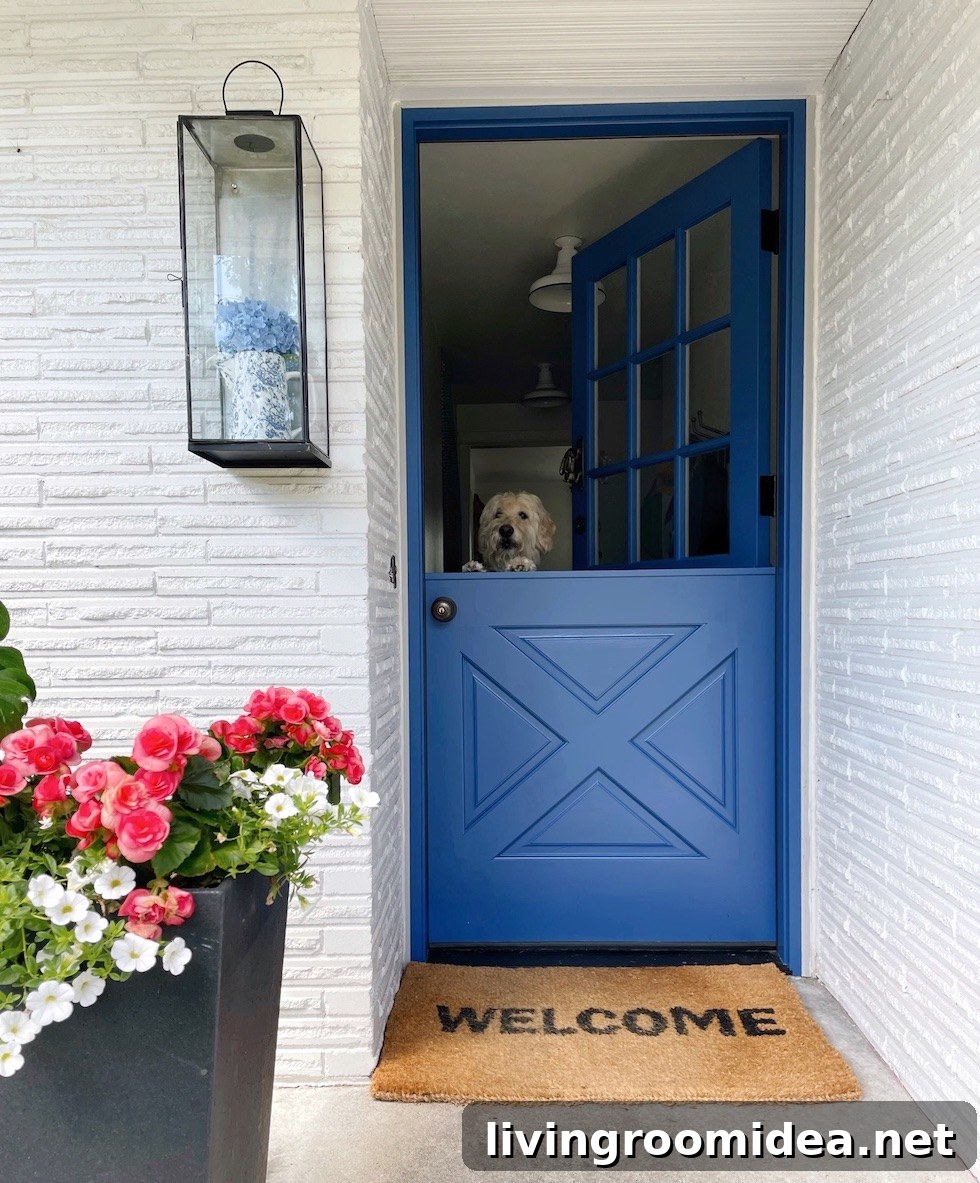
My husband and I were walking up to the porch the other day and he said, “you forgot to decorate your lantern for spring!” I was surprised he noticed, but he was right. My lantern still held a flameless candle from winter, and it had slipped my mind among all the other projects. I love keeping that lantern filled with seasonal touches, so I hurried to freshen it up.
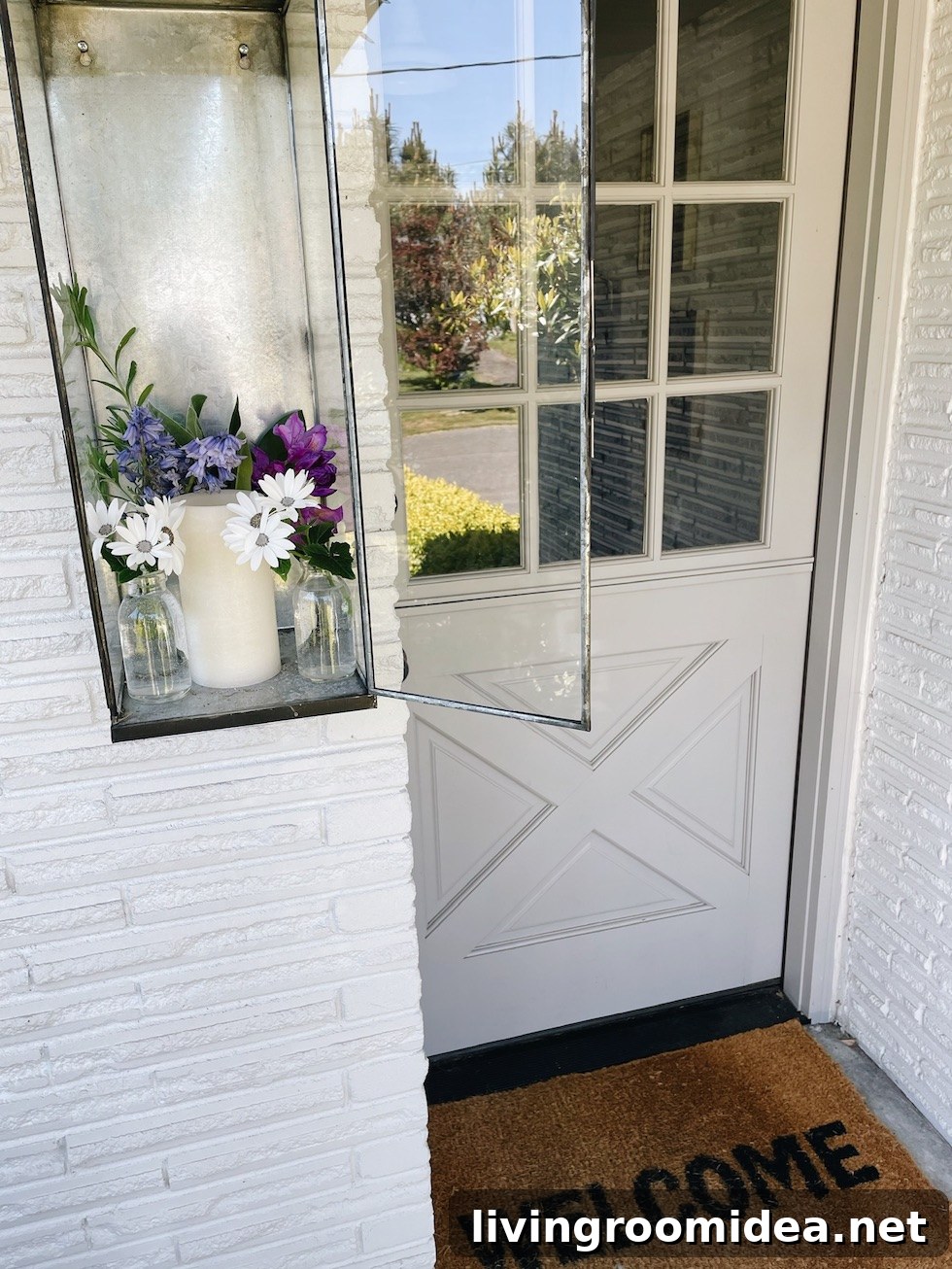
I had only a few minutes before my parents arrived for Mother’s Day, so I clipped some fresh spring flowers from the yard and placed them in small bud vases inside the lantern. I set them in quickly as my parents pulled into the driveway.
When I stepped back, my first thought was, “Ah, it’s so pretty!” Then a second voice chimed in: it’s not quite good enough. I began to imagine better vases, more carefully chosen blooms, different candle placement. Suddenly the spontaneous arrangement felt inadequate — not Instagram-worthy. That inner critic shows up almost every time I create, even when I know better.
I’m naturally spontaneous with decor: I see flowers, pop them into a vase or basket, and enjoy the moment. That simple pleasure makes me happy until either someone else or my own inner voice points out flaws. Then I start to critique the arrangement and convince myself I should have planned more, used different materials, or devoted extra time to make it perfect.
I think this tension between joyful spontaneity and the pressure to be perfect goes back to childhood. In third grade my teacher had us design Christmas mugs and asked us to wait while she helped place stencils. I didn’t wait — I designed mine right away. When she saw my imperfect stencil placement she scolded me and “fixed” it by writing across the mug. Ever since, that memory has carried a mixed feeling: pride that I created something on impulse and a lingering voice that doubts whether an imperfect creation is acceptable.
There are times when careful attention and precision matter — designing a kitchen or finishing certain projects, for example. Improving your craft and refining details can be rewarding and therapeutic. But the lesson I keep reminding myself of is this: not everything must be perfect to bring joy.
If every little thing had to be perfect, how little joy would we find in living? It’s hard to savor simple pleasures when we pause to critique them or ourselves. If we waited until everything could be done flawlessly, we might never create at all. So I try to let go of perfection and enjoy the beauty of small, imperfect moments. This spring, let that be your permission too: don’t let fear of not being perfect stop you from creating and enjoying beauty at home.

My lantern is now refreshed for spring, but you could create a similar look with a wall-hung lantern or a freestanding lantern on a hook. I often switch between styles depending on the season and what’s on hand.
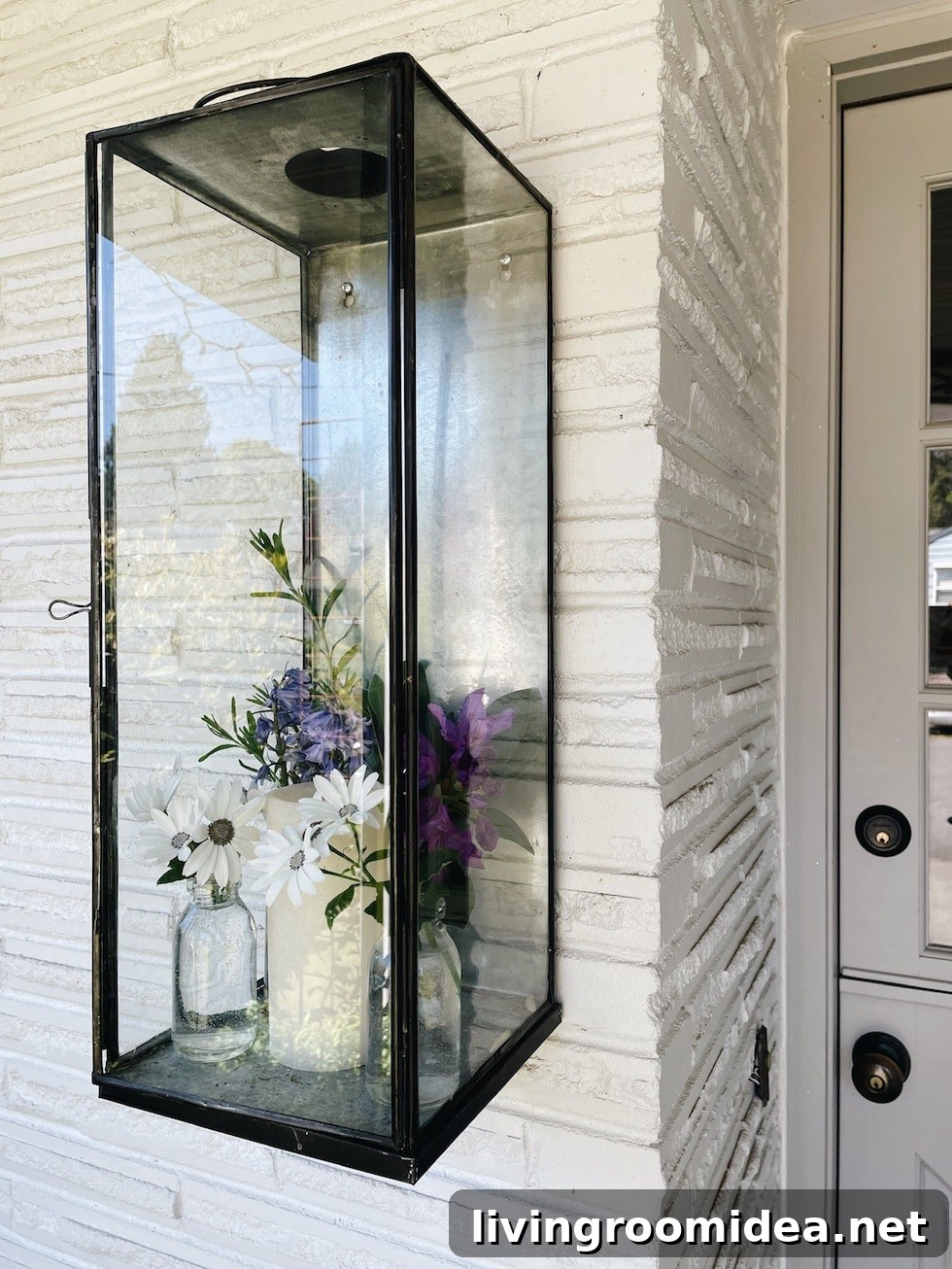
The same simple approach works for every season. Below are some of my favorite, easy lantern styling ideas that bring seasonal charm to an entryway or porch.
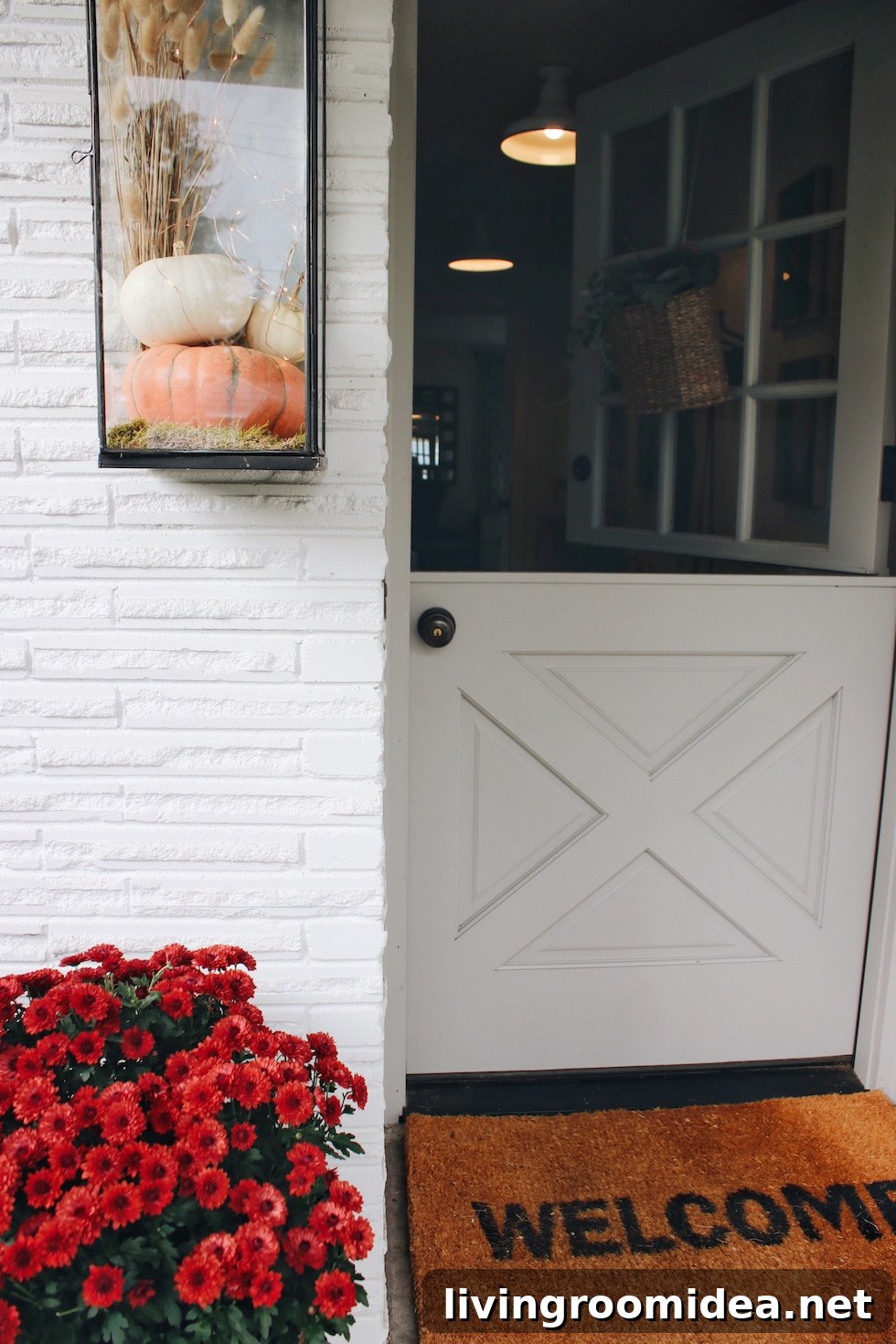
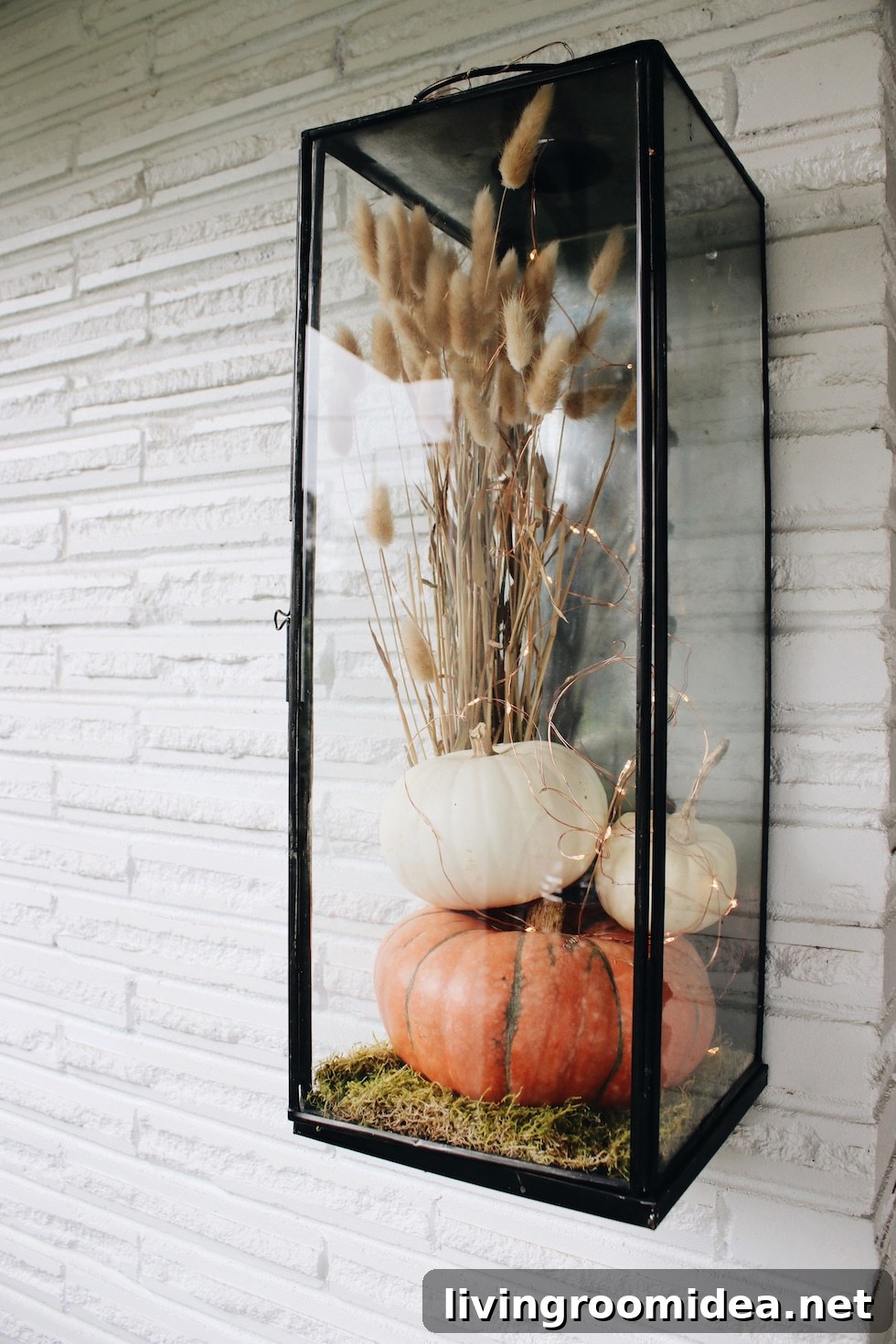
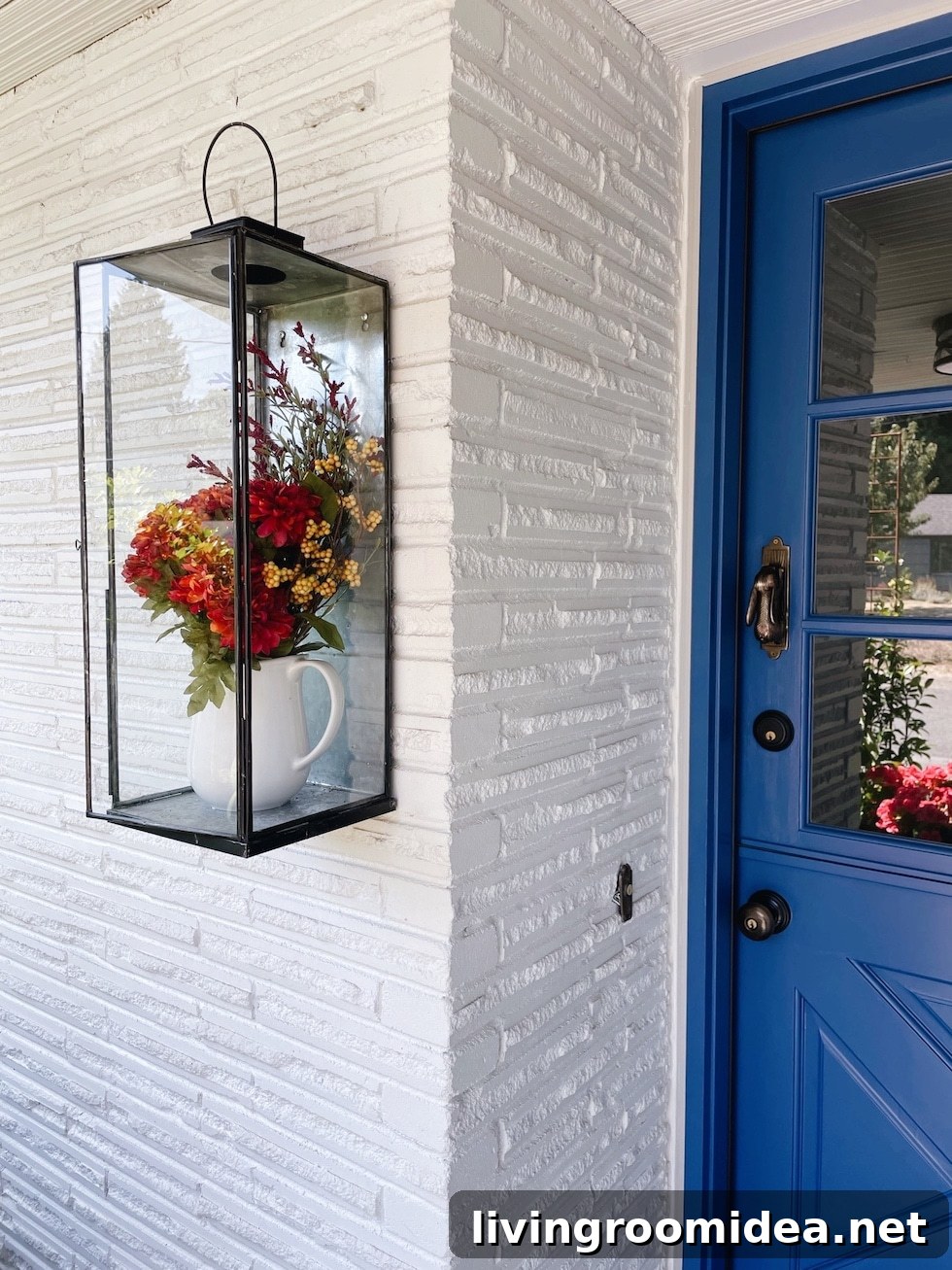
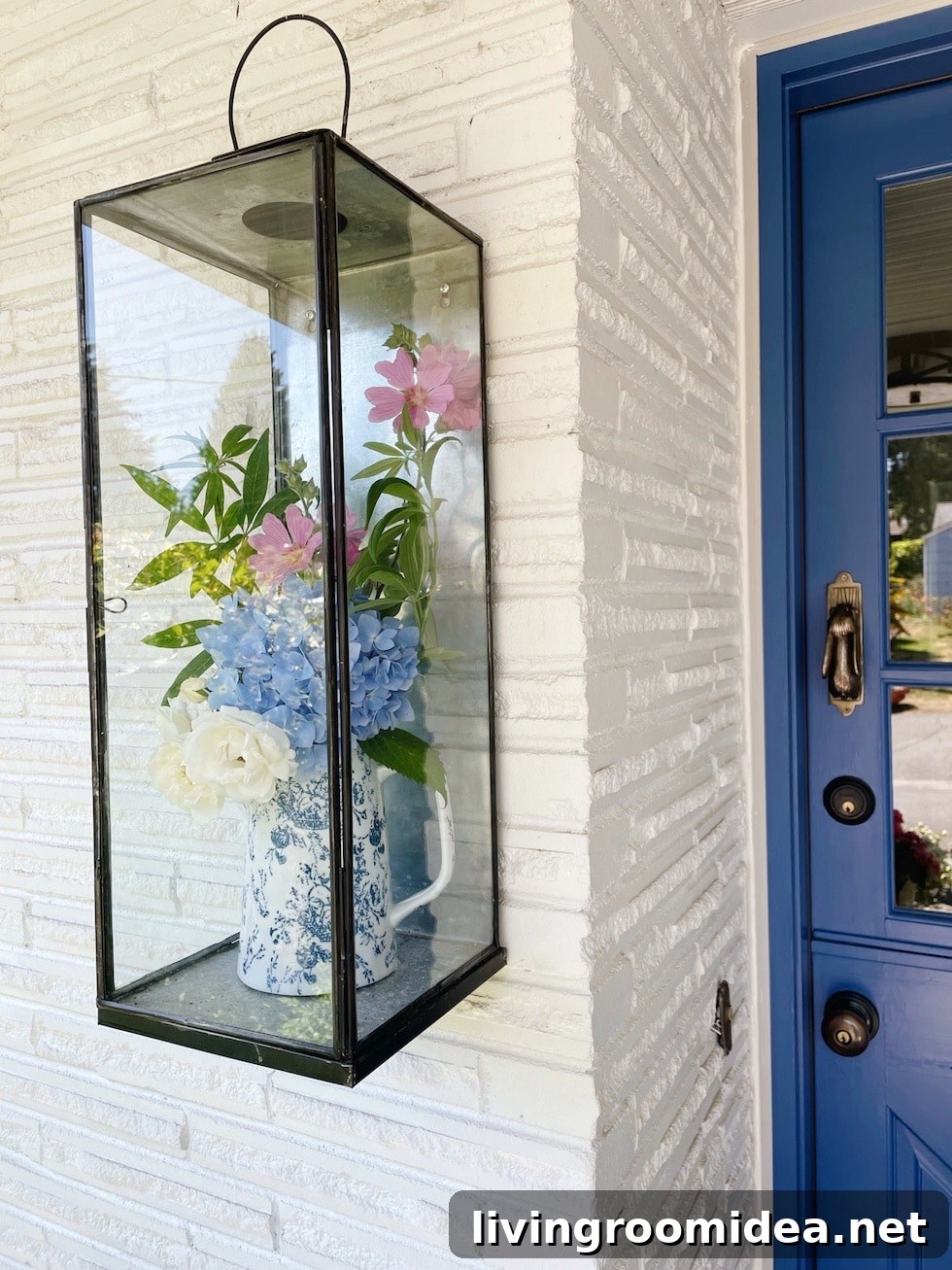
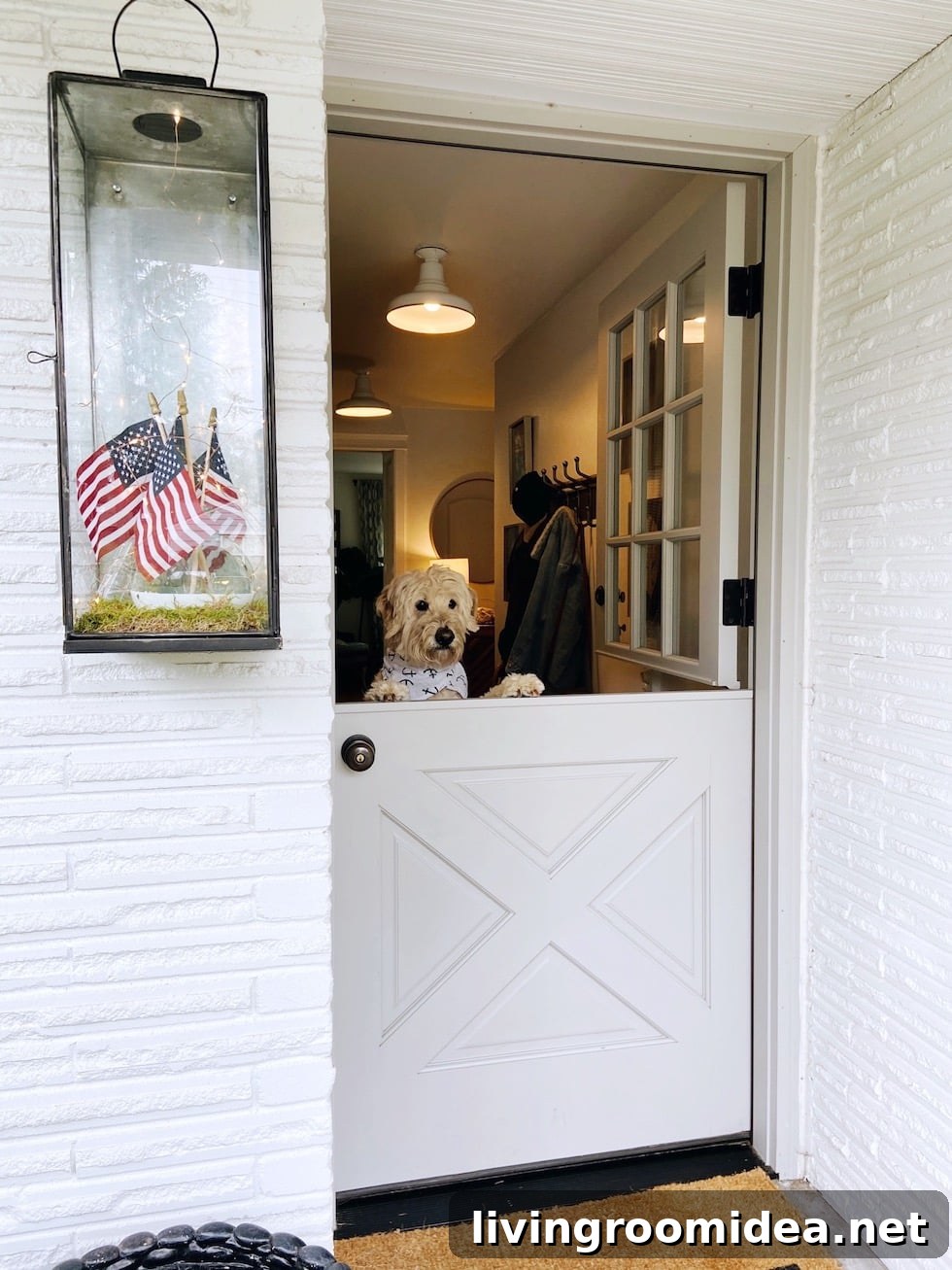
Here are other simple ways I’ve decorated my lantern for the seasons:
FALL:
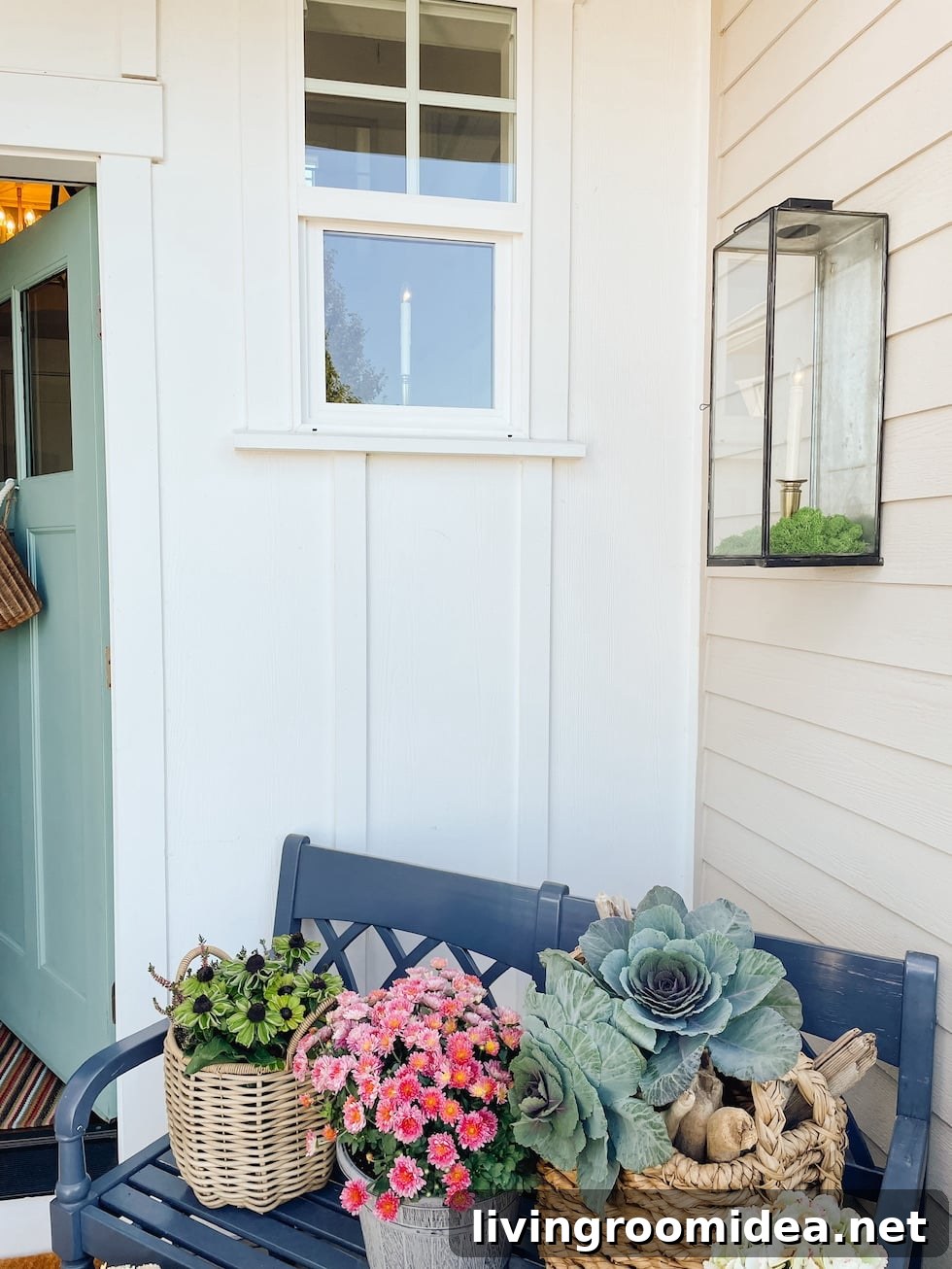
WINTER:
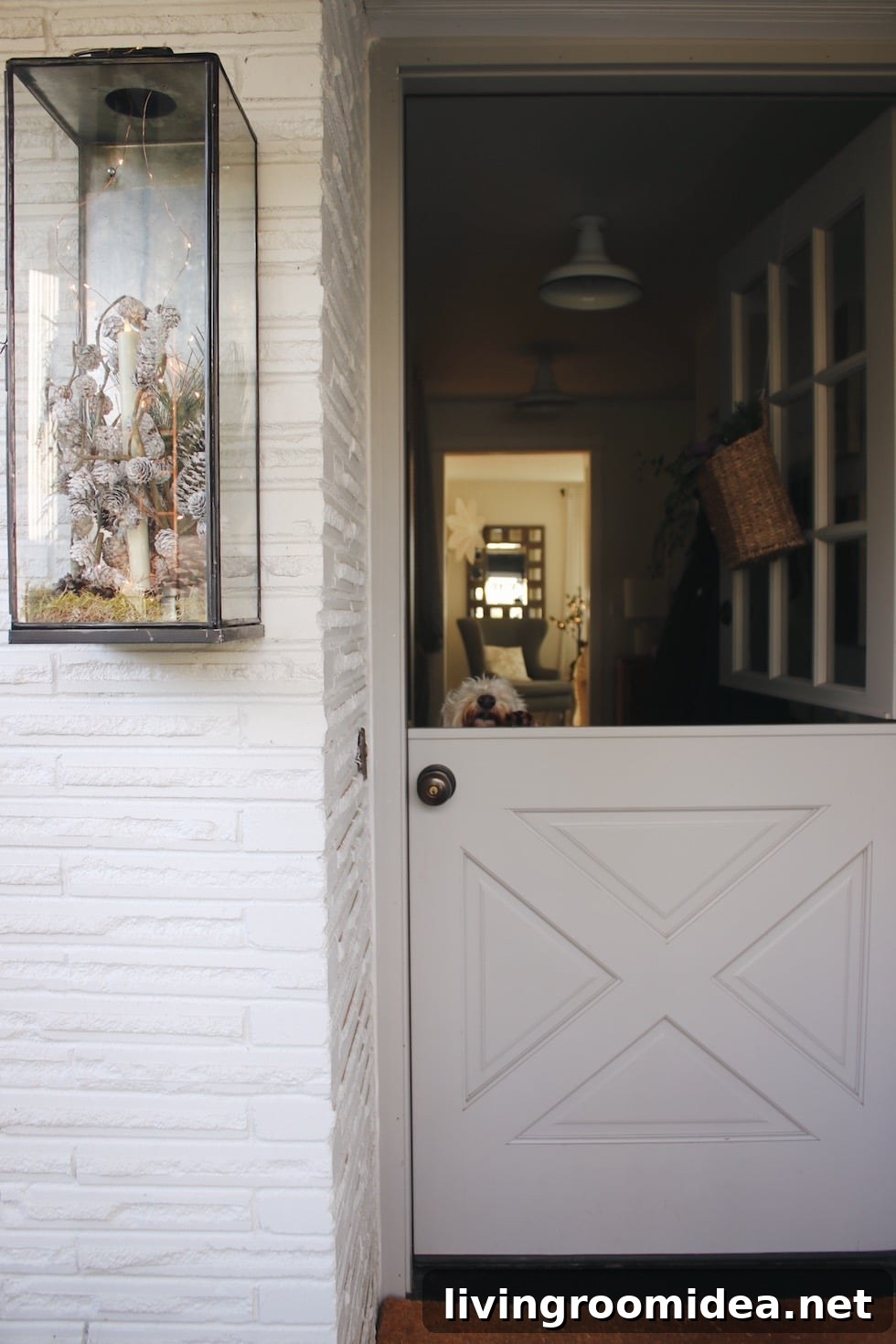
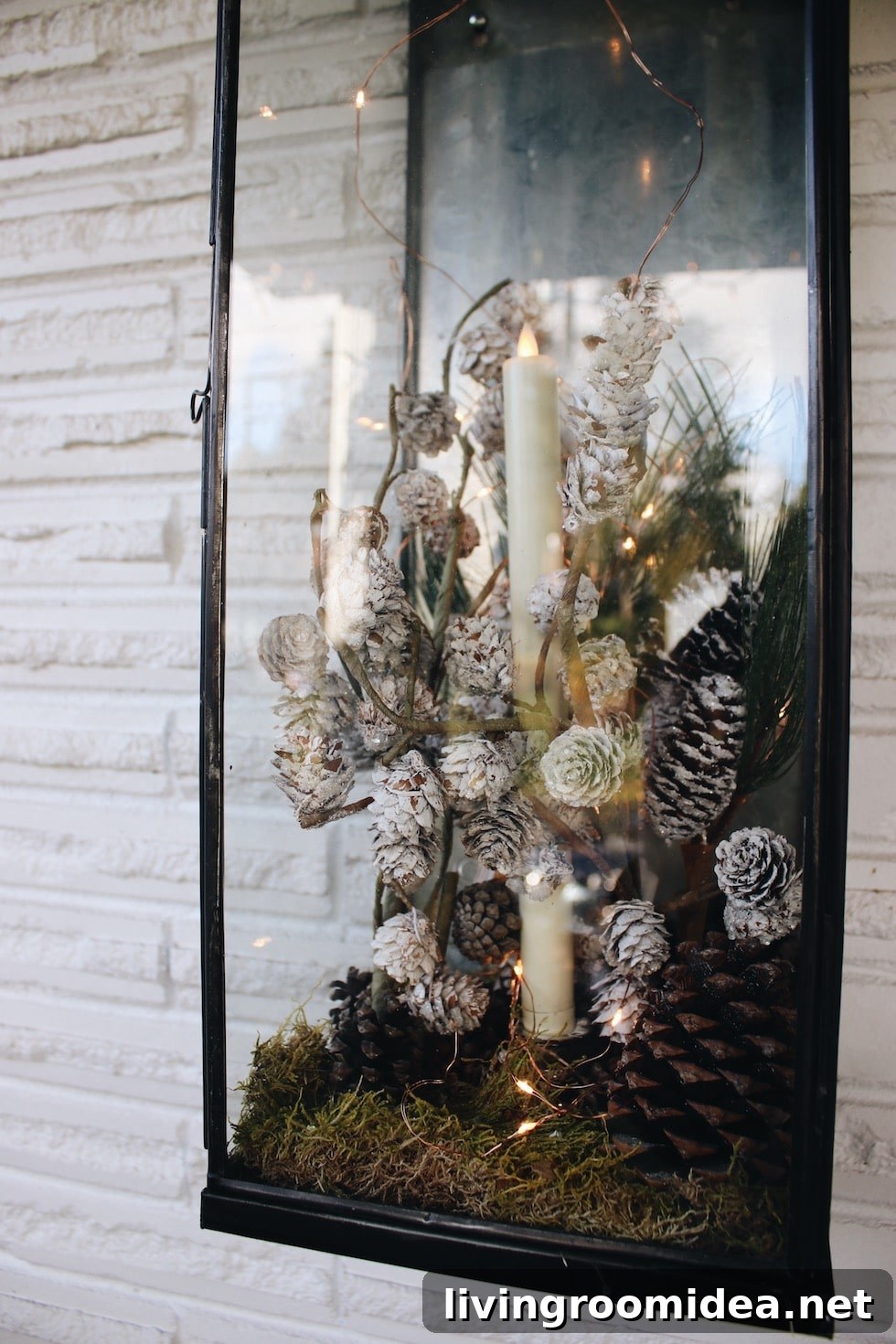
SPRING:
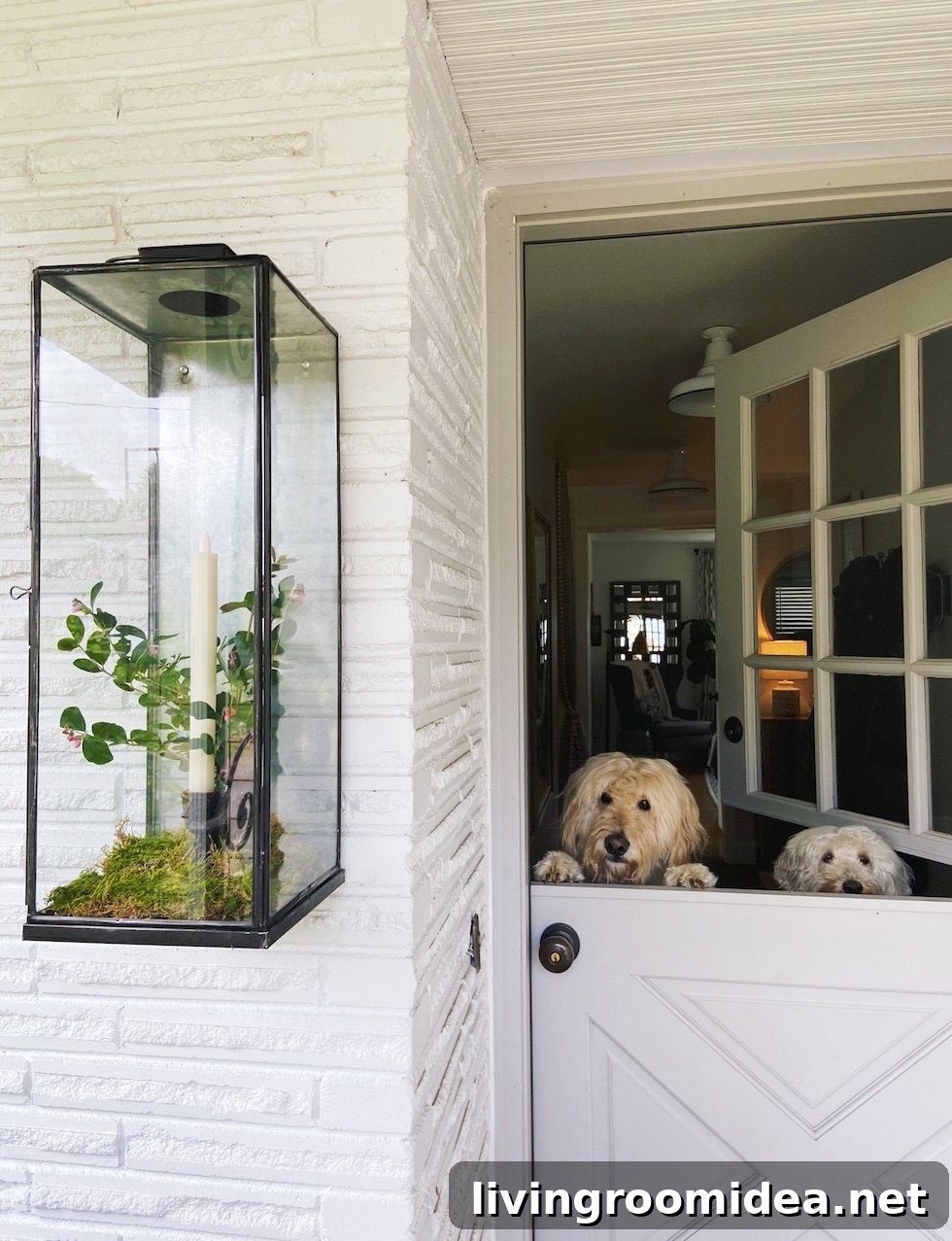
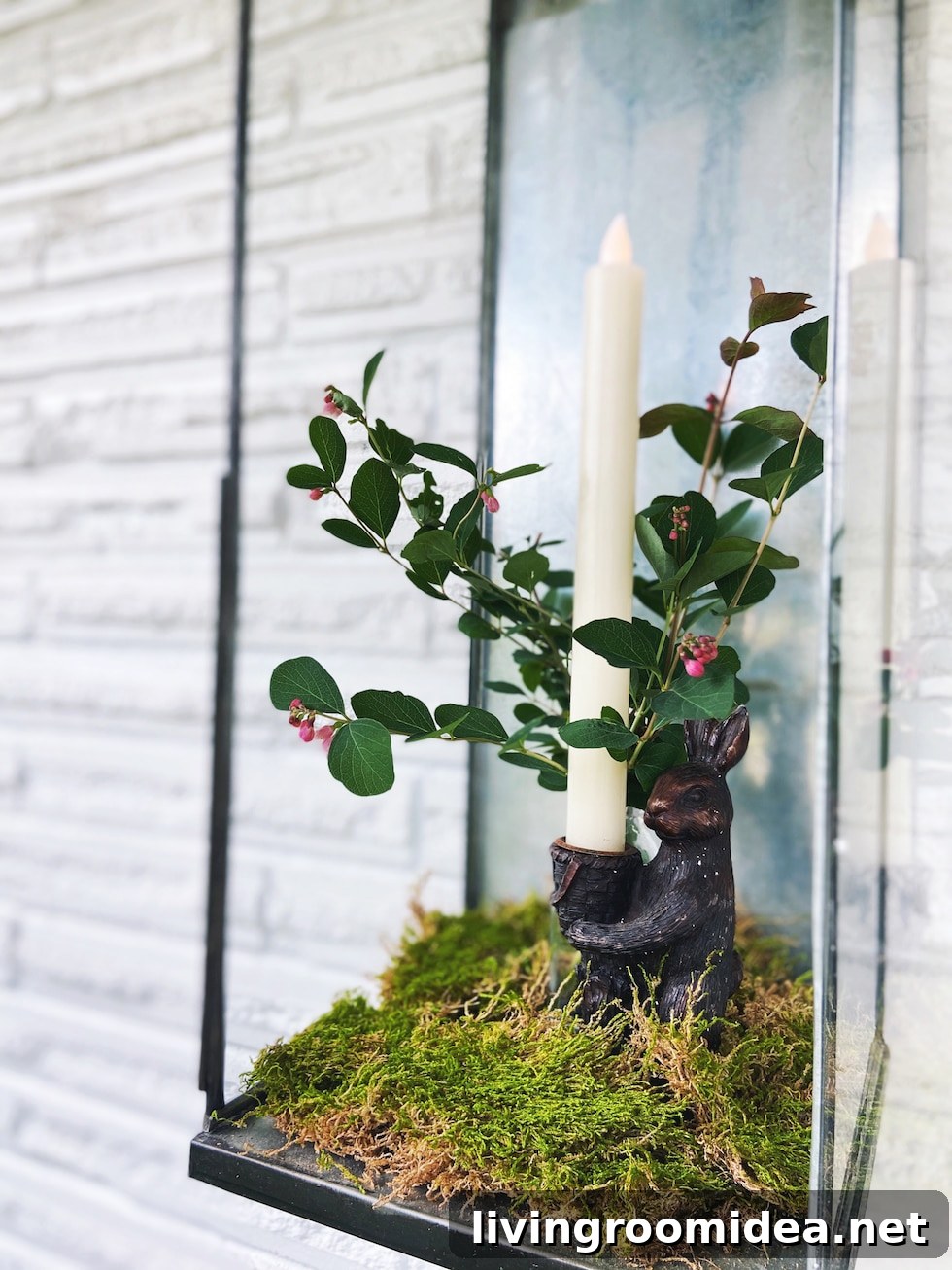
SUMMER:
Show me your lantern styling!
If you style a lantern, I’d love to see it. Tag @theinspiredroom on social media or share in The Inspired Room Community Facebook group. I enjoy seeing how others use simple decor to brighten their homes throughout the year.
For more lantern styling ideas, I’ve shared additional inspiration and examples that show how small seasonal touches can make a big difference in an entryway.

Click the thumbnails below to shop available options.
FAQ and Sources
For answers to common questions about paint colors, remodel details and more, see the FAQ page on The Inspired Room. There are also curated shopping lists for decor finds, books, and items featured in posts.