
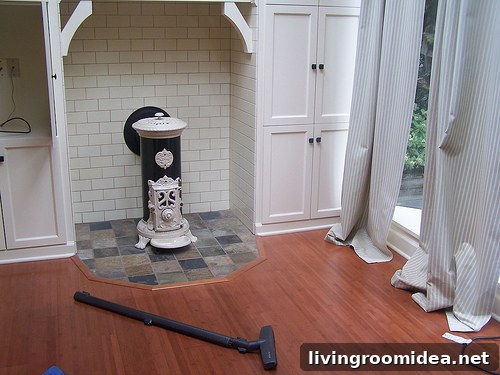
Yesterday I said goodbye to my beloved kitchen. We finished loading the last U-Haul and made the trip back up to Washington. It was a bittersweet moment — exciting because the move is finally over, but sad to close the door on the room I loved most.
The move has been long and exhausting, so I’m relieved to have completed the journey. Still, leaving the kitchen behind felt like the end of an era. That room held so many daily routines, meals, and memories that made it hard to walk away without pausing to reflect.
To honor that goodbye and to mark what I hope was the last time I closed that door, I took a few minutes to think back on what I learned from remodeling my kitchen on a budget. Remodeling on a tight budget forces you to prioritize, get creative, and make choices that stretch your dollars while still delivering great results.
Below are the top lessons I carried away from the project — practical ideas and mindset shifts that helped me save money, avoid common mistakes, and still create a kitchen I loved.
1. Plan carefully before you start
Taking time to plan the layout, materials, and timeline saved money and stress later. Measure twice, research options, and make decisions early so you don’t face costly changes mid-project.
2. Prioritize the big-ticket items
Spend most of your budget on things you can’t easily change later — like layout and major appliances. Cosmetic updates such as paint or hardware can come later and still make a big visual impact.
3. Mix high and low
Invest in a few high-quality pieces where it matters and pair them with more affordable finishes. A durable countertop or reliable range can anchor the space while less expensive cabinet hardware and lighting refreshes the look.
4. Shop smart for materials
Look for sales, clearance items, and reclaimed materials. Comparing several suppliers and being willing to wait for deals can reduce costs significantly without sacrificing style.
5. Do what you can yourself
Tackling painting, demolition, or simple installations yourself can save labor costs. Be honest about your skill level though — some tasks are worth hiring a pro to avoid mistakes that become expensive to fix.
6. Reuse and repurpose
Where possible, keep usable cabinets, trim, or fixtures and refresh them instead of replacing. A fresh coat of paint, new hardware, or refacing cabinet doors can feel like a full update at a fraction of the cost.
7. Focus on function
Design decisions that improve how the kitchen works for your daily life are more valuable than trendy details. Good lighting, efficient storage, and a sensible layout will be appreciated every day.
8. Prepare for the unexpected
Budget for contingencies. Even careful planning can’t predict everything, so reserving funds for surprises prevents delays and compromises later on.
9. Keep the timeline realistic
Rushing leads to mistakes and added expense. Allow time for deliveries, inspections, and decision-making so the project stays on track without unnecessary pressure.
10. Enjoy the process
Remodeling can be stressful, but it’s also an opportunity to be creative and make your home more functional and beautiful. Celebrate small wins and remember why you started the project in the first place.
I’m grateful to Remodeling Guy for hosting me as a guest and for the opportunity to share these lessons. If you’re planning your own remodel, take the time to plan, be flexible, and focus on what will make the biggest difference for your everyday life. Saying goodbye to this kitchen was hard, but it left me with useful insights and the confidence to tackle future projects thoughtfully.