Creating a home takes time, but feeling at home doesn’t have to wait. Here are seven simple ways we made our house feel like home during the first year. This October we celebrated our first anniversary since selling our previous house and making this one our “forever home.” Time really does fly.
These ideas are practical and encouraging whether you’ve lived in your home for decades or just moved in.
Simple ways to make any house feel like home
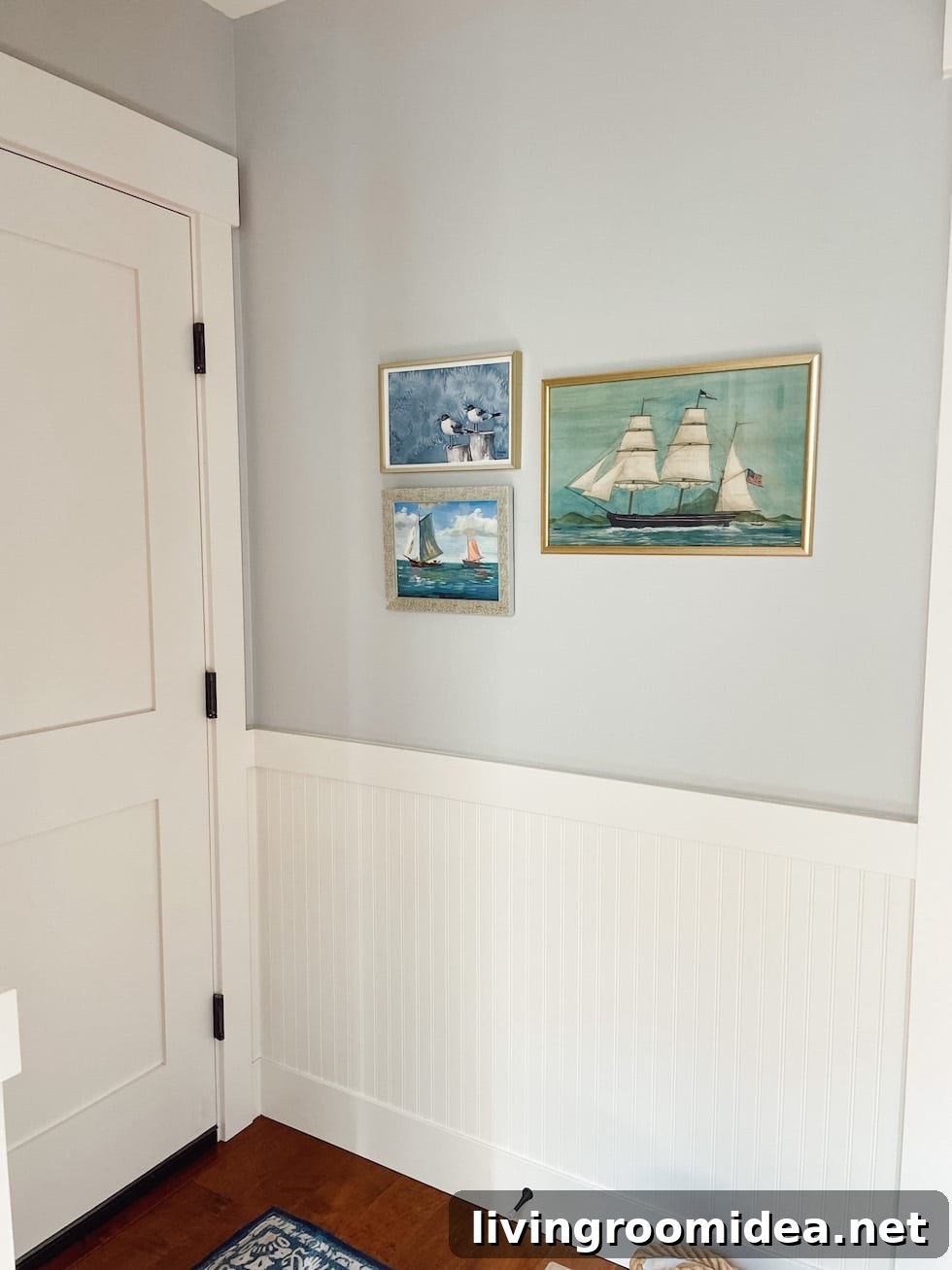
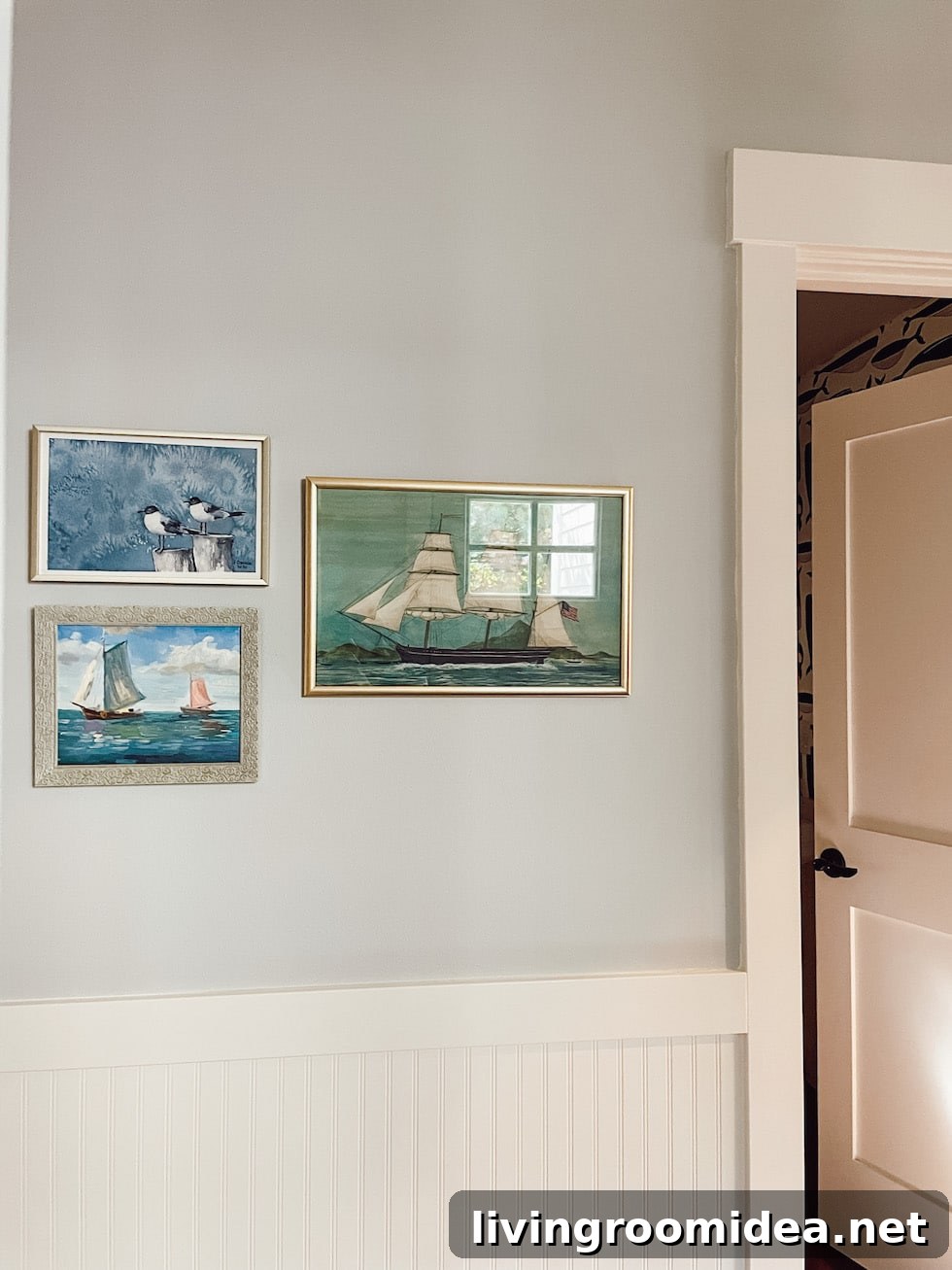
1. Hang art (or photos!) on the walls
We didn’t wait until everything was perfect — we started hanging art and family photos right away. Getting pieces off the floor and onto the walls instantly made the rooms feel lived-in and welcoming. While designers sometimes recommend finishing paint and other big decisions first, you don’t have to postpone feeling at home until every detail is settled.
Blank walls with art leaned on the floor can signal to your brain that settling in isn’t complete. Unless you’re about to repaint or remodel immediately, hanging artwork and photographs lets you and your family feel more at ease in the space as it evolves.
2. Layer in personal accessories and warmth
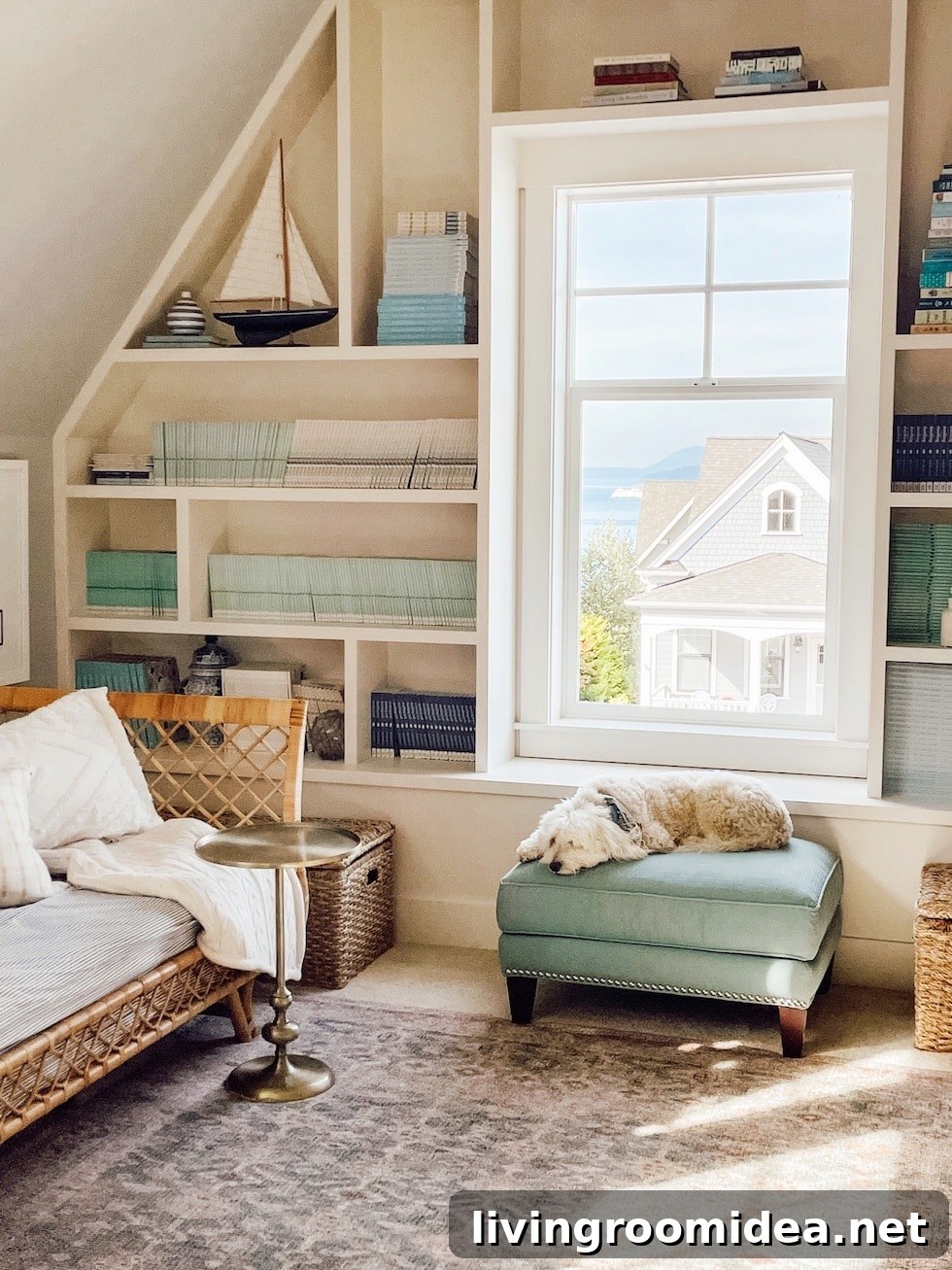
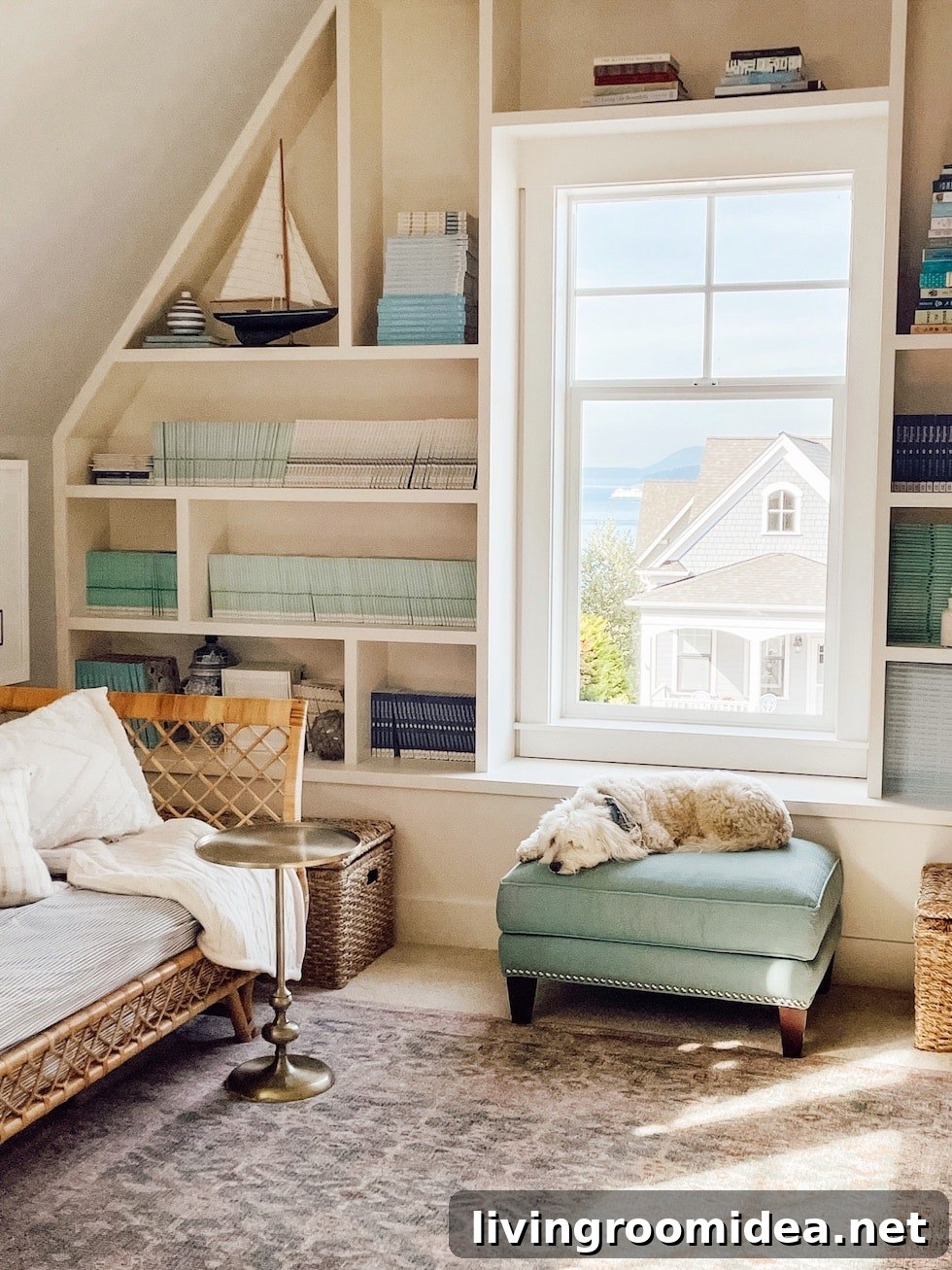
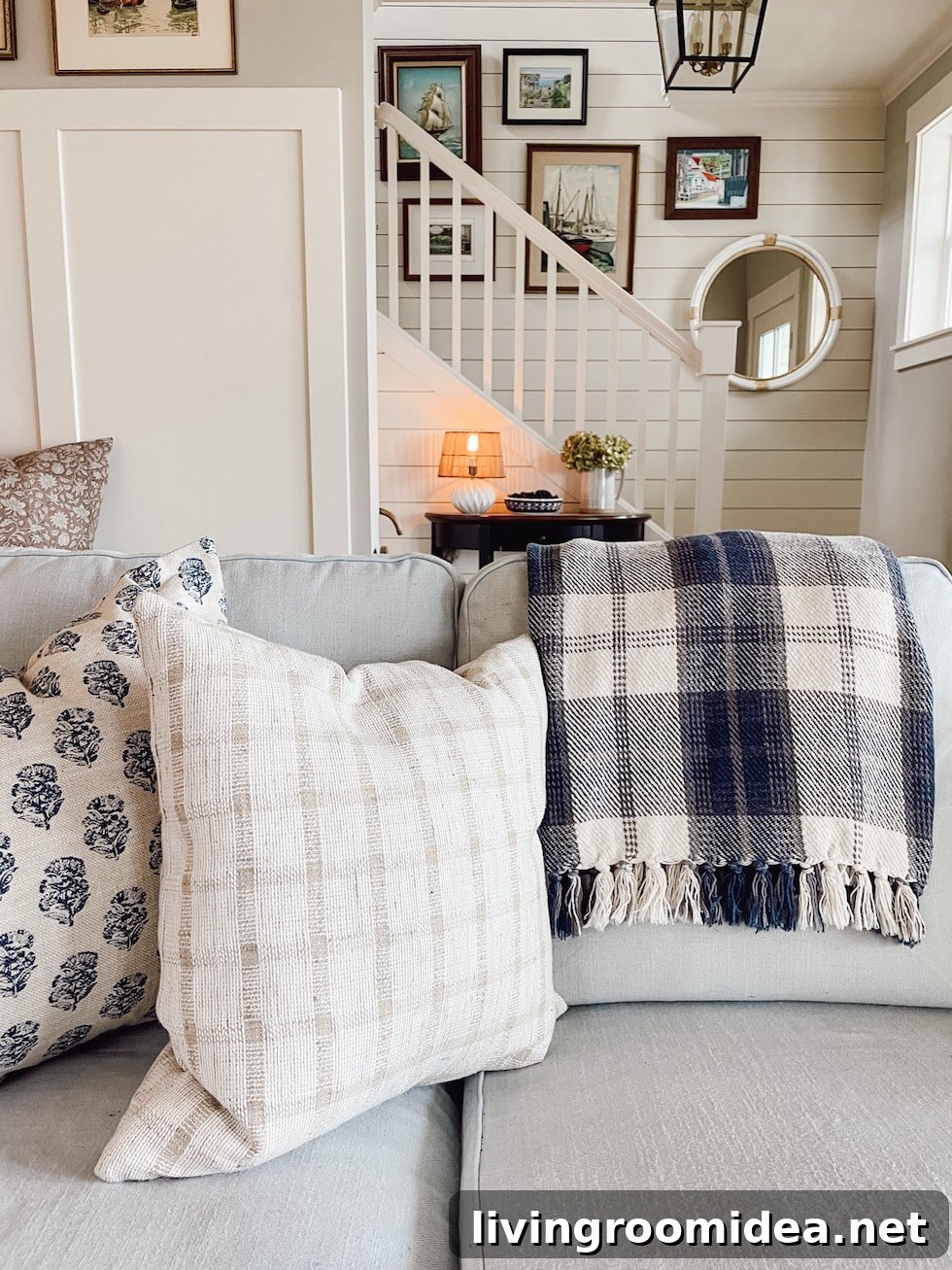
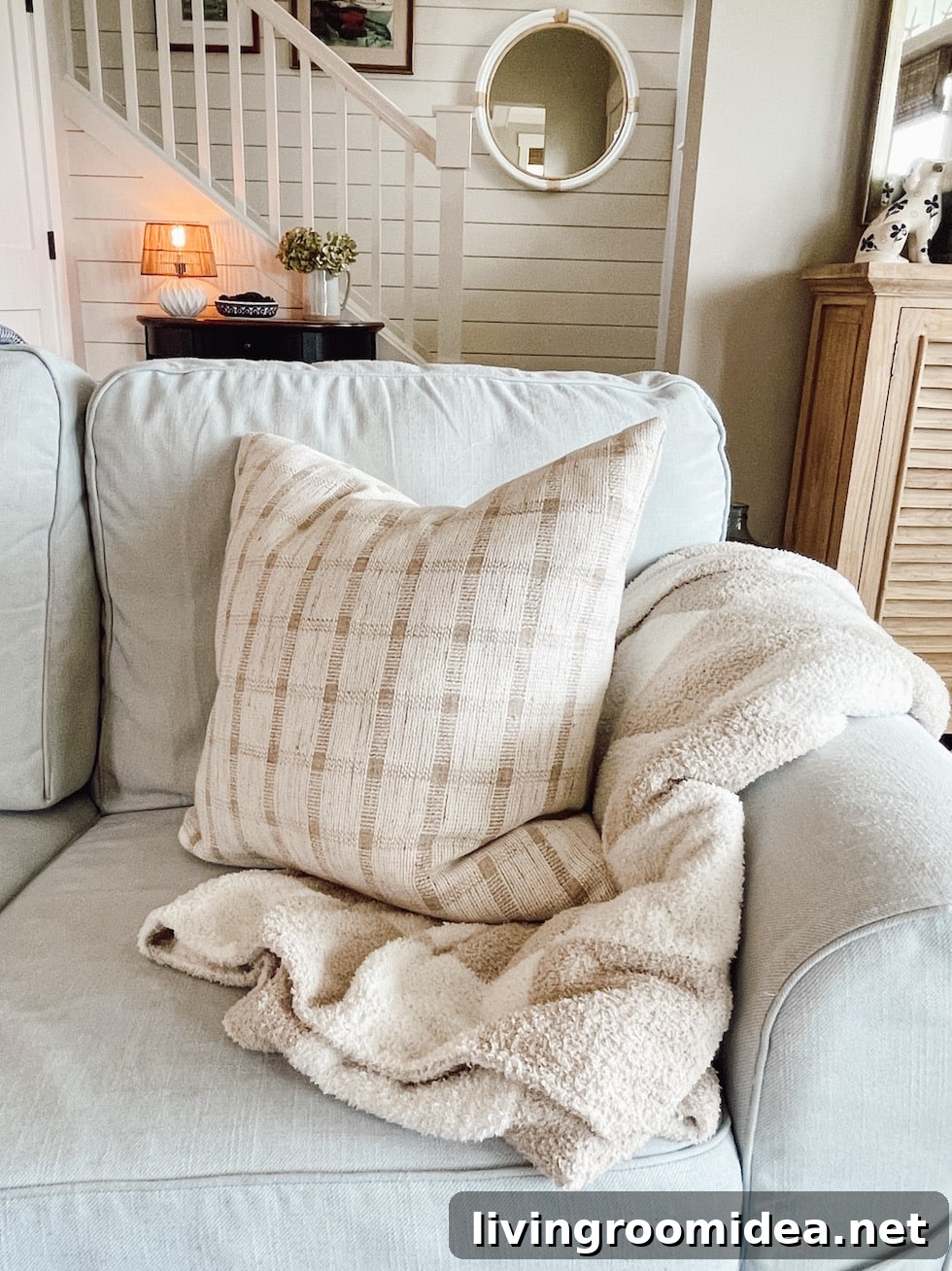
We were fortunate to buy a house that already had some furniture, but we still brought in personal items to make it ours. Layering textiles, books, accessories and lighting creates warmth and personality. Little touches like new pillow covers, throw blankets and slipcovers made rooms feel cozy and more undeniably ours.
We also added two light fixtures that changed the mood of the house. One is a charming lantern in the entry that set the tone for the home. The other is a battery-powered sconce in a book nook that adds warmth without wiring — though it could be wired later if we choose.
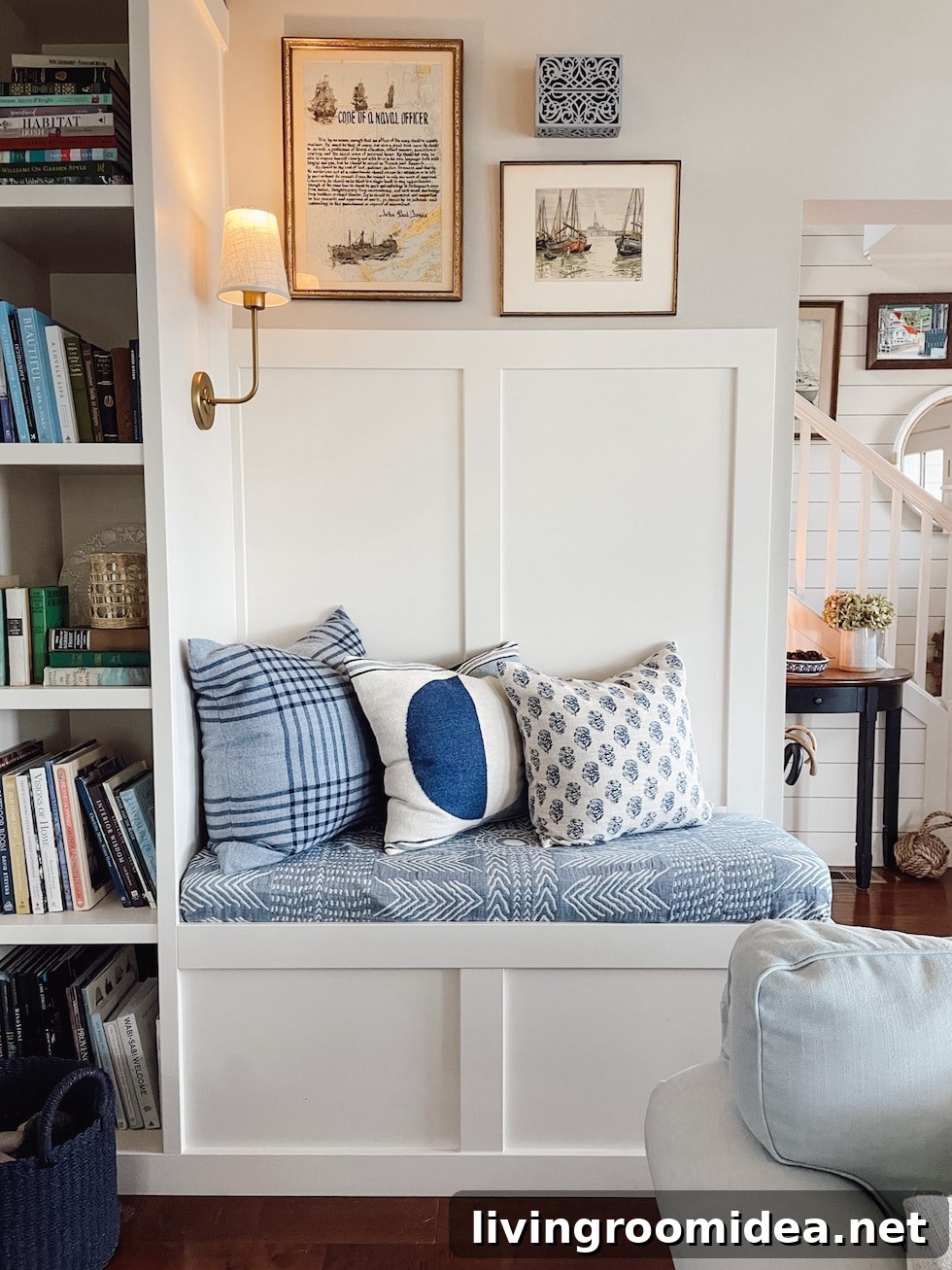
Adding books and personal objects to shelves is another easy way to make a space feel like yours. These items tell your story and make rooms feel lived in without needing a complete design plan from day one.
3. Create memories and new traditions related to the home
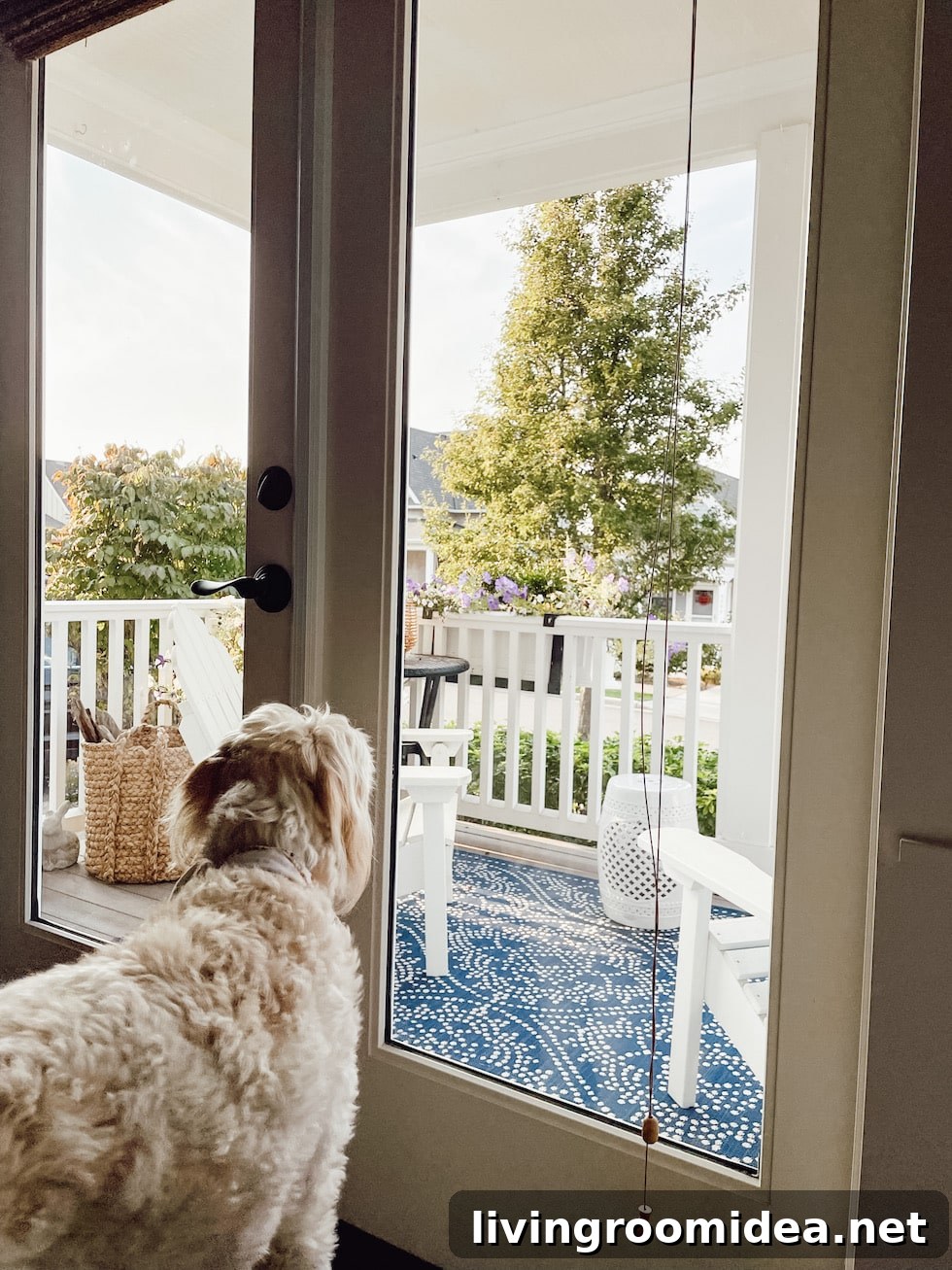
One of the best ways to make a house feel like yours is to make memories there. We enjoy our covered porch in every season — adding window boxes, seasonal decor and an outdoor rug. Last year we hung stars for Christmas and plan to repeat that tradition each year. Simple, recurring rituals create a sense of belonging and anticipation.
We’ve also started small seasonal traditions like placing candles in the windows for winter and hosting special meals. Caring for the home through small chores — washing windows, touching up paint or arranging fresh flowers — also deepens the connection to the space.
4. Bring comfort to the bedroom
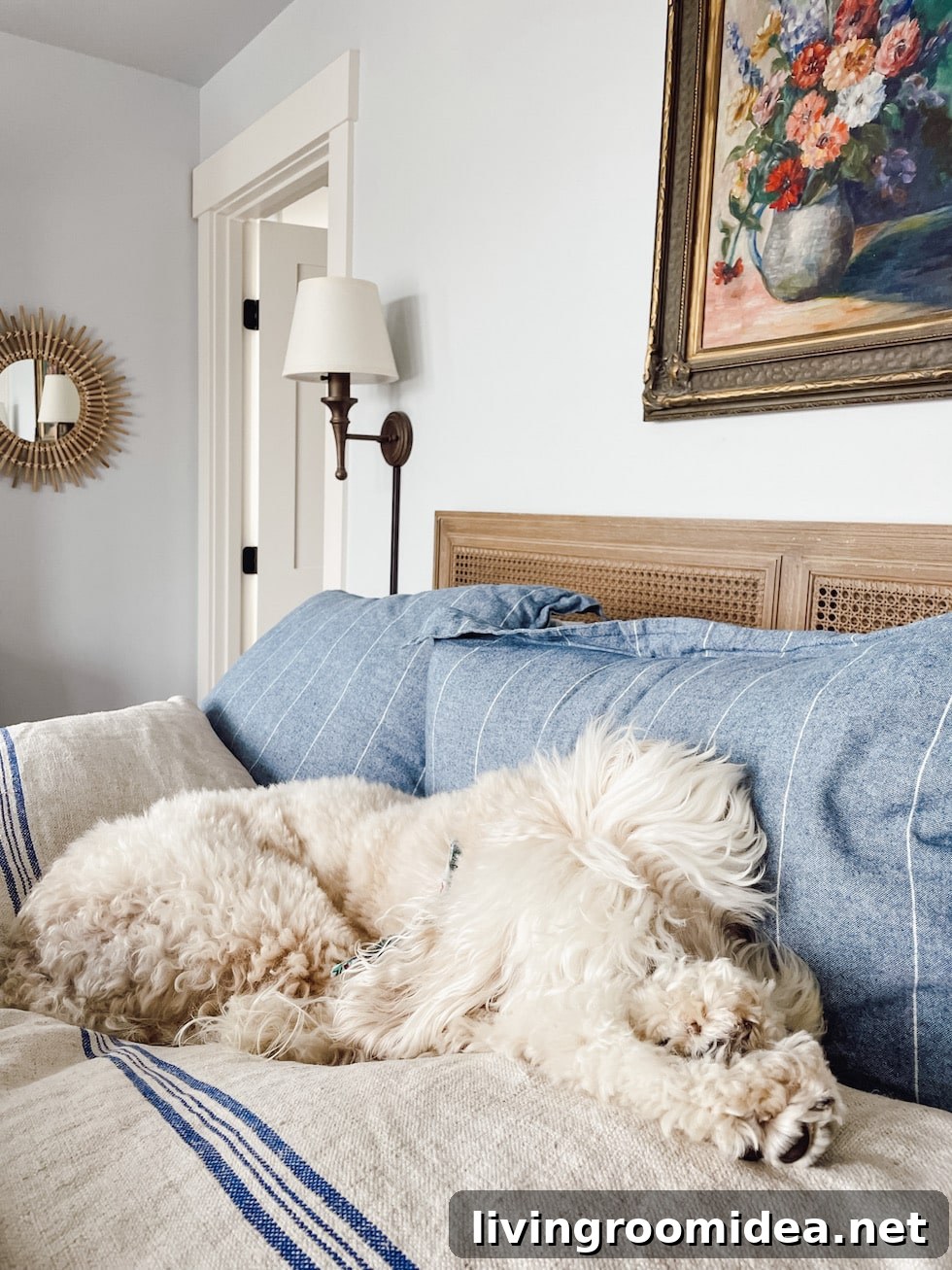
If you need to prioritize one room, start with the bedroom. A restful, comfortable bedroom helps you feel settled and calm. We added affordable wall sconces for reading and mood lighting, then later hung curtains and updated hardware to shape the room’s style. Small improvements that help you rest are worth doing early.
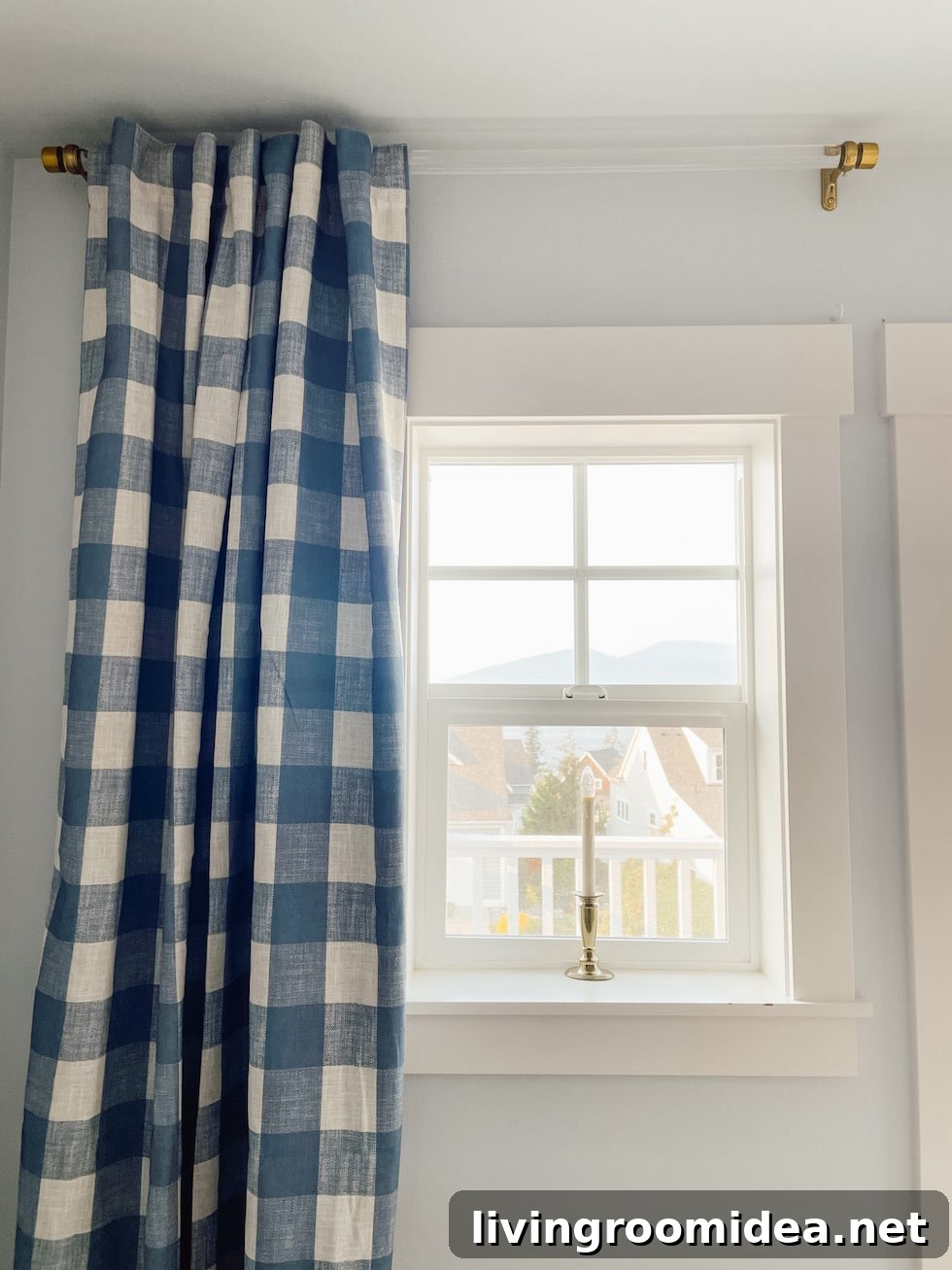
You don’t need to finish every detail at once. Curtains and other textiles can be affordable, ready-made options that you enjoy now while your home continues to evolve.
5. Set up functional spaces first, then make them pretty
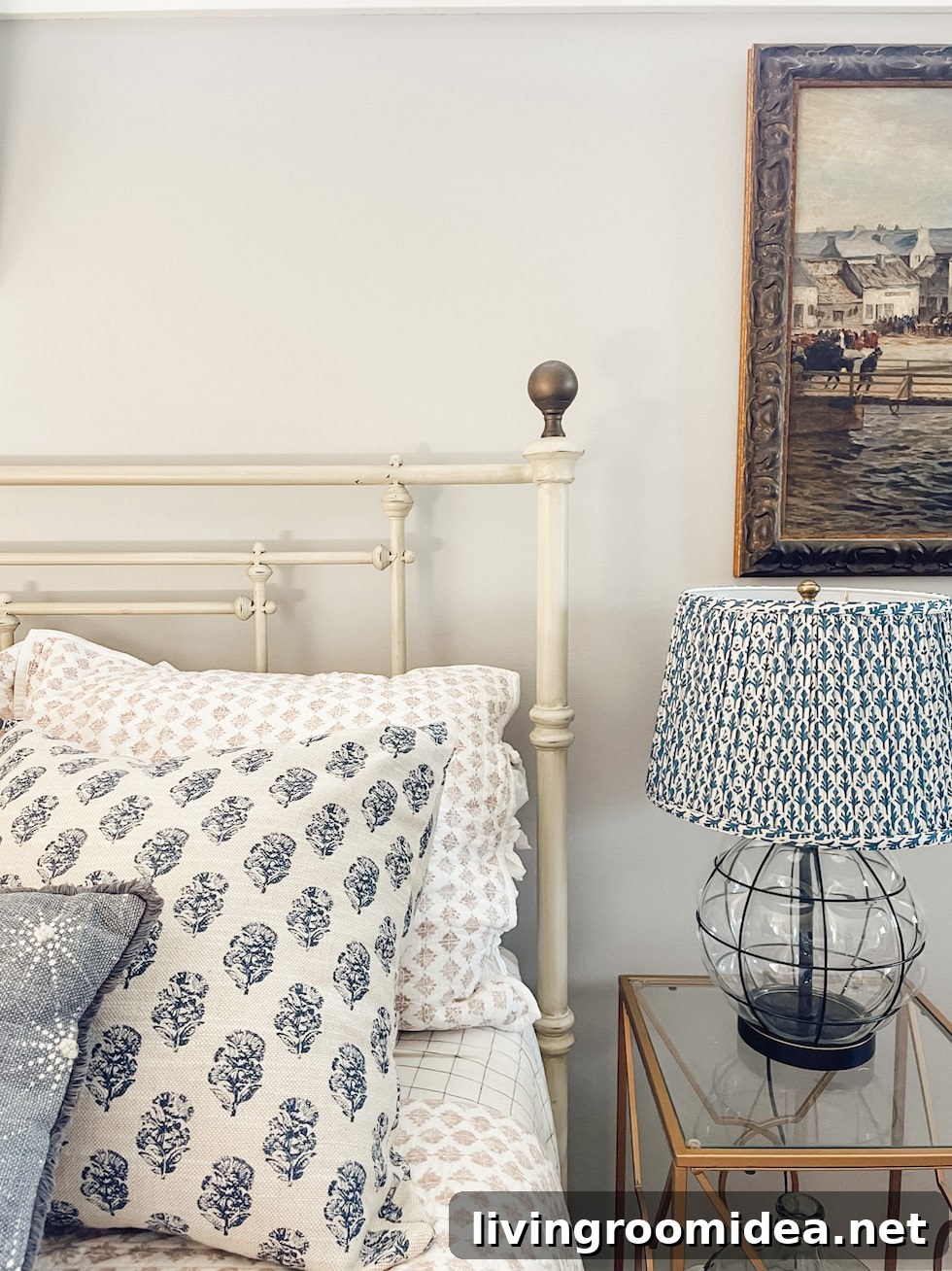
Practical needs often come first. When we needed a guest bed during a busy week, we created a comfortable corner in my office using what we already had. Later we added a quilt, shams and a lampshade to make the corner charming. Start by meeting needs — bed, lamp, table — then gradually add style within your budget.
Practical organization solutions are part of this approach. For example, under-bed storage solved a linens problem and helped keep the home functional while it evolves.
6. Use a rug to unify mixed furnishings and styles
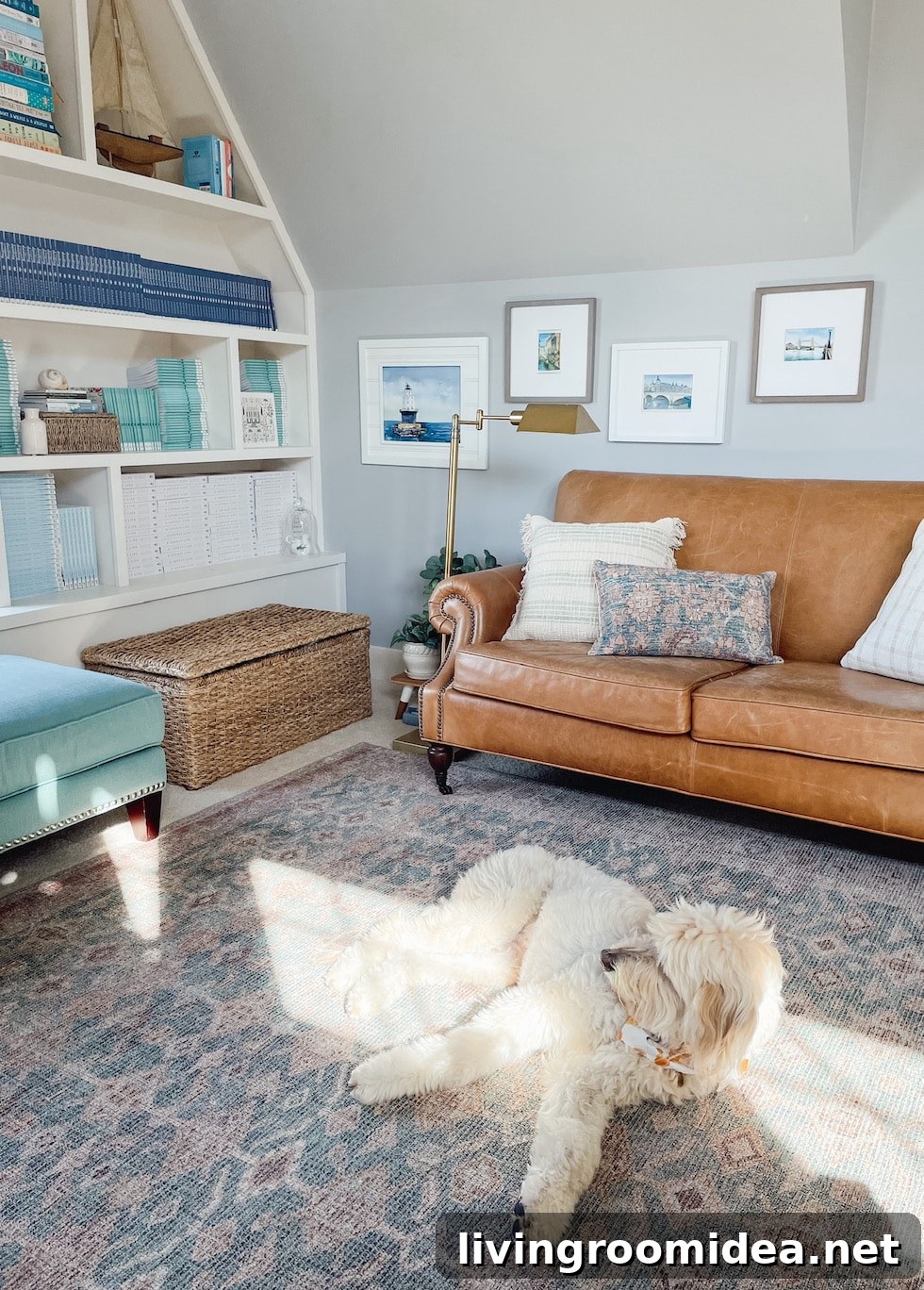
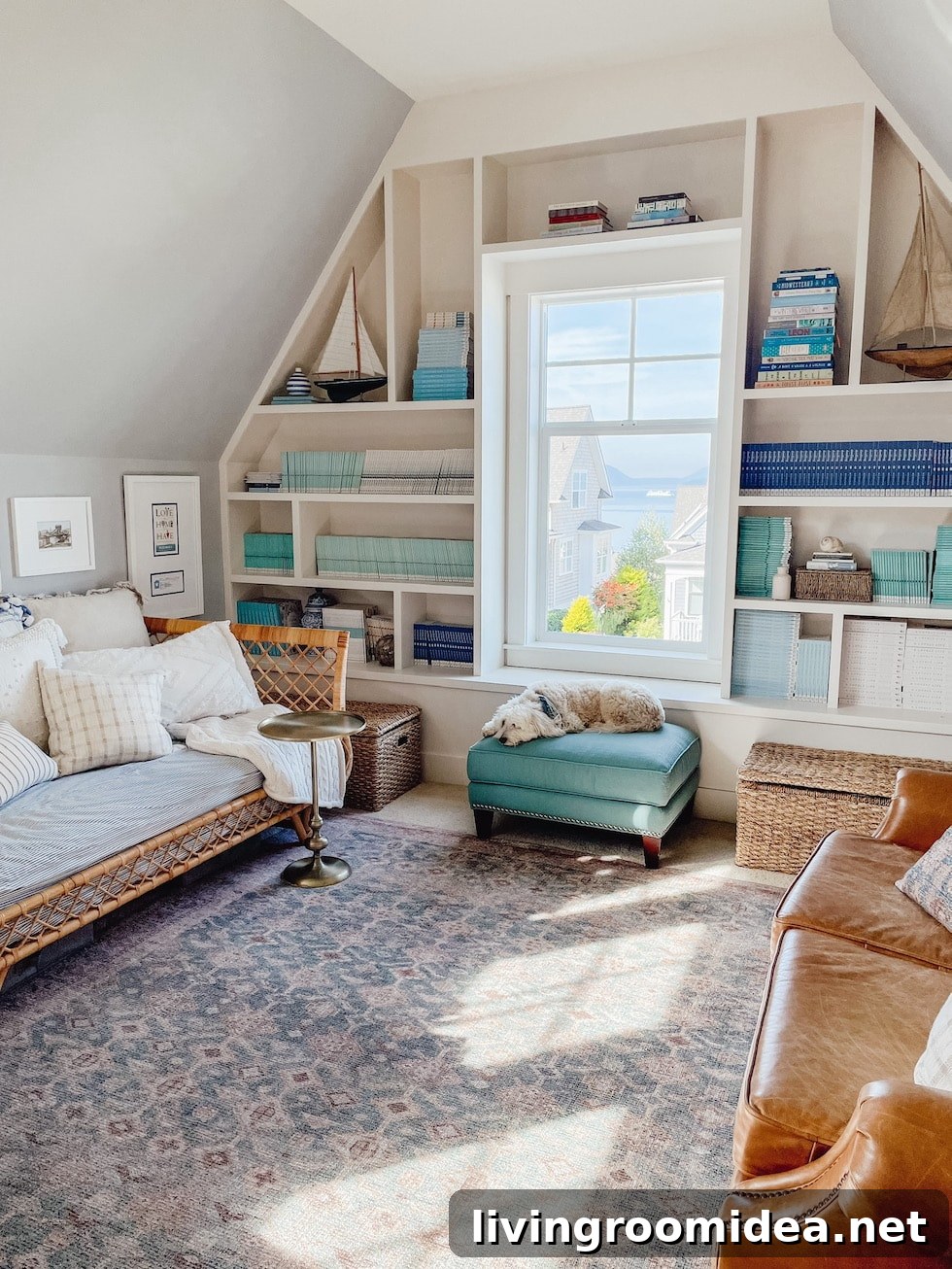
A well-chosen rug can pull together mismatched furniture and create visual unity. We added an area rug to a conversation area in a multipurpose room and it tied the leather sofa, teal chair and ottoman into a cohesive palette. Rugs add color, pattern and intention without major investment.
7. Live in a home before making major changes
We intentionally took the first year slowly, avoiding immediate major remodels. Living in the house lets you learn how you use each space, where needs are real, and what changes will matter most. Patience often leads to wiser, more creative decisions and prevents costly mistakes made from rushing.
Layer by layer, our house has become more and more like us. Slower changes helped us be content with what we have and intentional about what comes next.
Now — onto the holidays and year two!