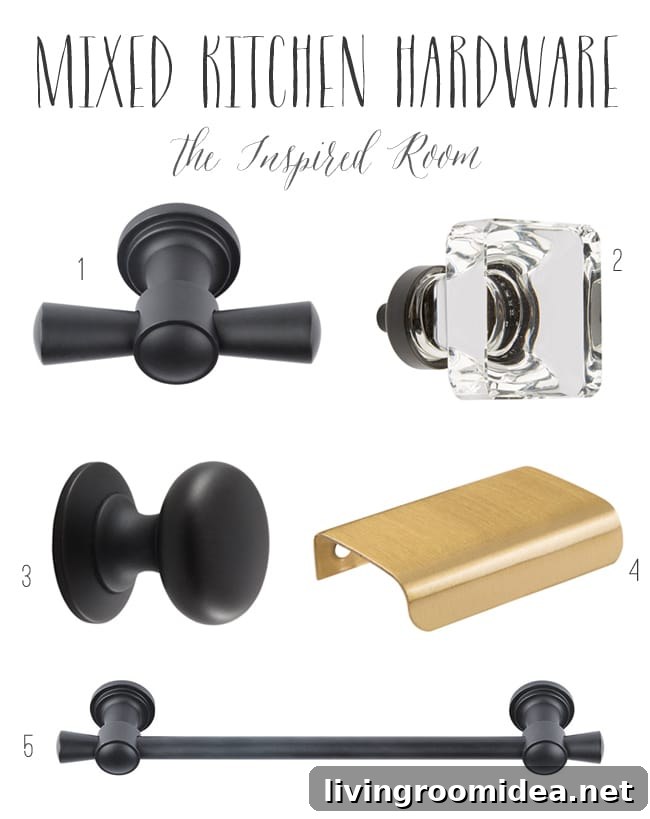
How to mix and match different hardware finishes is one of the most common questions I receive. It can feel confusing — a few poor choices can make a room look disorganized. In our recent kitchen remodel we spent a long time deciding on finishes. Starting from scratch felt overwhelming: gold, brass, nickel, black, or a mix? What about appliances and where their finishes should sit in the overall scheme?
At first we were also considering cabinet colors, but once we committed to a simple black-and-white palette for cabinets and most hardware, the other decisions became clearer. Making one solid decision early on helped the rest fall into place.
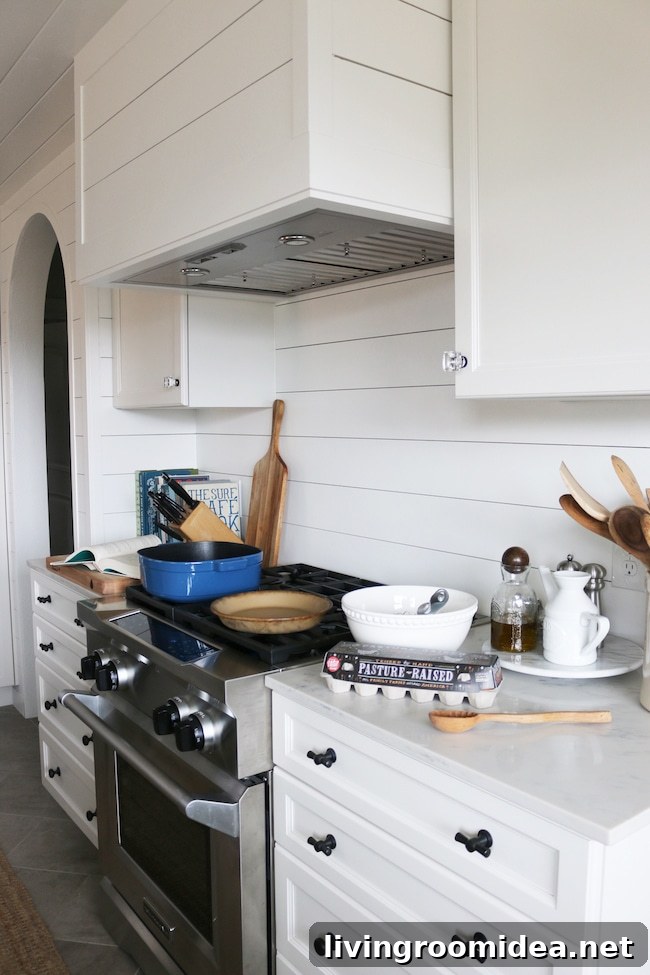
 Mug tree and cookbook/tablet stand shown
I like mixing finishes because it adds character and a collected, timeless quality. Our kitchen is compact, so blending hardware took extra planning. In a smaller space you have fewer opportunities to change things; too many different materials can read as random. I wanted warmth and cohesion without chaos.
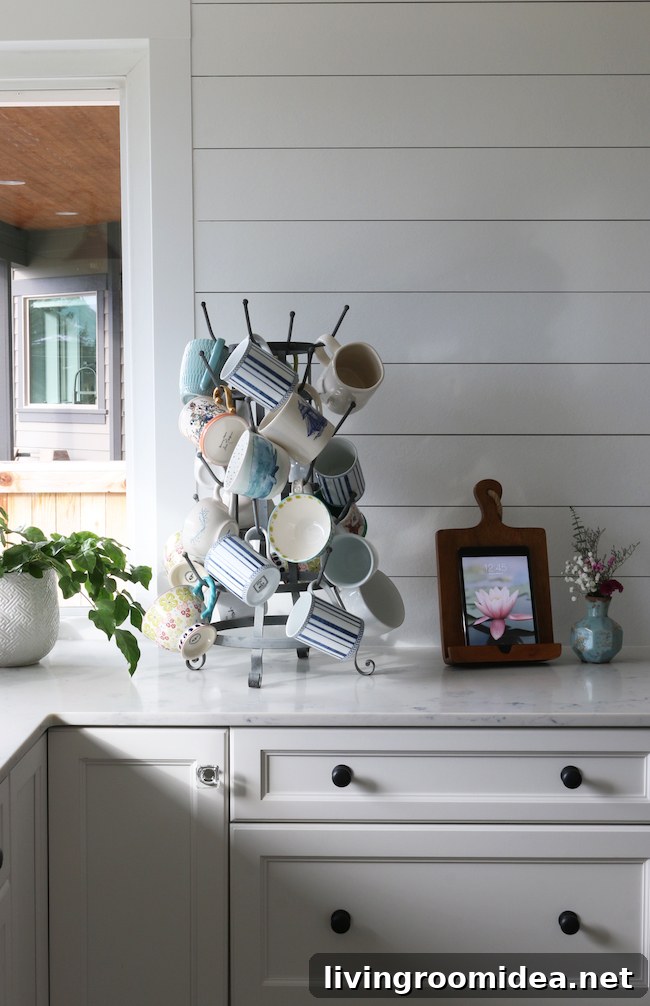
We chose a simplified palette of finishes to set the mood. Classic white cabinets paired with black hardware created a clean foundation. We knew appliances would be stainless, but kept that finish limited mainly to the range and fridge while covering the range hood and dishwasher to minimize visual clutter.
With that foundation in place, we introduced subtle, unexpected accents of other finishes.
Our secret was creating a few simple rules for visual symmetry and consistency. Those rules guided every finish choice and kept the result cohesive.
Rules we followed
When using black hardware, we used the exact same finish across all pieces — same finish name and same source — so every black element read as one coordinated choice.
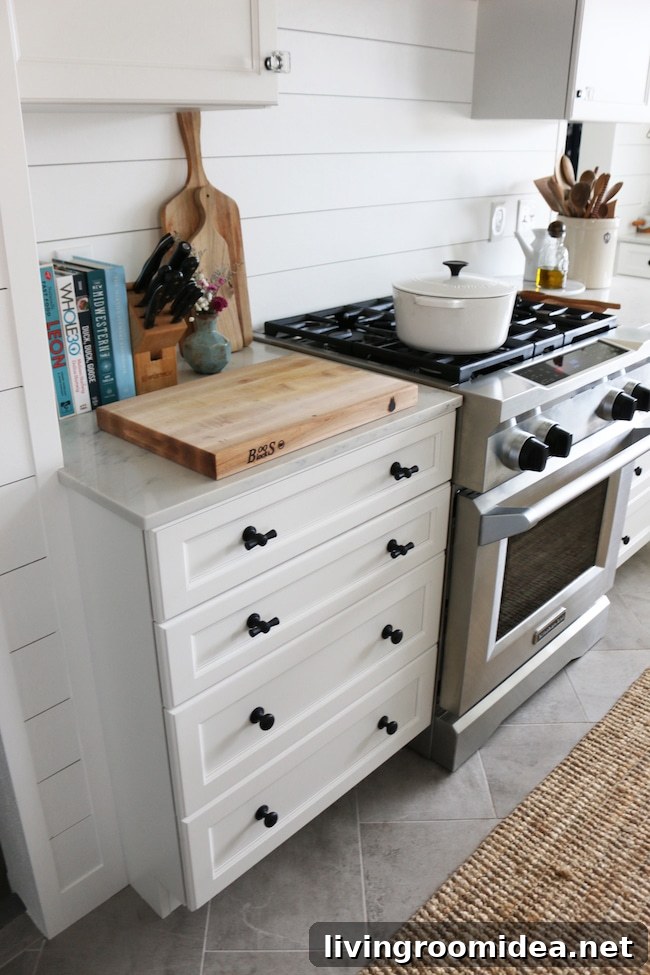
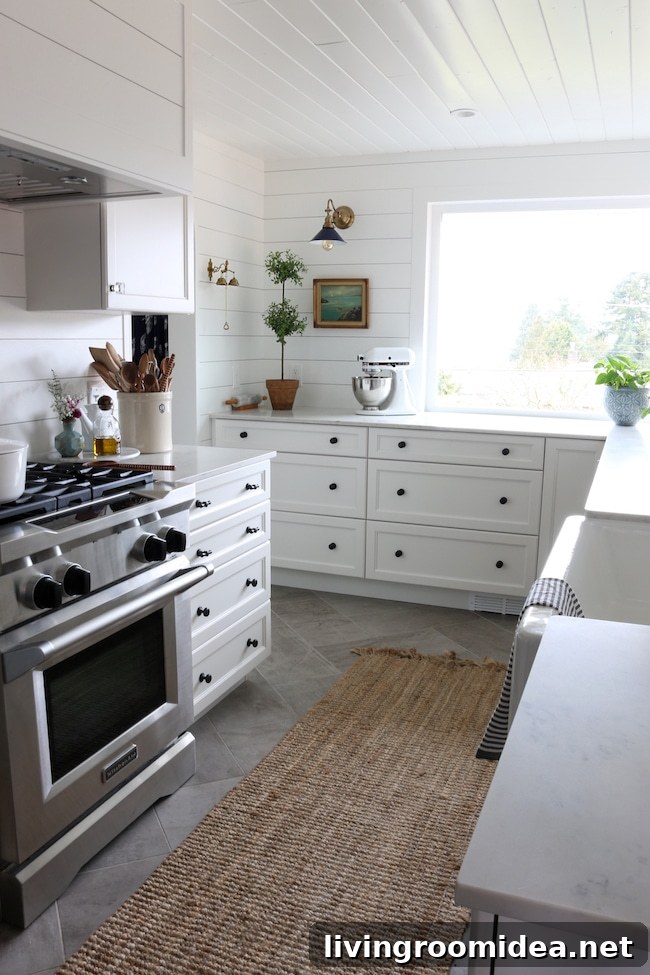 Range and range hood in stainless
All drawers in the kitchen received two identical black knobs each. Consistency here creates unity across the room.
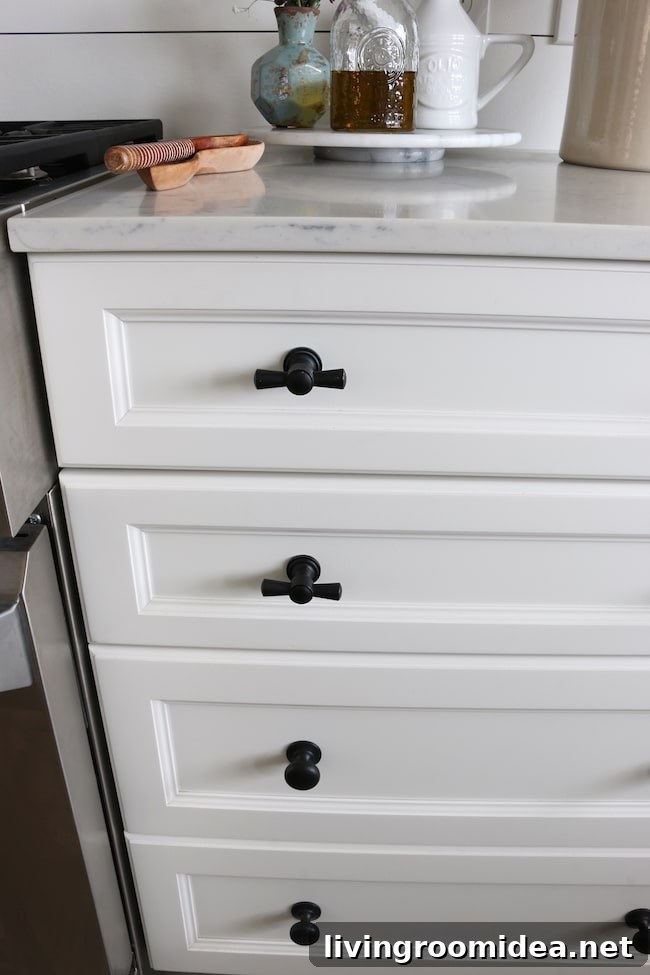
We kept the two-knobs-per-drawer pattern throughout, except for two narrow top drawers in each set of four beside the stove. Since the stove also features round black knobs, we introduced a small playful contrast by swapping the top drawer hardware for nautical-style pulls. Repeating that unique pair on either side of the stove maintained symmetry while adding interest.
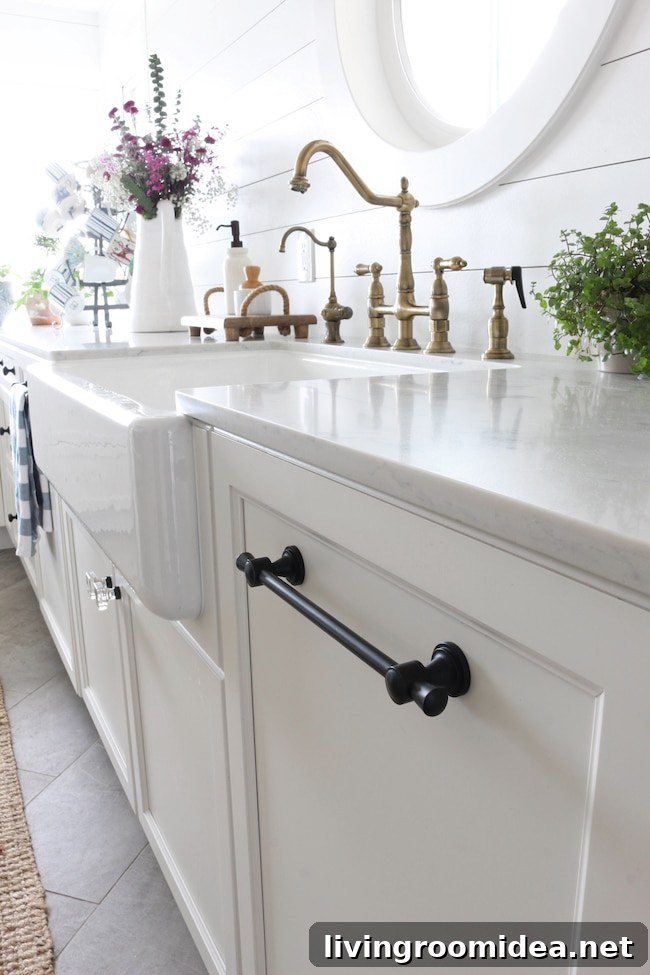
The cabinet fronts flanking the sink (dishwasher and trash) received longer bar-style black pulls. Long bars work well for pulling and for hanging towels, so they were a practical choice near the sink. Placing similar long bars on matching cabinet fronts reinforced balance and calm in the layout.
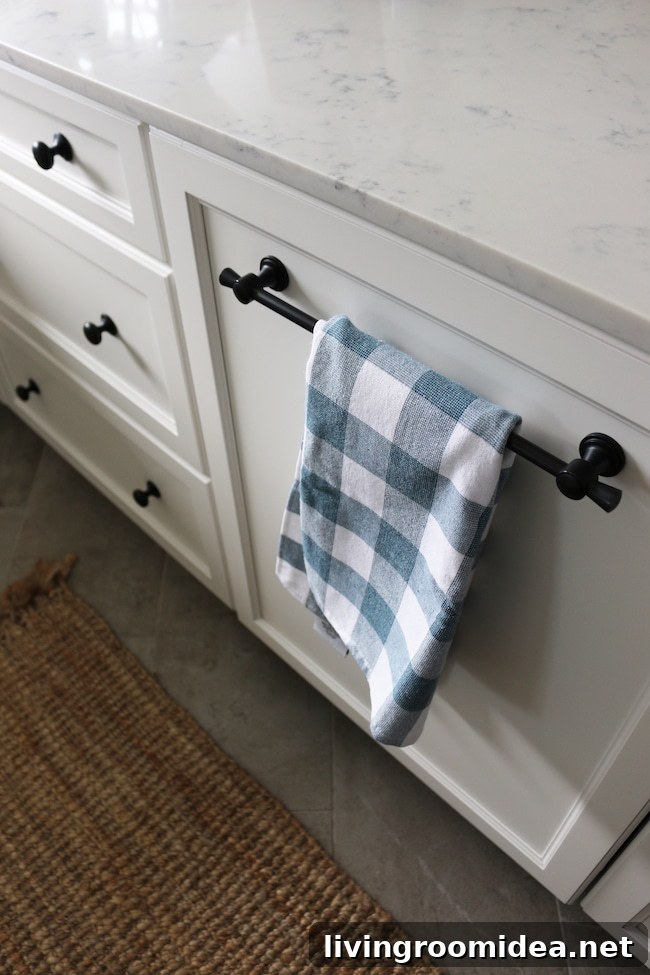 Panel-ready dishwasher
Another rule was to assign every cabinet door a square glass knob with a black backing finish. The glass square contrasts the round black knobs and introduces subtle shine without overwhelming the palette. For some pieces that rule was intentionally set aside to better serve the overall composition.
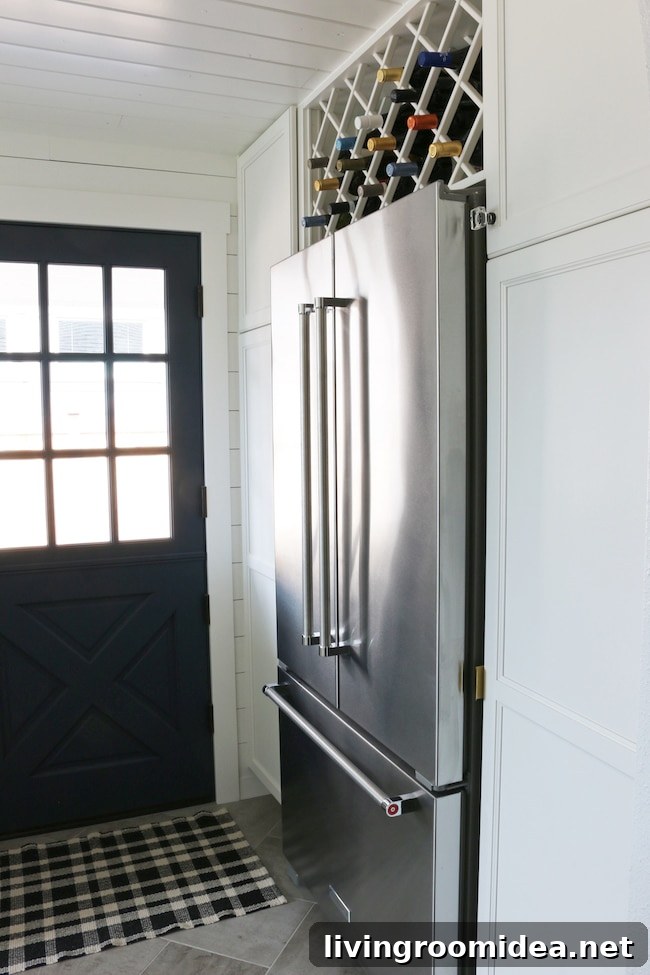 Refrigerator in stainless
For the tall pantry cabinets we broke the glass-knob rule and used slim brass handles. We chose slim brass for subtlety and to complement the other brass accents without competing with the refrigerator’s stainless pulls. A bulkier handle would have looked heavy; the slim profile felt right.
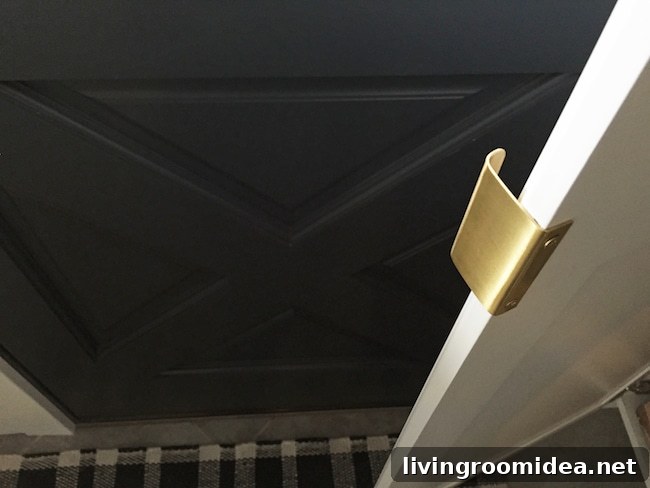 Brass handles shown when cabinet is open
To keep continuity, we used black hardware on the navy Dutch door as well.
After settling hardware choices, we had two final finish decisions: the faucet and the sconces. Although black fixtures would have matched the hardware, we felt the space needed warmth. We selected a warm brass/gold faucet and darker, warmer brass sconces to introduce warmth while tying in the black hardware. The brass shapes and tones lift the room and complement wood and natural textures.
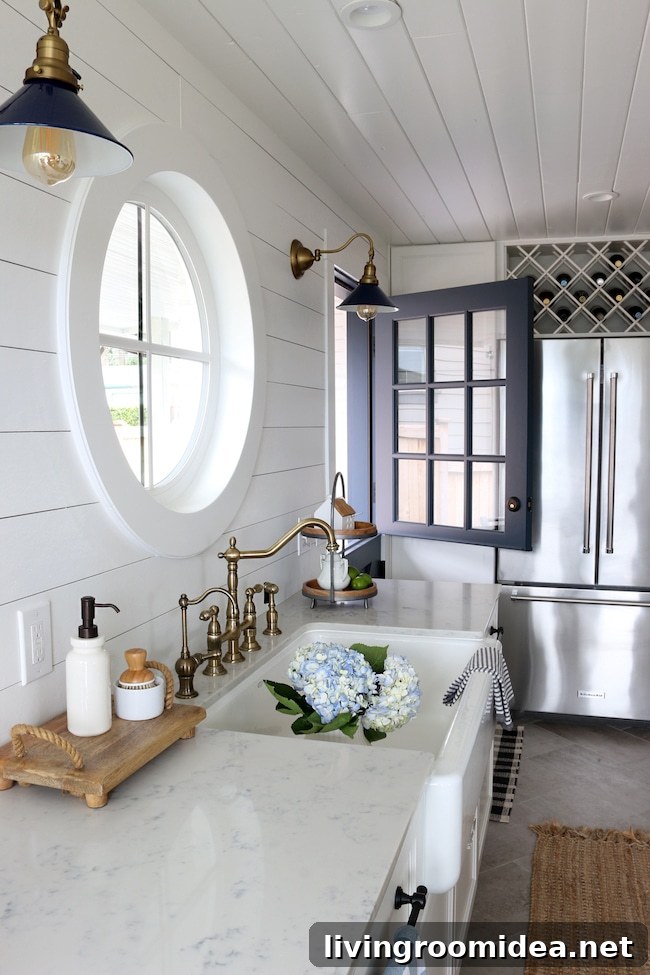
The brass faucet and sconces provide subtle contrast and the collected feel we wanted. The mix reads intentional and refined rather than chaotic.
Summary: Mixing finishes can seem complicated, but a few clear rules — consistent finishes for like pieces, repeating pairings for symmetry, and selective use of contrasting materials — make the result feel coordinated and timeless. We’re delighted with how the details came together: the mix gives warmth and visual interest while remaining simple enough to update with new colors or textiles later.