Wallpaper Ideas
I like wallpaper. It’s been a love/hate relationship for me—sometimes I’ve hated the layers I had to strip away, but I’ve always loved wallpaper when I chose it myself. In the right room, with the right pattern and a careful installer, wallpaper can be one of the most compelling design choices you can make.
Wallpaper hasn’t always had the best reputation. For decades we endured trends like the country blue geese borders and other dated motifs. Some past papers were hard to remove and left walls damaged by stubborn paste. Thankfully, modern wallpapers are easier to install and remove, and styles have evolved dramatically.
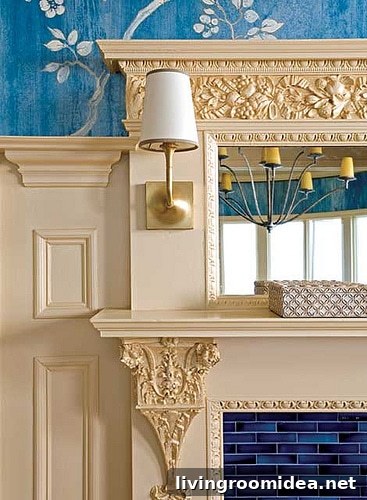
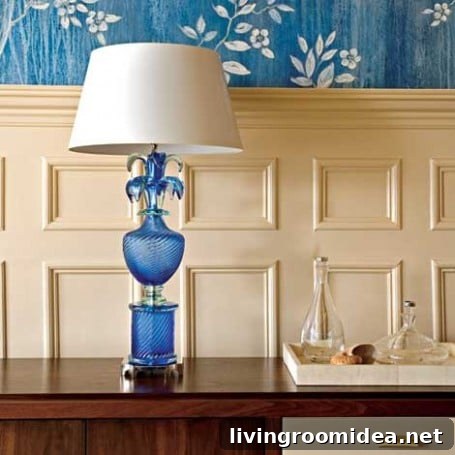
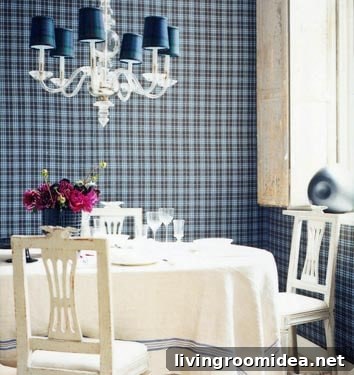
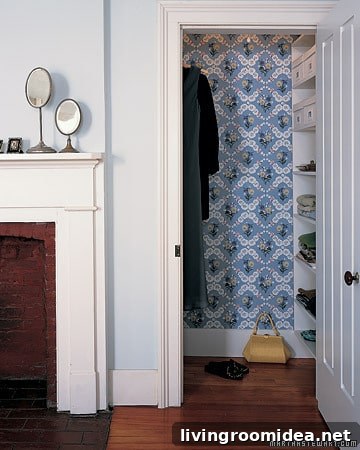
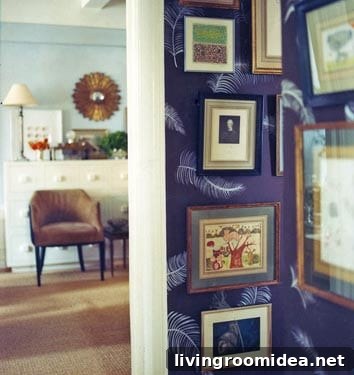
Blue Wallpapered Room: Traditional Home
No matter whether wallpaper is currently labeled “in” or “out,” its value comes down to whether it accomplishes your design goals. Wallpaper has been used for centuries because it can add texture, pattern, and personality in a way that paint alone often cannot. When chosen thoughtfully, it defines a home and reflects your personal style.
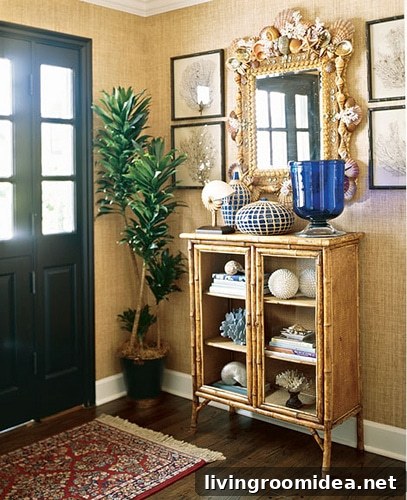
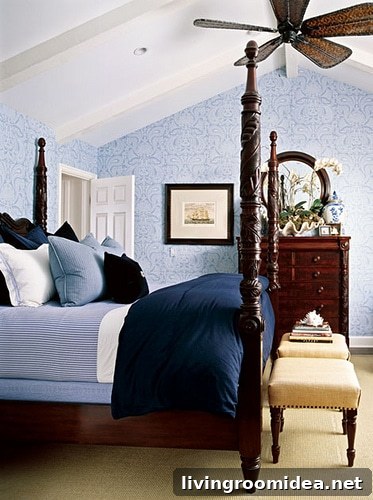
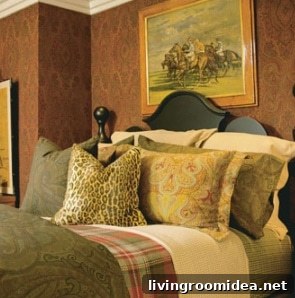
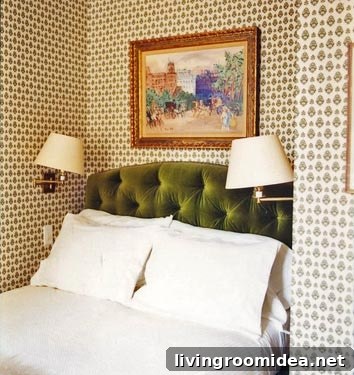
Wallpaper provides texture and depth that paint rarely achieves. Natural textured papers, like grasscloth, create warmth and a tactile quality that anchors a room. I love the subtle pattern choices in entries and bedrooms that feel both refined and comfortable.
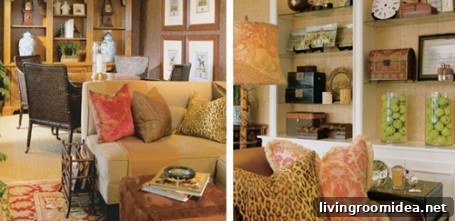
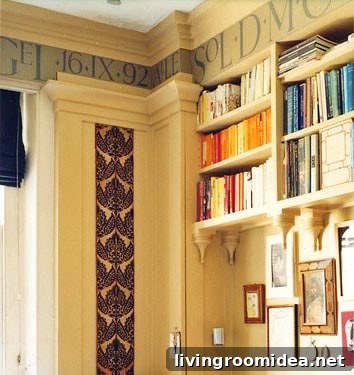
Wallpaper can be used in subtle ways, like lining the back of built-in shelves. A textured or patterned background makes displayed accessories stand out while adding richness without overwhelming the space.
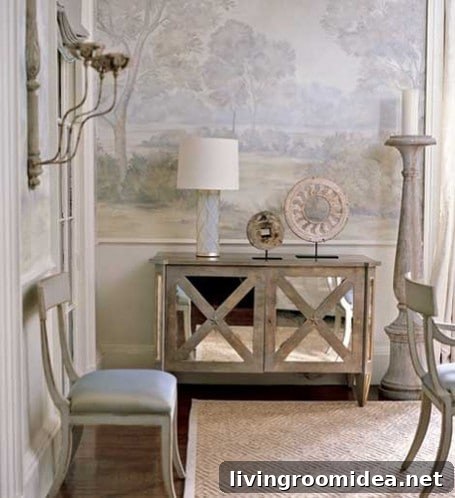
Barclay Butera
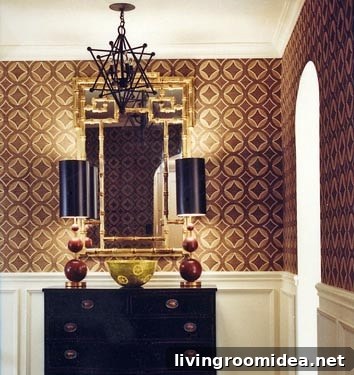
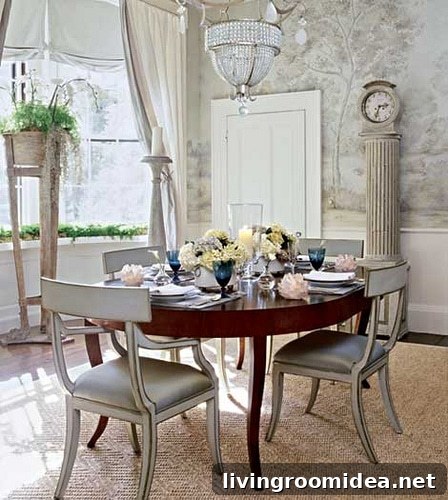
Barclay Butera (above photos)
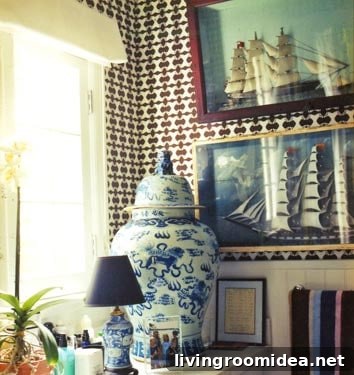
This moody entry demonstrates how wallpaper can create atmosphere and drama without needing a lot of additional décor.
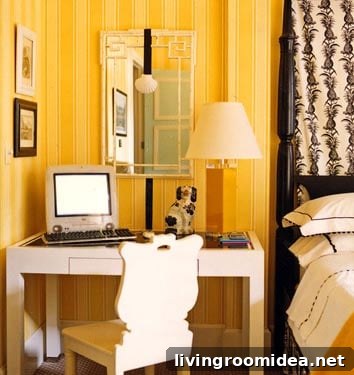
Wallpaper can transform a chilly, ordinary room into a cozy, stylish space that reflects your personality. Choose traditional prints, modern graphics, or anything that suits you—this is your home, and it should be a place you love.
Small alcoves and niches are ideal places to use wallpaper. A little pattern in the right spot adds instant charm and interest.
Closets, powder rooms, and other compact spaces are wonderful places to experiment. Wallpapering a small area gives big visual impact for a modest cost, and it allows you to feel adventurous without committing to an entire large room.
Wallpaper can also be glamorous. Murals and large-scale patterns create depth and drama, turning a flat wall into a focal point that reads like art.
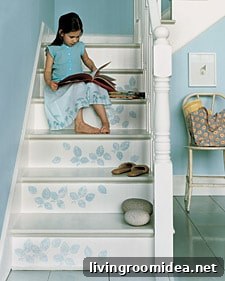
If you enjoy DIY, paint and stencils can mimic wallpaper looks without the paper. Hand-painted motifs give rooms a personal, artistic touch that no mass-produced print can replicate.
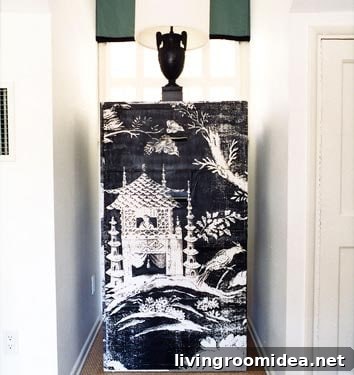
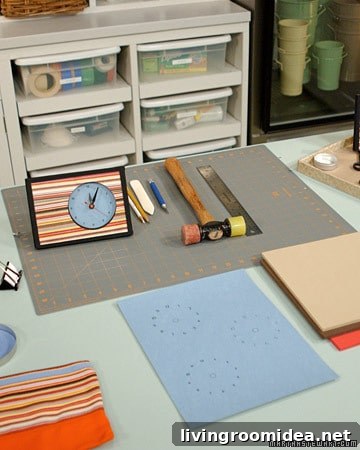
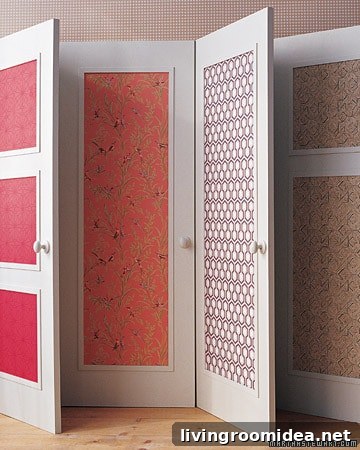
Wallpaper doesn’t have to be limited to walls. Use it to cover file cabinets, line drawers, or add texture to furniture surfaces—small applications can refresh tired pieces and bring cohesion to a room.
Cut strips of wallpaper to create custom borders, highlight architectural features, or add graphic details. Keep the patterns tasteful and timeless rather than overly themed—skip the geese and choose something more refined.
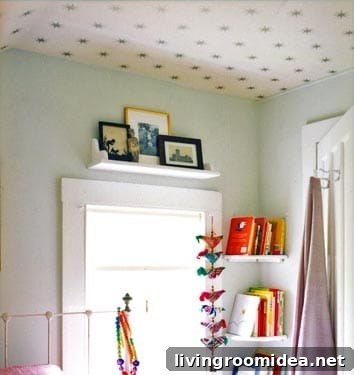
Ceilings can also be papered for a dramatic overhead detail, though the installation is more challenging. When executed well, a papered ceiling brings unexpected luxury and draws the eye upward.
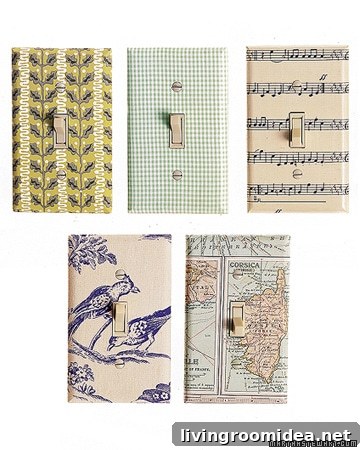
Smaller accents—switch plates, framed mats, or even stair risers—are easy places to incorporate pattern. Covering these items with wallpaper can either help them blend into the wall or make them deliberate focal points.
You can also cut wallpaper motifs to apply to stairs, doors, or other flat surfaces to add pattern without full wall coverage. This is an easy way to bring color, texture, or a focal graphic into a space.
Give wallpaper a chance.