
What makes a home truly beautiful varies from person to person. Style is personal, and each home reflects its owner’s taste. Below are six design elements that consistently help a room feel thoughtfully finished and visually appealing. They aren’t the only considerations, but they’re a strong foundation. Mix and interpret them in ways that match your own style to create a space that feels like yours.
How you combine these elements will be unique to you. The joy of decorating is making choices that reflect your personality and lifestyle.
Here are six elements I look for in any room:
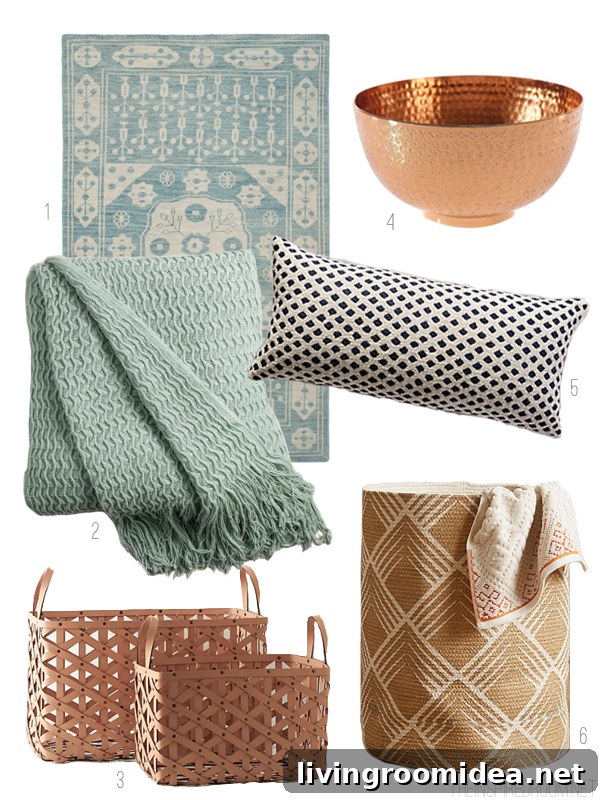
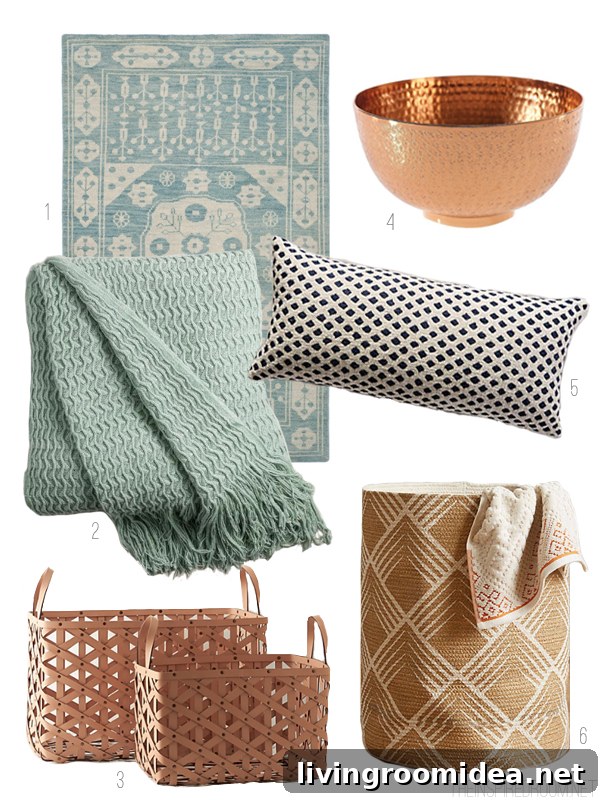
1 // 2 // 3 // 4 // 5 // 6
A mix of textures
Texture brings depth and interest to a room. Layered textiles, woven baskets, and natural wood add tactile contrast, but texture isn’t limited to rough surfaces. Incorporate soft fabrics, glossy glass, and metallic accents to balance chunky elements. A well-chosen mix—cozy throws, smooth ceramics, matte and shiny finishes—creates visual richness and a welcoming feel.
Strong doses of white
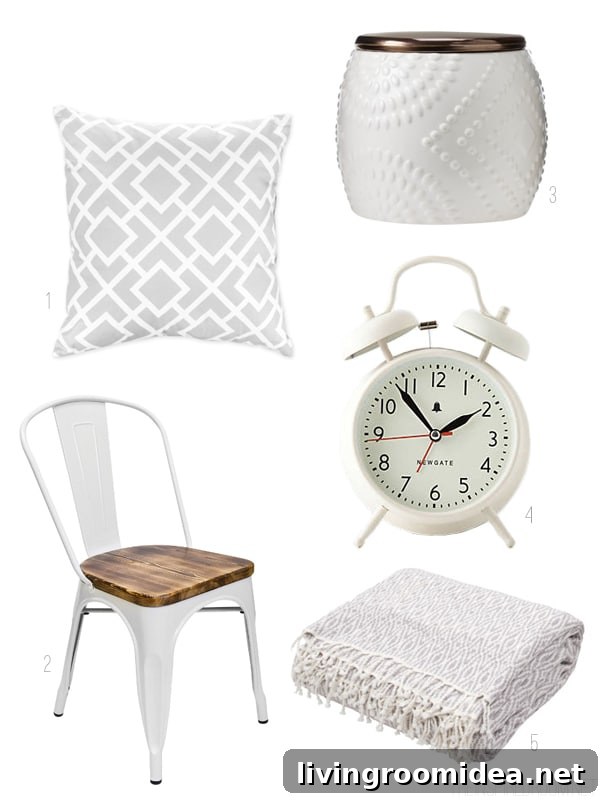
Many rooms skew heavily toward brown tones, which can make a space feel safe but muted. White is an effective counterbalance: it brightens, refreshes, and adds contrast. Use white on trim, cabinetry, curtains, pillows, or accessories to lift a palette that feels too heavy. White won’t solve every design issue, but it’s a simple way to introduce clarity and light into a room.
Different shades of colors
Even a neutral room benefits from varied tones. Mixing whites, creams, tans, grays, and black creates a layered, sophisticated look. If you prefer color, use multiple shades of your chosen hue to add complexity and cohesion. A single unexpected accent color can also enliven a neutral palette and serve as a focal point.
1 // 2 // 3 // 4
Personality
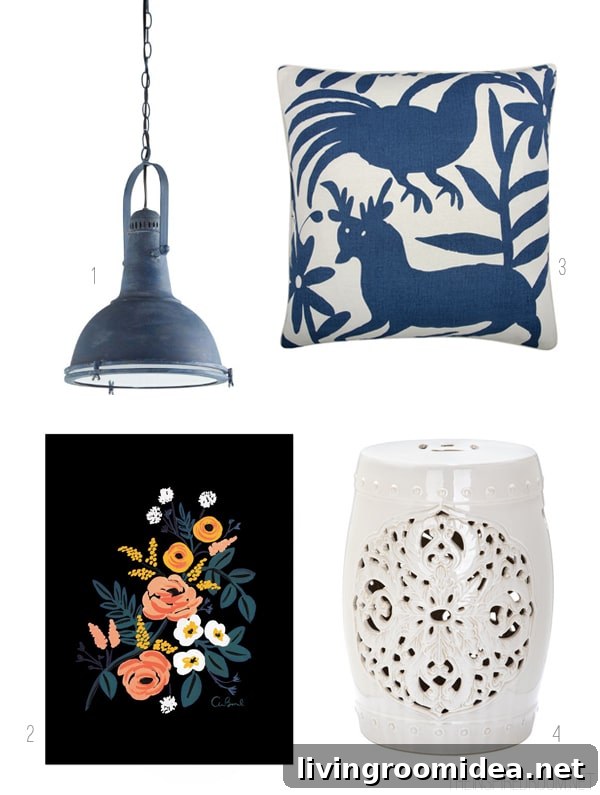
Your home should tell a story. Original artwork, distinctive lighting, family photographs, or furnishings with interesting details make a space feel personal. Even within a subdued aesthetic, choose at least one element that surprises or delights—a unique mirror, an unusual lamp, or a patterned pillow. Personal touches prevent a room from feeling generic.
Warmth
Warmth is essential for comfort. You can introduce warmth through materials—natural wood, warm metal finishes like copper or brass, cozy rugs, and soft throws—or through lighting that creates a softer glow. Even in minimalist or cool-toned rooms, small warm accents or textures will make the space feel more inviting.
Natural elements
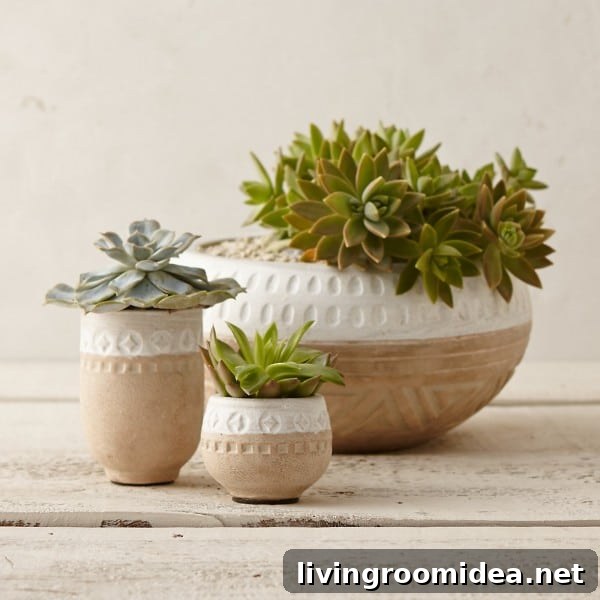
Plants, fresh flowers, and natural materials bring life to interiors. A touch of greenery or a wooden object adds organic contrast to painted surfaces and manufactured finishes. Even if your style leans toward the painted or the artistic, incorporating real natural elements helps a room feel alive and grounded.
These six elements—texture, white, varied shades, personality, warmth, and natural elements—work together to create spaces that feel intentional and comfortable. Use them as a guide and adapt them to suit your home and taste.
– – – – – – – – – – – – – –
Other Related Posts:
5 Things Every Small Bedroom Needs
10 Little Ways to Refresh Your Home
10 Tips for Styling Large Living Rooms {and other awkward spaces}