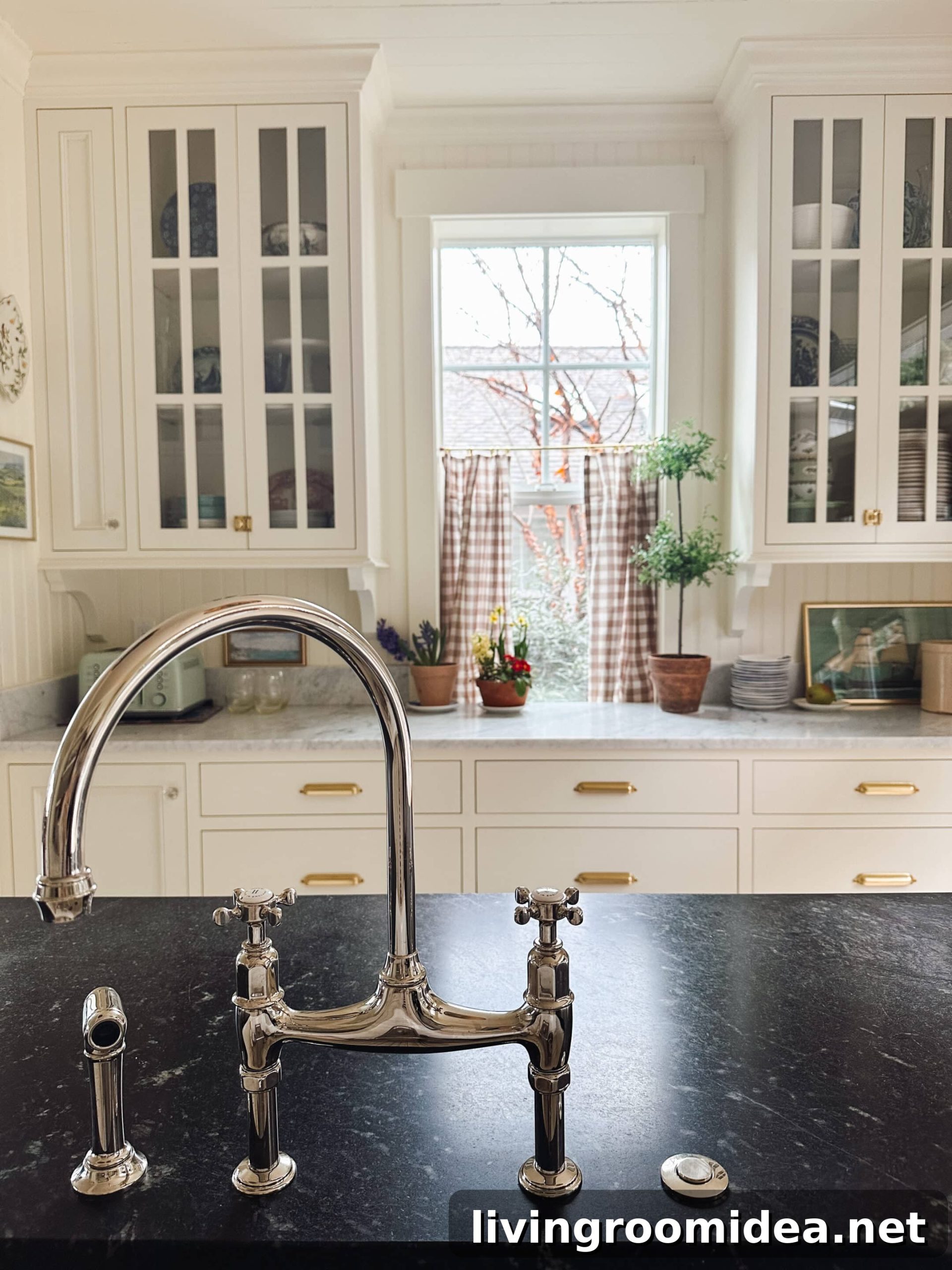
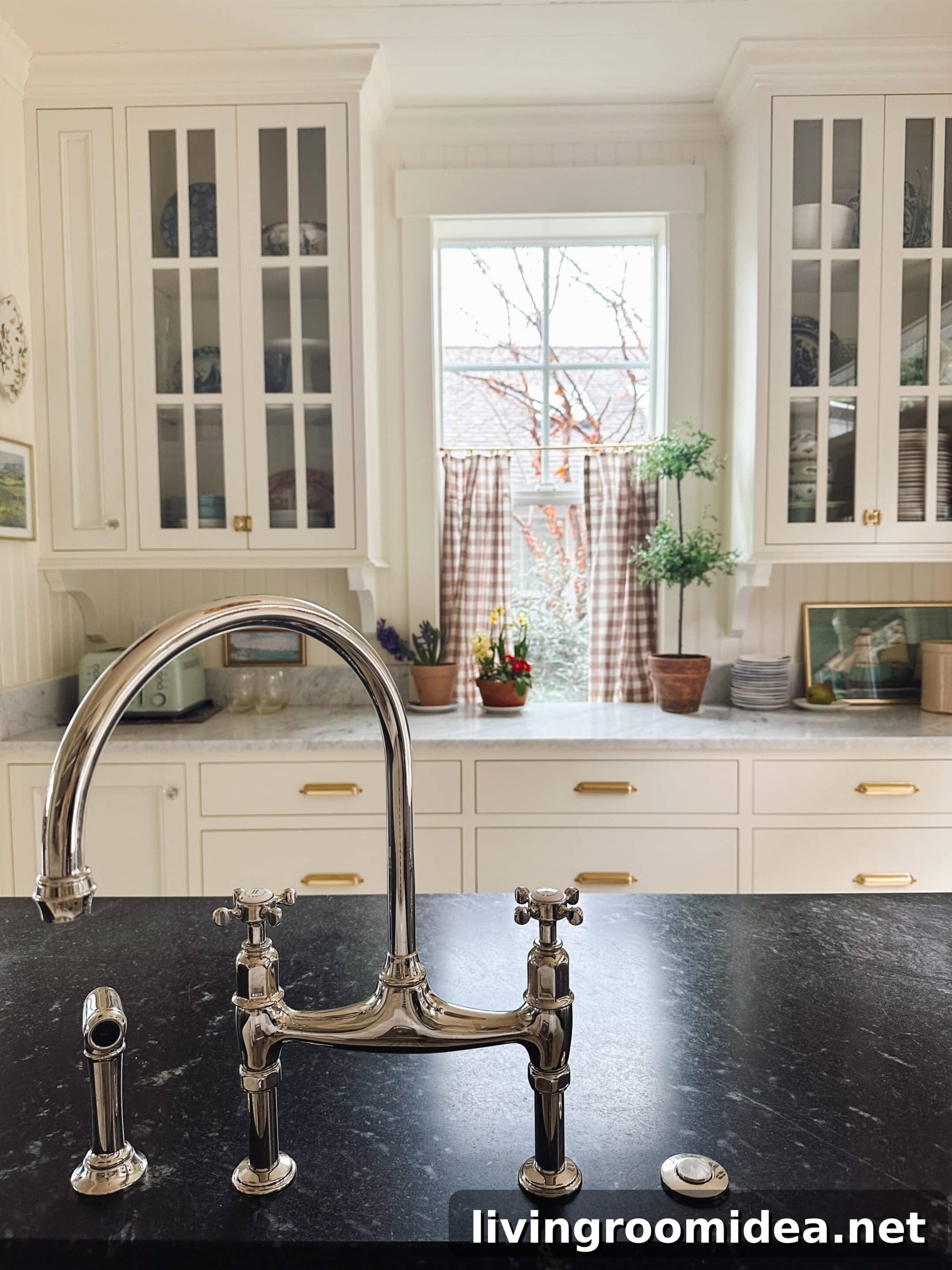
Here are four ways you can begin to design a home you love!
1. Define your design standards.
Instead of letting perfectionism, comparison, or unrealistic expectations dictate how your home looks, create design standards that fit your life. Decide what matters most to you—comfort, simplicity, color, function—and write it down. Keep your list somewhere visible, like on a mirror or in a notebook, so you can remind yourself what you’re aiming for when outside influences make you doubt your choices. Clear, personal standards make decisions easier and reduce frustration.
2. Set seasonal priorities.
If house projects and decorating choices feel overwhelming, create a plan that follows the rhythm of the year. Make a priority list for each season so you spend time and money where it matters most. A seasonal rhythm helps you focus: what needs attention now, and what can wait until a different season when it will be more useful or enjoyable.
Use a simple home notebook or planning system to track priorities, ideas, and projects. Before you buy or begin a project, consult your notebook to check whether it matches your seasonal goals and current family needs. This approach keeps you intentional and helps you invest in the rooms and updates that will serve your household best.

3. Name your authentic style.
Your style is yours alone—it doesn’t need to match a magazine label or an Instagram trend. Rather than chasing a named aesthetic, describe what feels right to you. Use the words that reflect the mood, colors, textures, and pieces that make you feel at home. This personal definition frees you from frustration caused by outside expectations.
Style shows up in the small, meaningful details that speak to your life and memories. Make up your own description and use it as a guide when choosing pieces or arranging a room. A personal style evolves naturally and becomes more satisfying than anything copied from a catalog.
4. Tell a personal and meaningful story at home.
Designing a home you love is about crafting a story that reflects who you are. Decorating can be fun and rewarding—there’s no need to make it mysterious or perfect. When you focus on creating meaning rather than following rules, the result feels honest and welcoming.
Make the process enjoyable: involve family memories, choose objects that spark joy, and let the home evolve over time. If you rush or copy someone else’s look, your space may not feel like yours. But when you invest thought and emotion into decisions, the home becomes a place that supports your life and tells your story.
Would you like to learn more about embracing your style, decorating and creating a home you love?
If you want guided help, consider starting with a simple decorating framework: identify your style words, set seasonal priorities, and use a room-by-room checklist to make decisions. These practical steps help you create rooms that are both beautiful and functional. Small, consistent choices add up to a home that feels intentional and lived-in.
Whether you’re new to decorating or experienced, a clear method can inspire fresh ideas and make the process easier.
A few practical tools to try: a seasonal home notebook to track priorities, a simple room recipe of key elements to include in each space, and quick “cheat sheets” for styling accessories and arranging furniture. These tools help you use what you already own, decide when to buy, and evolve your rooms over time without stress.
When you weave personal stories and thoughtful choices into your home, you’ll build a stronger connection to the space and enjoy it more. Small rituals—like rotating seasonal decor or keeping a project list—make the process consistent and rewarding.

Ideas to get started
Begin with one small action: define one or two design standards, set a single seasonal priority, or name one descriptive phrase for your style. From there, tackle one room or project at a time. Keep the process enjoyable and allow your home to grow with your life.