
Thank goodness we learned from our first house and this time paid a few hundred dollars for professional radon testing during the home inspection. We hired a local radon testing company to run a multi-day test to be sure dangerous radon levels weren’t present. Because the company we chose only performs testing and not remediation, there was no incentive for them to find a problem.
As it turned out, the initial readings were above 4 pCi/L, which is considered a dangerous level and generally calls for professional mitigation. Fortunately, because the testing was done during the inspection period, the sellers agreed to pay for full remediation and even ran a follow-up test to confirm the problem was resolved. That saved us thousands of dollars and a lot of stress.
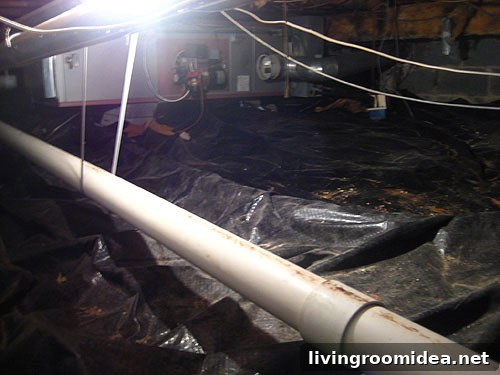
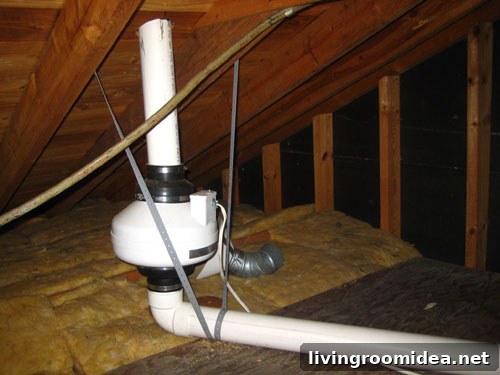
We learned the hard way with our first home. Back then we skipped professional testing during inspection and relied on a $15 DIY test after moving in. The results were shocking: dangerously high radon levels — comparable to smoking several packs of cigarettes a day. That forced us to pay out of pocket for remediation, which included installing a sub-slab depressurization system in the crawl space. The system vents radon from under the house through a pipe and out the roof, preventing it from entering the living space. It’s an involved installation, but it works. We documented that experience and the remediation process elsewhere for those who want more detail.
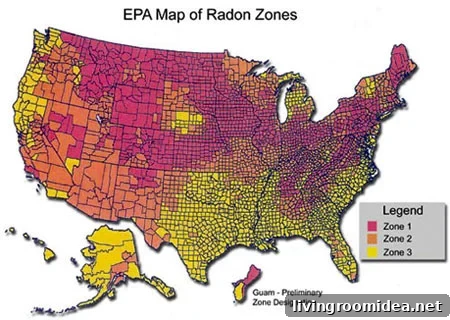
In short: testing during the inspection period is worth the modest cost. After the sellers completed mitigation on our current house, follow-up testing showed radon levels around 0.5 pCi/L — exceptionally low, even lower than typical outdoor air. For homeowners in Virginia and other areas known for elevated radon, we strongly recommend testing your home. The EPA provides maps that highlight higher-risk counties, and many hardware stores sell do-it-yourself charcoal test kits if you need a quick check after moving in.
Radon is an invisible, odorless gas that increases the risk of lung cancer, so testing and addressing elevated levels protects everyone in the household — adults, children, and pets. If you’re unsure about testing options, a qualified radon testing company can perform reliable multi-day measurements during an inspection period and help determine whether mitigation is necessary.
Have you had to deal with radon in your home? Share your experience and tips — it’s a common and solvable issue worth talking about.
Map image courtesy of the EPA.
Psst — we recently shared another nursery reveal. See that baby bedroom for more inspiration.