
Do you want practical, stylish tips on how to decorate—regardless of your taste or budget? If you’re looking for fresh ideas to refresh your home, this guide collects years of decorating advice and inspiration to help you get started.
This Decorating 101 collection brings together simple, affordable strategies and a gallery of posts to spark your creativity. Browse the inspiration gallery below and then explore the related posts for step-by-step ideas and real-life examples you can adapt to your own spaces.
After the gallery, you’ll find a curated list of practical decorating principles and techniques I use in my own home. Each entry links to a deeper post with photos, tutorials, or before-and-after projects to help you translate the ideas into your house.

[catablog_gallery id=”39368″ template=”gallery”]
Because I believe everyone deserves a lovely home, below are links to affordable, doable and practical decorating principles that I use myself.
How to decorate:
Rethink how you organize your home — rearranging storage and function can transform how a space works for you.
Create mini-destinations — arrange small vignettes around the house to give each area a clear purpose and charm.
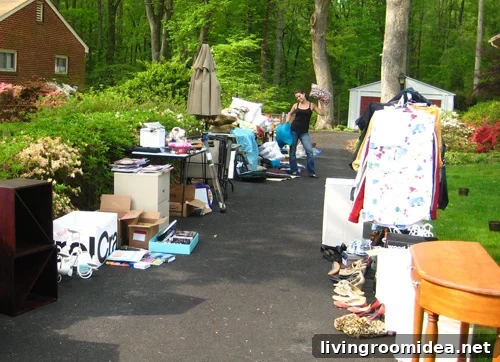
Shop thrift stores and flea markets for unique, budget-friendly pieces that add personality.
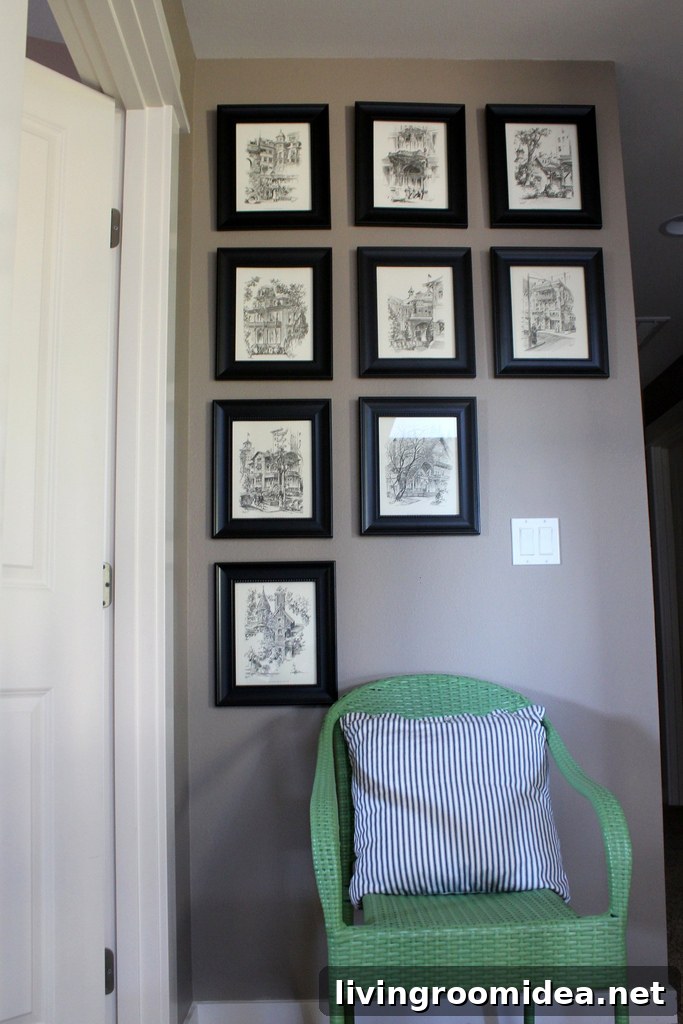
Be creative with wall decor — frame meaningful items, lean artwork, or mix mirrors and prints for interest.
Embrace happy decorating accidents — some of the best ideas come from experimenting and trusting your instincts.
Tackle simple DIY projects to personalize your space without breaking the bank.
Recreate looks you love using what you already own by adapting magazine photos and inspiration to your reality.
Weigh practical choices (for example, the pros and cons of white slipcovers) before committing.
Lean and layer artwork and mirrors for a casual, collected look.
Frame meaningful pieces such as maps, prints or ephemera to personalize your walls.
Refresh rooms with paint — an affordable way to make a dramatic change.
Use DIY wallpaper techniques like heavy paper or gift wrap for a custom look without the expense.
Organize so rooms are attractive and functional—good organization supports good design.
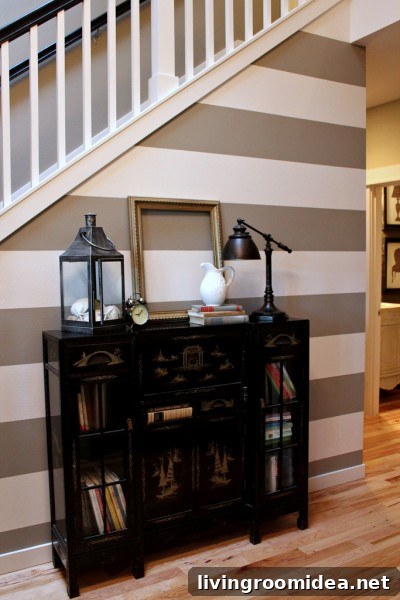
Don’t be afraid to paint furniture you already own to give it new life.
Customize inexpensive fabric to create beautiful curtains or upholstery on a budget.
Add painted stripes or other simple wall treatments to add character.
Create an inspiration board to clarify your style direction before making changes.
Use what you love and ignore fleeting trends — your home should reflect your tastes.
Distress or refinish pieces to give them character and a vintage feel.
Make a progress report or mood collage when you feel your style is drifting—it helps refocus decisions.
Make over rooms creatively on a budget by mixing paint, hardware updates, and smart styling.
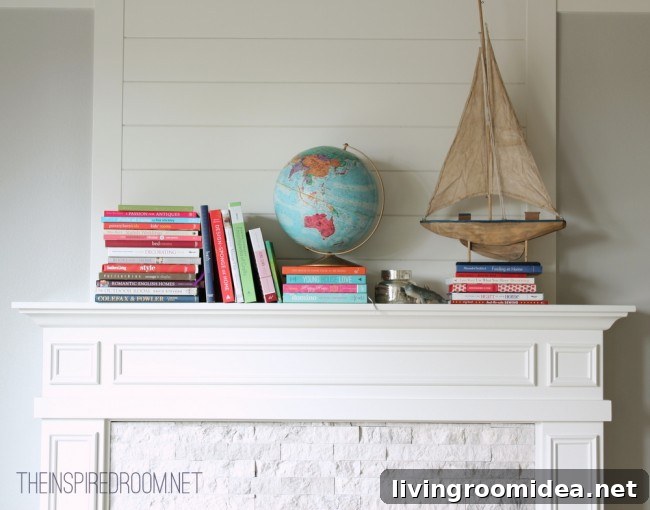
Display items that make you happy—collections and personal objects give rooms warmth.
Surround yourself with things you love rather than striving for perfection.
Keep tweaking—a home evolves, and small adjustments keep it feeling fresh.
Add architectural details where you can to give rooms charm and structure.
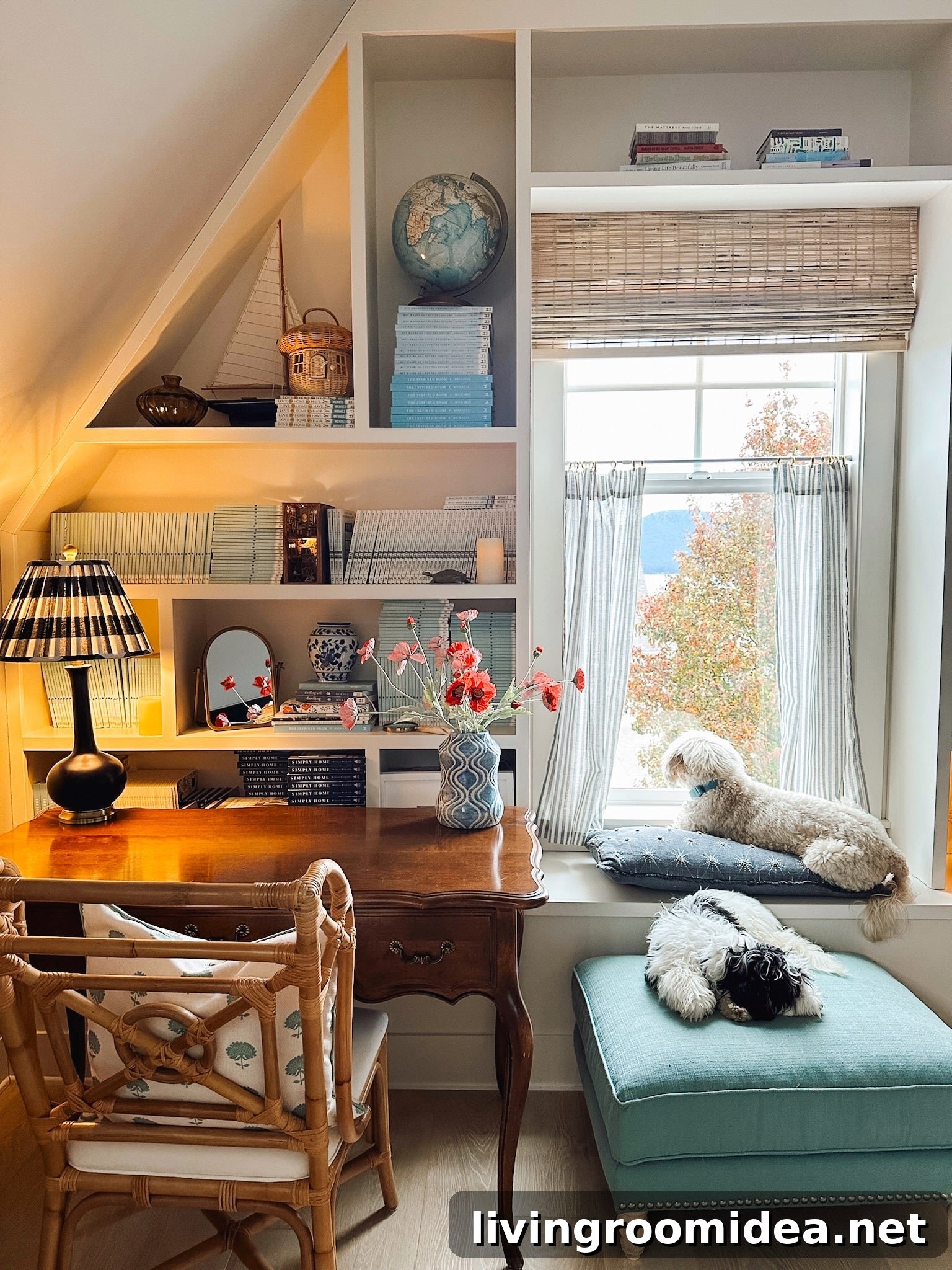
Use open shelving to display useful items attractively.
Rearrange furniture to improve flow and functionality without spending money.
Incorporate natural materials to add warmth and seasonal character.
Layer seasonal touches to keep your home feeling relevant and cozy throughout the year.
Add whimsy in small ways for a playful, personal touch.
Balance neutrals with pops of color for a polished, lived-in look.
Reuse and recycle classic decor items and fabrics to stretch your budget and create continuity.
Solve design problems creatively—sometimes a simple concealment or reframe changes everything.
Conceal what you don’t love with clever solutions like covers, panels, or custom-built elements.
Establish purpose and a focal point for each room to guide layout and styling decisions.
Know when something is good enough—perfection can stall progress, so accept workable solutions when appropriate.
Upcycle thrifted finds with paint—spray paint and simple finishes can make secondhand pieces feel new.
Make DIY art from book pages and simple materials to create custom, inexpensive decor.
Use an element of surprise—unexpected color, pattern or accessory can delight guests and residents alike.
Make your home feel like you by combining the tastes and treasures that represent your family.
Study favorite stores like Anthropologie for inspirational styling cues you can adapt.
Use catalogs for styling ideas—Pottery Barn and similar brands can offer useful table and shelf layouts to emulate affordably.
Prioritize useful, practical accessories that look good and serve a purpose in daily life.
Enjoy!
{I’m sharing this post with Tip Junkie}