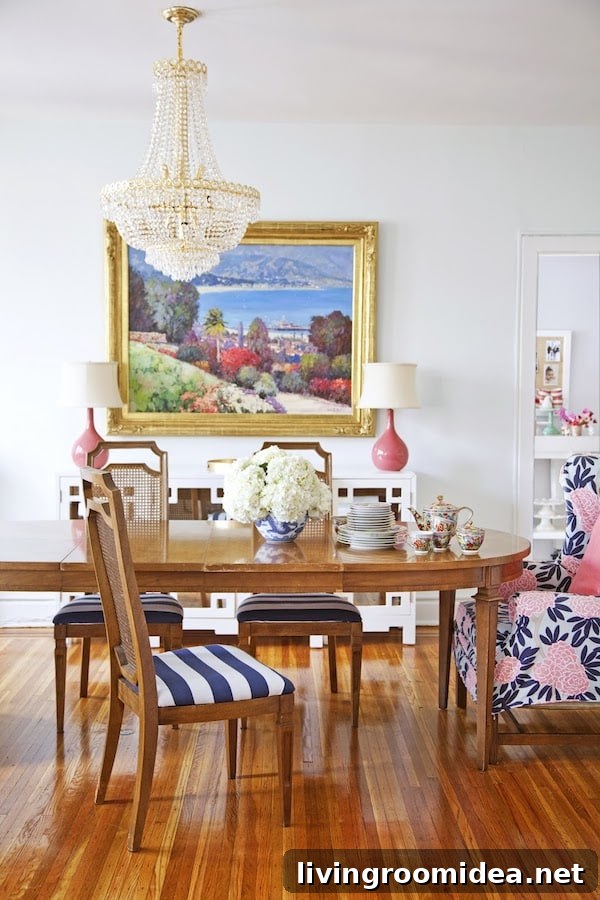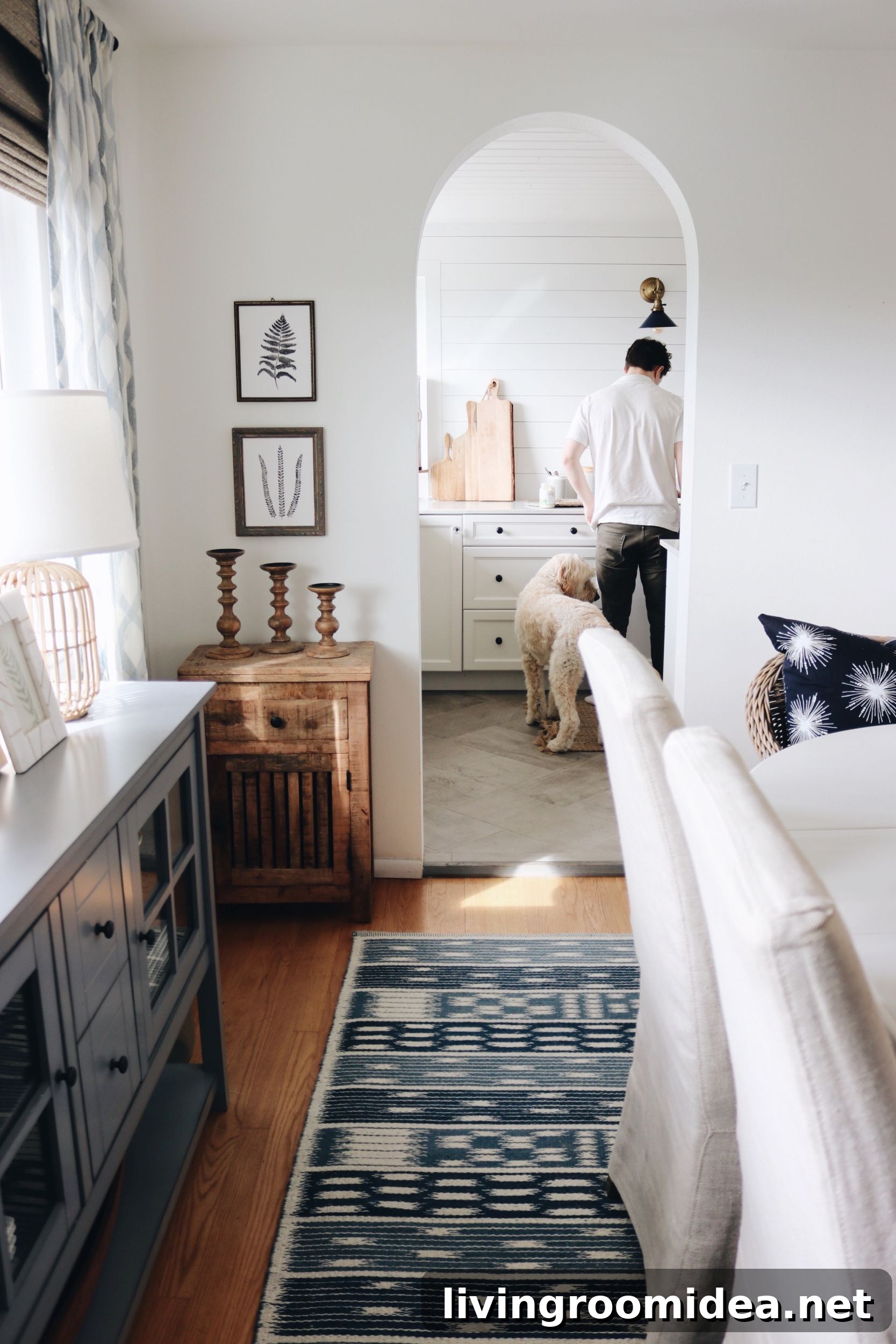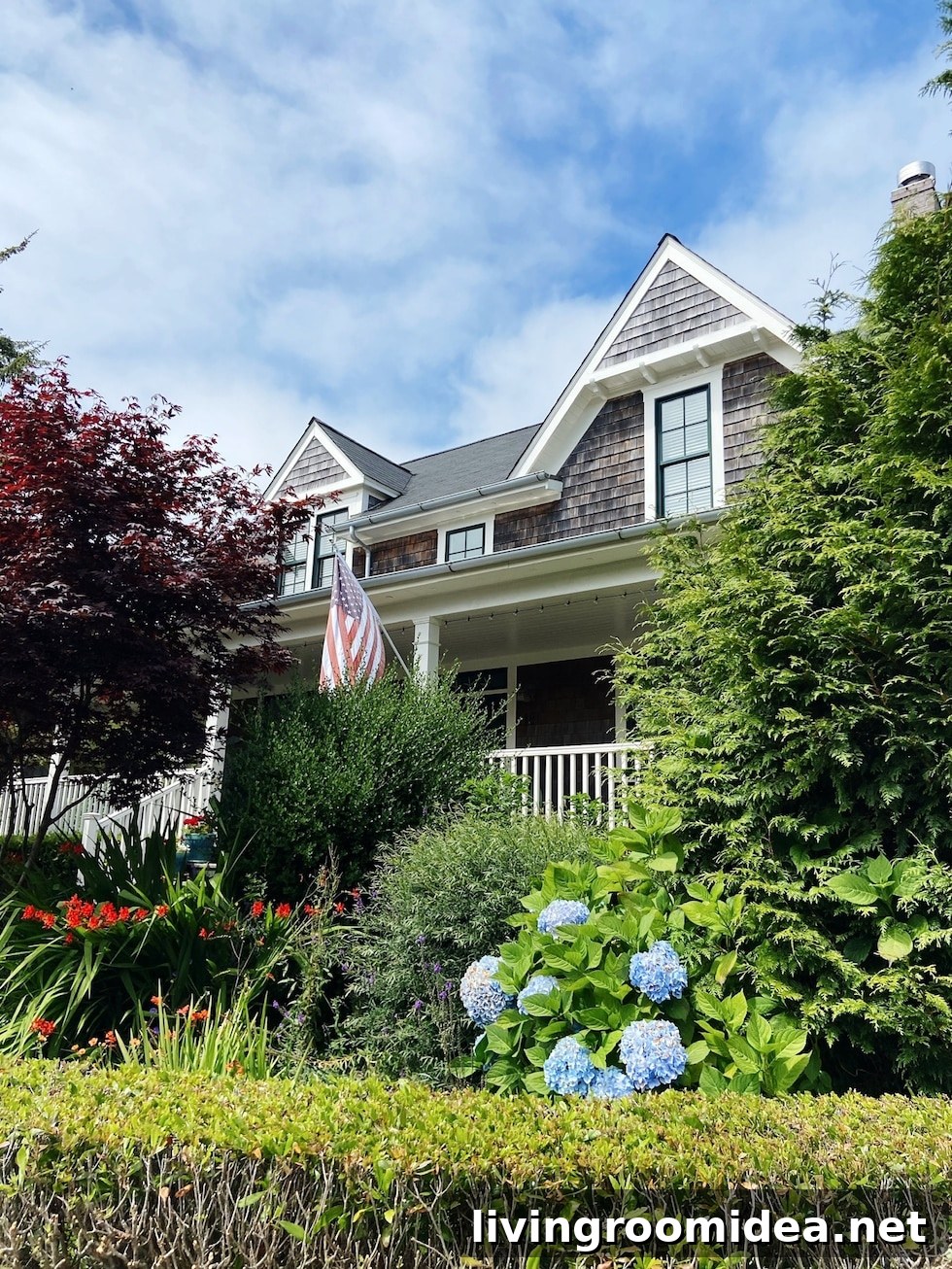

Do you ever feel unsure where to begin when designing a room? I’m here to help. If you want to refresh a room or decorate your home, these first four steps are the ones I use to get started. I believe a home should feel meaningful and reflect the people who live there. Instead of following every trend or a one-size-fits-all formula, I focus on what feels classic, personal, and practical for our family. Keeping decisions simple helps create a home you love without spending a fortune.
Below are the steps I follow to organize my thoughts, clarify needs, and define style so I can move forward with a plan. I hope these suggestions inspire you as you begin your own design journey.
1. Assess the Space
Start by examining the room you have. It’s tempting to begin by browsing other people’s homes for ideas, but making choices based on others’ spaces can lead you away from what truly works for your home. When I focus on my own room first, I make more meaningful progress and end up with results that feel right.
Ask yourself practical questions: What do I like about this room? What don’t I like? Do I like the colors, furniture, or layout? How does the room feel to be in? Note the mood—does it invite you to linger or push you out? Identify architectural features and limitations to work with. Are there cluttered areas or corners that feel uninspiring? What is the room’s primary purpose? Jot down observations in a notebook if that helps. You don’t need solutions yet—this step is about honest observation so you can move forward with confidence.
2. Gather Inspiration
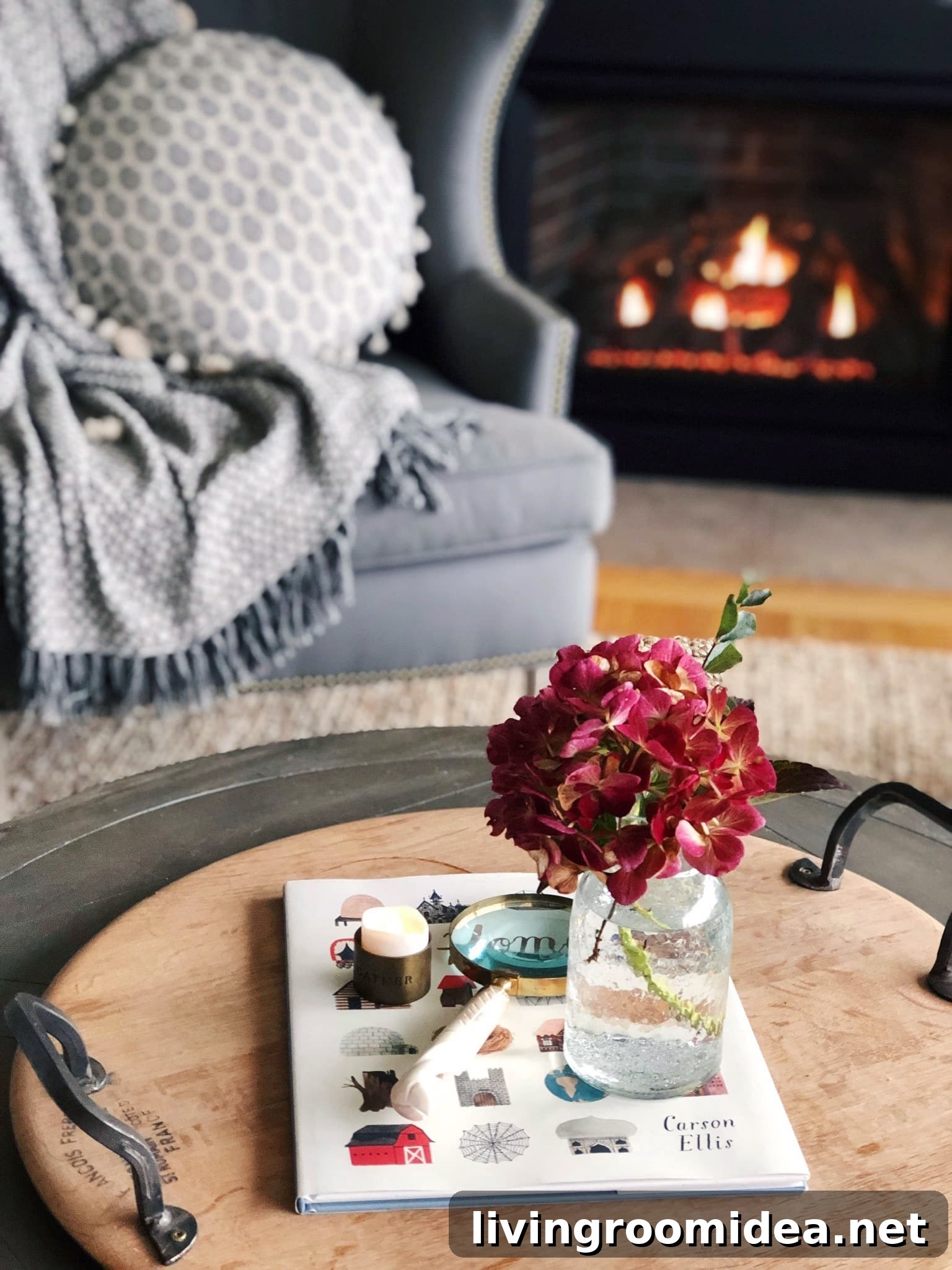
Next, collect anything that inspires you. At this stage I don’t worry about cost or practicality—I’m simply saving images, rooms, colors, or pieces that catch my eye. If a photo, artwork, or furniture piece speaks to me, I keep it. Use sticky notes in books, or save images to a board or folder online. The goal is to build a visual library of things that resonate, not to pick exact items to buy yet.
3. Observe and Find Takeaway Tips
Now review your saved inspiration and look for why each image appealed to you. If a photo doesn’t immediately reveal its attraction, analyze it for elements you can translate into your own home. For example, a glossy white kitchen photo might inspire you because of its bright palette and pops of color on open shelves. The practical takeaway could be adding colorful accessories to your existing shelves or painting cabinets white to create a similar feel. Turning visual inspiration into specific, achievable takeaways prevents overthinking and costly mistakes.
4. Look for Patterns
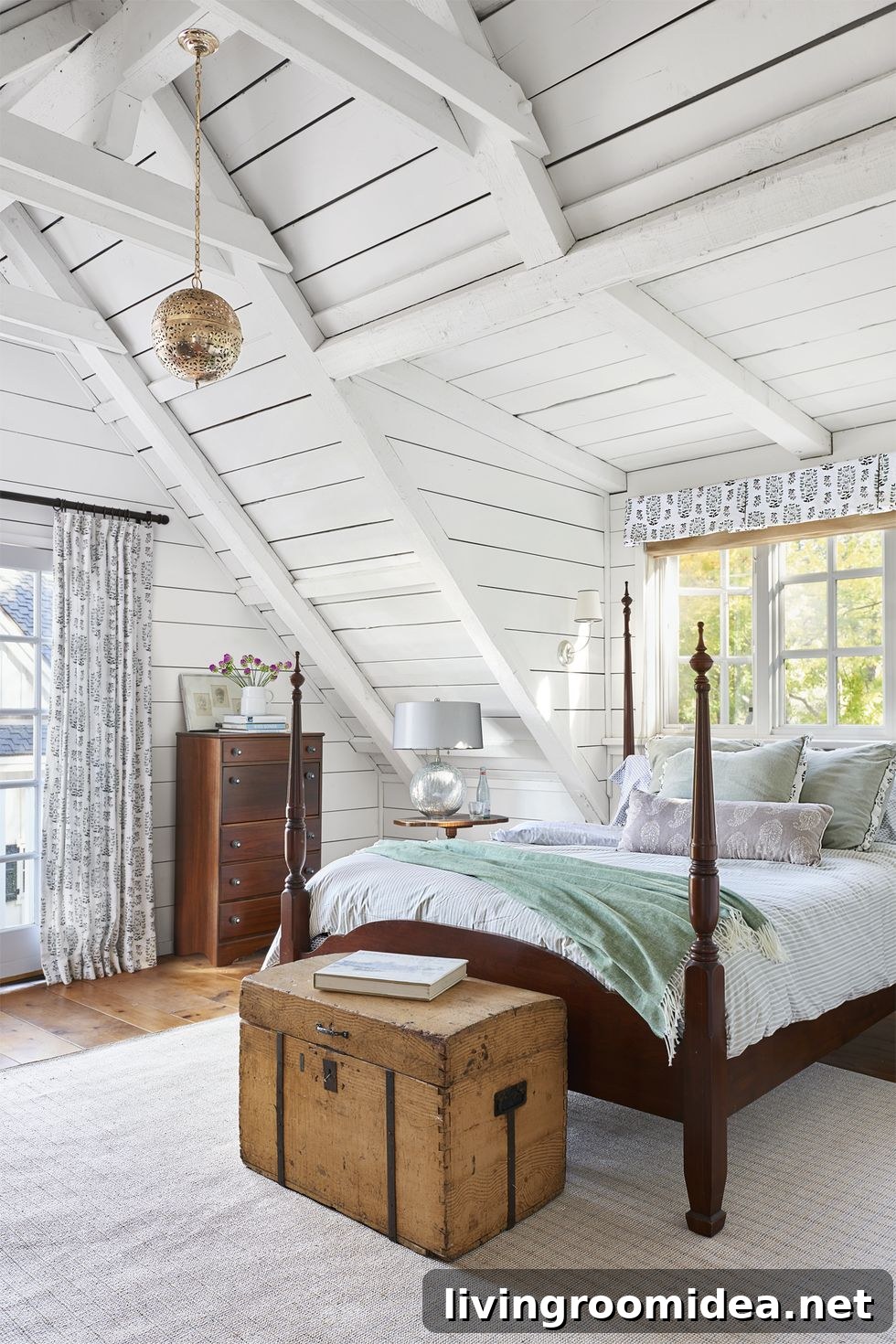
After you’ve identified takeaways, look for recurring patterns across your saved images. These patterns might be literal, like repeated fabric motifs, but more often they are about color palettes, furniture silhouettes, or room atmosphere. Do you favor moody walls, vintage wood, or streamlined built-ins? Recognizing patterns helps you clarify the elements you truly want to use.
Be honest about whether some patterns come from current trends rather than your personal preferences. It’s fine to admire a style in photos without choosing it for your home. This reflection helps you select a direction that will feel timeless and authentic to your household.
Once I complete these four steps, I feel much more prepared to make specific design plans and decisions for the space.
In a future post I’ll share some of the inspiration photos I’ve gathered while planning my kitchen remodel, as well as updates on my bedroom plans for a seasonal refresh.
More inspiration on The Inspired Room:
How to Find Your Style (+ My Favorite Home Design Books) – VIDEO
How to Get Inspired and Find Your Decor Style
How to Decorate with Inspiration Rooms (Takeaway Tips)
More Takeaway Tips Posts

For more guidance, you can explore books that cover decor strategies and practical advice on arranging rooms and choosing furnishings. Also consider browsing room-by-room resources and curated Instagram feeds that share timeless style and accessible decorating ideas.