
Please welcome The Inspired Room’s guest blogger here today to share practical tips on home office organization:
WELCOME Brandie Kajino, “The Home Office Organizer”!
March 11 is “Organize Your Home Office Day,” and tax season reminds many of us just how quickly paper piles up. Despite the rise of computers, paper use has grown — and with millions of Americans working from home, plus those who manage family business or creative projects at home, many households need a better system for managing documents, mail and office supplies.
If you want a home office where you can find what you need in five minutes or less, or if paper clutter is driving you nuts, these straightforward tips will help you regain control. The ideas below are practical, quick to implement, and aimed at reducing the daily accumulation of paper and tasks.
1. Sort the mail every day
Sorting mail doesn’t have to be a chore. Spend about a minute each day deciding how long each piece will take to handle and which category it belongs in. Use two baskets, labeled folders or large envelopes and quickly process incoming items so they don’t pile up.
2. “To Do”
Create a “To Do” category for anything that will take more than two minutes to complete: paying bills, returning calls, filling out forms, or drafting a response. If you need information from the item to take action, put it in this pile so it’s easy to find when you have time to work on tasks.
3. “To Read”
Use a “To Read” folder for materials that require more than two minutes to review: magazines, brochures, event information, and long emails. Keep this pile separate so reading items don’t get mixed with actionable tasks.
4. Recycle, reduce, reuse
Be honest about what you really need. Coupons for services you never use, low-quality promotional items, and duplicate flyers can go straight into recycling. Controlling the paper that enters your home prevents it from accumulating in corners and creating stress.
Bonus reuse idea: Old newspapers make an excellent garden weed barrier. Modern newspapers use soy-based inks and won’t harm plants; layering four or five sheets can be more effective than some commercial landscape papers.
5. Useful resources to get started
Picking systems and tools that match how you work makes organizing easier and more sustainable. Below are a few recommended resources to explore and adapt to your needs.
Brain type quiz: If you want insight into organizing methods that suit your personality, try a brain-type quiz to learn what systems will likely work best for you.
Books:
“Organizing for Your Brain Type” by Lanna Nakone
“Zen to Done” by Leo Babauta
“Guide to Organizing Your Office” by Ariane Benefit
“101 Tips for Your Home Office” e-book by Brandie Kajino
Website articles and blogs: Look for home office and productivity sections on popular productivity blogs and sites to find tips, product suggestions and real-world ideas you can adapt.
Teleclasses: Live or recorded teleclasses can provide step-by-step guidance and accountability if you prefer structured learning and opportunities to ask questions.
Other related articles on The Inspired Room cover order, style and the realities of managing a home office and may provide inspiration and practical advice for making your workspace both efficient and inviting.
This post originally highlighted steps to start organizing your home office and was referenced in broader media coverage. If you have favorite resources, tools, or questions, please share them in the comments — discussing what works for others often sparks helpful ideas. Best of luck as you simplify and organize your home office!
About the author
Brandie Kajino, The Home Office Organizer, is a speaker, author and professional organizer who helps home-based professionals create functional, productive workspaces. Her services, resources and articles focus on practical solutions to simplify home office life.
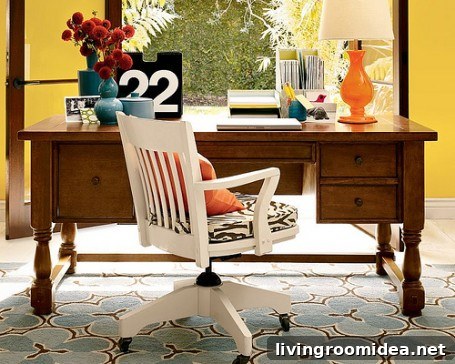
(Photo from PotteryBarn.com)