
Today many of us are looking for practical ways to save money and reduce waste. Making thoughtful choices about what we consume helps both our budgets and the environment.
I’m not claiming to be an expert in green living, but simple, common-sense changes at home are a great place to begin. By using less, rethinking what we already have, and finding creative ways to extend the life of items, we can all be better stewards of resources while keeping costs down.
To encourage sharing ideas, SunChips sponsored a $100 giveaway for one reader of The Inspired Room who shared their green living tips. Check out a few of my suggestions below, then add your own tip in the comments. One commenter was chosen to win $100! {GIVEAWAY NOW CLOSED}
Practical frugal and eco-friendly tips
- Visit a local rebuilding or salvage center to find reusable materials for remodeling: light fixtures, sinks, cabinets, tubs and more. Many older fixtures can be refinished to look like new, saving money and cutting waste.
- Instead of replacing entire kitchen cabinets, consider painting existing cabinet boxes and installing new doors and drawers. This approach refreshes the room for far less than a full replacement.
- Refinish or repurpose furniture you already own or buy secondhand pieces to update with paint, new hardware, or slipcovers rather than buying new.
- Use natural elements—fruit, branches, moss, bamboo, or preserved nests—for seasonal or everyday decorating. They create a fresh look without the cost of new decor.
- Share and find items through Freecycle, Craigslist, or local thrift stores. Donating usable items when you move or remodel gives others a chance to reuse them and keeps things out of the landfill.
- Consider downsizing or rethinking your living space to make better use of what you have, reduce energy use, and lower expenses. A “not so big house” can be a practical, efficient choice.
- Harvest rainwater with barrels or decorative rain chains instead of routing all runoff into drains. Collected rainwater can be used for watering plants, washing outdoor gear, or even laundry in some systems. Using rainwater reduces potable water demand and can save money on irrigation.
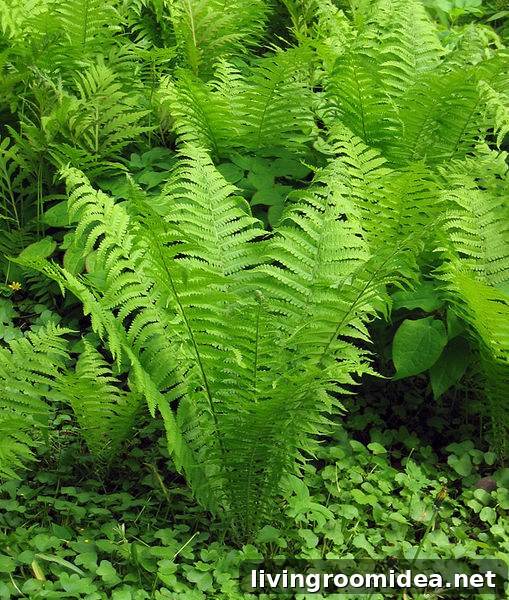
- Plant hardy native species in your garden to lower water and maintenance needs. In many climates, choosing local plants like mosses, ferns, and native shrubs leads to healthier landscapes with less input.
- Start a home compost pile. Composting kitchen scraps and yard waste reduces household waste, enriches garden soil, and closes the loop on organic materials.
- Pay attention to product packaging. Some brands are moving toward compostable or renewable-material packaging. Small shifts like choosing products with sustainable packaging add up over time.

What small green steps have you taken at home?
Share a tip for greener living and you would have been entered to win $100 during the giveaway period.
PS. Friends and neighbors often run giveaways and share resources—after leaving a tip here, check other community blogs and local groups for more ideas and opportunities to participate.
NOTE: The $100 giveaway contest is now closed. Contest ended April 18 at 9 PM PST.