
One of the biggest challenges for parents of young children is keeping all their belongings organized. Toys, Legos, clothes, stuffed animals and schoolwork seem to be everywhere. For such small people, kids sure accumulate a lot.
I already struggled to stay organized myself, and then we had three kids. Teaching them to care for their things felt impossible when I couldn’t keep up. I didn’t want to be the perpetually grouchy parent shouting, “CLEAN YOUR ROOM!” So I looked for solutions that would reduce stress, help the kids manage their belongings, and create calmer family routines.
What helped was a straightforward system I used successfully for years: dividing the home into three functional zones for the children’s activities. Once we adopted zone-based organization, managing toys and daily items became much easier. The kids learned what belongs where, and I was far less stressed.
Here’s how the three-zone approach works and why it made life simpler:
- Play zone: A dedicated area for toys, games and creative play. Keep frequently used toys in open bins or low shelves so children can reach and return items independently. Rotate toys periodically to keep interest high and reduce clutter.
- Sleep/relax zone: The bed and cozy corner where pajamas, bedtime books and sleep items belong. Use baskets or small shelves for nightly routines so bedtime goes smoothly and fewer things migrate into the rest of the room.
- Work/learning zone: A place for homework, craft time and school supplies. A small desk, labeled containers for supplies, and a system for papers and completed assignments help kids focus and keep important items from getting lost.
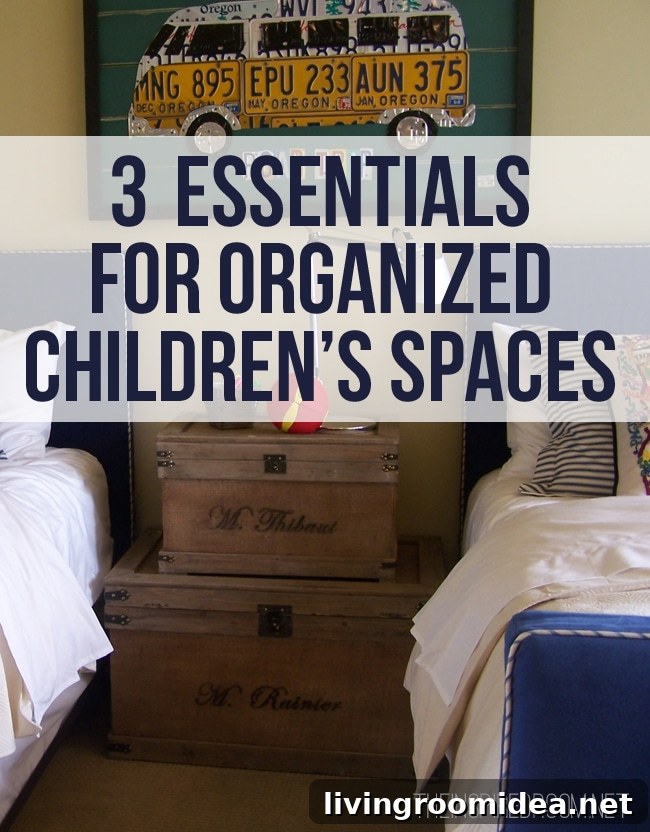
Labeling storage, using clear bins or open baskets, and keeping storage at child-friendly heights empowers kids to put things away themselves. Simple daily routines — a quick five-minute tidy before dinner, or a “bedtime clean-up” — reinforce habits and prevent mess from building up.
Breaking a room into zones also helps parents set clear expectations. When a child knows that all stuffed animals live in the sleep zone and puzzles live in the play zone, it’s easier to ask them to tidy without constant reminders. Over time, these small habits become part of their routine.
Want more tips and real-life examples?
Read my full post on organizing kids’ rooms at The Decluttered Home for practical ideas and photos.
I’d love for you to stop by, see the suggestions, and share what works for your family.
On a personal note, my husband and I just returned from a short getaway to Leavenworth, WA — part of my goal to focus more on fun and less on stress this year. I’m easing back into routines after the trip and catching up on tasks. I also help with MOPS on Thursdays, which keeps me busy but connected to other parents.
Stay tuned: my kitchen reveal is scheduled for Tuesday, April 2nd — I’m excited to share the finished project!