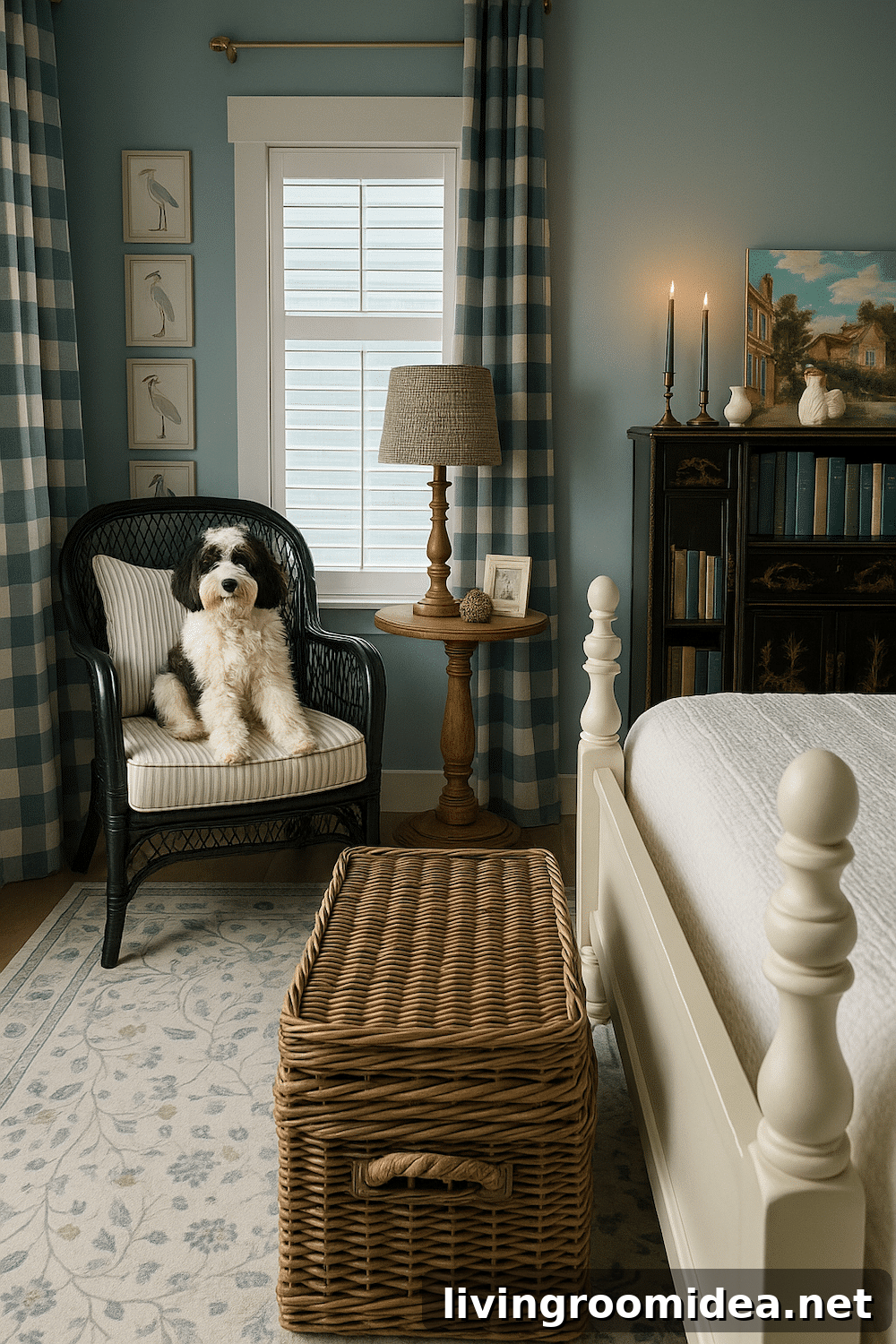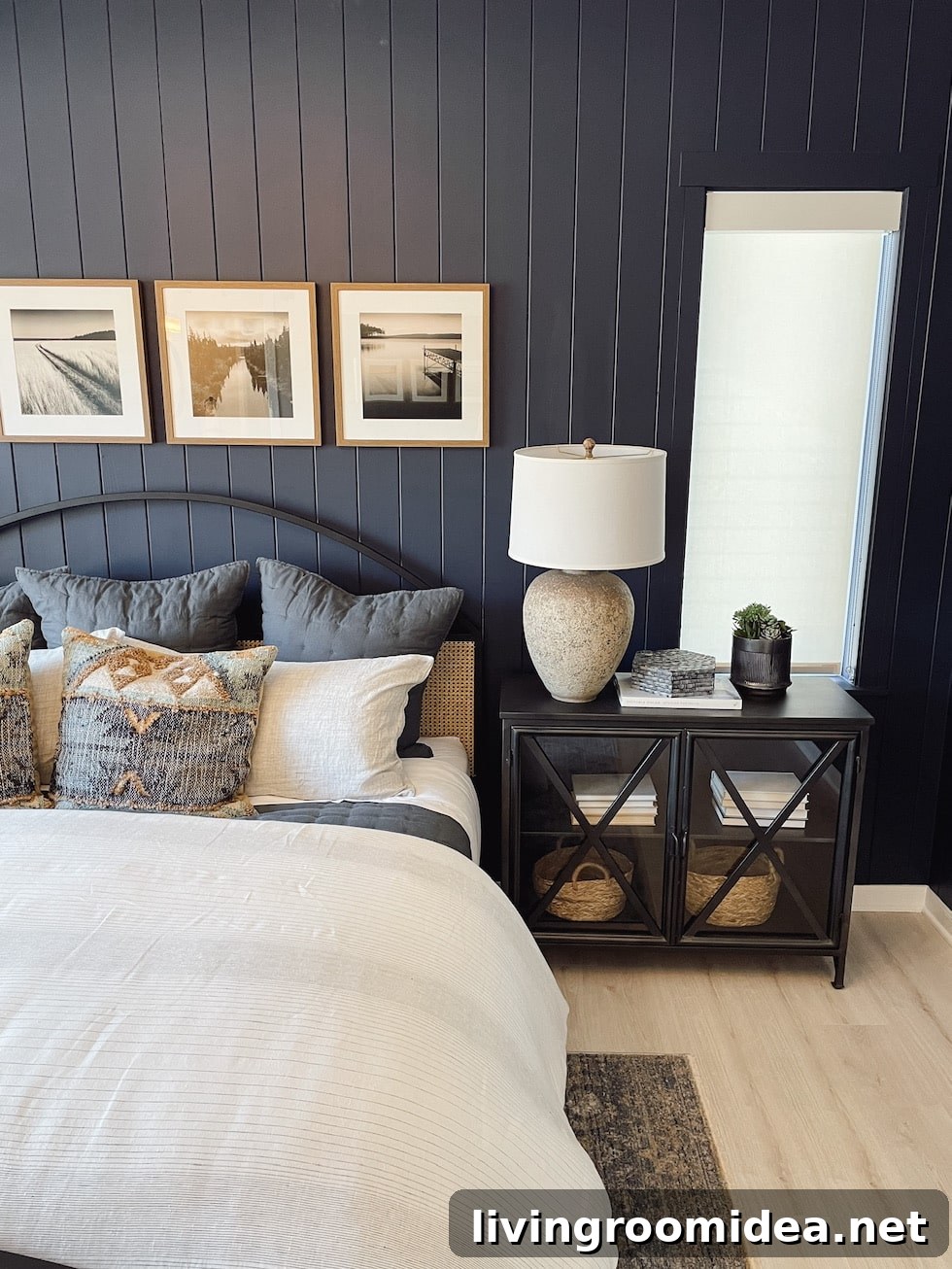

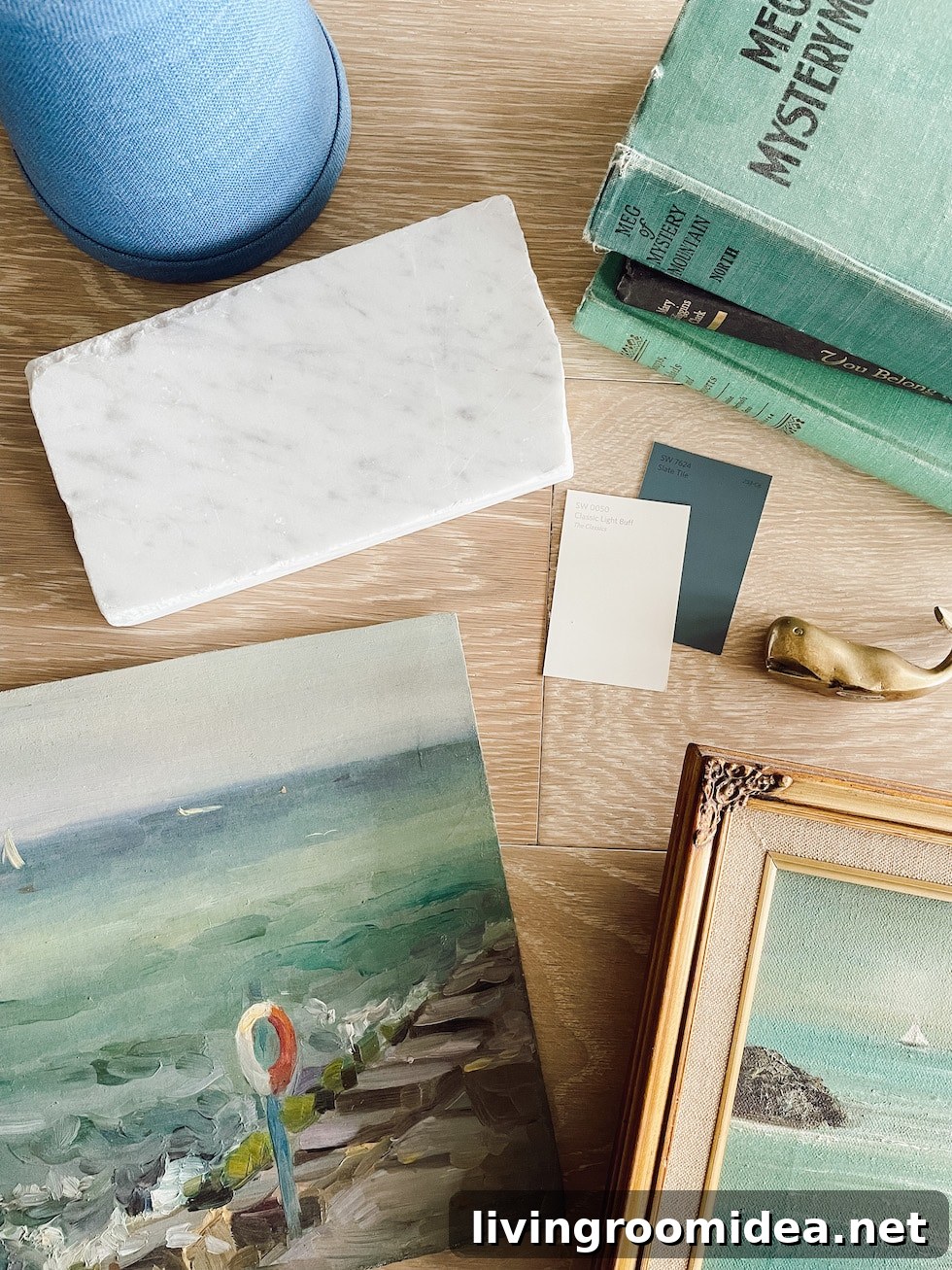
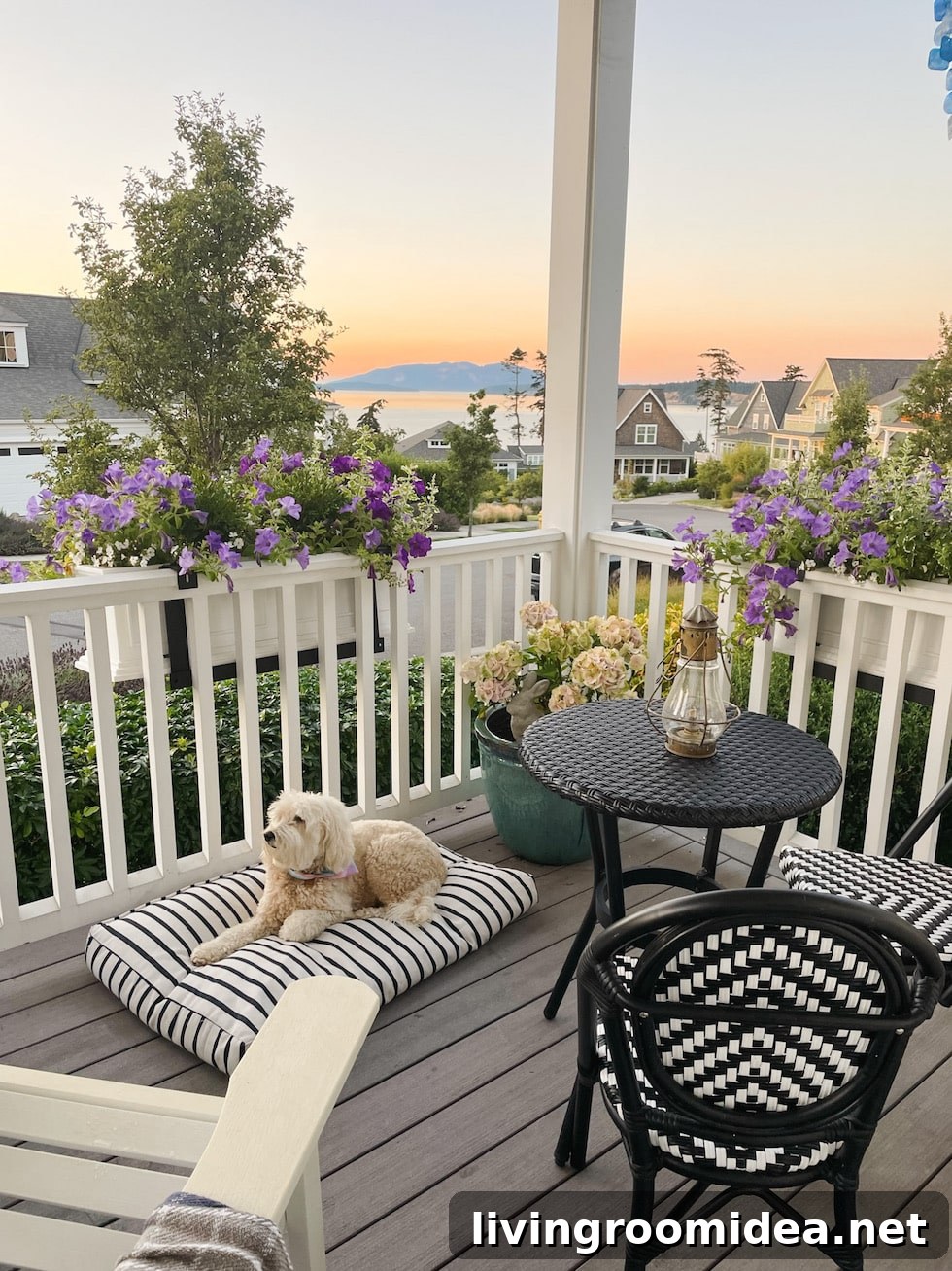
I’m excited to share our kitchen design mood board and offer five guiding questions to help you design your own kitchen. Every element we selected was chosen to create the mood that feels right for our home. Work begins soon, and our kitchen is finally becoming real.
Designing a kitchen—whether you’re doing it yourself or working with a designer—can be challenging. When you care about the outcome and appreciate many design directions, it’s easy to overthink. I’m an over-thinker with major projects like this, but that careful consideration has given me the confidence to move forward.
Below are a few thoughts that helped me make decisions and arrive at the design we’ll soon see come to life.
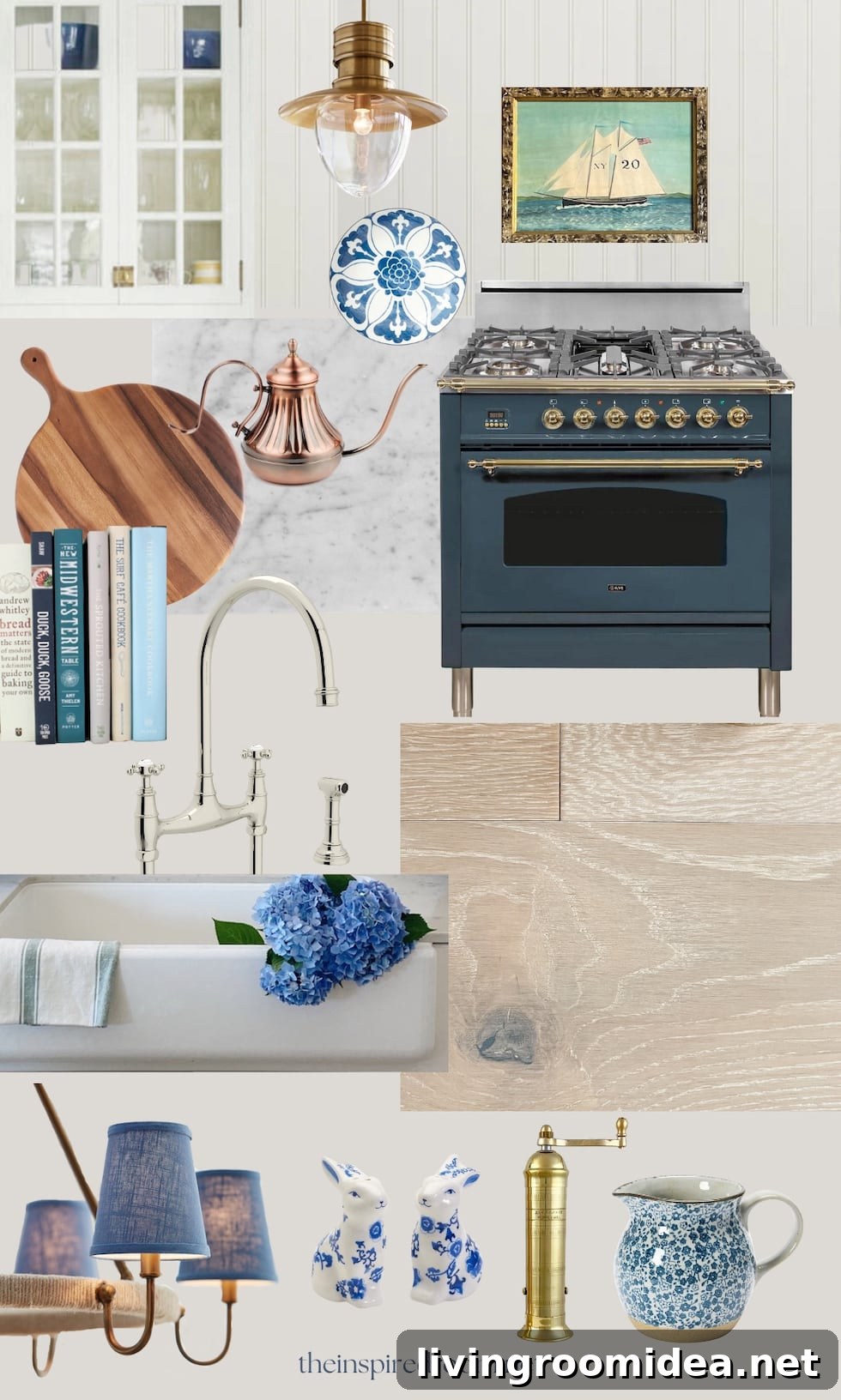
1. Consider your home’s surroundings and location.
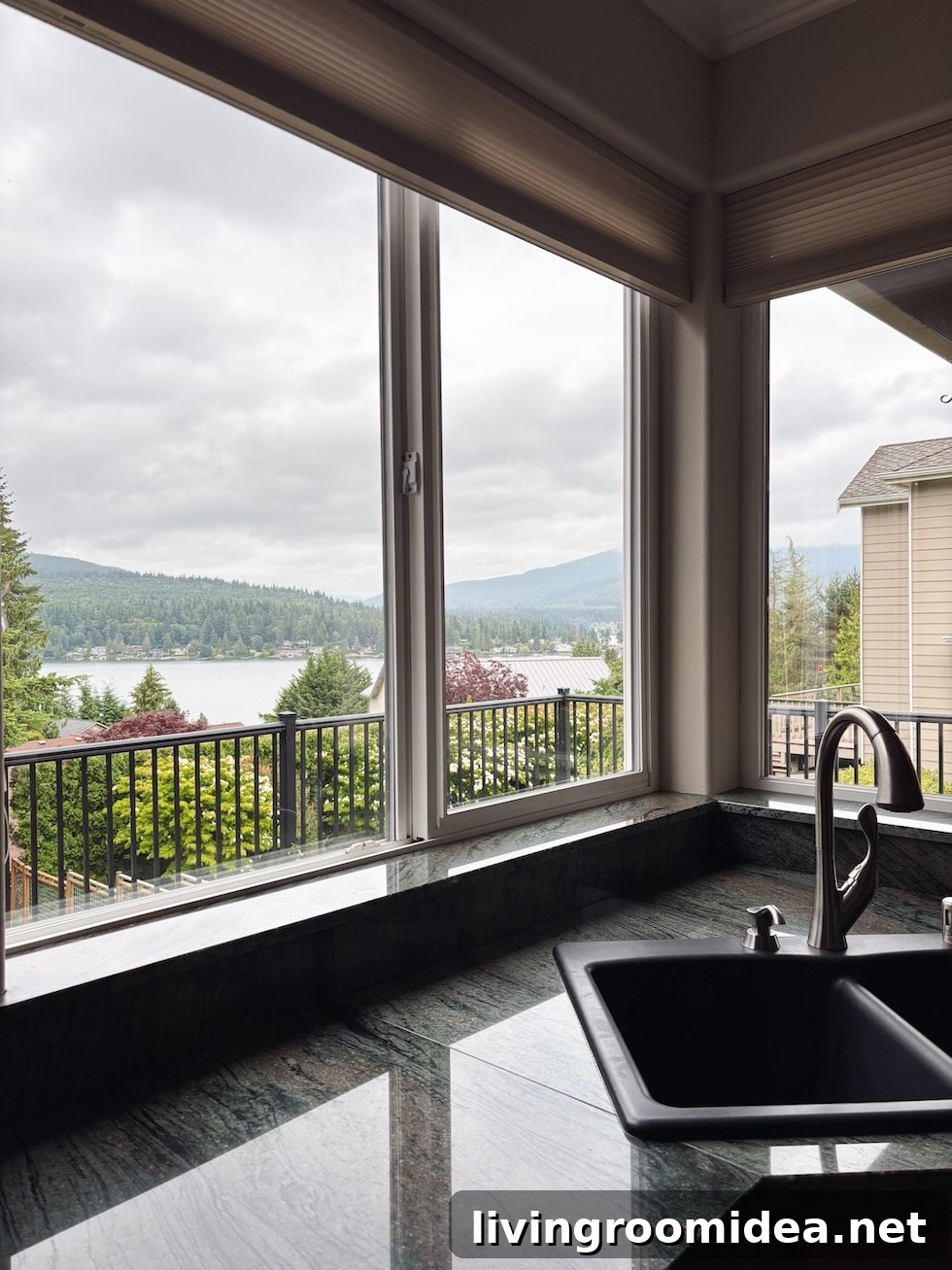
Our house is a coastal home: we can see the water from our windows and the beach is minutes away. We live on an island off the Washington coast, surrounded by evergreen forests and the Salish Sea.
Does living on the coast mean you must choose a coastal kitchen? No. Location doesn’t limit your style. For us, connecting the interior to the landscape creates a peaceful, cohesive feel. That connection can come from color choices, materials, or the way light influences the space.
Can you create coastal-inspired rooms if you don’t live near water? Absolutely. You can incorporate coastal influences wherever you live by choosing colors, textures, and accessories that evoke that mood.
2. Choose design elements that complement your home’s style.
Ideally your kitchen should feel like it belongs in your house and enhance the existing style. If your home lacks a defined style or you’d like to change it, select ideas that make sense with the overall architecture and neighborhood.
I love coastal design, but I had to define what “coastal” means for our particular home. Because our neighborhood and house are Nantucket-inspired, traditional elements like beadboard, shaker cabinets, marble, brass and polished nickel felt right. Muted colors, organic neutrals, and subtle nods to the seaside create a classic look that will stand the test of time.
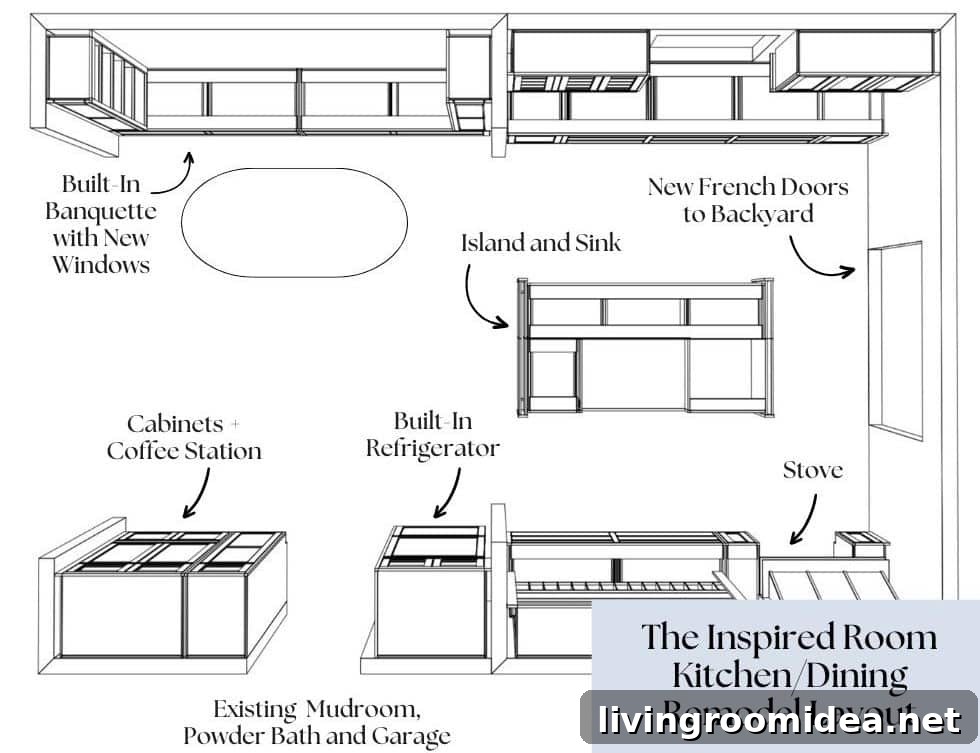
3. Account for existing features and spatial limitations.
Our renovation shifted several windows to the new dining room, left one original window in place, and added a set of French doors that mirror doors in the living room. With French doors on the main back wall and an opening to the dining room opposite, we only had two walls left for cabinets and storage.
A compact footprint, limited wall space, and large doors shaped how we planned storage and layout. Collecting inspiration photos is helpful early on, but at some point you must design for the space you actually have. Those practical details often change initial ideas.
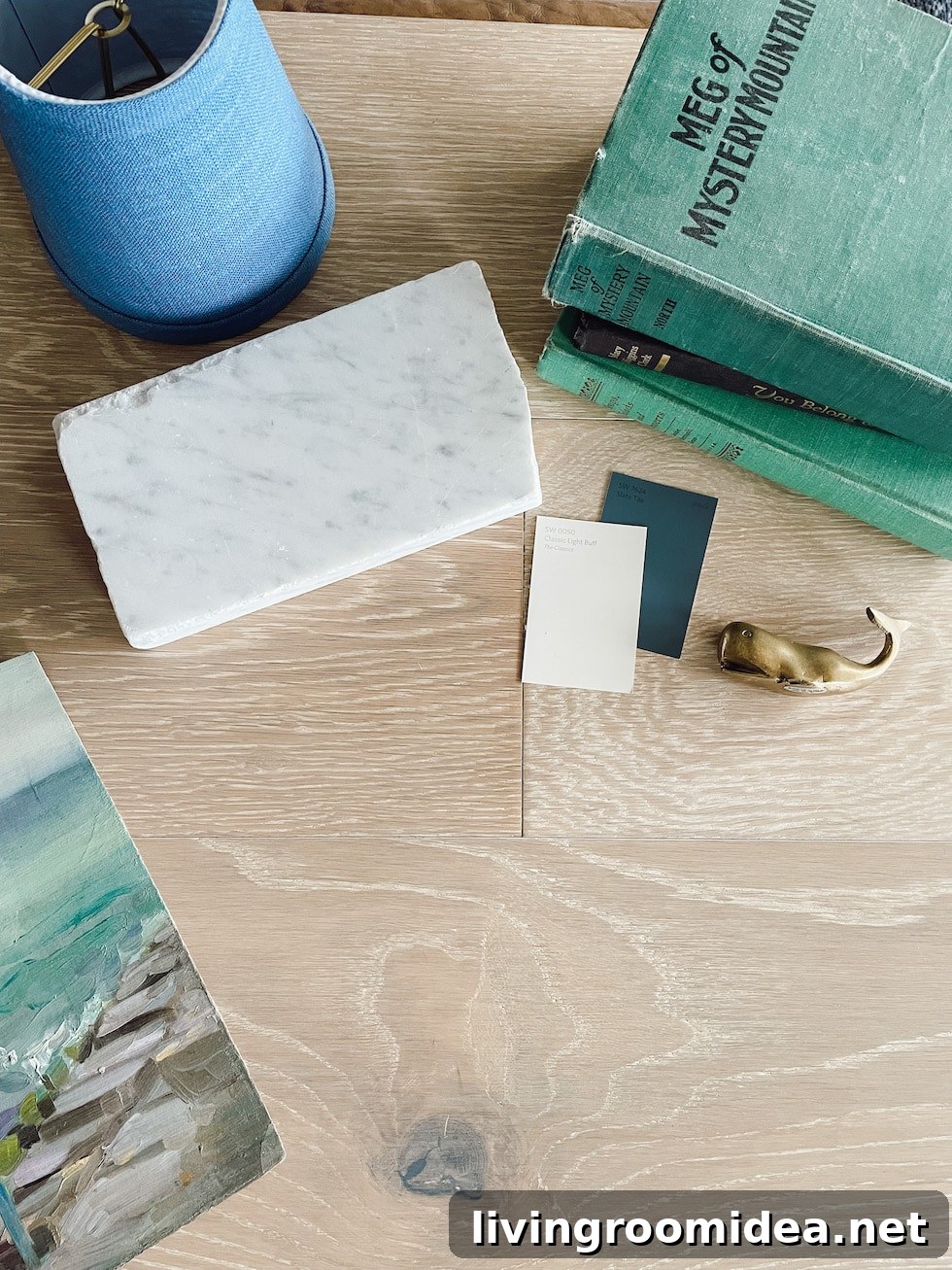
We also considered how connected rooms and window orientation affect color. We tested paint samples on every wall over several weeks to see how colors read in different light and together with adjacent spaces. While moody cabinets are trendy, our lighting and layout called for a lighter, warmer, more organic palette that feels welcoming.
Ask yourself what mood you want the kitchen to evoke and test colors in the actual space before committing.
4. Define the purpose of the space.
This arguably should be the first consideration. We’re empty nesters, but our extended family gathers here often, so we emphasized flow and connection throughout the main floor and to the backyard, while keeping distinct spaces for kitchen, dining, and living. Our main floor is small, so we focused on flexible circulation and maximizing storage.
Design for how you actually live: entertaining needs, family routines, storage needs, and whether you plan to live in the home long-term. Our choices are personal, not resale-driven, which allowed us to prioritize the features we love and will use daily.
5. Decide on your signature style elements.
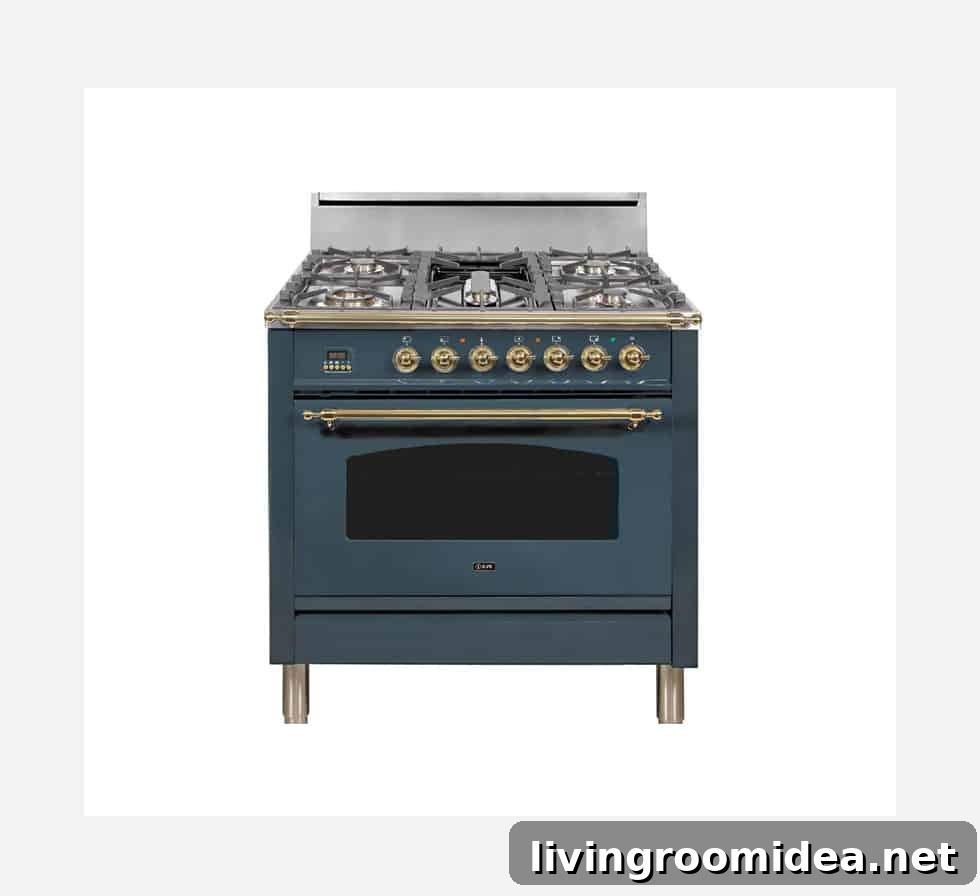
Two purchases set the tone for our kitchen: a special range and a faucet I loved. The range’s color became the focal point, and the rest of the kitchen was designed to support that statement rather than compete with it.
With a neutral, organic palette, we focused on adding character, texture, and warmth, plus dedicated spaces for seasonal accessories. Consider how you like to decorate: will you display cookbooks, dishes, artwork, or rotating seasonal items? Plan display areas that make sense for your style.
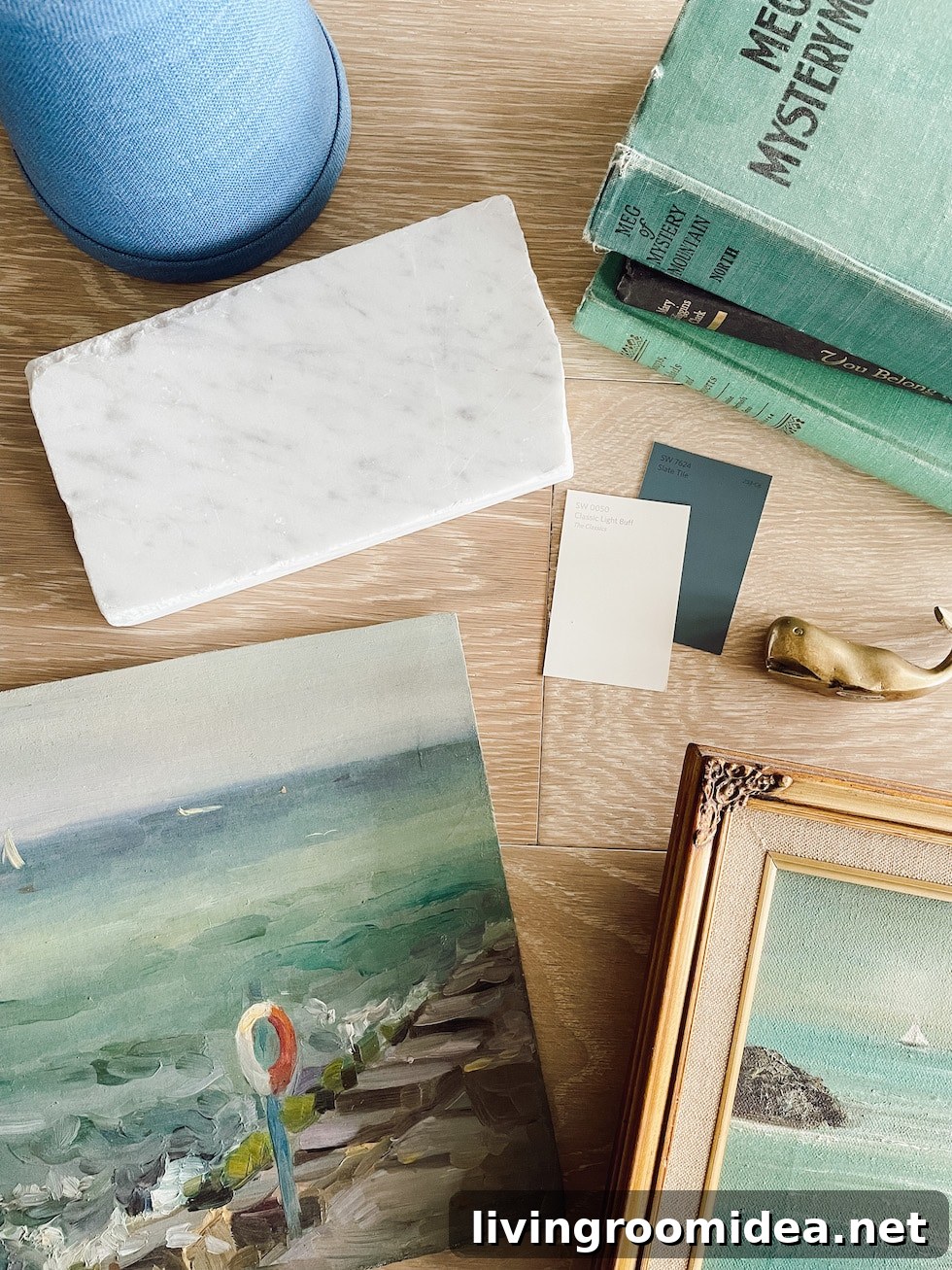
We experimented with flat lay boards—laid accessories and materials together on the floor to see how they felt as a group. That hands-on approach helped determine which decisions needed to be permanent and which could remain flexible.

Throughout the process we tried many ideas that didn’t make the final cut, but the result now aligns with how we want our home to feel. Early on, every direction can seem possible—moody or bright, dark wood or light, tile choices, cabinet colors—until constraints and priorities narrow the options.
At some point you must commit. Focus on what fits your home and your life, and then embrace those choices. Once you settle into one direction, the design comes together and you begin to fall in love with the result.
There’s more I’d love to share about the process, but I hope these five questions give you a helpful starting point for designing a kitchen that suits your home and lifestyle.
For more guidance in creating a home you love, consider courses and resources that teach room composition and practical design steps.
Members of HomeBody Gathering Place have access to courses I teach on creating a home you love, including a workshop that shares four core ingredients I use in every room and how to apply them in your own way. These courses include practical lessons, printables, and community support, with new weekly resources and organizational notebook pages to capture your ideas and plans.
Make sure you’re subscribed to my emails to get future updates and follow along on Instagram too.
More Posts about Our Kitchen Remodel:
My New Kitchen Floor Plan + Parents’ Addition and Exterior Elevation
Adding Character in a Kitchen Remodel: The Tale of Our New Range and Faucet