Kitchen Remodel
Nine months ago we started a kitchen remodel. Finally, after a long project, it’s finished and we couldn’t be more thrilled. Over that time we documented progress and learned what worked for our family. Below are the final photos and an overview of the choices we made and why they matter.
Although the builder’s original kitchen was serviceable, it lacked personality and an efficient flow for how we live. Our goal was to redesign the layout to better suit our daily life, add more storage and character, and do it on a sensible budget. We wanted the kitchen to feel like our home, not a generic floorplan, while still fitting the house’s style.
Before the remodel the kitchen and family room felt chopped into three small areas because of an awkward breakfast counter and different flooring types. With two daughters who love to cook and a household that hosts often, we needed a more open floorplan that allowed people to move around comfortably without adding square footage.
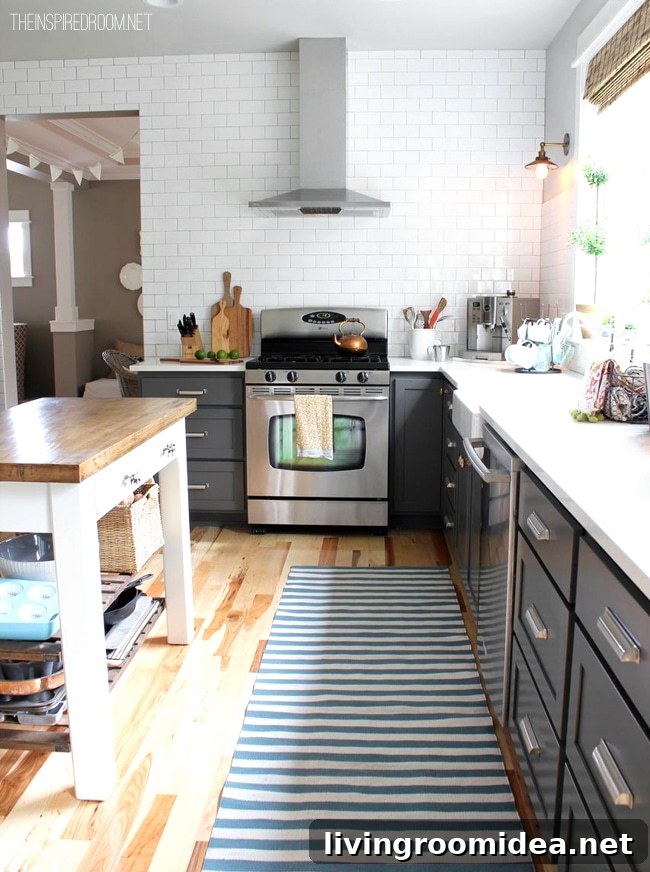
Removing the breakfast bar opened the entire space and dramatically improved circulation. The change alone transformed the room, allowing more cooks to work together and giving guests space to mill about without bumping into each other.
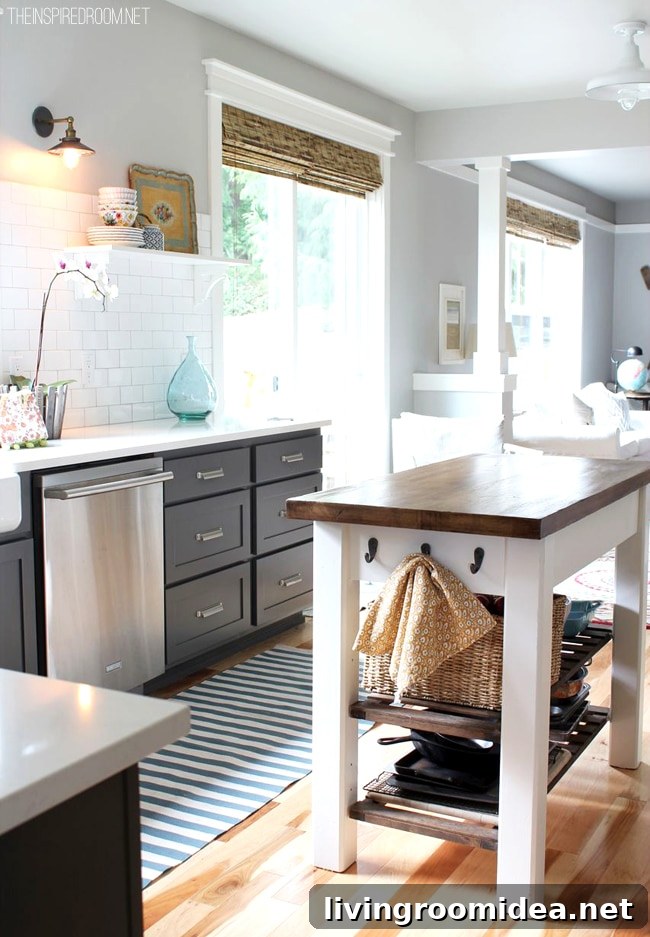
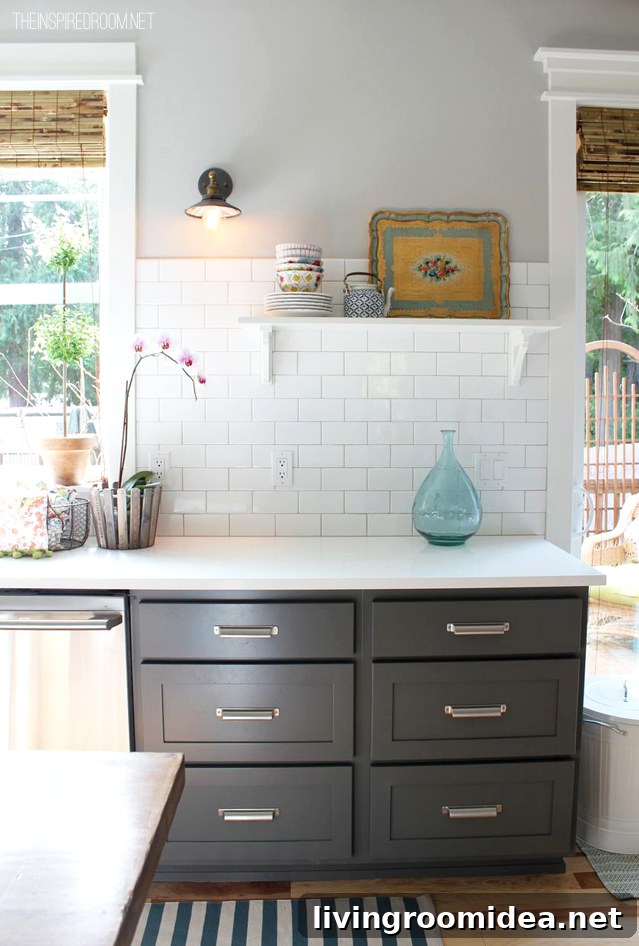
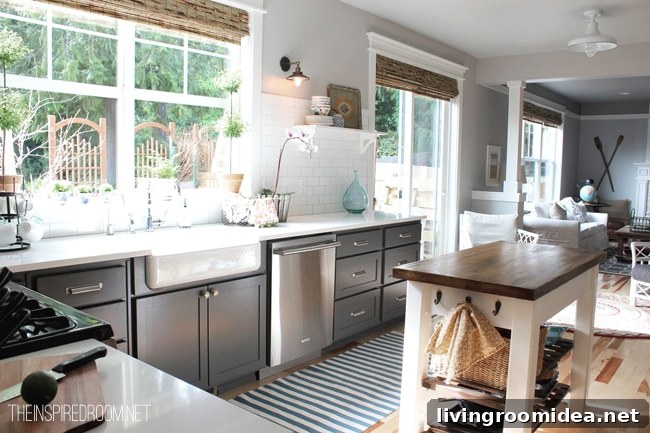
We actually gained storage and counter length by adding two banks of drawers and relocating the dishwasher next to the sink. The previous breakfast bar only had room for a small cabinet and the dishwasher, so the new layout improved both usability and storage. Most of the cabinets are original; we updated them with paint and new hardware.
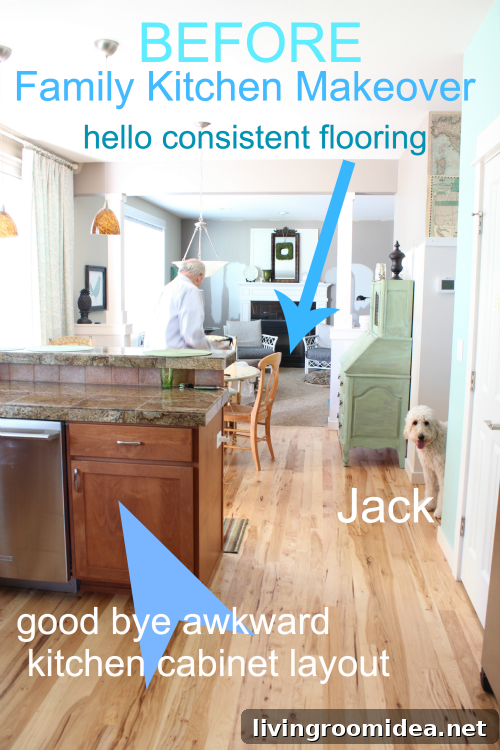
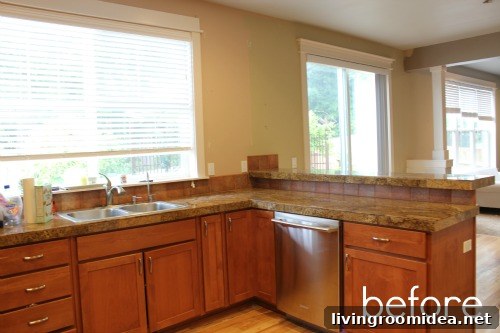
Gone is the chopped, choppy feeling — the kitchen now reads as a single, wider space even though the footprint hasn’t changed.
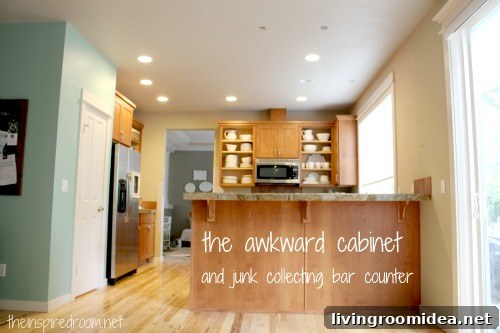
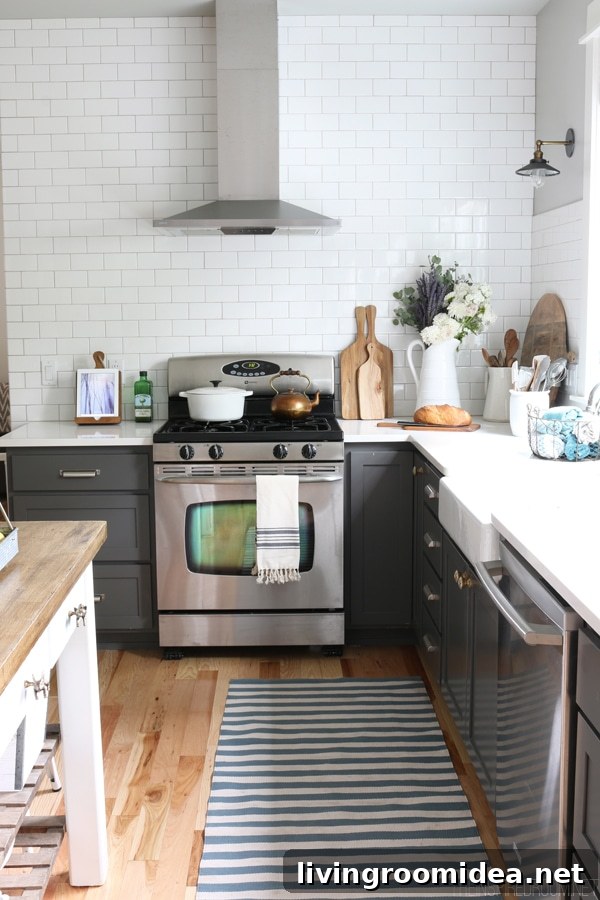
Without the lowered breakfast bar, the kitchen feels more open and functional. We then removed a few inconvenient upper cabinets near the stove to open sightlines and create a lighter atmosphere. As someone who is under 5’3″, many upper shelves were unreachable without a step stool and didn’t serve our everyday needs. By removing them and relying on new drawers for daily dishes, we kept only what was useful to our lifestyle.
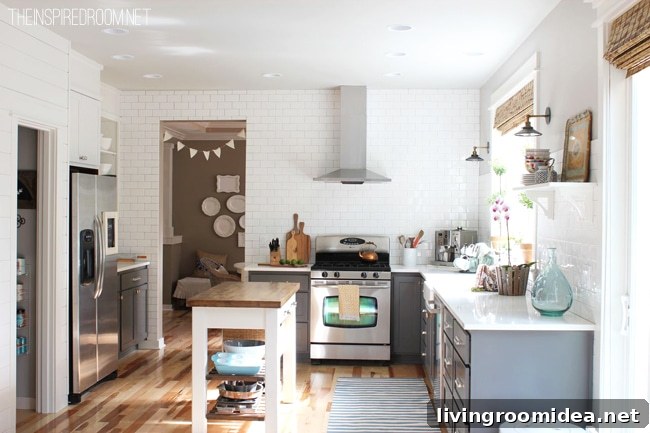
The absence of heavy upper cabinets makes the room feel cleaner and more spacious. It also gives the impression of more counter space while preparing meals. To complete the look we installed classic subway tile with gray grout across the back wall, which provides a durable, timeless backdrop that reads fresh and architectural.
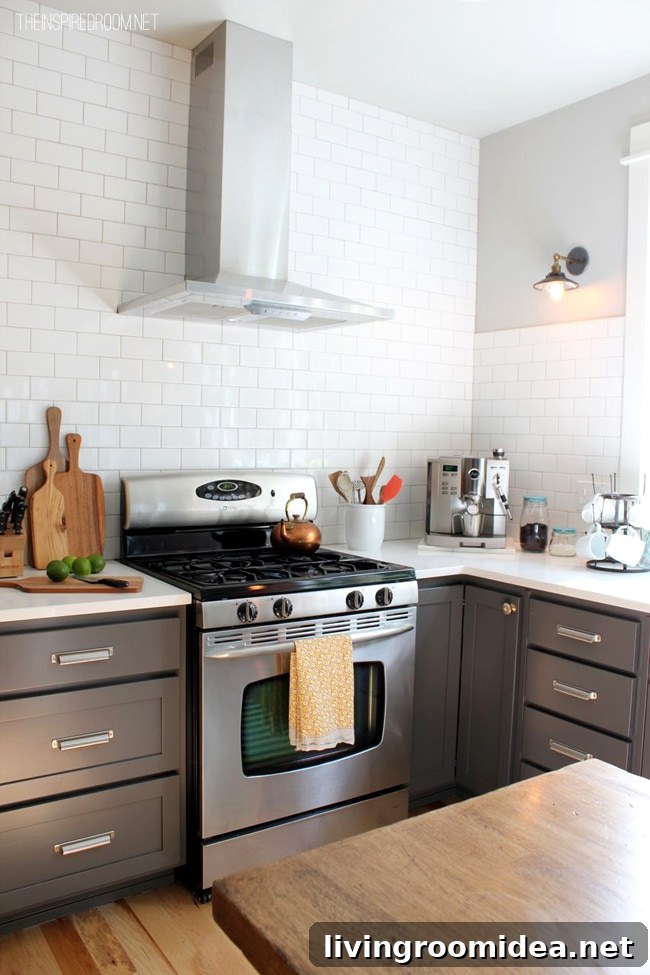
To introduce contrast and personality, we painted the upper cabinets white and the lower cabinets a charcoal gray. The two-tone approach adds depth and works with the white subway tile, white counters and the warm Hickory floors. Neutral upper and lower tones also make it easy to change accent colors in rugs and accessories over time.
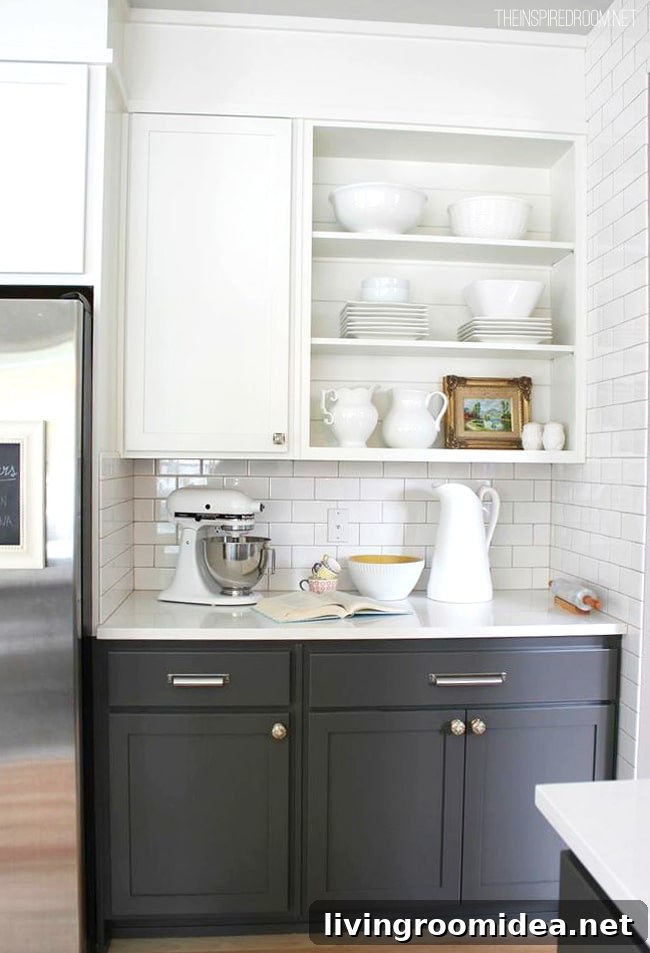
Small architectural changes brought big impact: we boxed in the awkward space above the cabinets and added tongue-and-groove paneling on a connecting wall and behind open shelving. These inexpensive additions created a custom, tailored appearance that elevates the room without a huge budget.
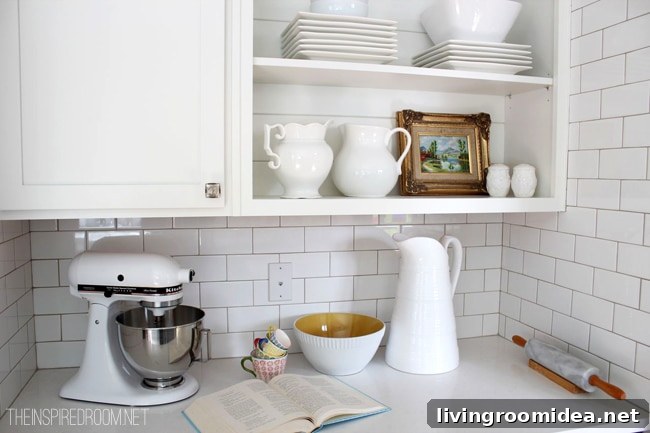
Open shelving for the baking center, refreshed in white with vertical paneling, tile and new counters, gives this area a lived-in, working-kitchen feel. Removing doors is an affordable update that emphasizes frequently used items and encourages order.
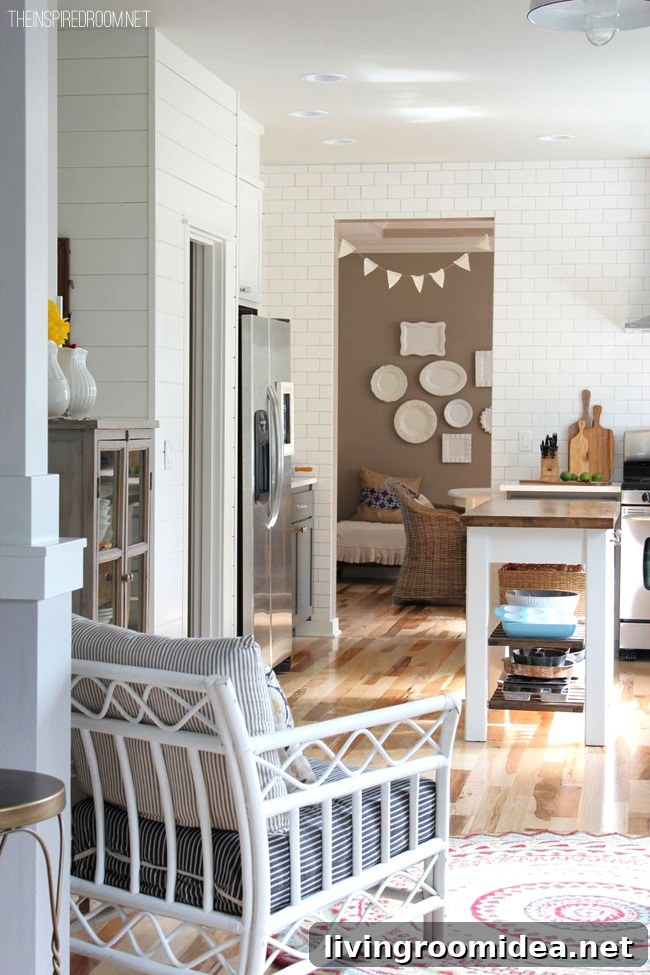
We retained most appliances except for a new range hood, choosing to allocate funds where they would impact layout and daily use. Decorative touches like a framed chalkboard on the refrigerator remain — if something still works well, it stayed in place.
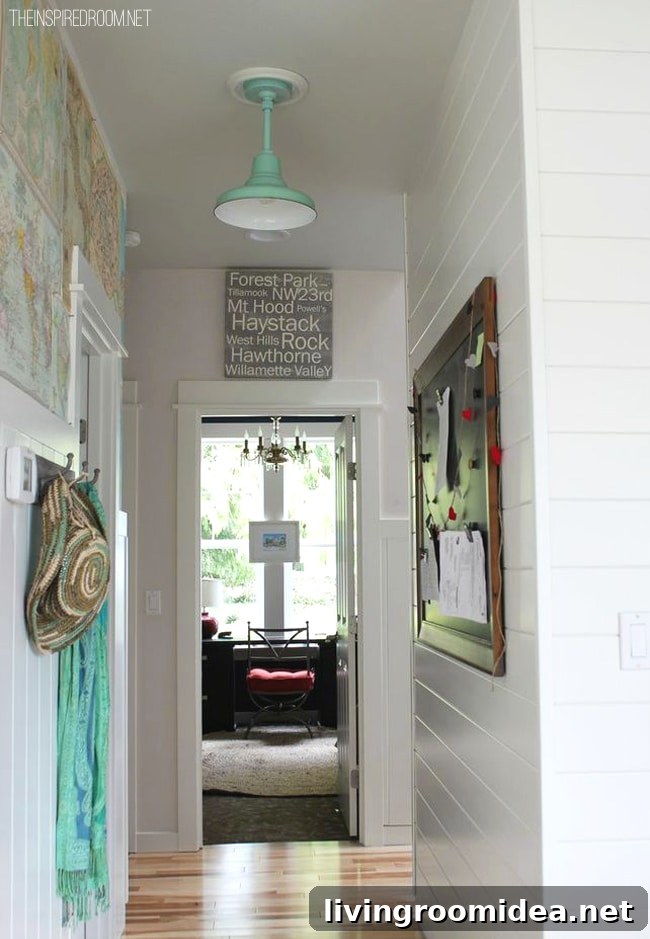
In a small hallway near the kitchen we added paneling, maps and an industrial jadite light that completes the look and brings personality to an otherwise overlooked transition area. We also updated the primary kitchen light with a white fixture that’s charming without obstructing sightlines or movement.
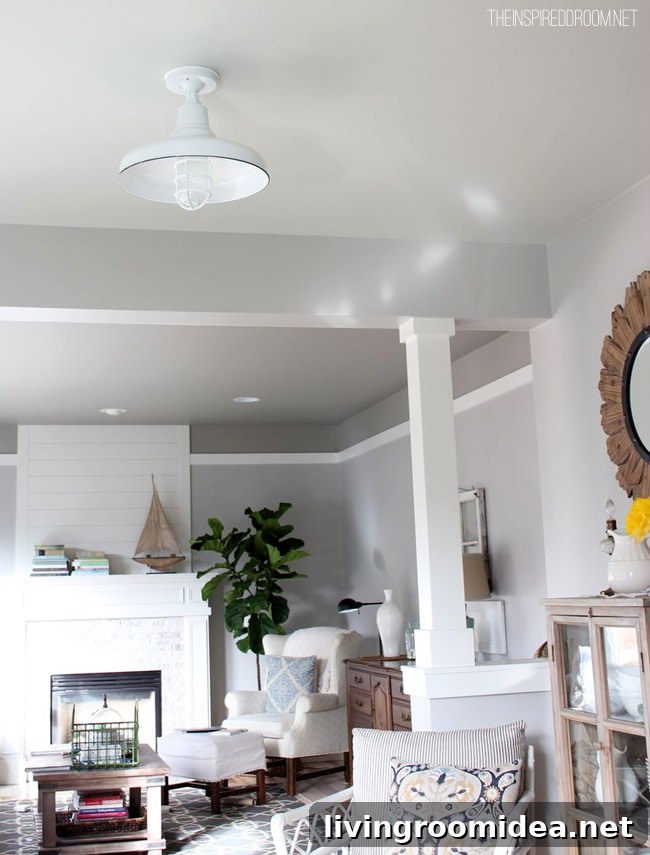
To maximize functionality, we removed the secondary kitchen table and created a small conversation area. It’s perfect for chatting while prepping and keeps the space uncluttered. Flexible, lightweight furnishings make the room adaptable.
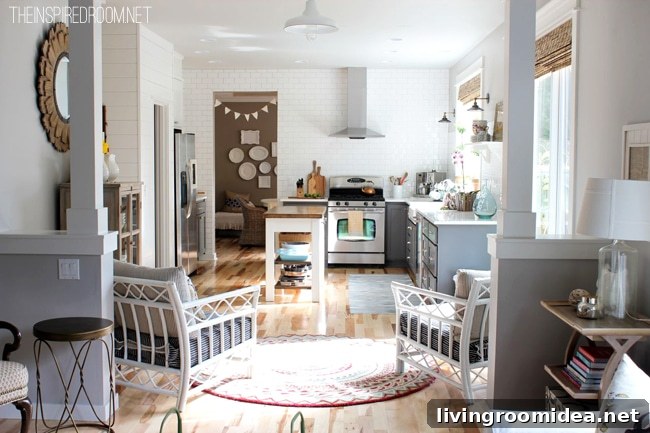
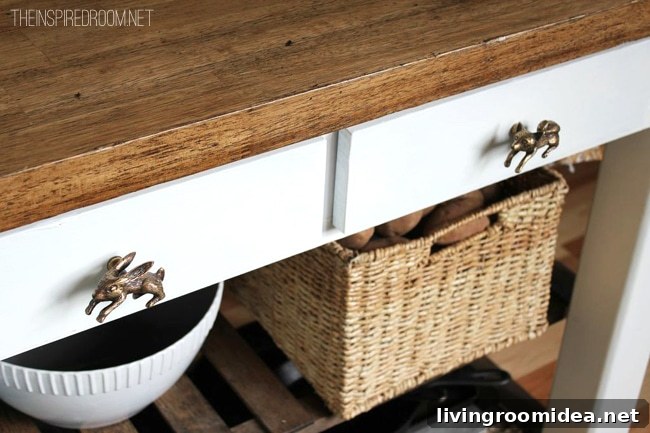
The counters are white quartz (Caesarstone Organic White) and reflect light beautifully against the rustic Hickory floors. We kept one wood counter on the small island to retain warmth and a nod to the wood counters from our previous kitchen. The island received a DIY makeover to blend function and character.
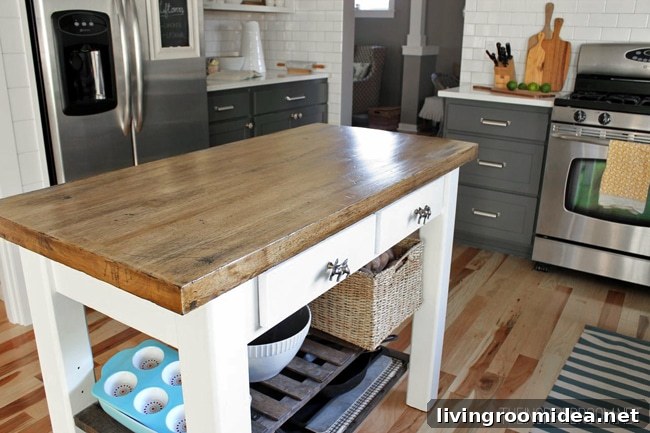
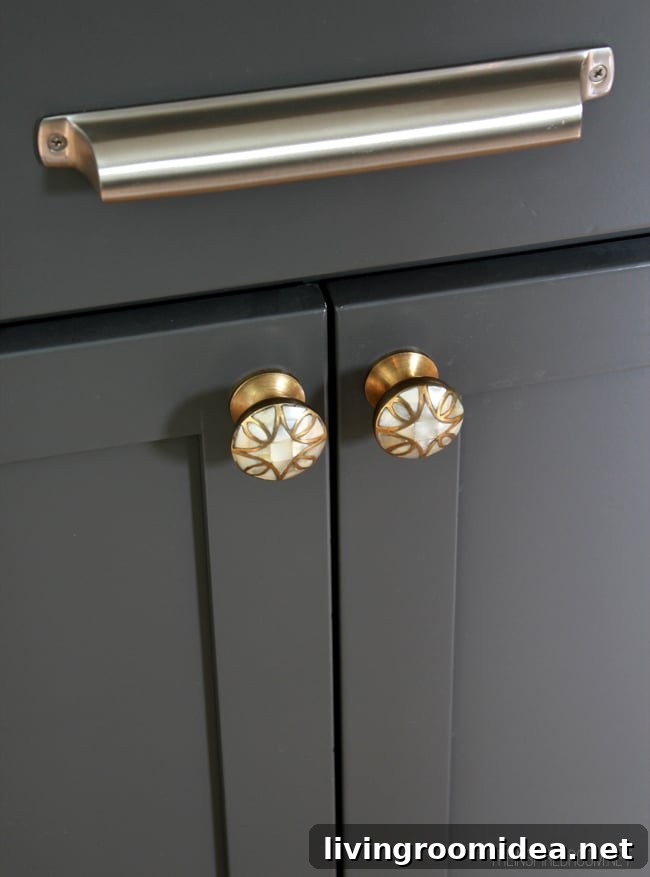
Open, working-kitchen touches like visible baking tools, cutting boards and a practical coffee station make the room feel lived-in and useful rather than precious. Small details — two-tone paint, new pulls and knobs, updated sconces and thoughtful lighting — were key to the transformation. Hardware acts like jewelry for the room, so choosing the right pieces made a big difference.
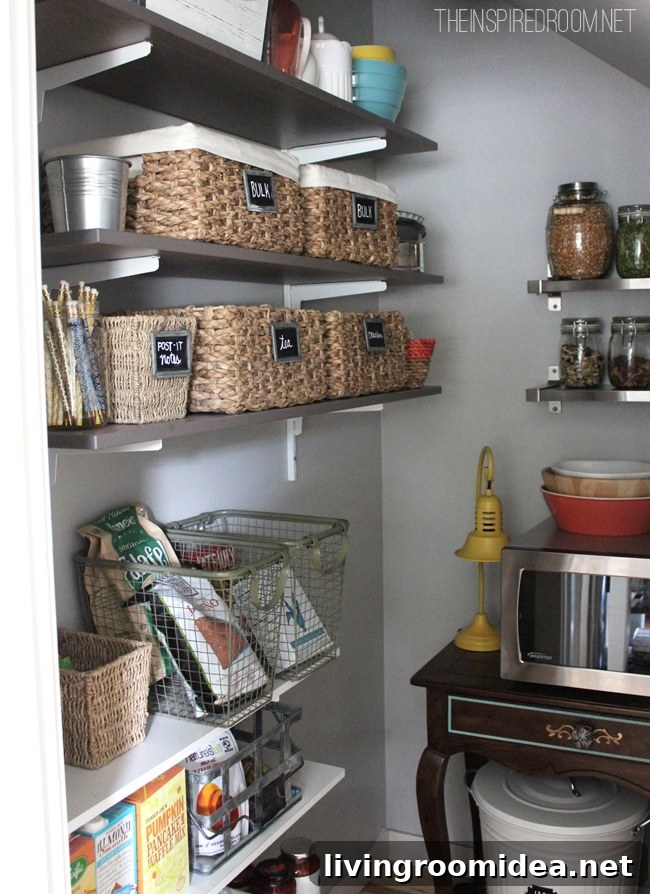
We also opened the pantry to the kitchen by removing the door and trimming the opening, which improved access and moved the microwave into the pantry to free counter space and improve work flow. Having everyday items visible and reachable keeps things organized and encourages upkeep.
Of course, none of this would feel like home without the people and the dog who live here. The kitchen is a working, messy, joyful center of our life — where we cook, bake, laugh and gather. Practical solutions like a simple dog-food container and a rag rug keep real life manageable and even a little charming.
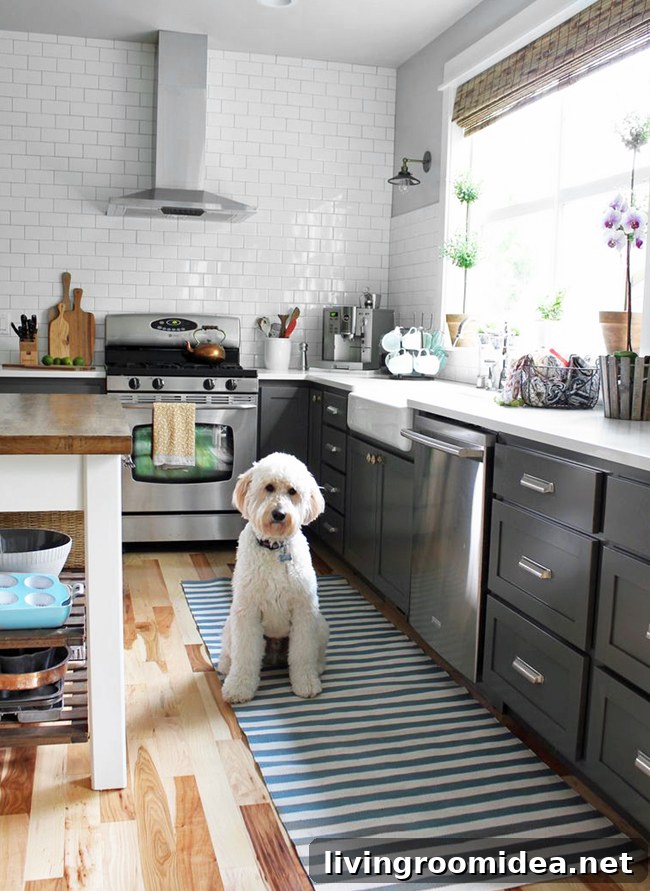
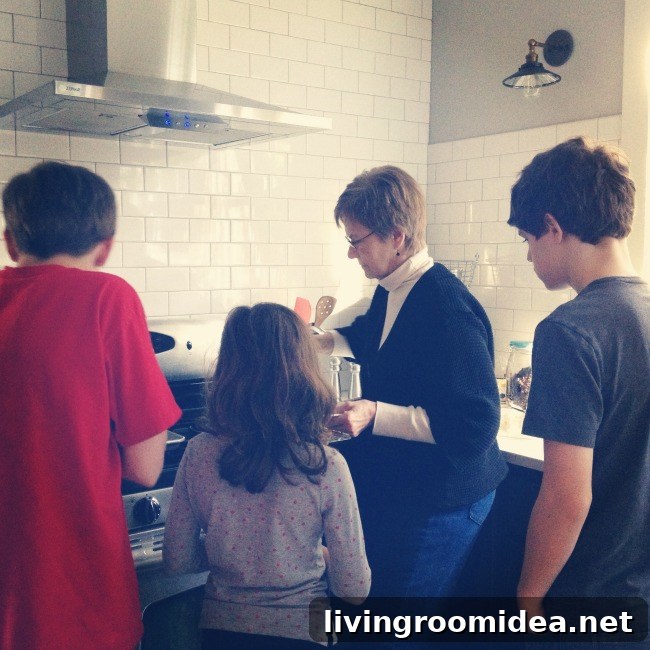
This is our kitchen — comfortable, functional and designed for family life. It’s finished for now, but like any lived-in home, it will continue to evolve as we tweak details and adapt the space to our needs.
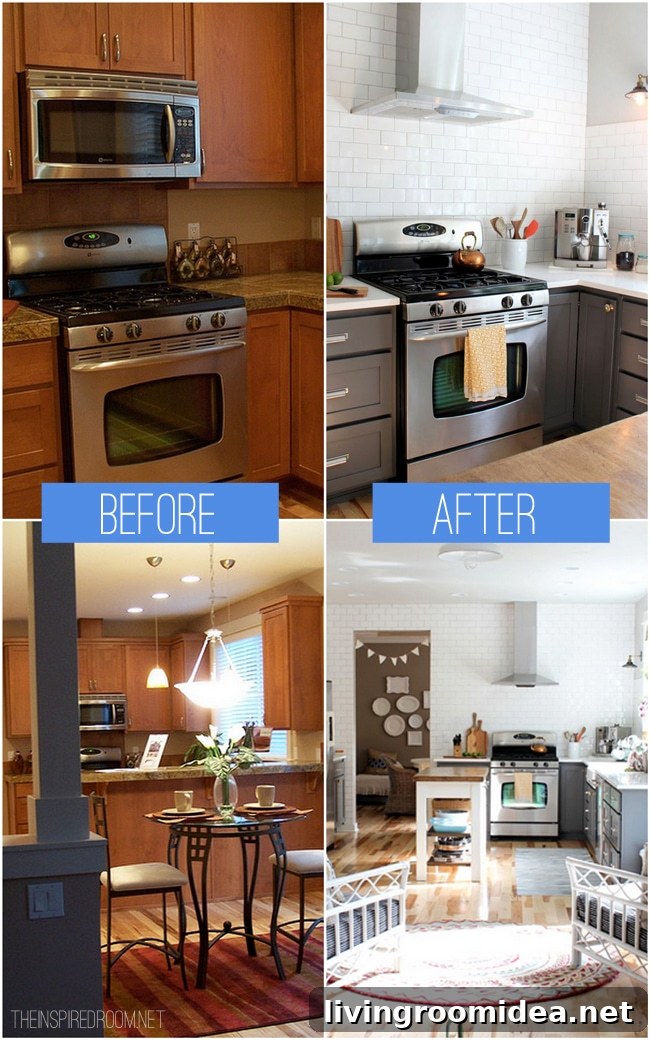
Done, for now — and already being enjoyed. The small updates and thoughtful layout choices made a big difference in how the room functions and feels.