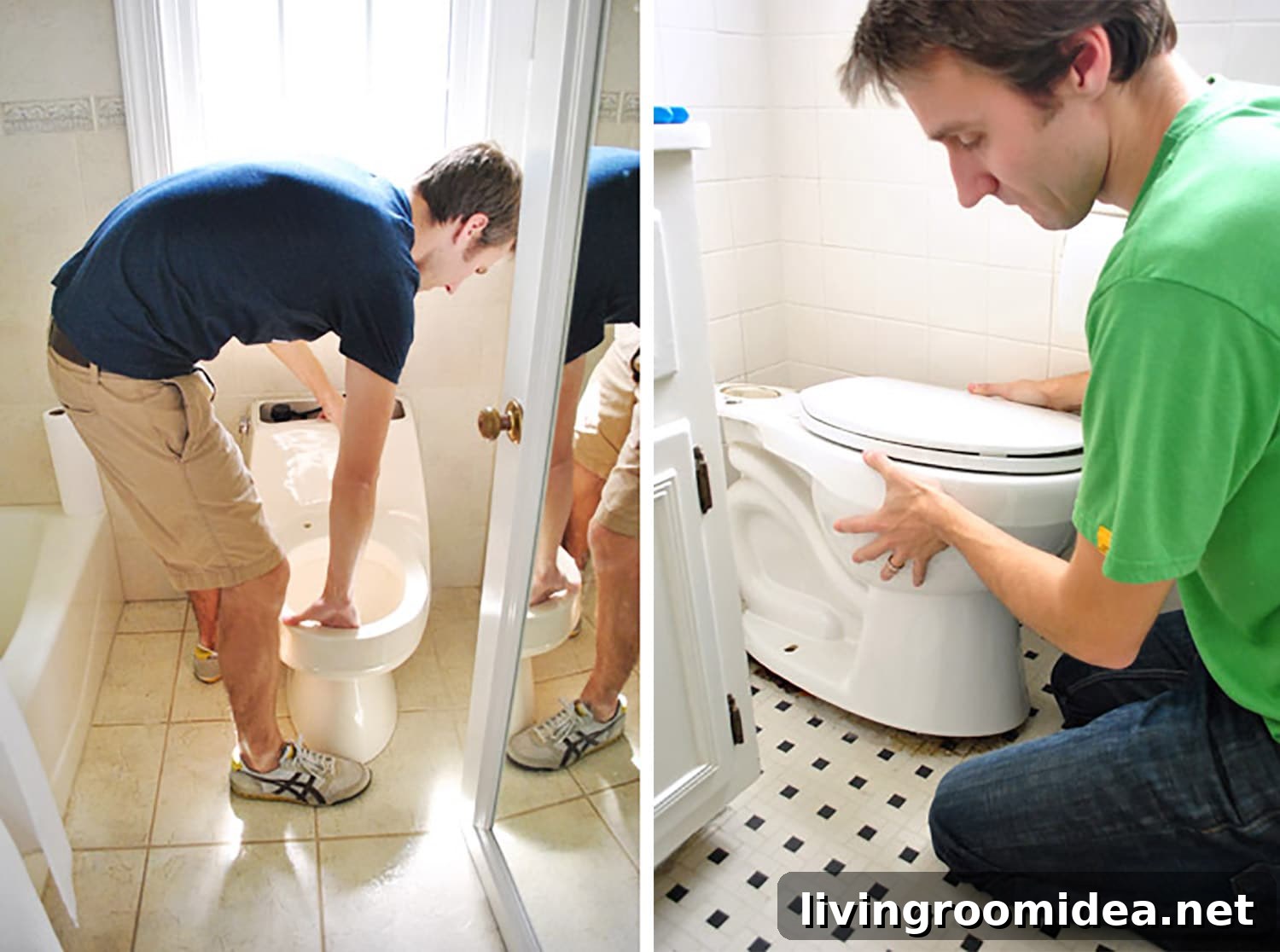
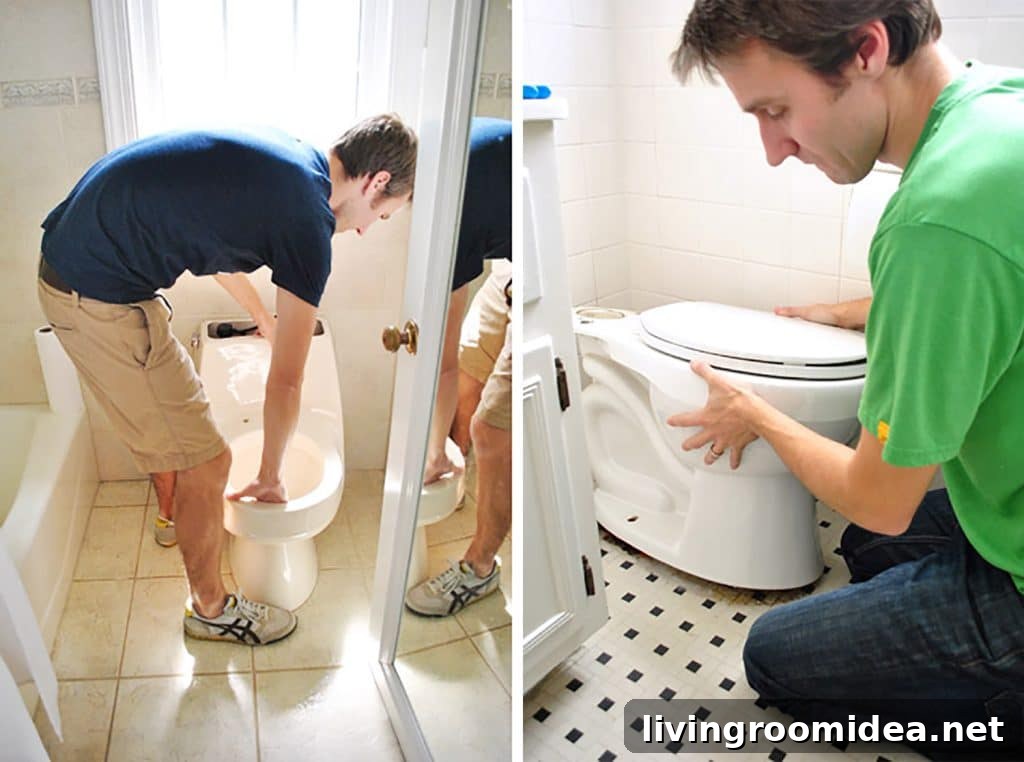
Installing a toilet was one of the first DIY projects we tackled when we became homeowners in 2006. Nearly two decades and many toilets later, the process feels routine—we’ve done it in multiple bathrooms and photographed the steps along the way. While swapping a toilet can seem intimidating or unpleasant, it’s actually a straightforward job most homeowners can complete with basic tools and patience.
This guide covers replacing a toilet, repairing a leaking or rocking toilet, and reinstalling an existing unit after a remodel. Follow the steps in order and read through the full tutorial before you begin so you know what supplies to have on hand.
Tools & Supplies Needed
You don’t need many specialized tools to install a toilet. Here are the essentials to have ready:
- New toilet* (or plan to reuse your existing unit)
- Measuring tape
- Wax ring kit (standard and/or extra-thick if unsure)
- Adjustable wrench or groove joint pliers
- Flathead screwdriver
- Rags, paper towels, sponge, or small bowl for water removal
- Utility knife
- Hacksaw
- White silicone caulk
- Level (optional)
- Gloves (optional)
*If you are reusing your existing toilet, a new one isn’t required. Steps below explain reinstalling the same toilet.
Steps To Install A Toilet
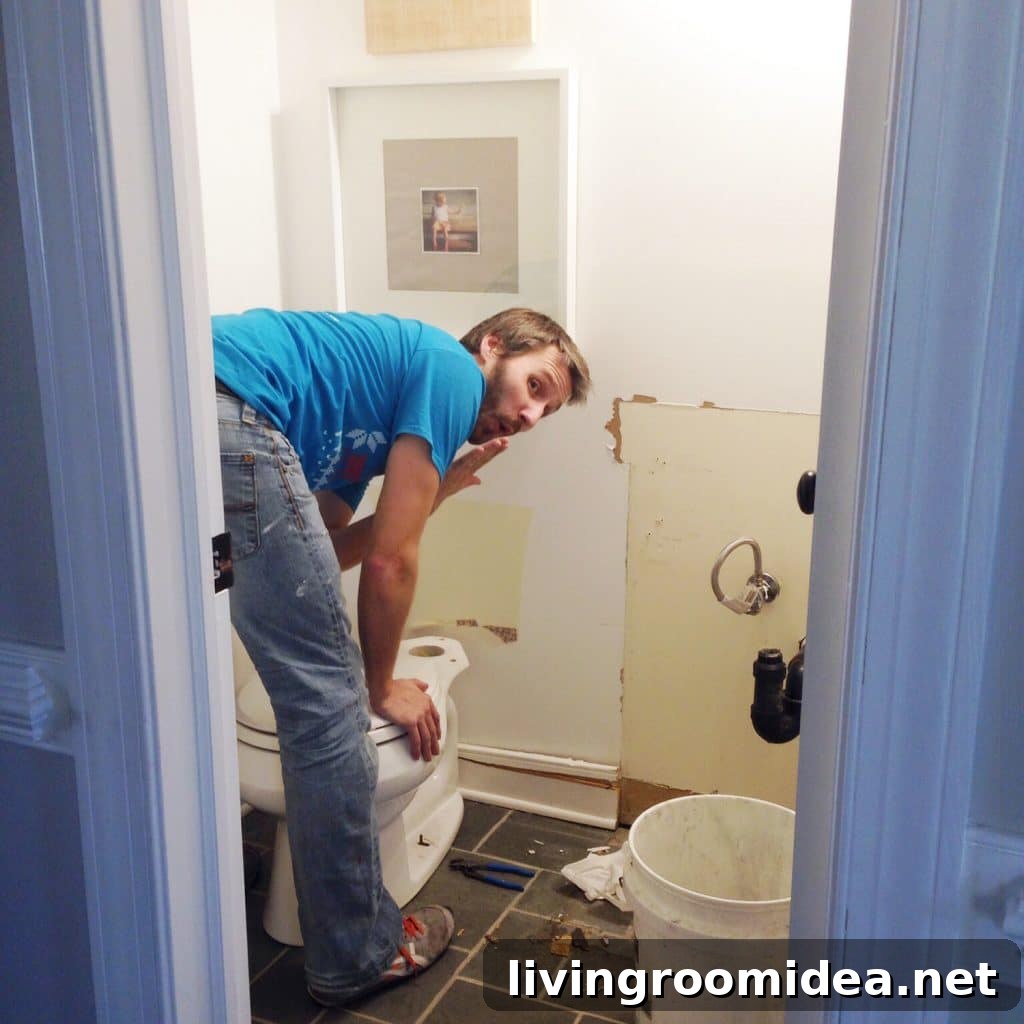
Read through the full guide before starting. Here’s a quick overview of the main steps:
- Measure your rough-in
- Purchase a new toilet if needed
- Remove the old toilet
- Prepare the floor and flange
- Add the wax ring
- Place the toilet bowl
- Bolt the toilet bowl
- Install the toilet tank
- Connect the water line
- Finish the installation
Some steps are optional when reusing an existing toilet.
Step 1: Measure Your Rough-In
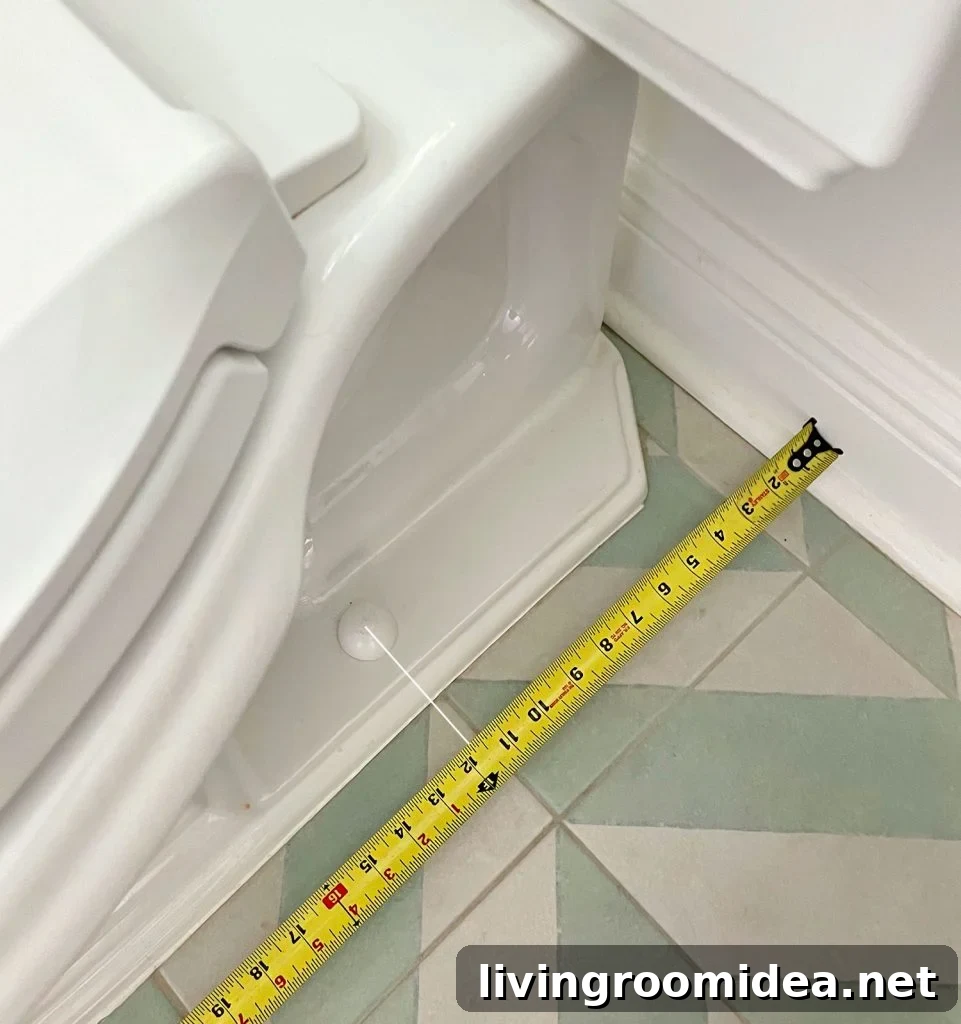
Before buying a toilet, measure the rough-in distance—the space from the floor bolts to the finished wall. Most toilets use a 12″ rough-in, but older or compact bathrooms may require a 10″ model. Use a tape measure and include the depth of any baseboard in your measurement, since the tank typically sits above the baseboard.
Step 2: Purchase Your New Toilet
When selecting a toilet, consider these common options:
- Round vs. elongated bowl: Elongated bowls are often more comfortable; round bowls fit better in smaller bathrooms.
- Standard vs. comfort height: Comfort (or chair) height is taller and easier for many people to use; standard height is lower.
- One-piece vs. two-piece: Two-piece toilets are lighter to handle during installation; one-piece units offer a seamless look.
- Single vs. dual-flush: Dual-flush systems save water by offering a lighter flush for liquids and a stronger option for solids.
Choose the style and features that match your bathroom and preferences. If you want a reliable standard option, look for well-reviewed models that fit your rough-in measurement.
Step 3: Remove Your Old Toilet
Removing the existing toilet is the reverse of installation. The basic sequence is:
- Turn off and empty the water
- Disconnect the water line
- Unscrew and remove the tank (if two-piece)
- Unscrew and remove the bowl
- Plug the flange opening
Turn off & empty water
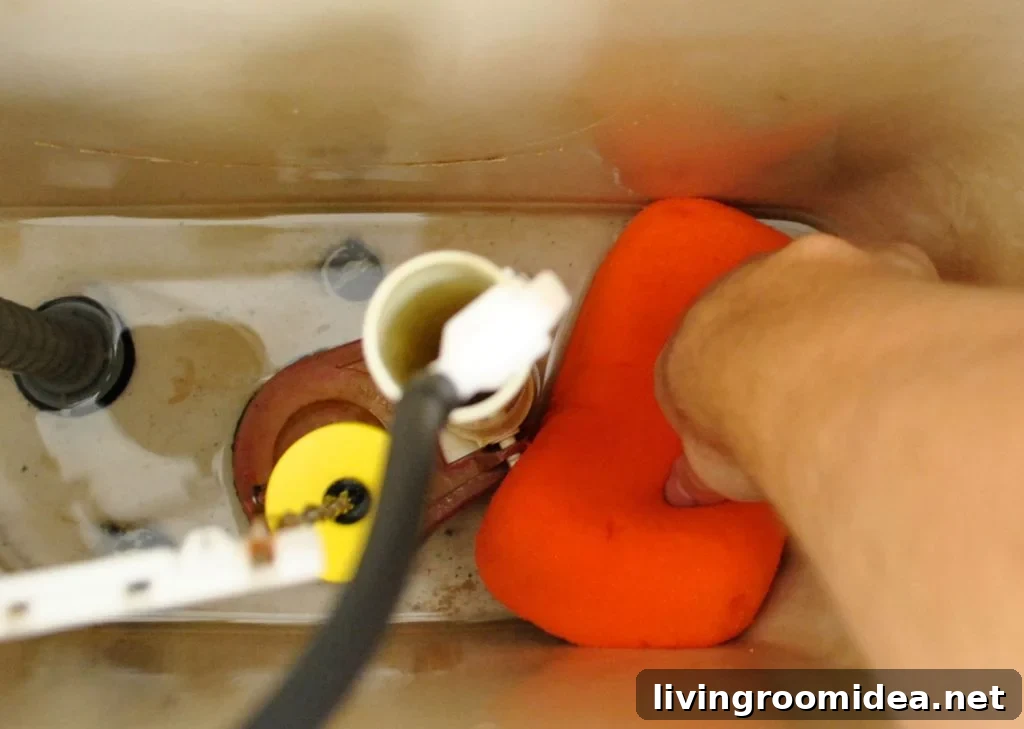
Shut the supply valve behind the toilet by turning it clockwise. If it’s stiff, apply a penetrating lubricant and avoid forcing it with a wrench to prevent damage. Flush the toilet and use a sponge or small cup to remove remaining water from the tank and bowl.
Disconnect the water line
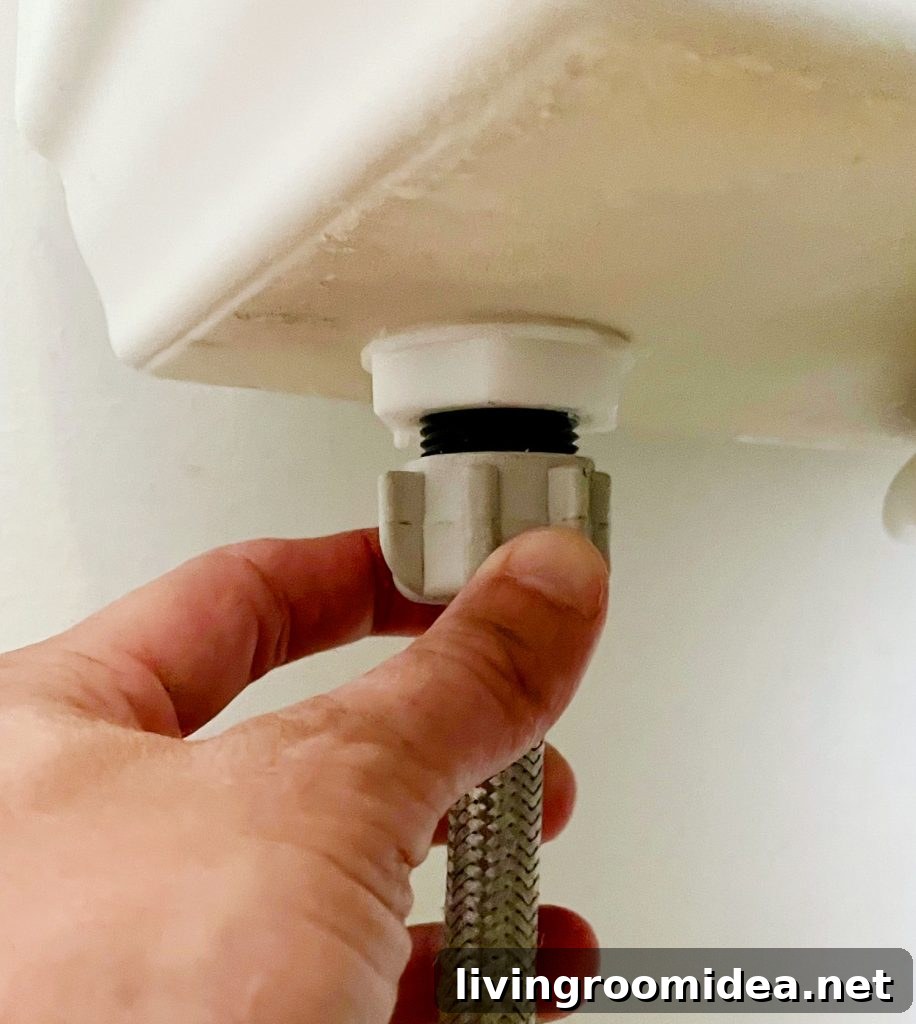
Disconnect the water supply line at the tank by turning the nut counterclockwise. Expect a small spill; have towels or a bowl ready. You can leave the supply line attached to the wall if you don’t plan to replace it.
Unscrew & remove the tank
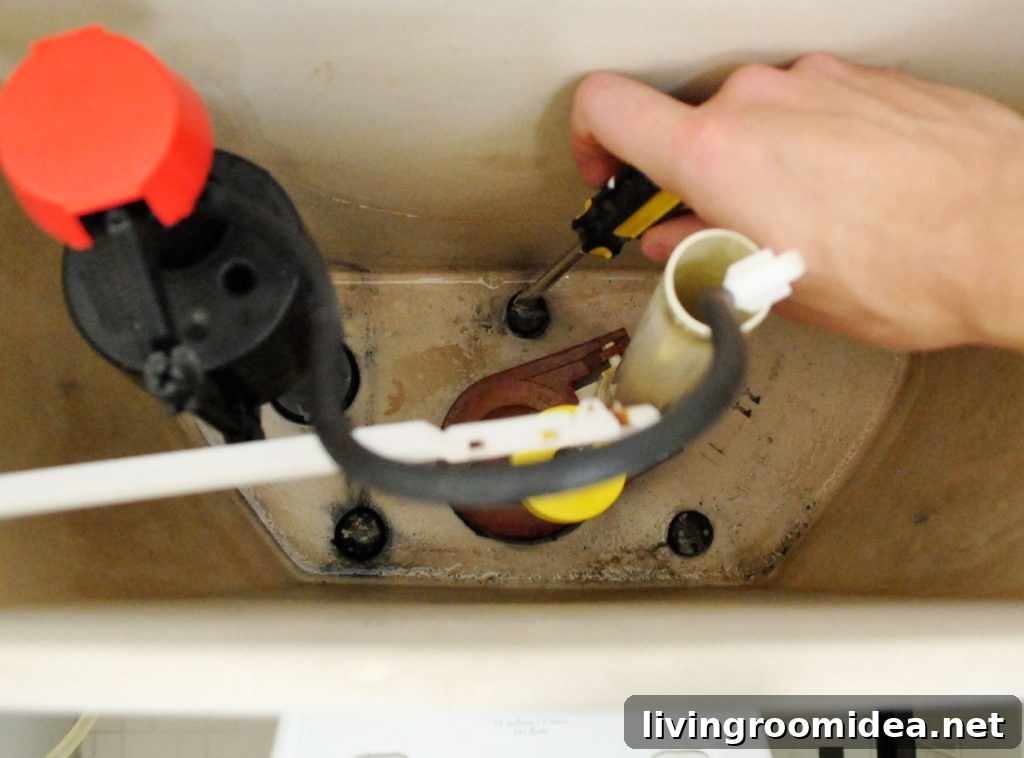
For two-piece toilets, remove the tank bolts under the tank with a wrench while holding the bolts from inside the tank with a screwdriver. Lift the tank off and set it onto a towel or blanket to prevent damage.
Unscrew & remove the bowl
Remove the nuts from the floor bolts that secure the bowl. If caulk seals the base, score it with a utility knife first. Rock the bowl gently to break the wax seal, then lift and set the bowl on a towel or blanket—on its side or upside down—to avoid spreading wax.
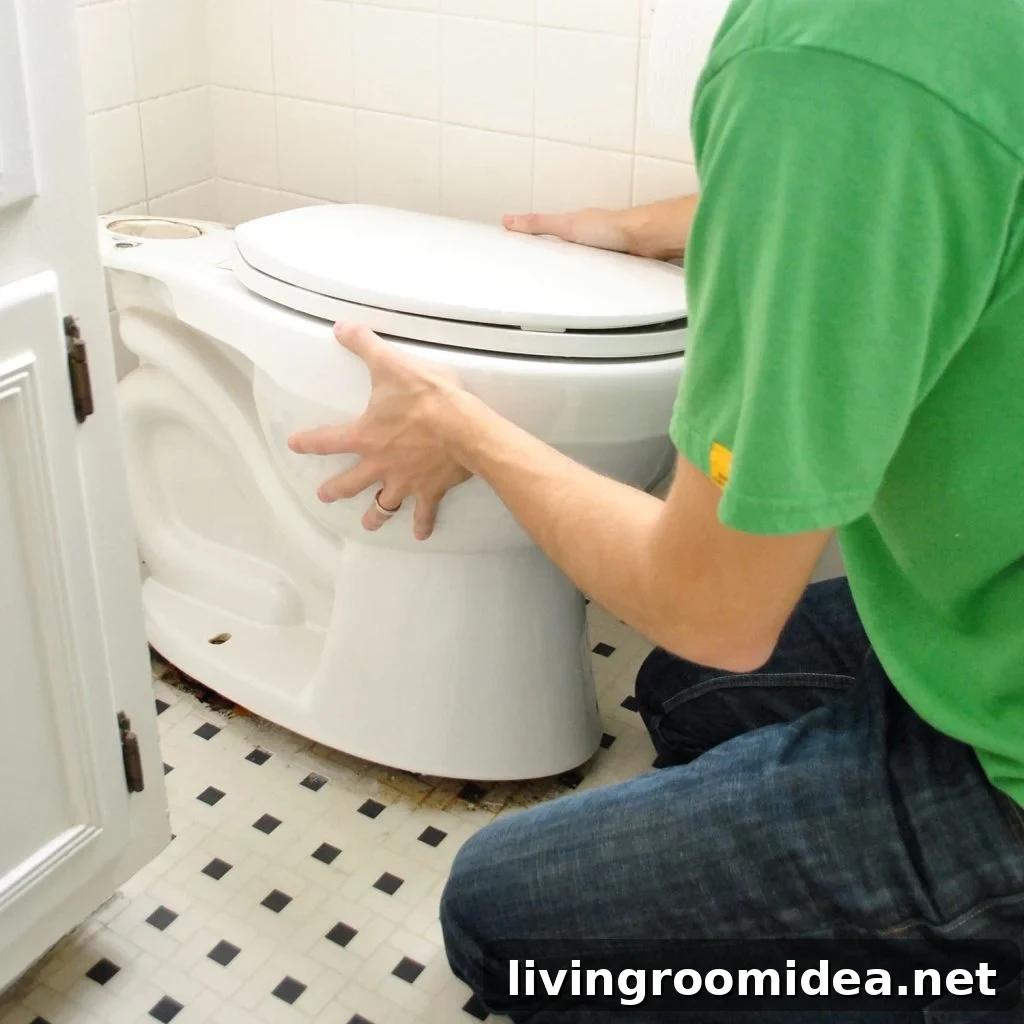
Plug the flange hole
Temporarily stuff a rag into the open flange to block sewer gases and debris. Remove the rag before positioning the new toilet.
Step 4: Prepare The Floor & Flange
Clean old wax, caulk, and debris from around the flange using a putty knife, utility knife, or screwdriver. Remove the old bolts and slide in the new bolts from your wax ring kit; many kits include plastic clips to hold them upright. If reusing your toilet, clean old wax from the bottom of the bowl as well.
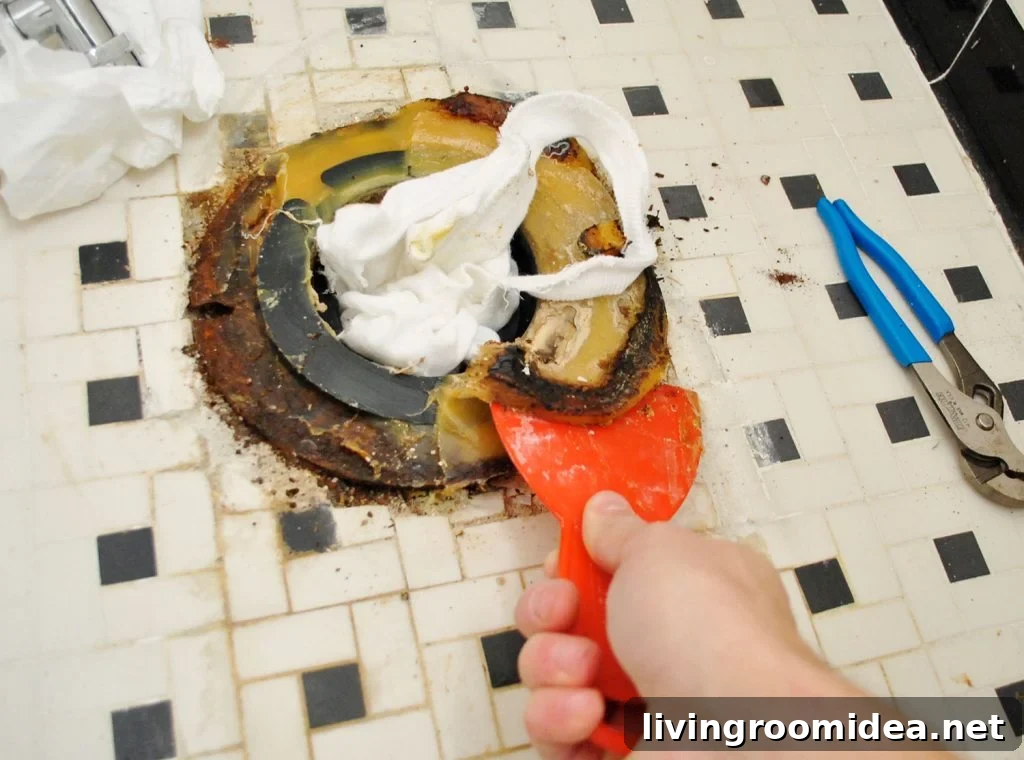
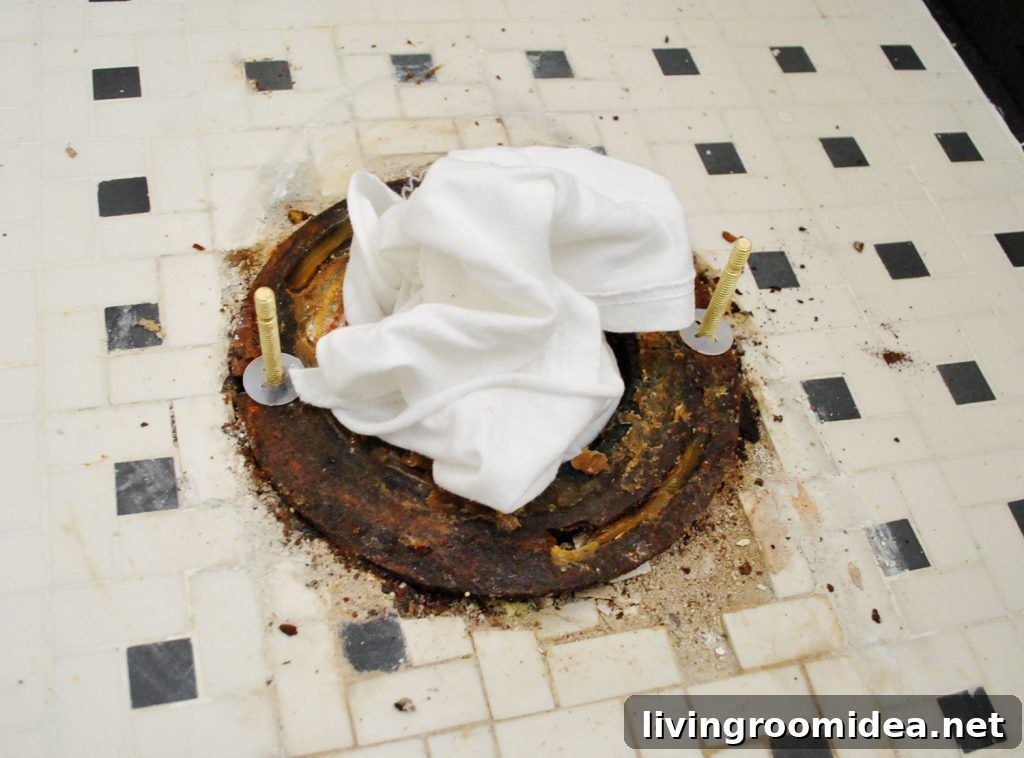
Step 5: Add The Wax Ring
The wax ring seals the toilet to the flange. Many kits include both standard and thicker rings; thicker rings are useful when the flange sits below tile level. We recommend pressing the wax ring onto the underside of the toilet bowl—lay the bowl on its side or upside down on a towel and press the ring over the outlet so it stays in place during installation.
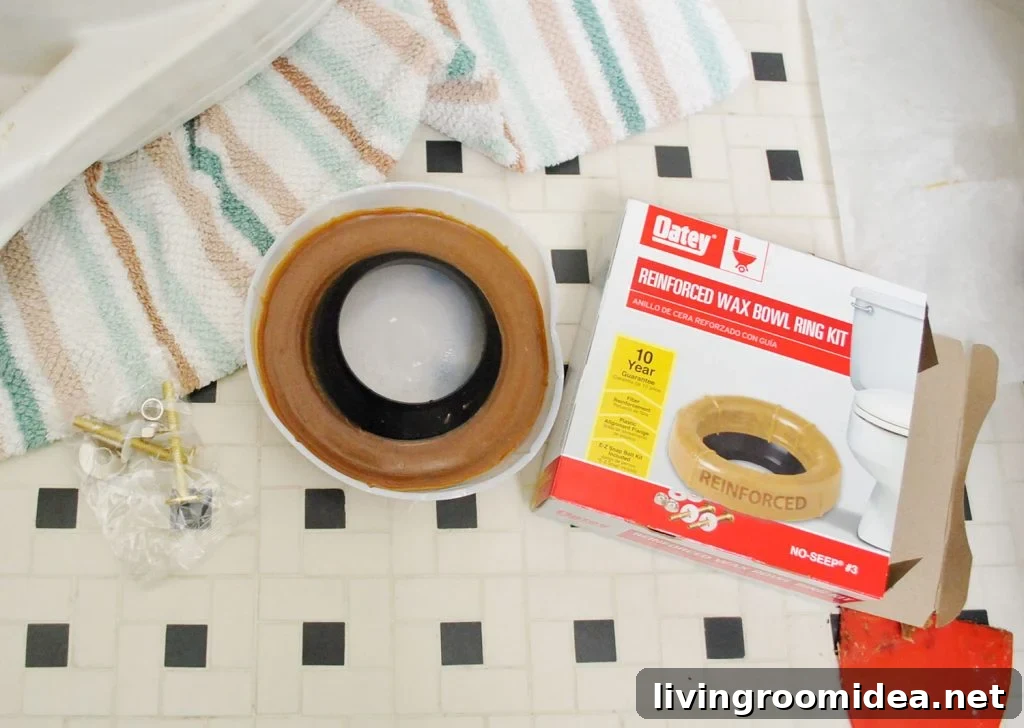
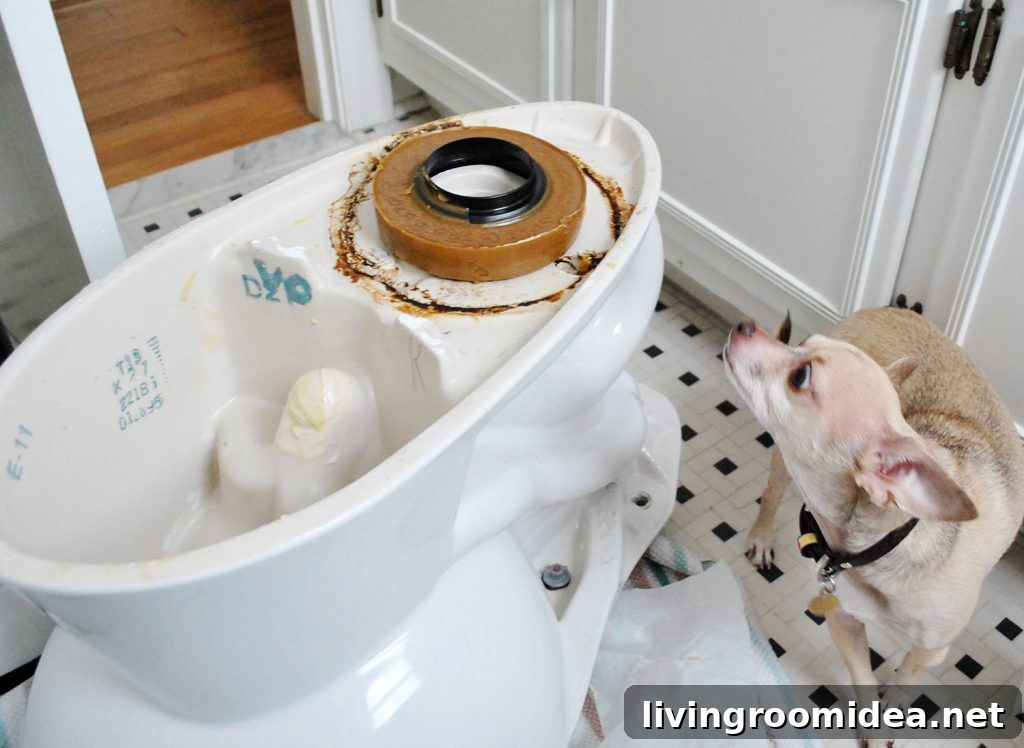
Keep spare rings on hand—if a ring becomes deformed during placement, discard it and use a fresh one.
Step 6: Place The Toilet Bowl
Carefully lower the bowl over the flange so the bolts pass through the base holes. Remove the rag from the flange before lowering. If the bowl is heavy or awkward, have a helper steady it. A helpful trick is sliding drinking straws over the bolts so you can see and align the holes more easily.
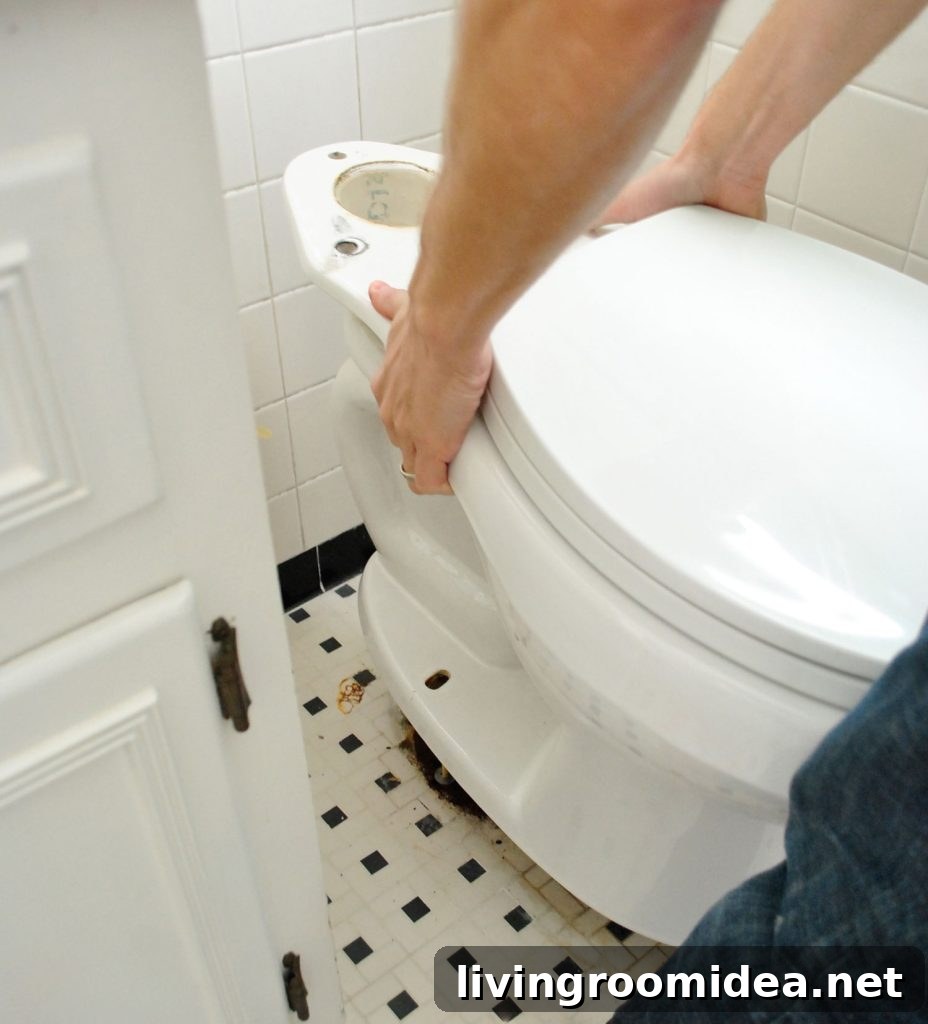
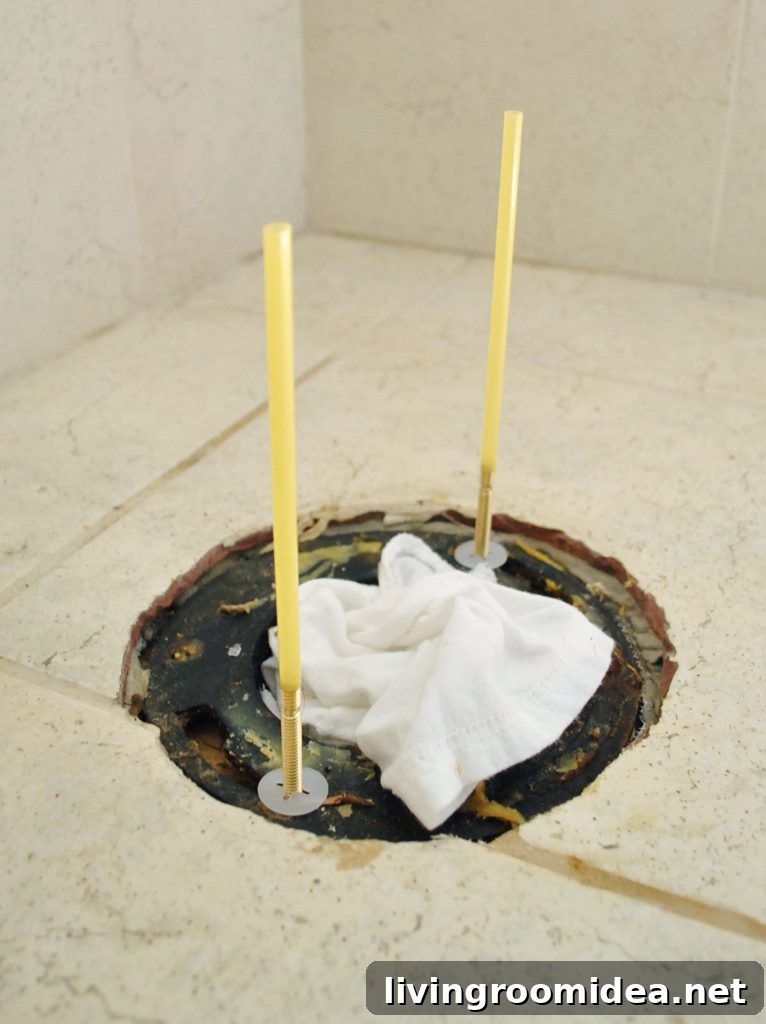
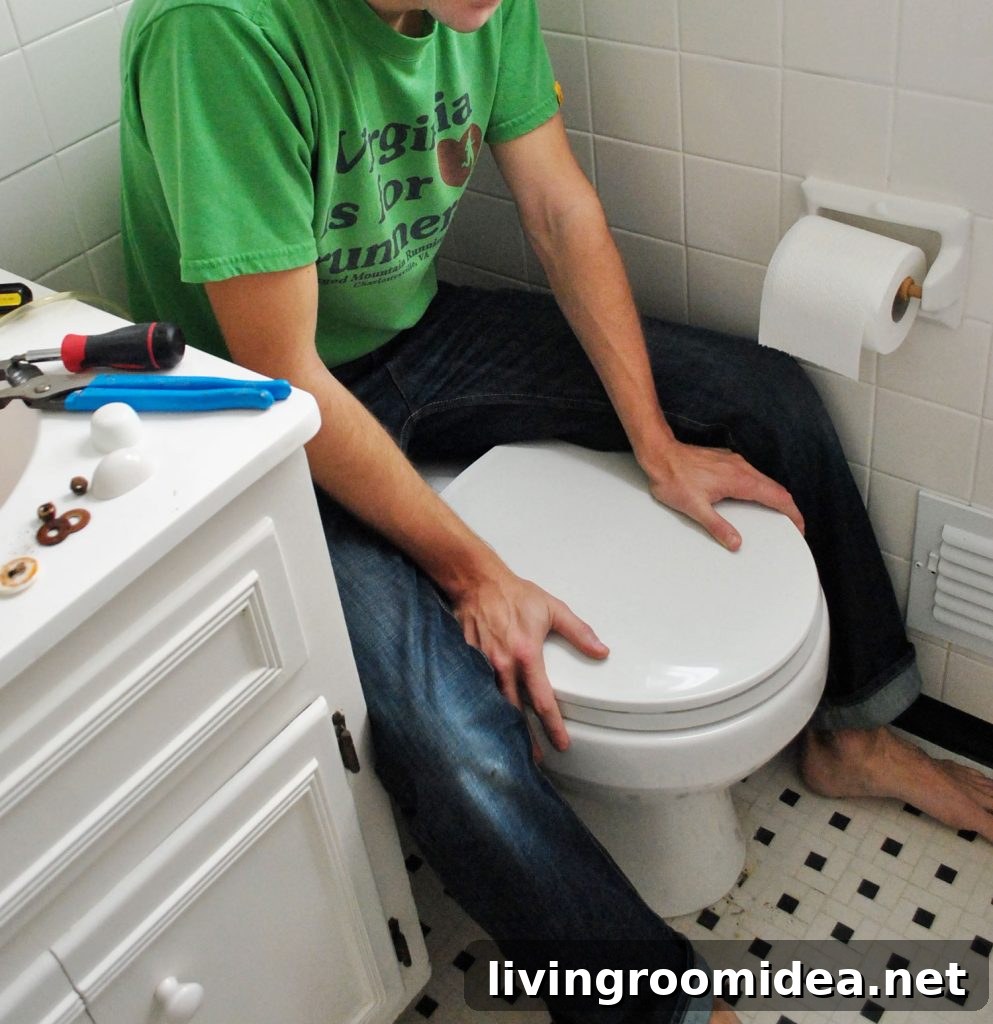
Press down on the bowl to compress the wax ring and create a seal; sitting carefully on the bowl can help compress the wax evenly. If placement is off or the wax ring deforms, remove the bowl and use a new ring before trying again.
Step 7: Bolt The Toilet Bowl
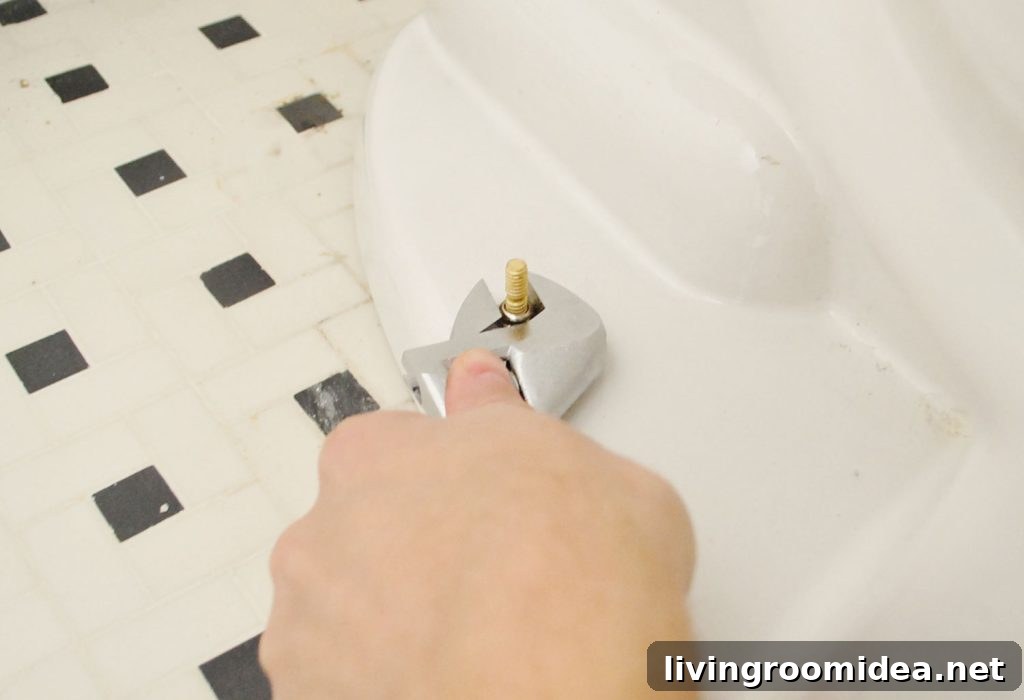
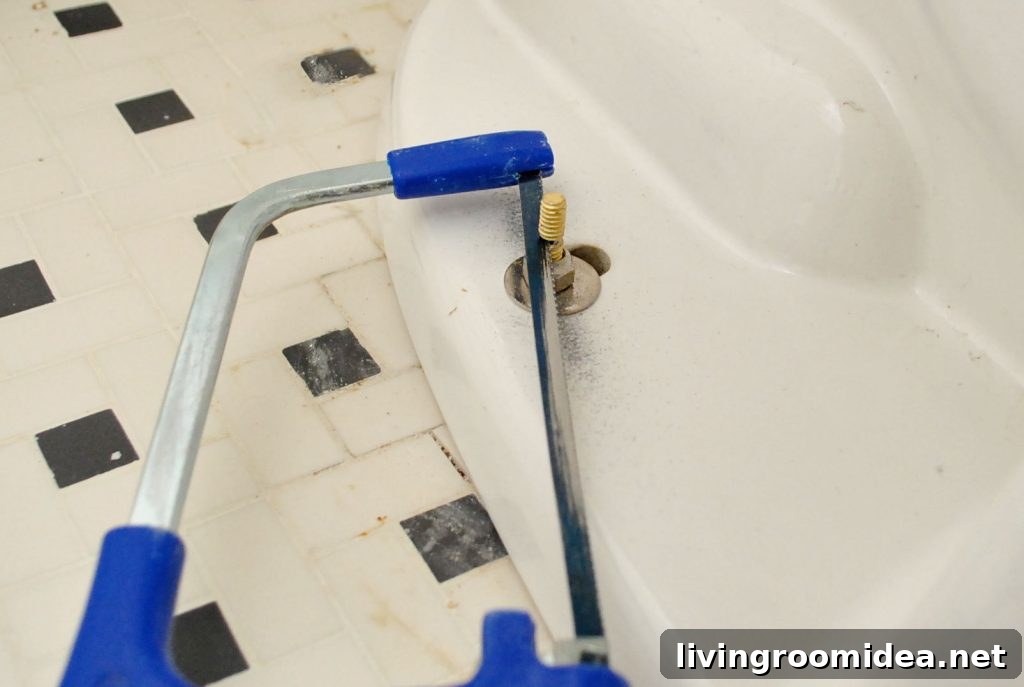
Install washers and nuts on the floor bolts and hand-tighten. Alternate tightening each nut gradually to keep the bowl level and avoid cracking porcelain. Trim excess bolt length with a hacksaw and snap on the plastic caps.
Step 8: Install The Toilet Tank
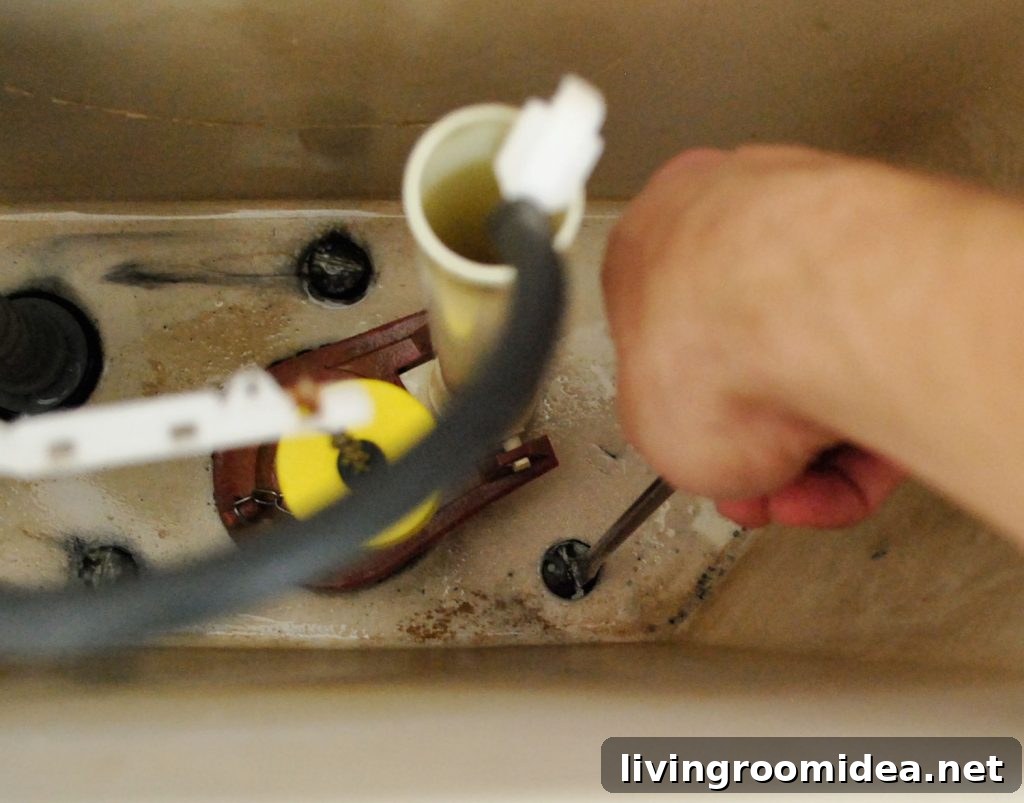
Set the tank onto the bowl, aligning the rubber gasket with the bowl’s outlet. Install tank bolts with rubber washers and hand-tighten the nuts, then tighten gradually with a wrench and screwdriver while checking that the tank sits level and nothing is binding. Alternate tightening to avoid cracking.
Step 9: Connect The Water Line
Reconnect the water supply line to the tank and hand-tighten. Turn the supply valve on slowly and let the tank fill. Flush a few times and inspect for leaks at the supply connection, between the tank and bowl, and around the base where the wax ring seals. Tighten connections slightly if leaks appear, or replace seals/gaskets if needed. If there’s a leak at the wax ring, the ring must be replaced.
- Check the supply line connection at the tank
- Check bolts and rubber gaskets between tank and bowl
- Check around the base for wax-ring leaks
Step 10: Finish The Toilet Installation
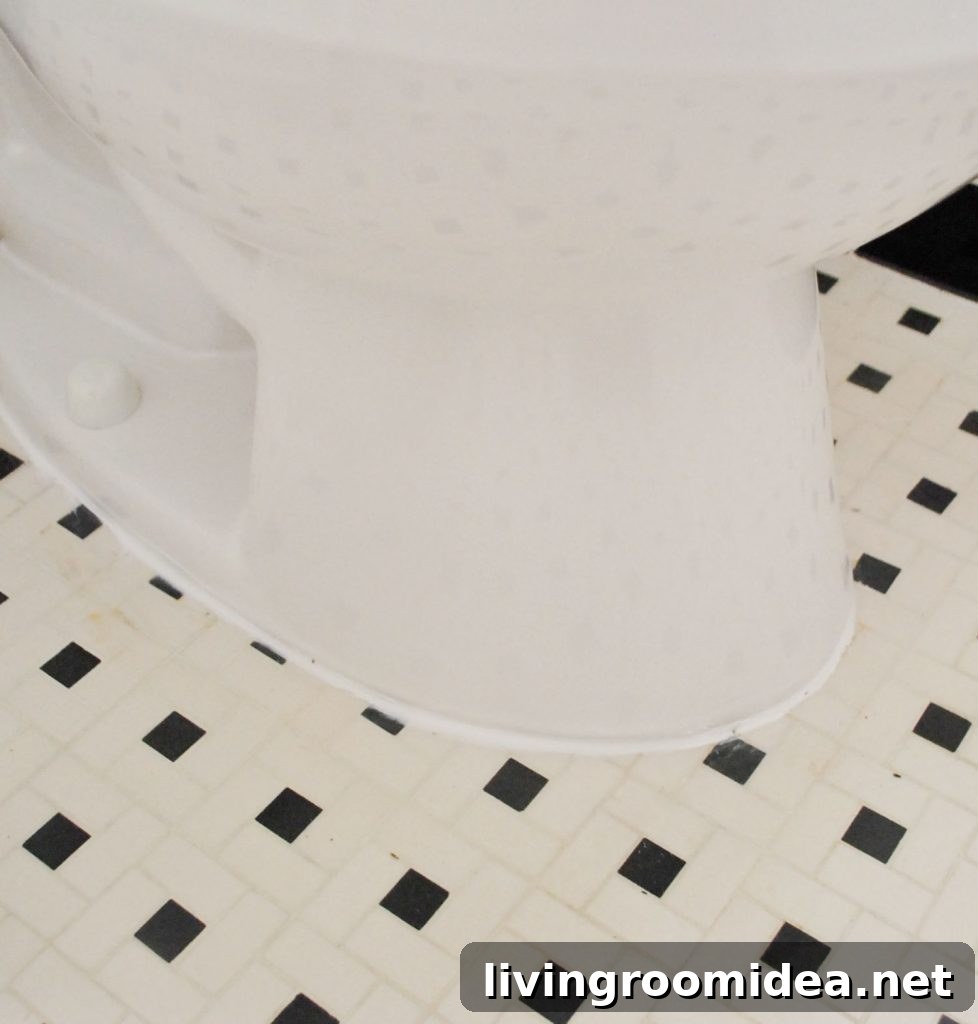
Attach the toilet seat and adjust the internal tank components for a proper flush. Run a final leak check. Apply a neat bead of white silicone caulk around the base of the toilet for a finished look and to help keep the base clean and stable.
Bonus Step: Dispose of Your Old Toilet
Don’t toss a functioning old toilet in the trash. Clean it and consider donating to a charity or selling it locally. Habitat for Humanity and similar organizations often accept used fixtures in good condition. Selling used fixtures can recoup a bit of the cost and keep usable items out of the landfill.
Toilet Installation FAQs
Can I install a toilet myself?
Yes. Installing a toilet is a beginner-friendly plumbing project if you can lift the components. Two-piece toilets make handling easier. A helper speeds the process and reduces strain, but many people complete it solo.
Do I need a plumber?
If any step feels beyond your skills or you encounter unexpected problems—damaged flange, persistent leaks, or complex plumbing—hire a professional. For routine replacements and careful DIYers, this is a manageable project.
Should I caulk around the toilet?
Yes. A bead of silicone caulk around the base improves the finished look, helps prevent dirt and moisture from getting under the toilet, and can reduce rocking. It also protects against leaks and odors caused by spills or accidents around the base.
Other Toilet How-Tos
If you enjoyed this guide, consider learning related projects such as fixing a rocking toilet, converting to dual-flush, or other bathroom plumbing tasks. Keep practicing—installing a toilet gets easier with experience, and it’s a useful skill for any homeowner.