
Calling all plant lovers — or those who feel they’re more plant killers than plant parents! I used to struggle with houseplants, but over time I’ve learned a few simple routines that help most of my plants thrive. I still lose one occasionally, but now I have more wins than failures.
Plants need consistent care and gentle products, just like we do.
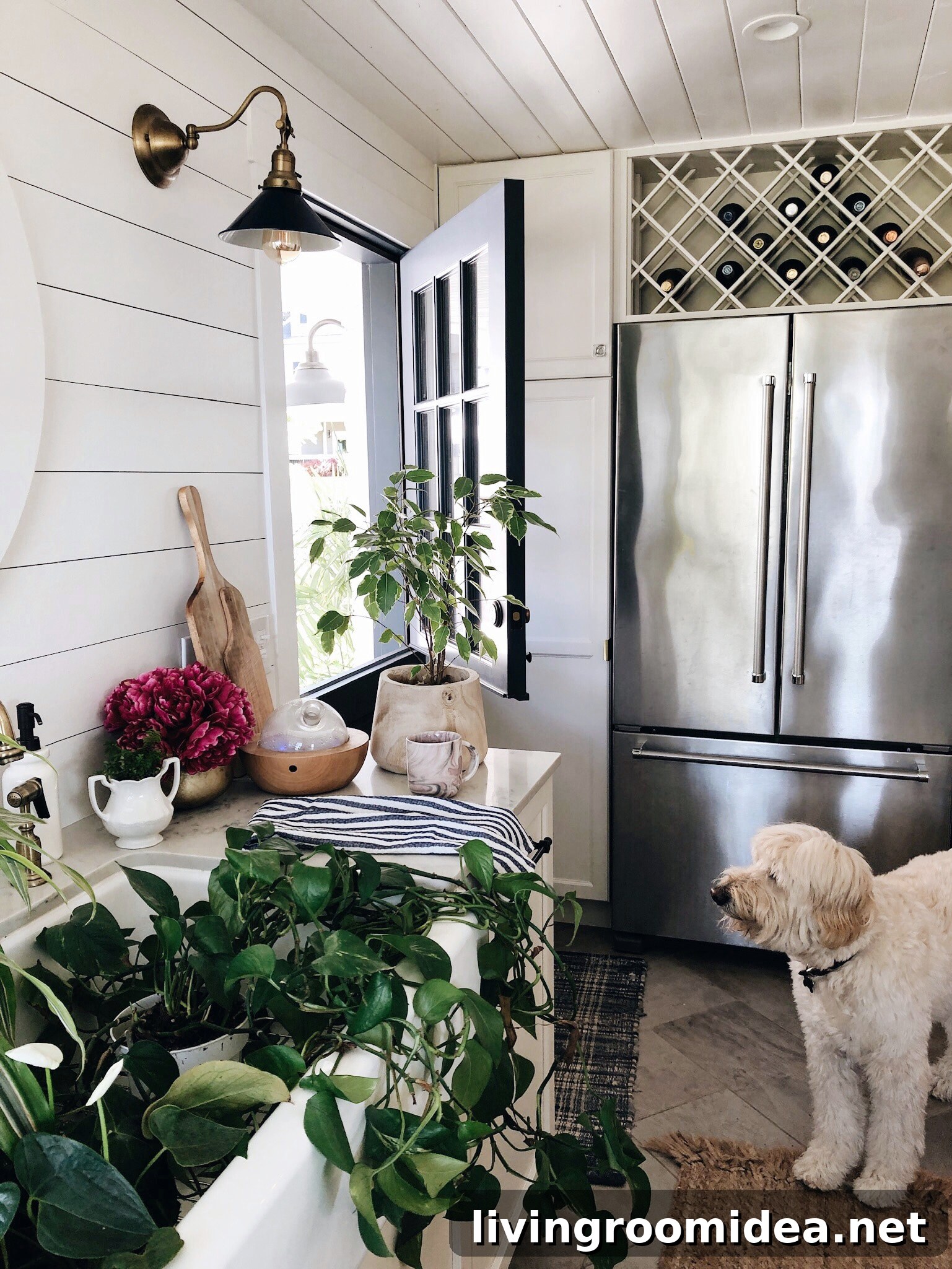
Get your happy plant home + garden concentrate here!
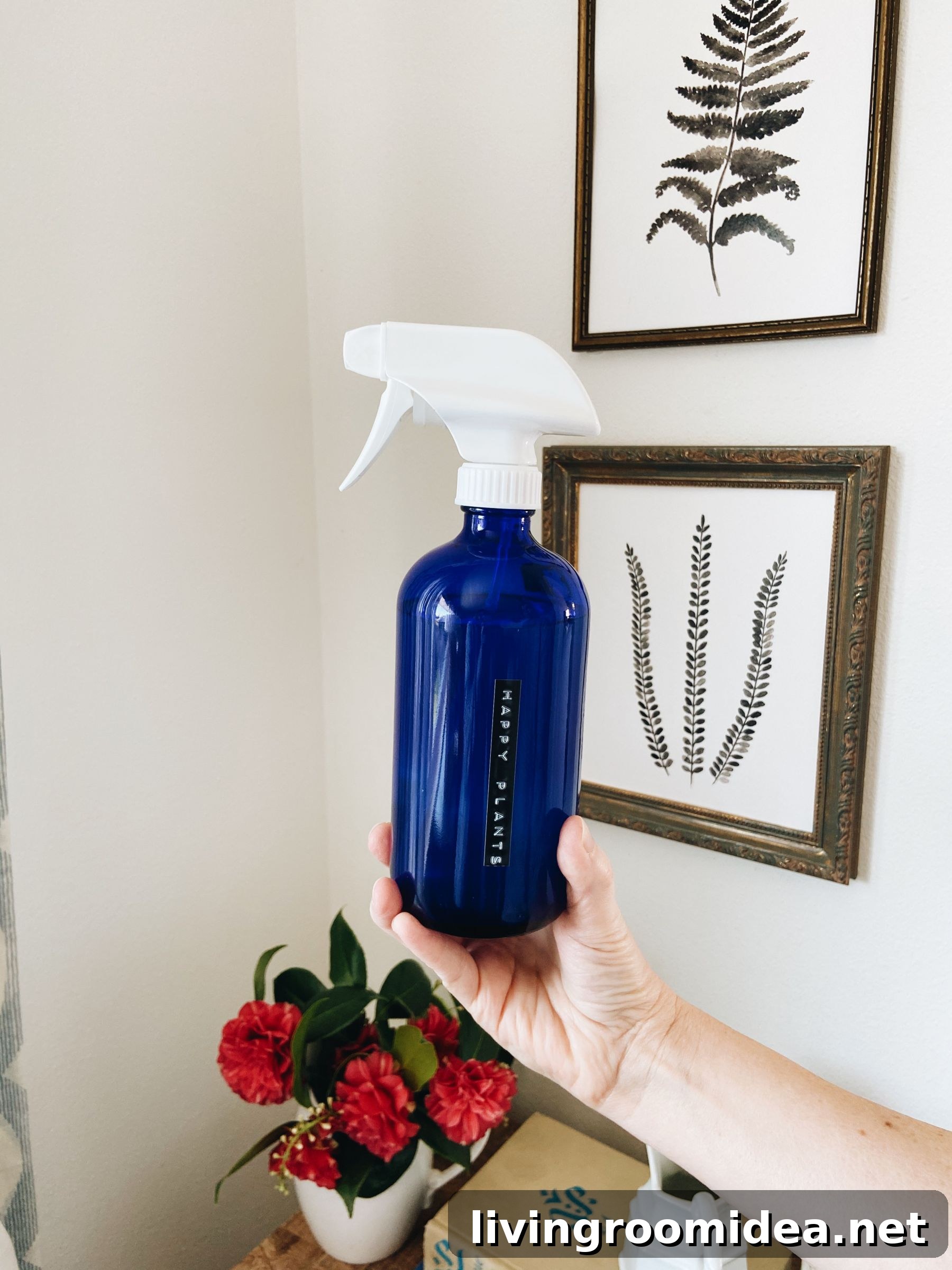
As promised, here’s the recipe and details for the essential-oil-based spray I use to keep my fiddle leaf fig’s leaves shiny and healthy — I call it my Happy Plant Spray — plus a lighter spritz I use for succulents.
Below you’ll find how I make the spray and how I use it around the house and garden.
I love having thriving houseplants, a lush garden, and a clean home. But I don’t want to rely on toxic chemicals to keep them that way. We now use plant-based products and pure essential oils for cleaning, plant care, and everyday rituals. They feel safer around people, pets, and plants.
The Happy Plant Spray I use on my fiddle leaf fig is the same plant-based cleaner I use around the house. It’s gentle, effective, and safe for plants and people.
Research over the past decades shows that many common household cleaners can damage respiratory health with repeated exposure. That’s enough reason for me to avoid harsh chemicals.
Years ago I experienced symptoms from toxic overload, so I became careful about the products I bring into our home. Choosing plant-based, transparent ingredients improved how I feel and gave me peace of mind.
Even if you don’t notice immediate health issues, many conventional cleaning products contain irritants and undisclosed “fragrance” mixes that can affect long-term health. It’s worth choosing cleaners that list their ingredients clearly.
Why are toxic household products still common?
Many store-bought cleaners contain ammonia, chlorine bleach, and synthetic disinfectants. Labels can be misleading: terms like “fragrance,” “natural,” or “plant-based” don’t reveal all ingredients. I learned to read labels carefully and choose brands that fully disclose and stand behind their ingredients.
Highlights from a peer-reviewed study on cleaning products and lung health:
- Over 6,000 participants were followed for decades, starting around age 34 and concluding around age 54.
- Participants used both spray and liquid cleaning products at home.
- Researchers tested lung capacity regularly.
- The study was conducted by a large international team of researchers.
- Women were affected more, likely because they typically use more household cleaners.
- Cleaning at home reduced lung function similarly to professional cleaning work.
Surprisingly, liquids were as harmful as sprays. The takeaway: choose cleaning products with safe, transparent ingredients, whether spray or liquid.
How to choose safer products
Avoid products that list “fragrance” without detail. Fragrance can hide many chemicals. Seek brands that disclose full ingredient lists and have clear testing and quality standards. That transparency matters for your health.
Ask: Does the brand list all ingredients? Do they test and guarantee quality? Where do they source their ingredients? Those answers help you decide what’s safest for your household.
I researched and began ordering household and personal care items through a trusted source years ago. Finding a brand you trust makes it easier to switch over and feel confident about what you use around your family and pets.
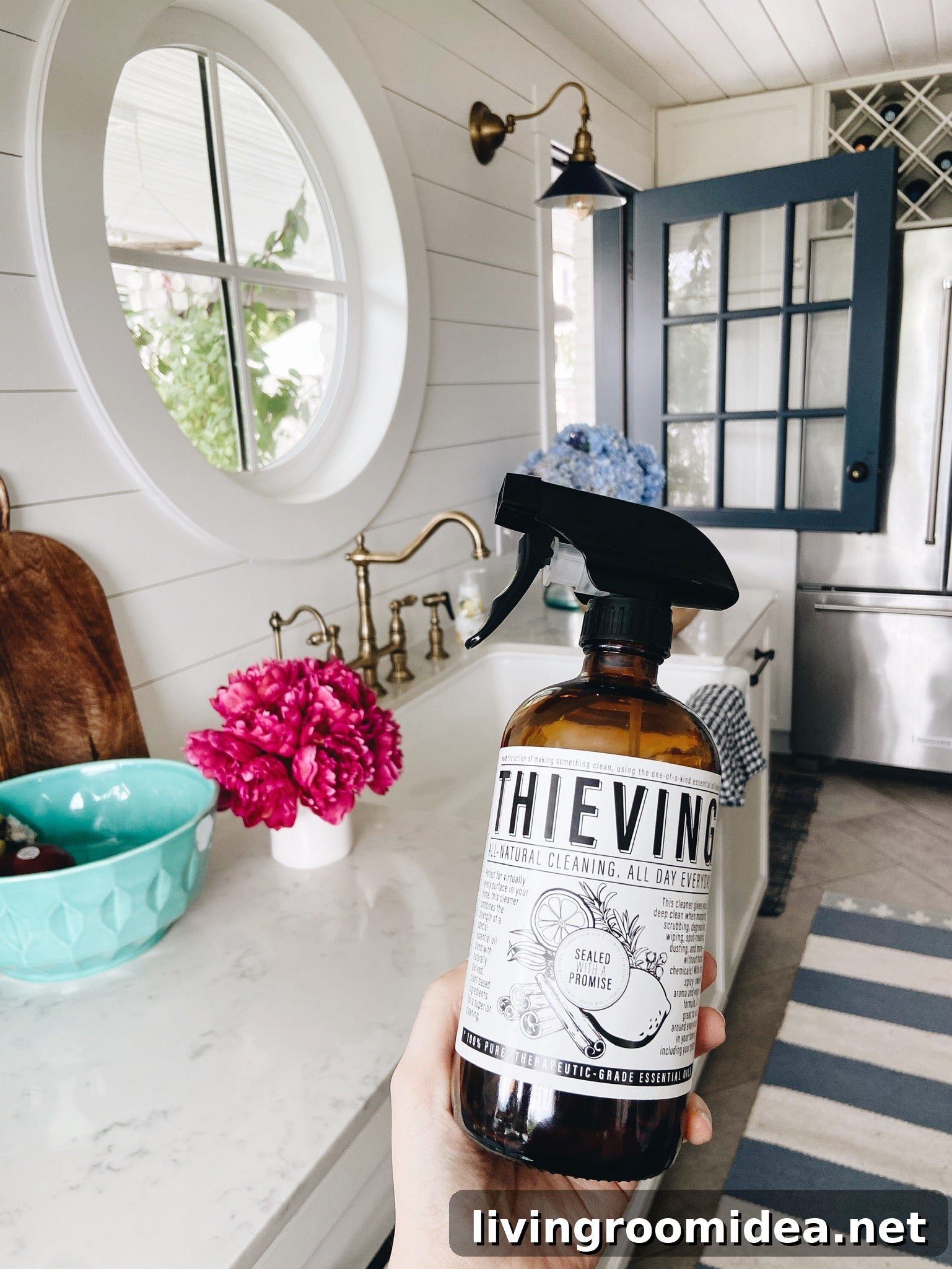
One plant-based cleaner I use as a concentrate is affordable and versatile: a capful in a spray bottle makes a safe, effective cleaner for many surfaces and even for plants.
Not only does this cleaner do a great job around the house, I appreciate that it’s designed to be safer for our family and our plants.
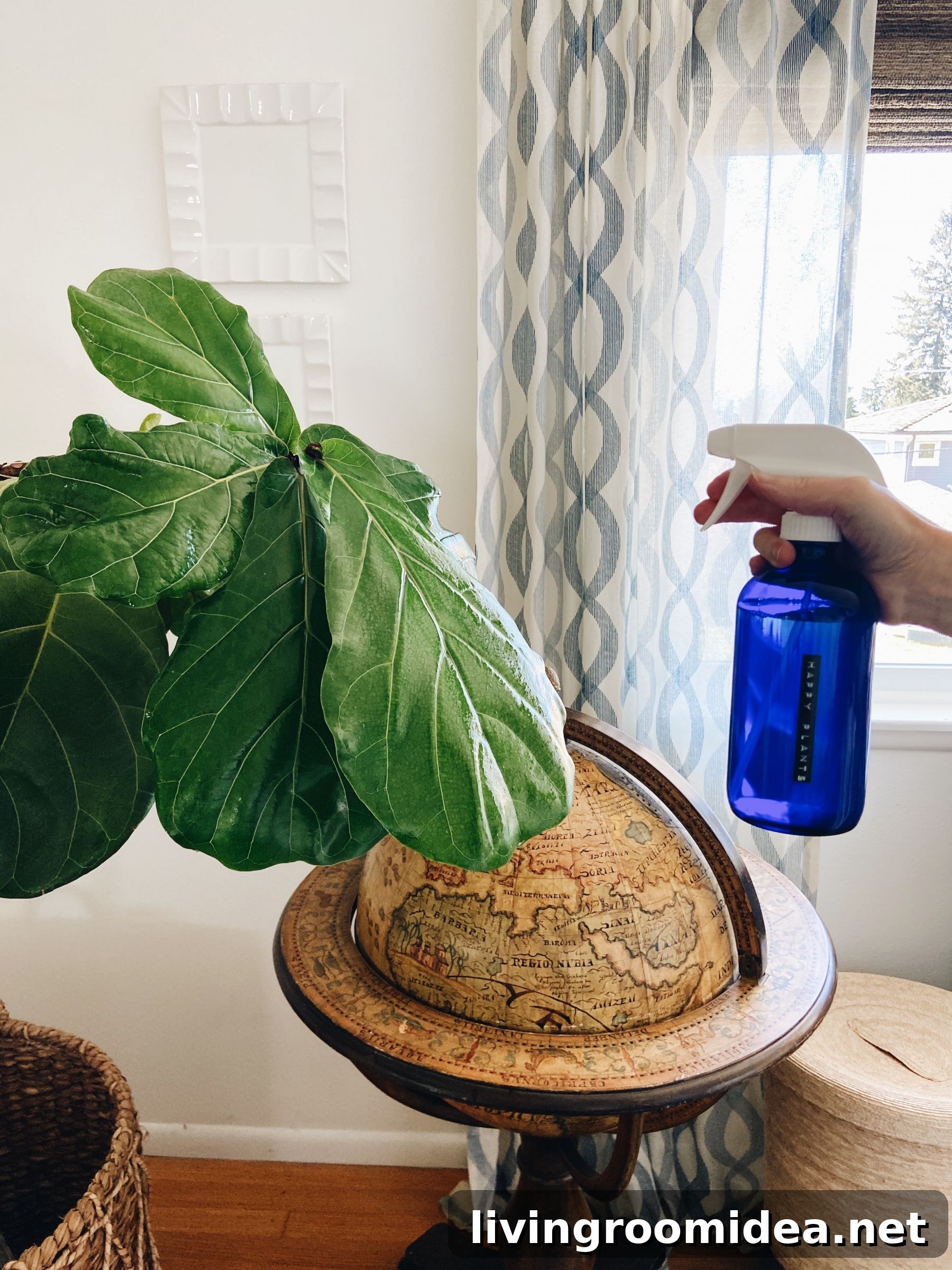
I use my plant-based cleaner for almost everything: patio furniture, slipcovers, rugs, counters, bathrooms, appliances, windows — and to mist plant leaves. After trimming and nursing my fiddle leaf fig back, regular gentle misting helped it recover and thrive.
I still water my fiddle leaf fig about every 10 days, and mist the leaves in between. It prefers bright, indirect light and minimal fussing.
My Happy Plant Spray — Recipe
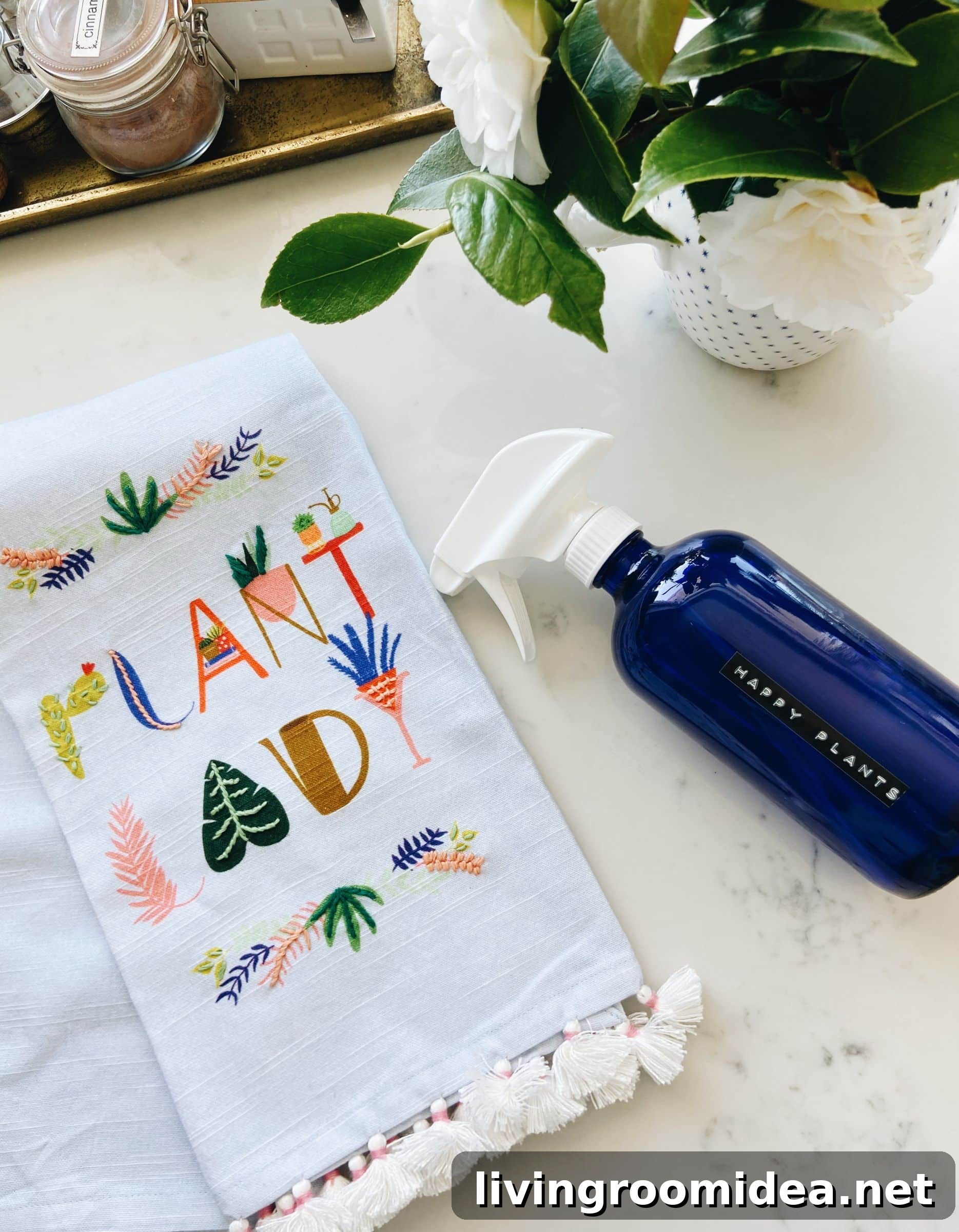
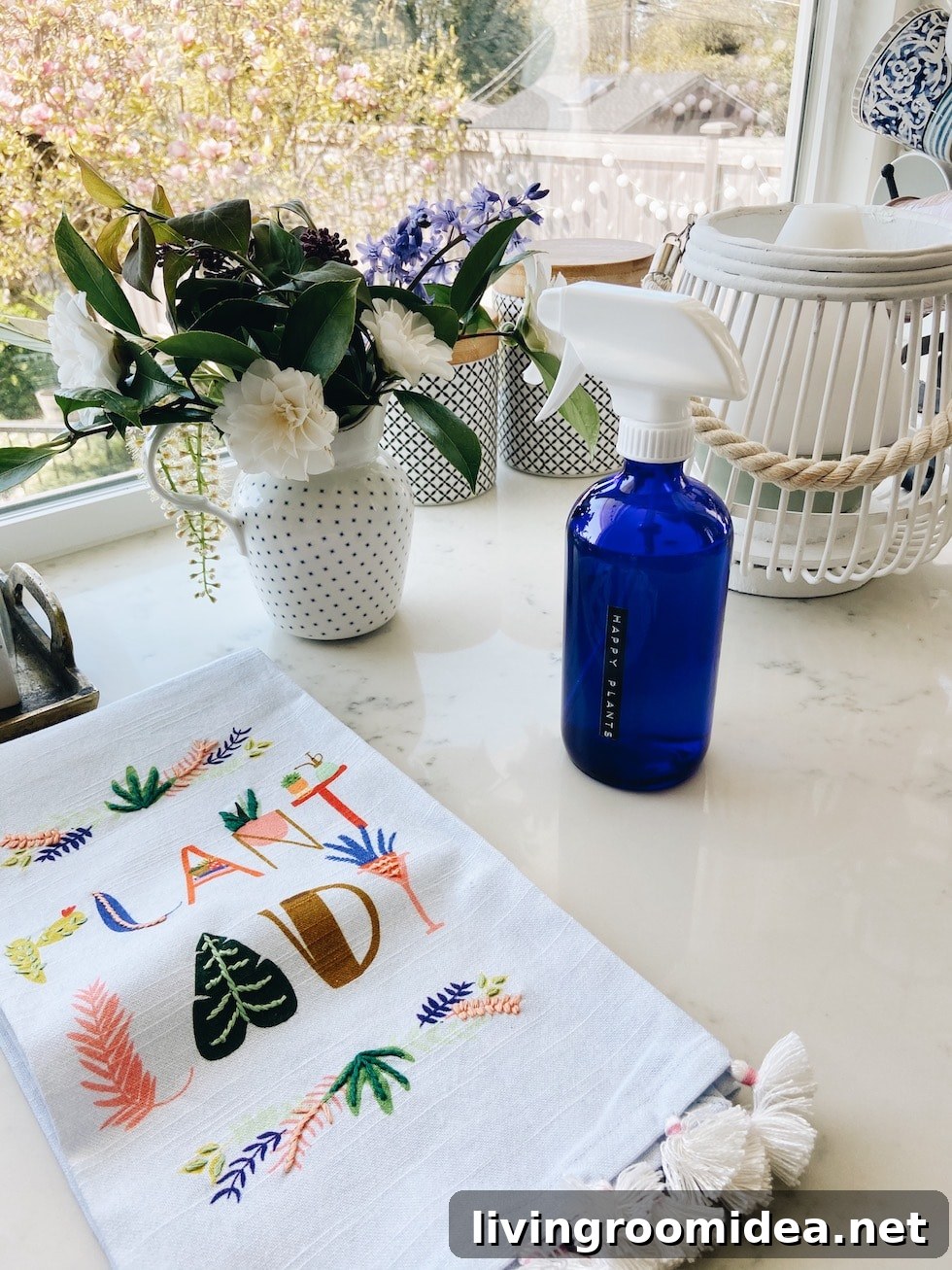
For a 16-ounce spray bottle: add about a capful of the plant-based household cleaner to the bottle, fill with water, then mist leaves to remove dust and add shine. The same mixture works well for routine cleaning around the house.
This simple spray keeps leaves clean and pest-free without harsh chemicals. It’s easy, effective, and economical.
For succulents, I make a lighter spritz with a few drops of tea tree, Purification, and lavender essential oils diluted in water. Succulents don’t like much moisture, so use a gentle mist sparingly.
I also shared an aphid spray recipe for roses in a gardening post, and plan to test essential-oil-based pest repellents in the vegetable garden this season. We already use a plant-based fruit and vegetable wash to clean produce safely.
Making Happy Plant Sprays is simple and empowering. It’s a small step that contributes to a healthier home for everyone inside it.
+ + + + + + + + + + + + + + + + +
How to get the home + garden concentrate and plant-based products

You can order the plant-based household cleaner, essential oils, and other toxin-free items from trusted suppliers. No starter kit is required — buy what you need. If you want help choosing products or reactivating an account, many sellers provide customer support and member resources.
FAQ & Ordering Tips
Choosing a brand with clear ingredient disclosure and quality standards makes it easier to trust what you bring into your home. If you have questions about ordering or product use, reach out to the supplier or community representatives for support and education.
From experience, brands that prioritize purity and on-site growing practices often offer more transparency and consistency in their products.
Please message the seller or product representative if you need ordering help or advice about which products will suit your household and garden care routine.
Tip: keep recipes and labels handy — an embossing label maker can help keep your bottles organized and clearly marked.
Related Plant Post on The Inspired Room:
A Love of Organic Gardening