
How should I stage my house to sell? Should I take down all of my family photos? I’m not selling but want my home to look good for guests — any tips? Do I need a lot of decorative accessories or should I declutter?
Those questions come up every time I mention that I’ve been staging homes for a local realtor for the past year. In this post I’ll explain why staging matters, share budget-friendly tricks, and show a bunch of before-and-after examples from houses I helped prepare for sale. Short version: staging is mostly editing, not decorating, and it can make a huge difference.
Why Stage a House?
Staging aims to make each room feel open, light-filled and welcoming. The goal isn’t to showcase your personal style but to highlight the house itself — the hardwood floors, tall windows, built-ins, thoughtful nooks and other features that come with the property. Overfilling spaces or covering up features with too much furniture or clutter will only make rooms look smaller and distract buyers.
If a room is small or dark, resist the urge to cram it with stuff; that makes it feel even more cramped. Accessories and furnishings should help buyers imagine how they might live there, so my mantra for staging is K.I.S.S.: keep it simple, stager. When done right, staging helps potential buyers see the best version of the space and picture their life in it.
I love staging because the results are fast and dramatic — often achievable with things homeowners already own. I don’t bring a truckload of furniture. Instead, most of my work is editing: removing bulky pieces, clearing clutter, and adding a few simple accents like pillows, a bowl of fruit, a white soap pump, or a bud vase with yard clippings. Typically my process is about 97% subtraction and 3% addition.
And yes, it works. The homes I’ve staged have sold quickly — often within days, sometimes with multiple offers. Staging helps get more buyers through the door and can improve the final sale price.
The Staging Process
My approach is straightforward: remove unnecessary items that crowd a room, simplify surfaces, and add a few neutral, tasteful accents. Homeowners or the realtor usually set aside space for the larger pieces we remove — a garage, attic, or storage pod — and provide bins or baskets for small items that need temporary storage. The heavy lifting isn’t muscle; it’s decisiveness about what stays and what goes.
Editing mantels, shelves, tabletops and counters often reveals a room’s strengths. In many cases, reducing items by half will instantly make a space feel cleaner and more spacious. For instance, removing an elliptical machine from a master bedroom and arranging seating in its place turns an awkward, cluttered corner into an inviting sitting area that highlights fireplaces, built-ins, and floor space.
Easy Staging Tricks You Can Do
Many staging moves cost nothing and can be done quickly. Here are reliable steps that usually make rooms feel lighter, larger and more marketable.
Clear Countertops
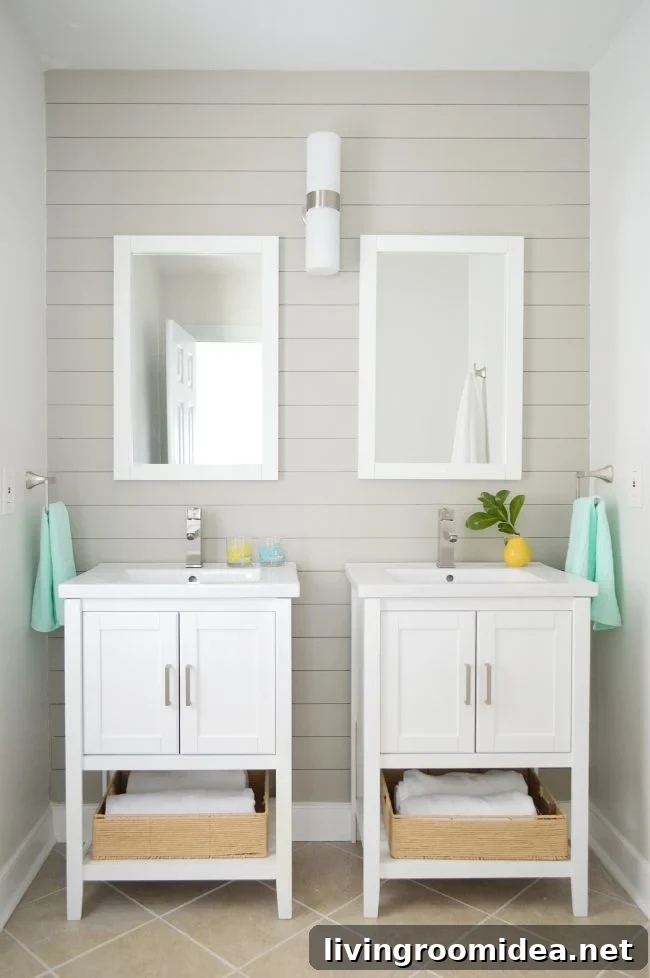
Remove almost everything from kitchen and bathroom counters. Hide small appliances, stacks of paper, toothbrushes and cosmetics in drawers or cabinets. Clear counters show off surface area and help buyers imagine their own items in the space. Replace mismatched plastic soap bottles with a simple white ceramic pump for a clean, cohesive look.
Simplify Other Surfaces
Clear kitchen tables, coffee tables, nightstands and bookcases. Removing excess objects and small decor clusters prevents the eye from getting distracted and helps buyers focus on the room’s architectural features, like staircases, molding or tall windows.
Remove Small Rugs & Unnecessary Floor Coverings
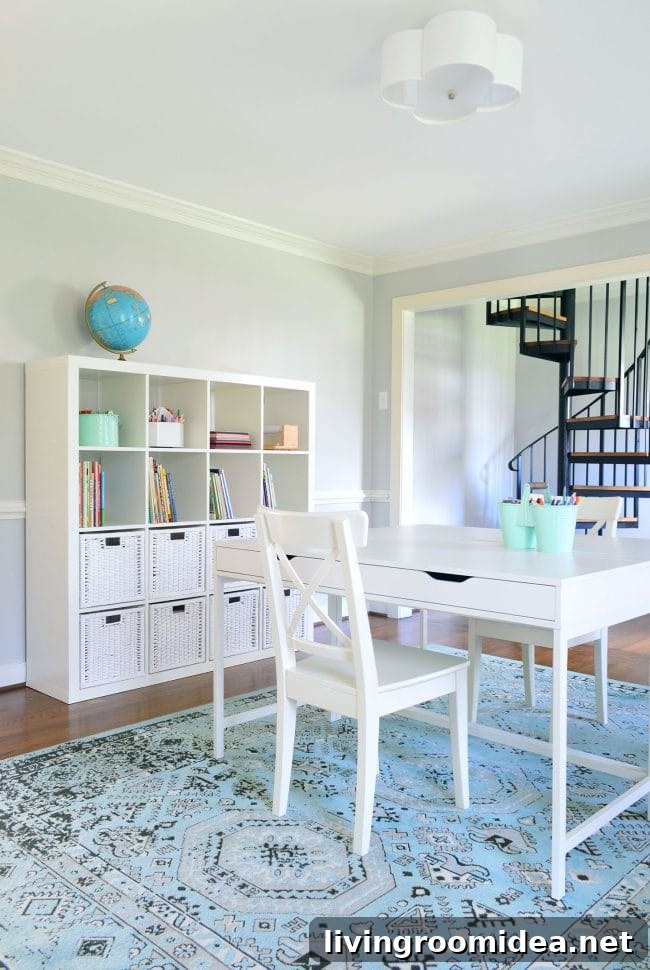
People want to see floors and the flow of a home. Remove small doormats, runners and bath mats for listing photos and showings so the eye moves smoothly through a hallway or room. Large area rugs that anchor a living room or bedroom are fine, but small rugs often interrupt visual flow and make spaces look busier than they are.
Let Walls Breathe
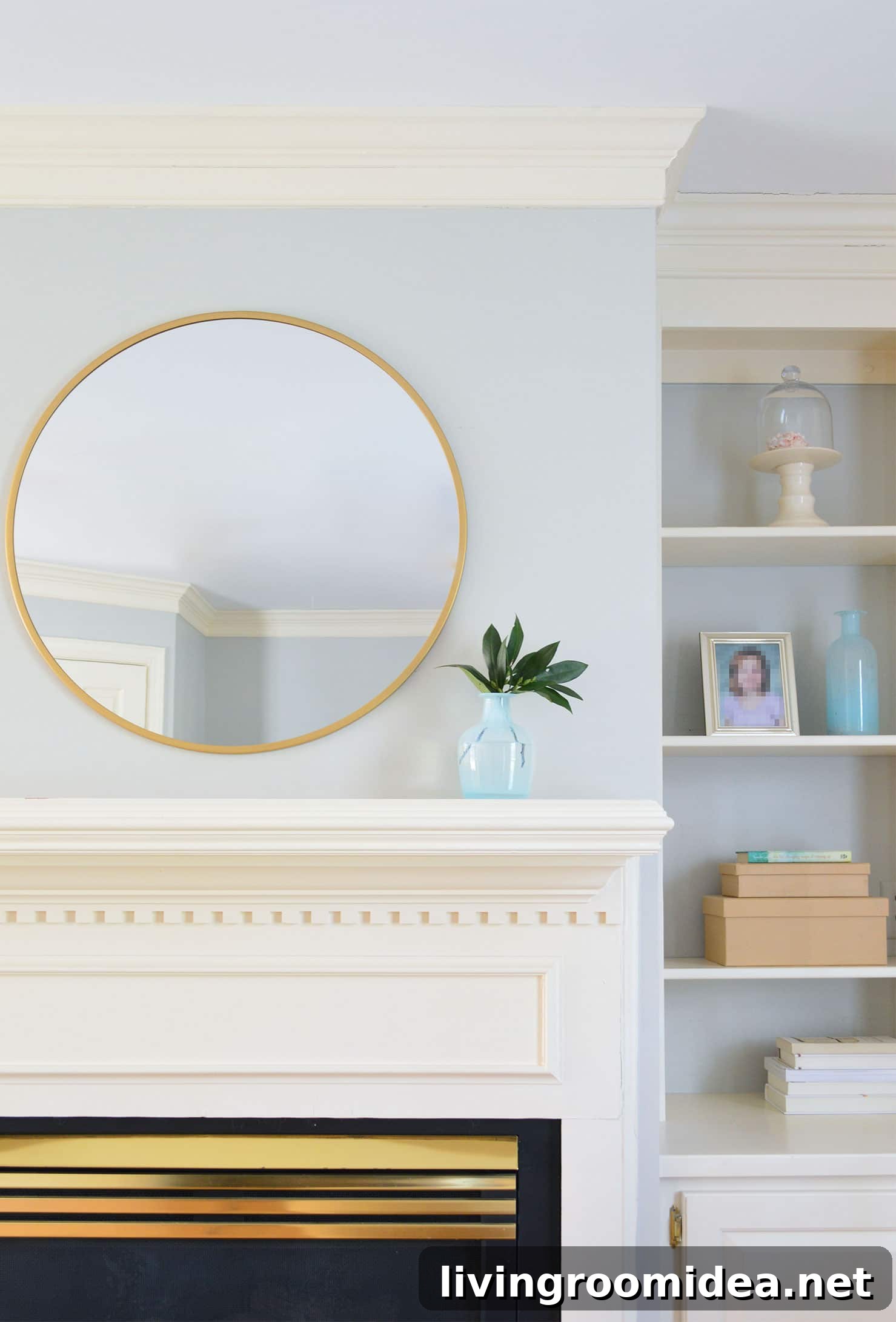
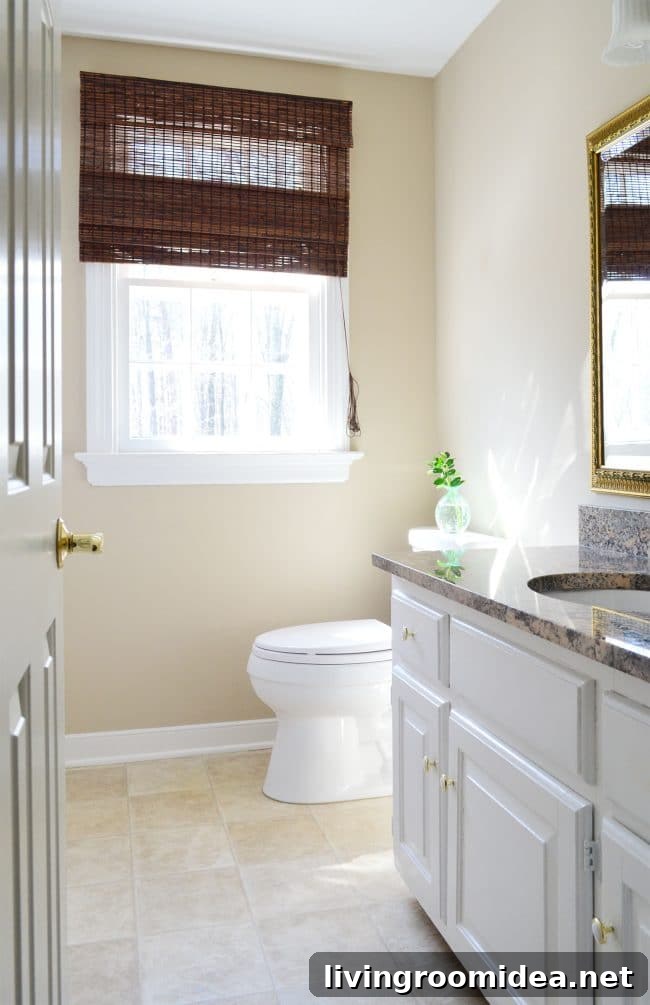
A busy gallery wall or lots of wall-mounted organizers can make a hall or room feel smaller. Remove extra frames, file baskets or bulky wall decor and patch holes. A single large mirror or a well-placed piece of art is often enough to add interest without overwhelming the wall.
Don’t Remove All Personal Items
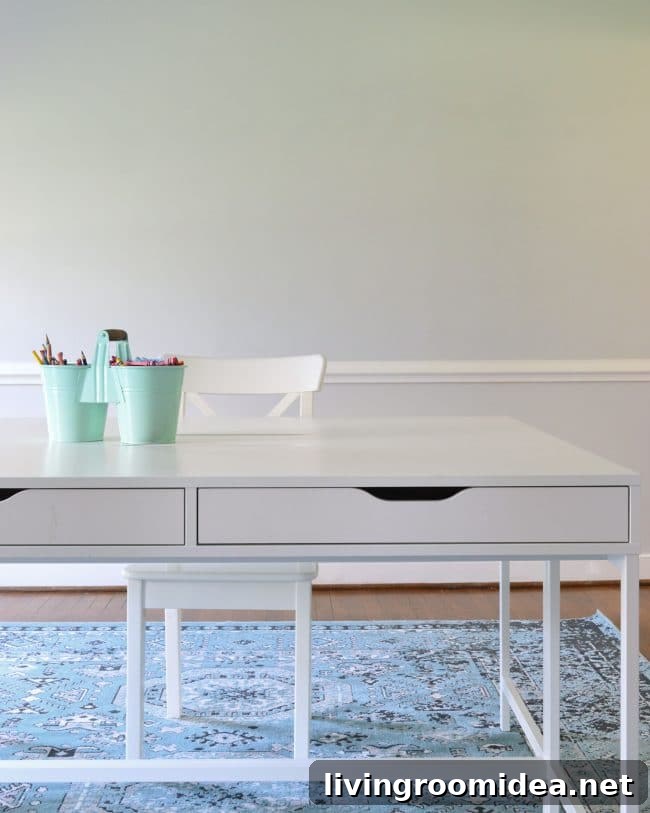
Contrary to some advice, you don’t have to remove every family photo. A few images are fine and can still allow buyers to imagine their own photos in the space. The key is moderation and avoiding clusters of small frames that make walls feel busy. I tend to remove frames regardless of their content when they contribute to visual clutter.
Accessorize With Caution
After simplifying, add just a few tasteful accents: lamps, neutral pillows, pretty glassware, a white pitcher, or a bowl of fruit. I often use free yard clippings in small bud vases for fresh greenery. For mantels and shelves, one or two objects per shelf reads as styled without overwhelming the room.
Staging a Kitchen
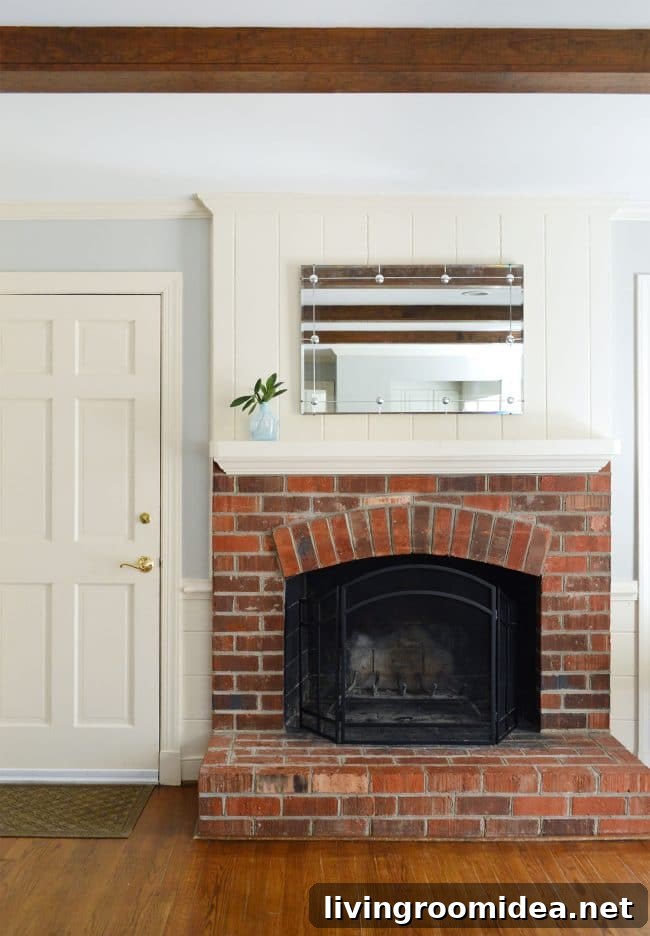
The kitchen can make or break a sale. Start by clearing counters, removing items from the sides and top of the fridge, and adding one or two neutral accents like a white soap pump or a white pitcher with clippings. These small edits help buyers see the cabinets, appliances and layout instead of the clutter.
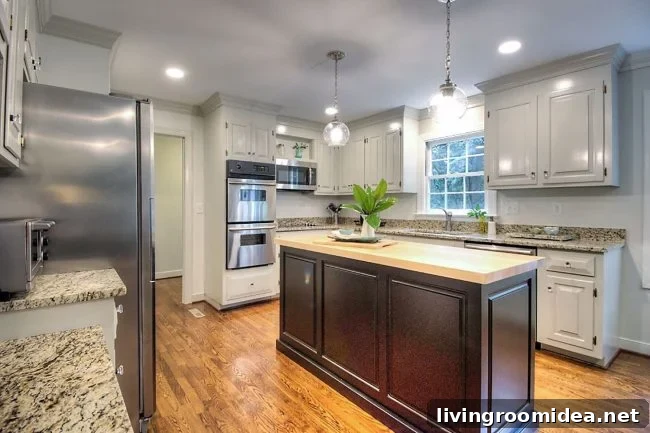
For kitchens that feel dated, a paint refresh can do wonders — including painting porous tile backsplashes in some cases. Combined with decluttering and simple styling, minor cosmetic updates can make a kitchen feel fresh and buyer-ready.
Staging a Living Room
Neutral paint and fewer heavy furnishings often transform a living room. Remove excess seating, swap in lighter pieces if available, add a large rug to define the space and bring in simple accessories. The aim is to reveal the room’s size and architectural features, not to show how many guests you can host.
Staging a Dining Area
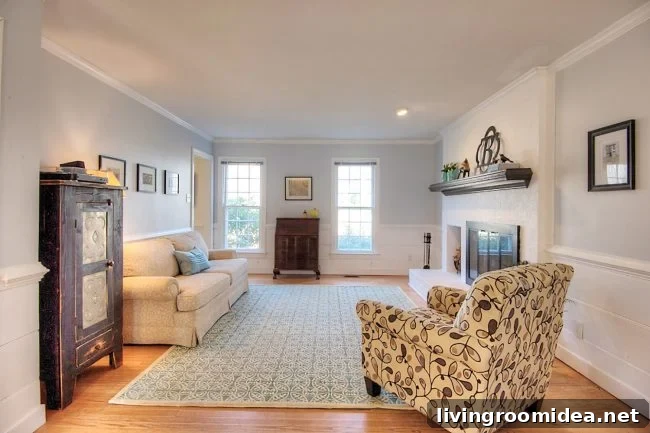
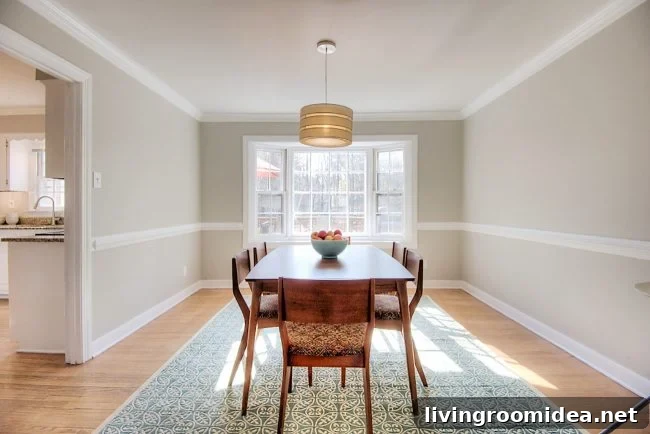
Sometimes the room itself is great but furnishings and window treatments date it. Replace heavy furniture and ornate drapes with a simple table, neutral rug and pared-back accessories like a bowl of fruit. The result should feel bright, airy and let elements like crown molding and big windows stand out.
Items to Buy When Staging
You often don’t need to buy anything to stage successfully. If you do want a small kit of staging-friendly items, consider these versatile pieces:
- Fluffy white bath towels
- Extra-long white shower curtain
- White duvet cover
- White utensil holder for the stove
- A few solid-colored accent pillows
- Several small bud vases for yard clippings
- One large accent vase
- A plain white pitcher (doubles as a vase or utensil holder)
- A neutral, affordable area rug
- Large framed art
- Smaller framed art for tight spots
- A simple white soap pump
Staging is mostly about smart editing and highlighting a home’s best features. Even if you’re not selling, applying these principles can make your home feel calmer and more inviting. And yes, a simple bowl of fruit or a bud vase of clippings often does the trick.
*This post contains affiliate links*