
Picture Molding: A Stylish, Damage-Free Way to Hang Art
Picture molding, also called picture rail, is a classic and practical solution for displaying artwork without damaging walls. Traditionally found in older homes with plaster walls, picture rails are narrow moldings mounted high on the wall that allow you to hang pictures using hooks and cord. They provide flexibility for arranging and changing displays without repeated nail holes in drywall or plaster.
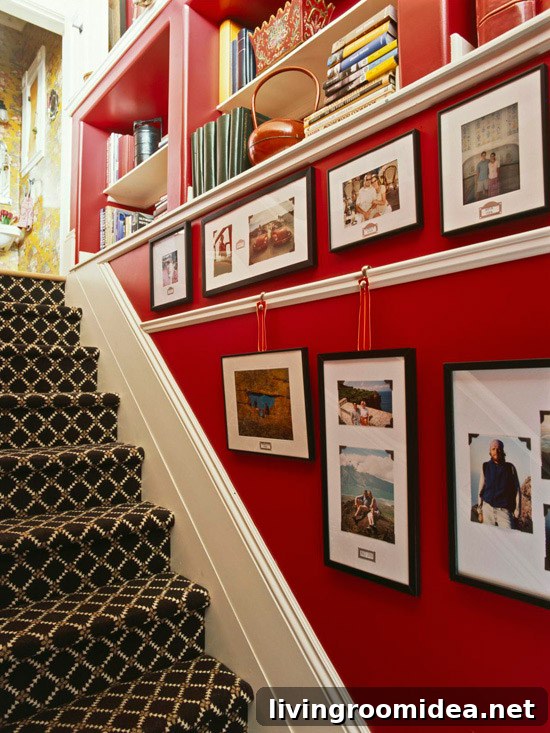
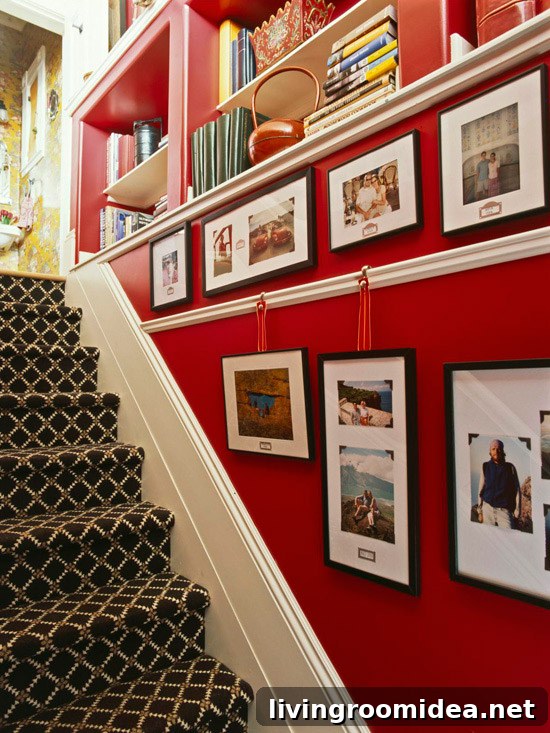
Recently I came across an inspiring example of picture molding used alongside a staircase. It was a reminder that picture rail doesn’t have to be limited to historic homes or ceiling lines. In the featured image, the rail is installed next to the stairs, creating a charming gallery that follows the slope of the staircase and makes great use of vertical wall space.
There are several reasons to consider picture molding for your home:
- Protects walls: Hooks attach to the rail so you avoid hammering multiple nails into drywall or plaster.
- Flexible arrangements: Art can be repositioned quickly without new holes or patching.
- Stylish detail: Picture rail adds architectural interest and can be finished to match trim or painted as an accent.
- Great for stairways and galleries: Installing the rail along a stairwell creates a cohesive, visually engaging display that follows the incline.
If you’re considering picture molding, here are a few practical tips for a successful installation:
- Choose a rail profile that complements your existing trim—simple and narrow for modern interiors, or more ornate for period homes.
- Install the rail at a consistent height around the room or along the stair—typically 2–3 inches below the ceiling or positioned to suit your wall art sizes.
- Use quality picture hooks and adjustable cord or cable hanging systems for a neat, secure display.
- Plan the layout before hanging: measure and mark placement to ensure balanced spacing, especially along angled stair walls.
Picture molding works well in living rooms, hallways, staircases, dining rooms, and home offices—anywhere you want a rotating gallery without repairing holes each time you refresh the decor. It’s also a smart choice for renters if you install a removable or minimally invasive rail system approved by your landlord.
After seeing the stairway example, I’m inspired to add picture rail in my own home. It’s a simple change that opens up many possibilities for displaying art, family photos, and seasonal pieces while keeping walls in great condition.