
YYou don’t need piles of decorations, handcrafted pieces, or expensive collections to make a house feel personal and finished. Many blogs showcase homes full of accessories and collectibles, and while collecting or crafting can be a fun hobby, it’s not the only path to a beautiful home. If you’re not eager to spend money on decorative items or don’t have time to make things, there are simple alternatives that still let your personality shine.
So what are we to do if we fall into the “I don’t want to spend a lot OR create everything by hand” category?
It can feel discouraging to compare yourself to overly styled blog spaces, but don’t worry. You can create a warm, well-styled home using everyday items you already own and actually use.
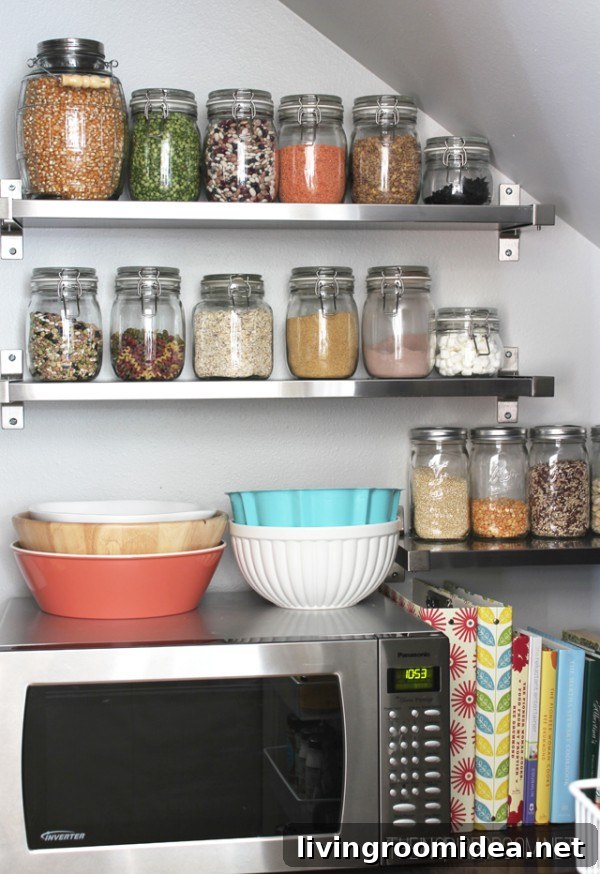
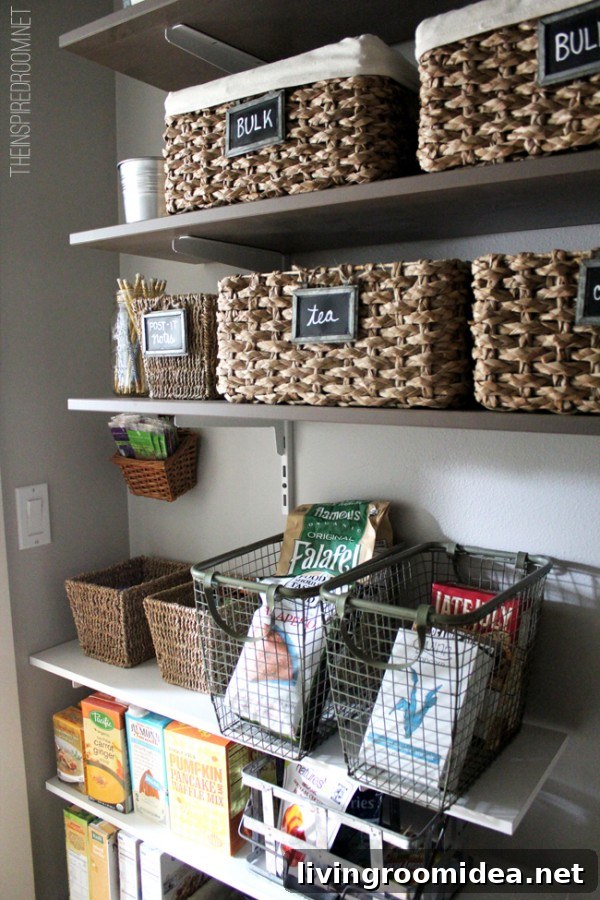
My kitchen pantry displays dried goods in jars while other items sit neatly in baskets, making storage both functional and attractive.
Here is my style tip for the day:
You don’t have to spend a fortune or be endlessly crafty to have a beautiful, personalized home — everyday items can do the work for you.
By using things you already have and actually use, your authentic style will naturally come through.
I love displaying useful items as decor. When your everyday objects are pretty, they turn routine moments into small pleasures, and your home looks thoughtfully styled without trying too hard. This approach creates a natural, lived-in beauty that feels authentic rather than contrived.
When items in your home have appealing colors, textures, shapes, or patterns, find ways to display them. Group them on shelves (even simple shelves with brackets look great), place them in glass-front cabinets or open armoires, or hang them on hooks. Everyday objects can become art — often with a subtle, effortless look that feels like a happy accident instead of an over-planned display.
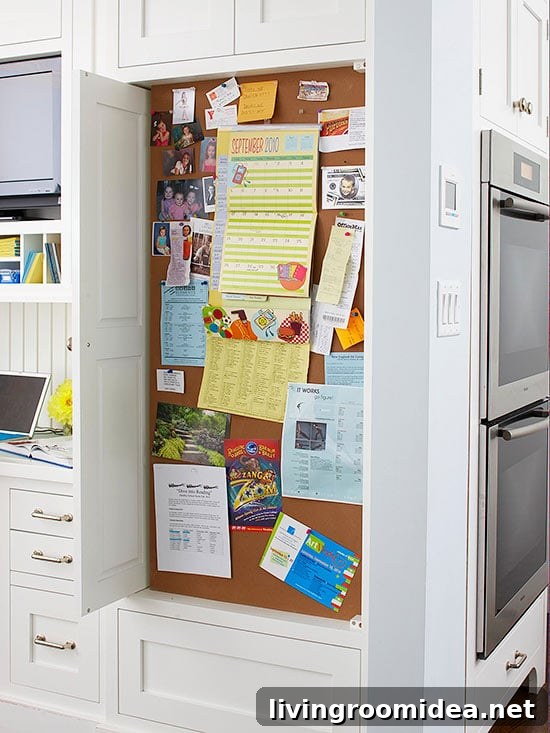
I’m a big fan of bulletin and pin boards. They contain paper clutter while making a visual statement at the same time.
Reserve closed storage for unattractive items and clutter. Too many things on display create visual noise. Be selective about what you show, and balance objects with empty space so your displays breathe.
Show items you use rather than pieces that only look pretty. Dual-purpose items are efficient, economical, and authentic. Arrange items by color, shape, or purpose—just as you would a prized collection—to create an intentional look.
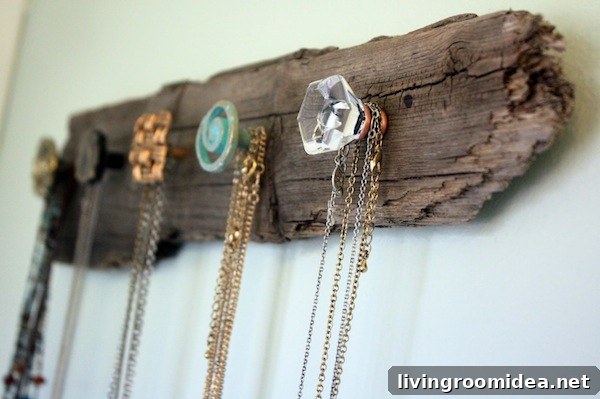
A simple driftwood jewelry organizer can serve as both storage and wall art.
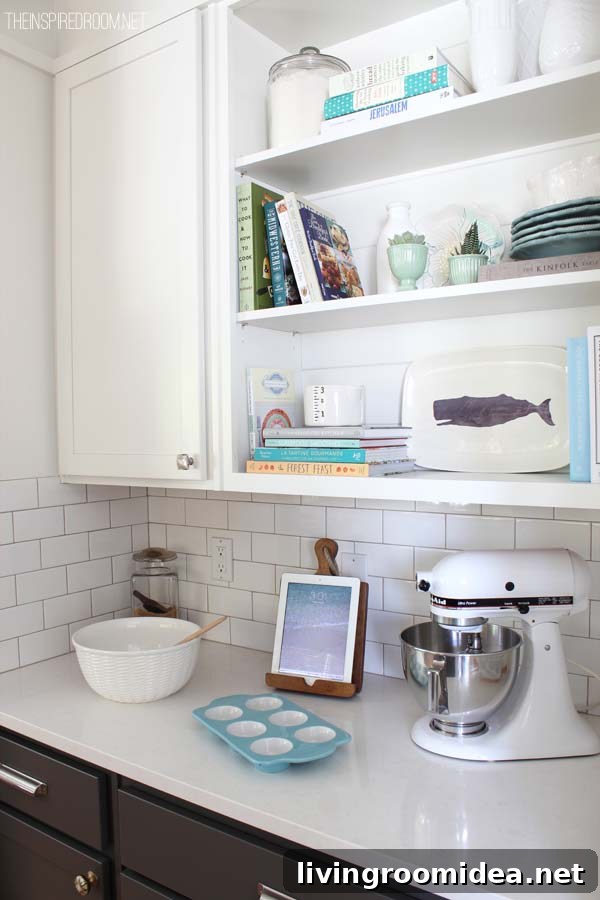
Add shelves to any room to create display opportunities. Open shelving or glass-front cabinets make dishes, pitchers, and everyday items feel homey and intentional.
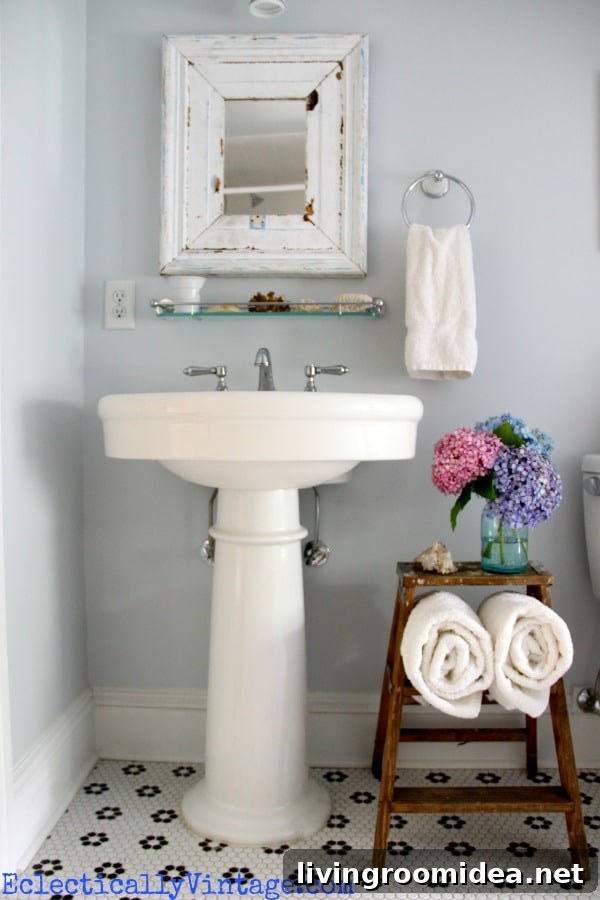
Repurposed furniture, like a vintage ladder for towels and a vase, instantly adds charm and function.
Re-purpose furniture to display everyday items. A bookcase filled with folded towels or a glass-front cabinet showcasing purses and shoes turns storage into a display that reflects your style.
Baskets or clear jars filled with practical items make attractive accents. Even cotton balls look lovely in a clear jar from an affordable retailer.
If you don’t already own pretty everyday things, start collecting them. You deserve to use attractive items daily — why drink from an ugly mug when a pretty one brings you more joy? Shop thrift stores, resale shops, and discount retailers for cups, bowls, and other basics. Attractive doesn’t mean expensive.
Slowly replace unattractive necessities with appealing ones. Over time, pulling a beautiful cereal bowl from the shelf will brighten your morning more than an unused object d’art. Simple white dishes or mismatched pieces from discount stores can look curated and lived-in.
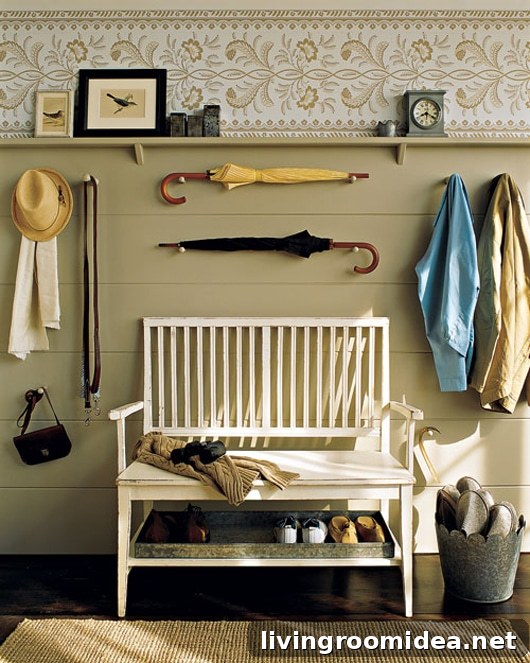
When you face an empty wall or shelf, ask which everyday items you could bring out to create art. The objects you choose — whether chic, antique, colorful, or neutral — will communicate your personal style.
You don’t need to follow every trend to have style. Trends can feel temporary and impersonal. Choose items that reflect you instead of simply copying what’s popular. Trendy is fine if you truly love it, but personal, lasting choices will serve you better in the long run.
Consider creative ways to display everyday items like:
Aprons
Art supplies
Pantry items
Oils & vinegars
Fruits & vegetables
Baskets
Cookbooks
Pots, pans, baking dishes
Towels
Clothes
Dress shoes
Scarves
Jewelry
Purses
Coffee mugs
Plates
Decorative books
Trays
Pitchers
Serving pieces
Vases
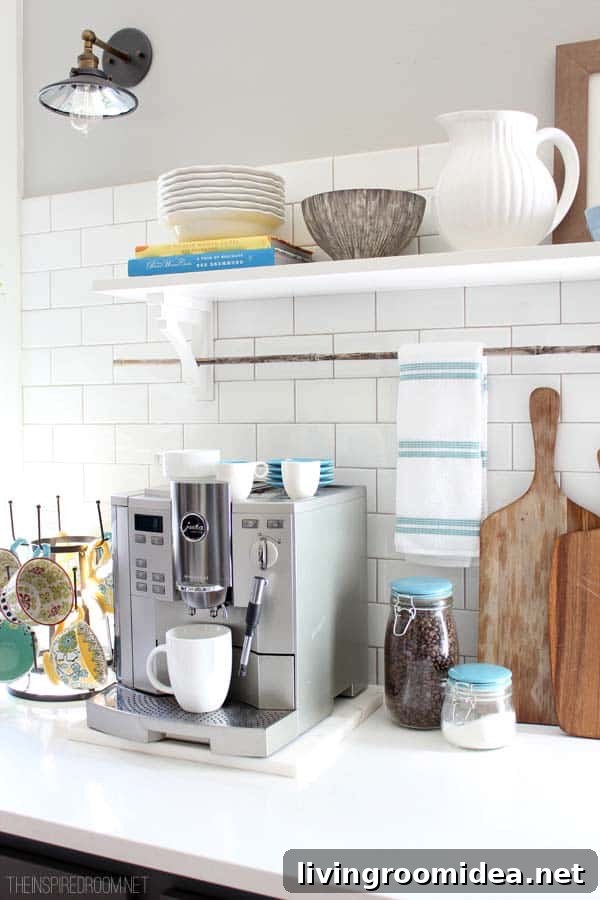
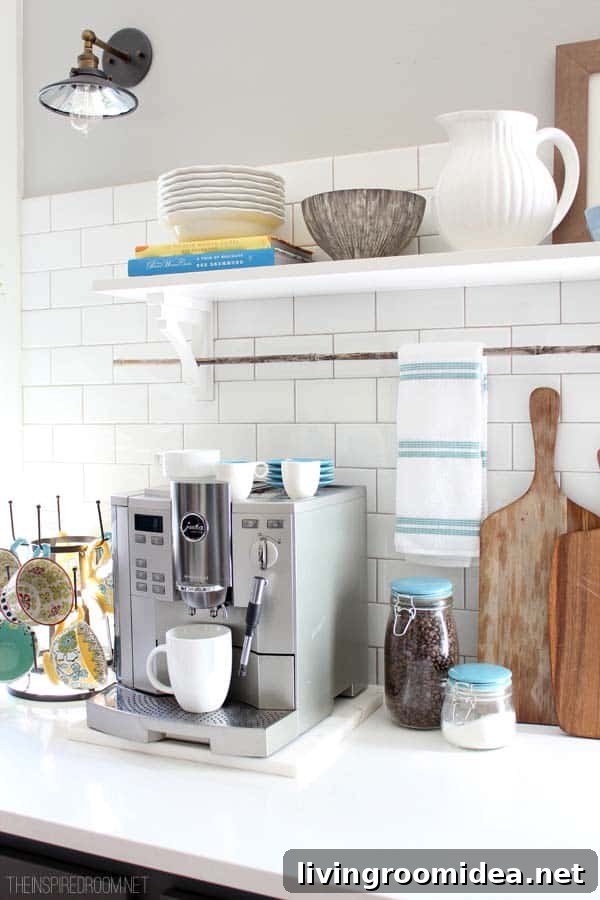
In my kitchen I keep everyday mugs, pitchers, cookbooks, cutting boards, coffee beans, and sugar on display so they’re both useful and decorative.
*This post was updated from an earlier version with new photos.