DIY Bottle Lamp: Step-by-Step Guide to Make Your Own Lamp
5 min read
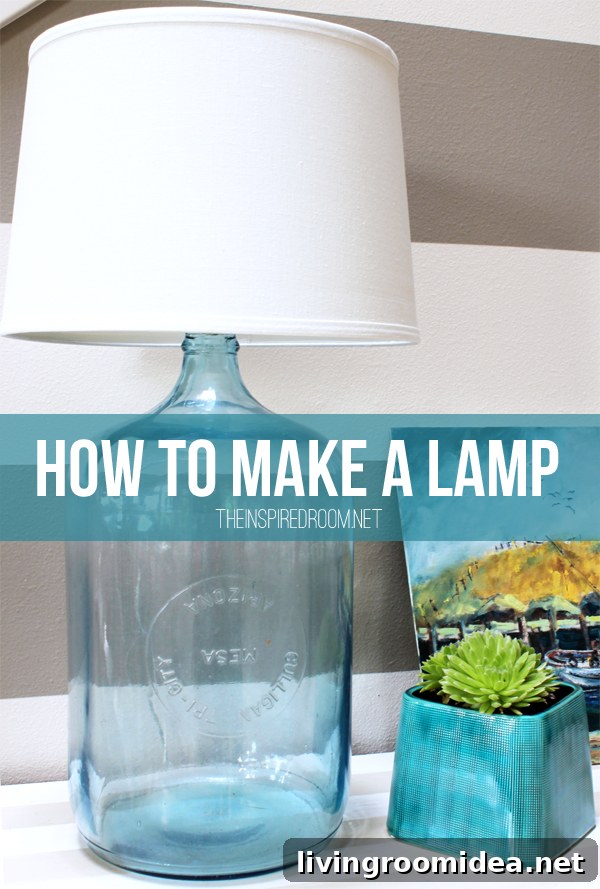
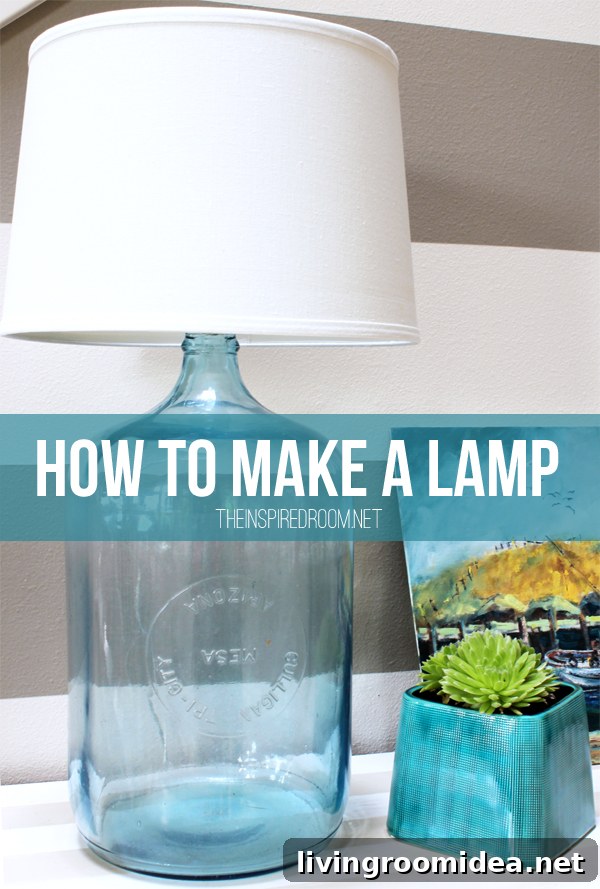
How to Make a Lamp
All instructions and sources are summarized at the end of this post if you want the quick version. First I’ll walk through the process step by step with more detail.
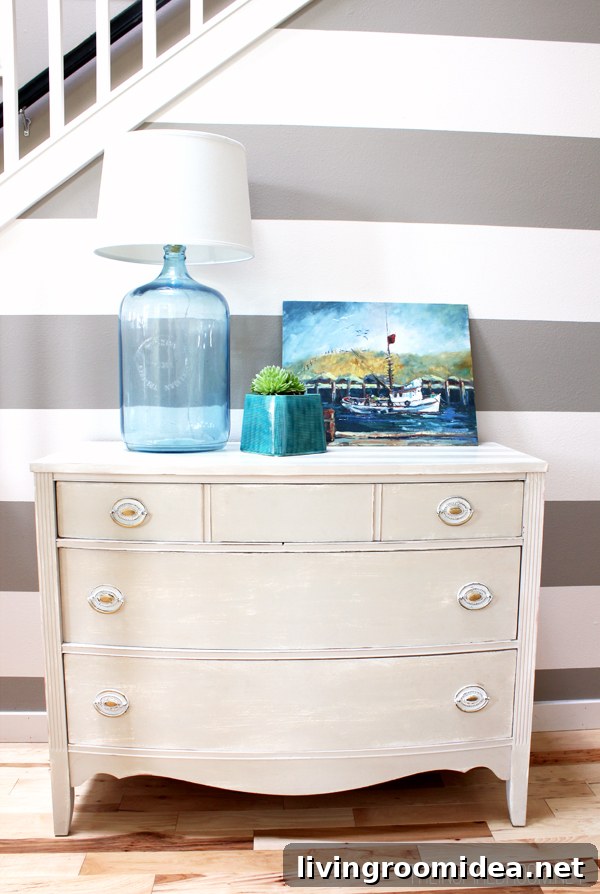
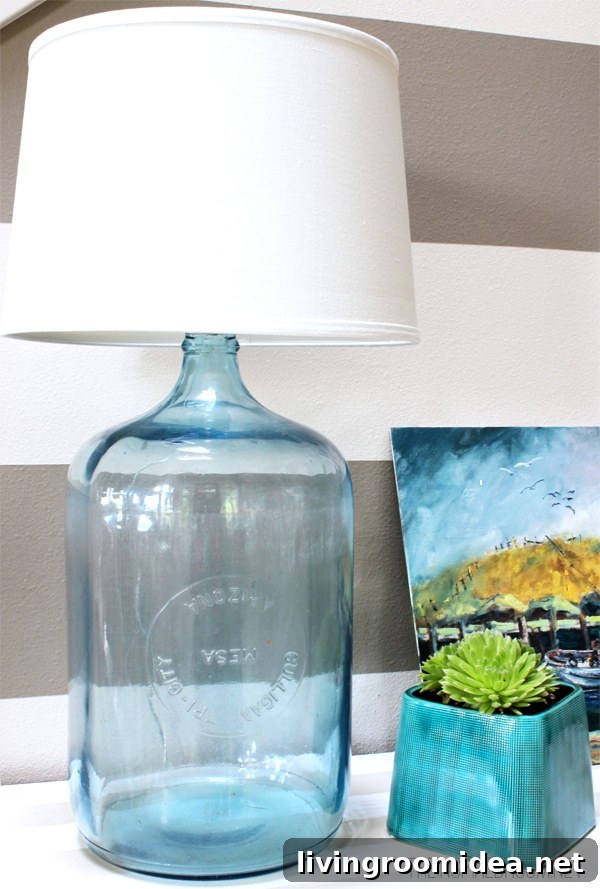
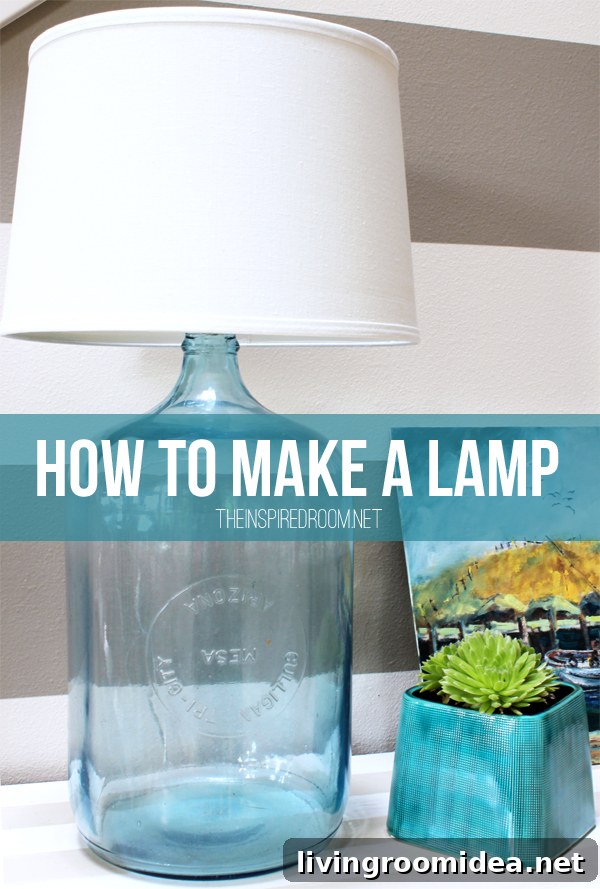
Sometimes you know exactly what you want and you can’t find it in stores. That’s how I ended up making a lamp. I wanted a large glass lamp to fit the scale of my entry with high ceilings, and when I found a big blue glass water jug at a flea market, I knew it would be perfect. Making a lamp from a jug is an affordable way to achieve the look you want without paying designer prices or waiting weeks for delivery.
You can turn almost any vessel into a lamp, so it’s a great project for anyone who loves unique lighting with character. Glass jars and jugs make especially striking lamps because their size and transparency add presence and interest to a room.
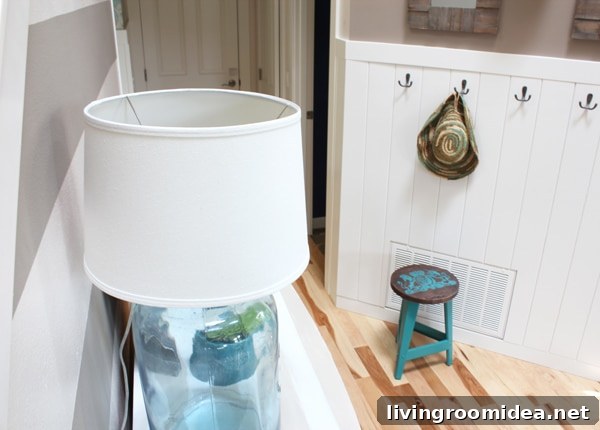
When photographing things in your home, scale can be misleading—items often look smaller or larger than they really are. In person, the scale of this jug lamp was important because I wanted something that felt substantial on the entry table. I prefer fewer bold pieces rather than lots of small accessories, so a large lamp was exactly what I needed.
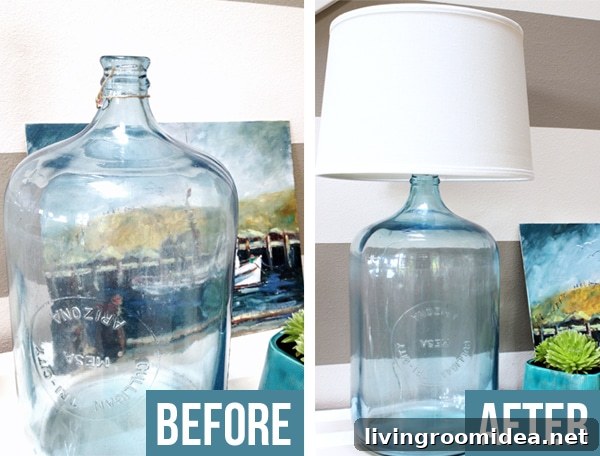
Because my lamp began life as a water jug, some of the lettering is upside down—designed that way so the jug sits with the spout down. That little quirk became part of the lamp’s charm.
This was a very simple project. Once you understand that a lamp is essentially a container, a socket, and a cord (plus an optional shade or harp), the rest is straightforward. I didn’t follow a single tutorial for this particular jug—I adapted what I thought would work. Different bottles or jars will require slightly different approaches, so evaluate your vessel and decide which method fits best.
A quick disclaimer: I’m not a professional electrician. If you’re unsure about wiring, consult a qualified electrician or a knowledgeable person at your hardware store. Safety first.
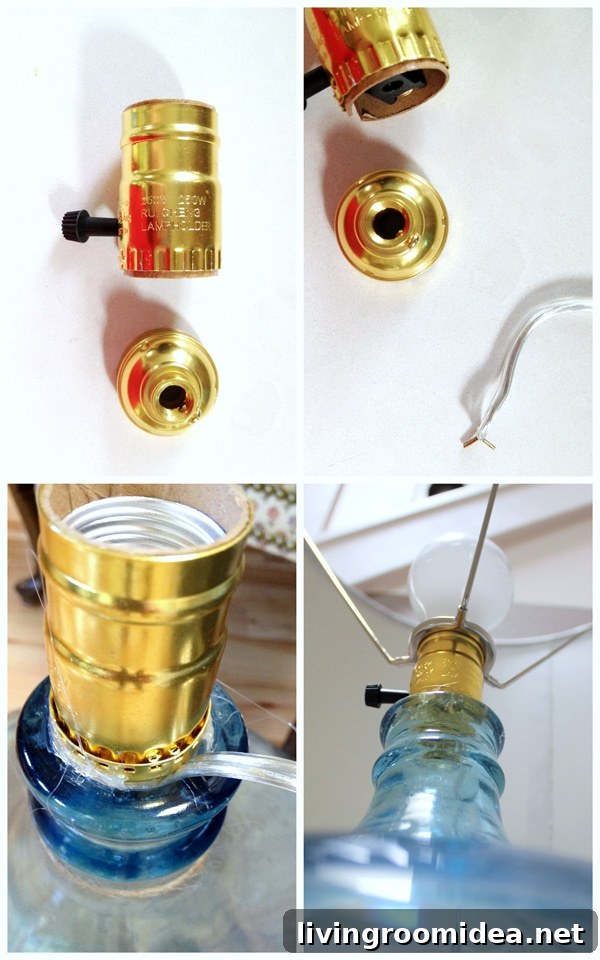
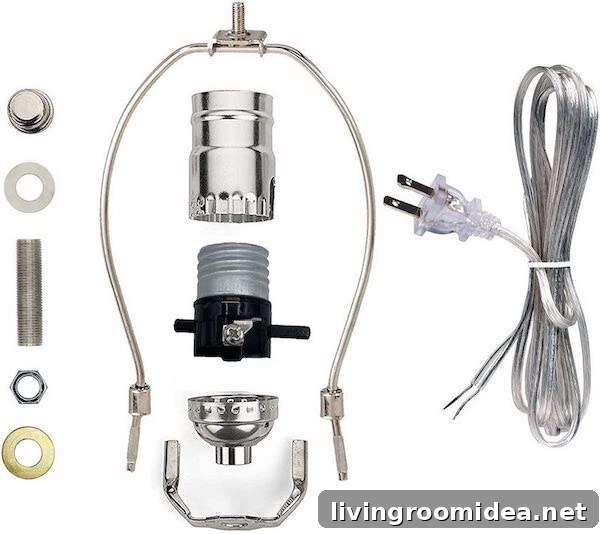
To build the lamp I purchased a lamp socket and cord. There are many lamp kits made specifically for bottle lamps that include a cork to hold the socket, or kits that come with the cord already attached to the socket. I chose separate pieces because I wanted a clear cord and the socket fit the jug’s spout closely so I didn’t need a cork or additional stabilization.
Choose a lamp kit or individual parts that match your vessel and the look you want.
I won’t provide detailed wiring instructions here. If you don’t know how to attach wires safely, ask a professional or someone experienced. My husband wired this one for me and it was easy and safe—again, if you’re unsure, get help.
After wiring the socket to the cord, I inserted the socket into the jug’s spout and used a small amount of hot glue around the metal base to help hold it in place. Hot glue worked well for this jug, but there are other adhesives you might prefer—choose one appropriate for glass and metal.
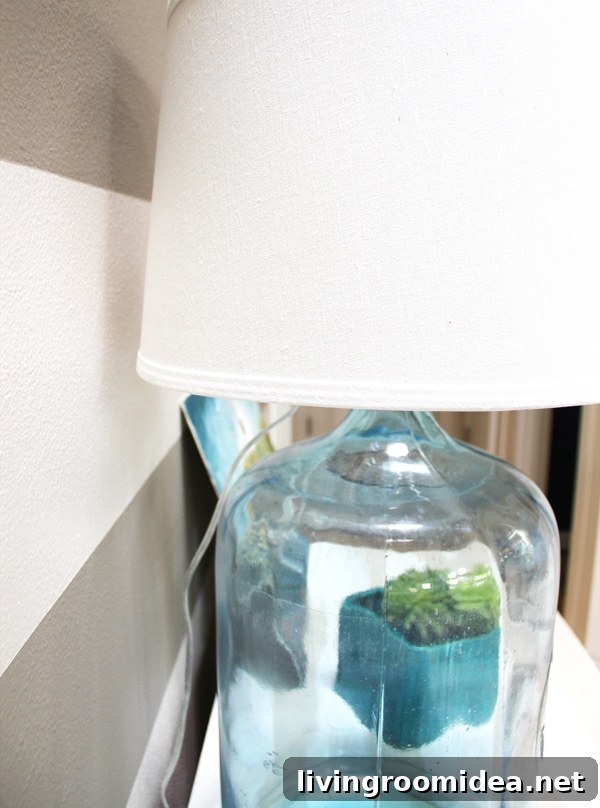
If you prefer the cord hidden inside the vessel, you’ll need to drill a hole in the glass with a glass-appropriate drill bit or modify the bottom to run the cord through. Because I didn’t mind the cord on the outside and I used a clear cord positioned toward the back, it wasn’t visually distracting in my setup.
From the side you can see the cord coming out of the spout. If that bothers you, plan to route the cord through the base or use a different attachment method to conceal it. With transparent vessels, some internal hardware is often visible, so consider how that affects the final look.
In my case the clear cord and the jug’s placement against a wall made the cord unobtrusive. The playful, slightly unexpected appearance of the exposed cord actually complements the jug’s character.
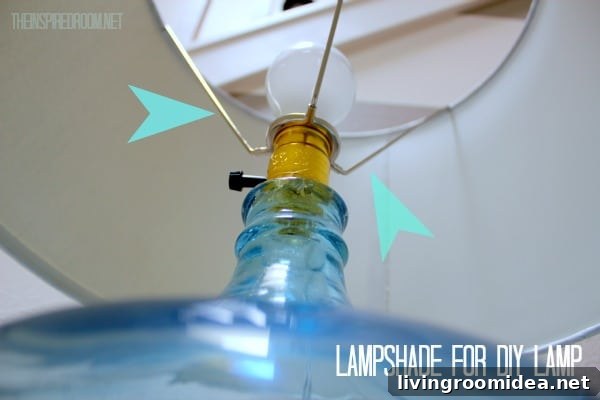
For the shade I used a ring-style lampshade that fits over the socket without a harp. It sits neatly on the spout. If your socket or jug size differs, you may need a washer, sticky tack, or a harp for stability. If you use a harp, remember to thread the cord through it before attaching the socket.
Now for the short, simple version you can follow as a quick checklist.
To recap HOW TO MAKE A LAMP (modify as needed for your vessel):
1. Find a suitable glass jug or jar; flea markets, thrift stores, and vintage shops are great places to look. 2. Purchase a lamp socket and cord or a complete lamp kit that fits your vessel. 3. If needed, attach the cord to the socket—consult an electrician if you are not comfortable with wiring. 4. Insert the socket into the spout or opening, positioning the cord where you want it to exit. 5. Secure the socket with hot glue or another appropriate adhesive to stabilize it. 6. Place a ring-style lampshade over the socket or attach a harp and shade as required. 7. Plug it in, test the lamp, and enjoy your custom lighting.
If you make one, let me know—I’d love to see it!
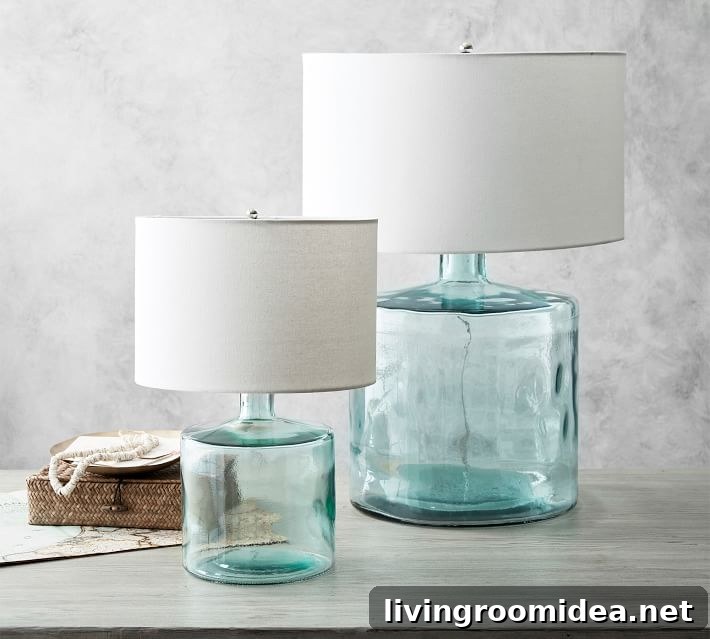
There are many similar glass jugs and finished glass lamps available if you’d rather buy one than DIY.
If you want a lamp that doesn’t require any modification, look for pre-made glass lamps in the style and color you like. But if you enjoy creating personalized pieces, converting a jug or jar into a lamp is a rewarding and affordable project.
Good luck with your project—may it light up your space beautifully.
If this inspires you, try other vessels like antique barrels or mason jars to make unique lamps for different rooms.
Your home should feel like a sanctuary. Personalizing lighting is an easy way to express style and add warmth to any room.
If you’d like more project ideas, explore thrift finds and reclaimed materials—you might be surprised what becomes a beautiful lamp.