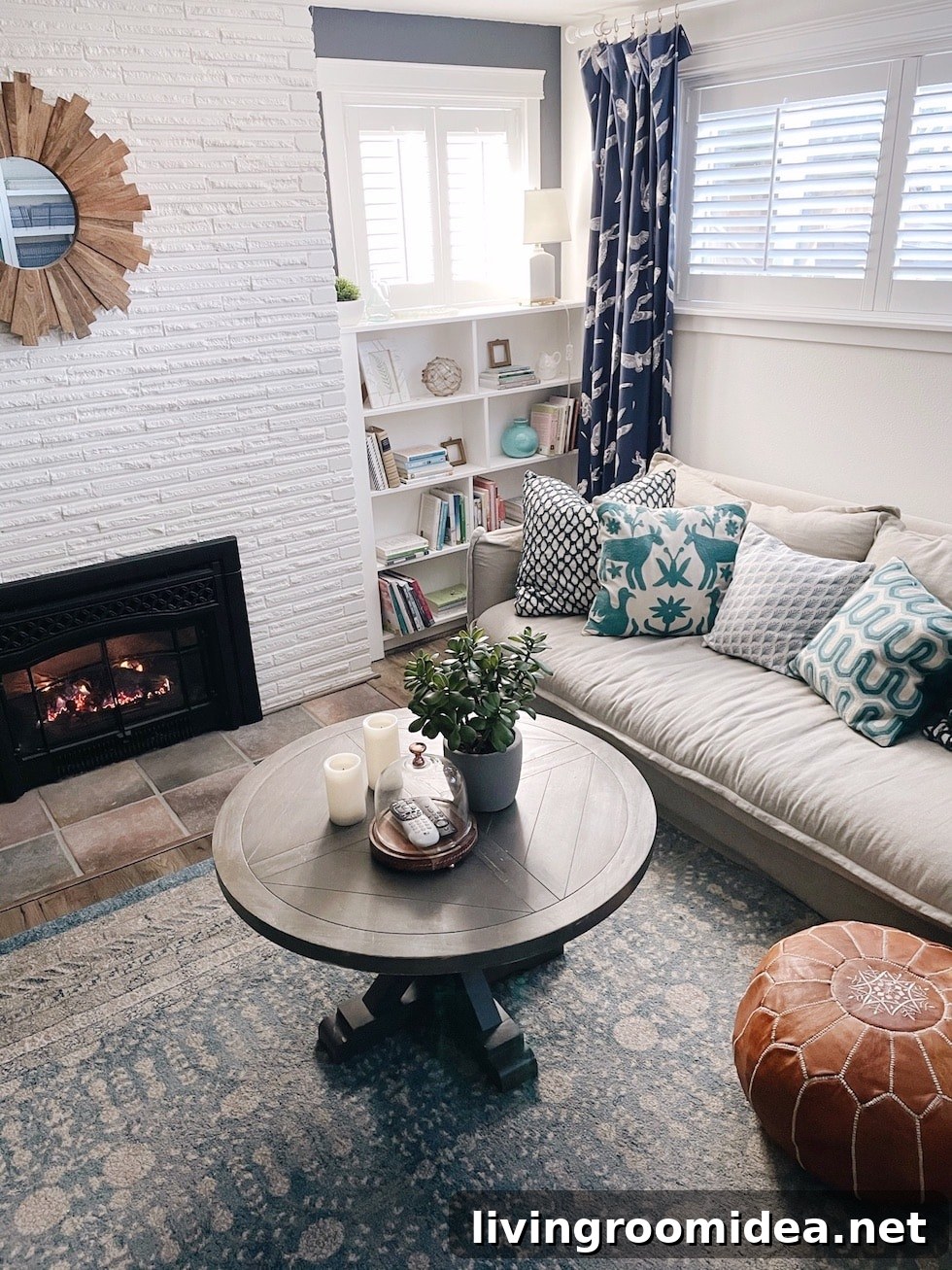
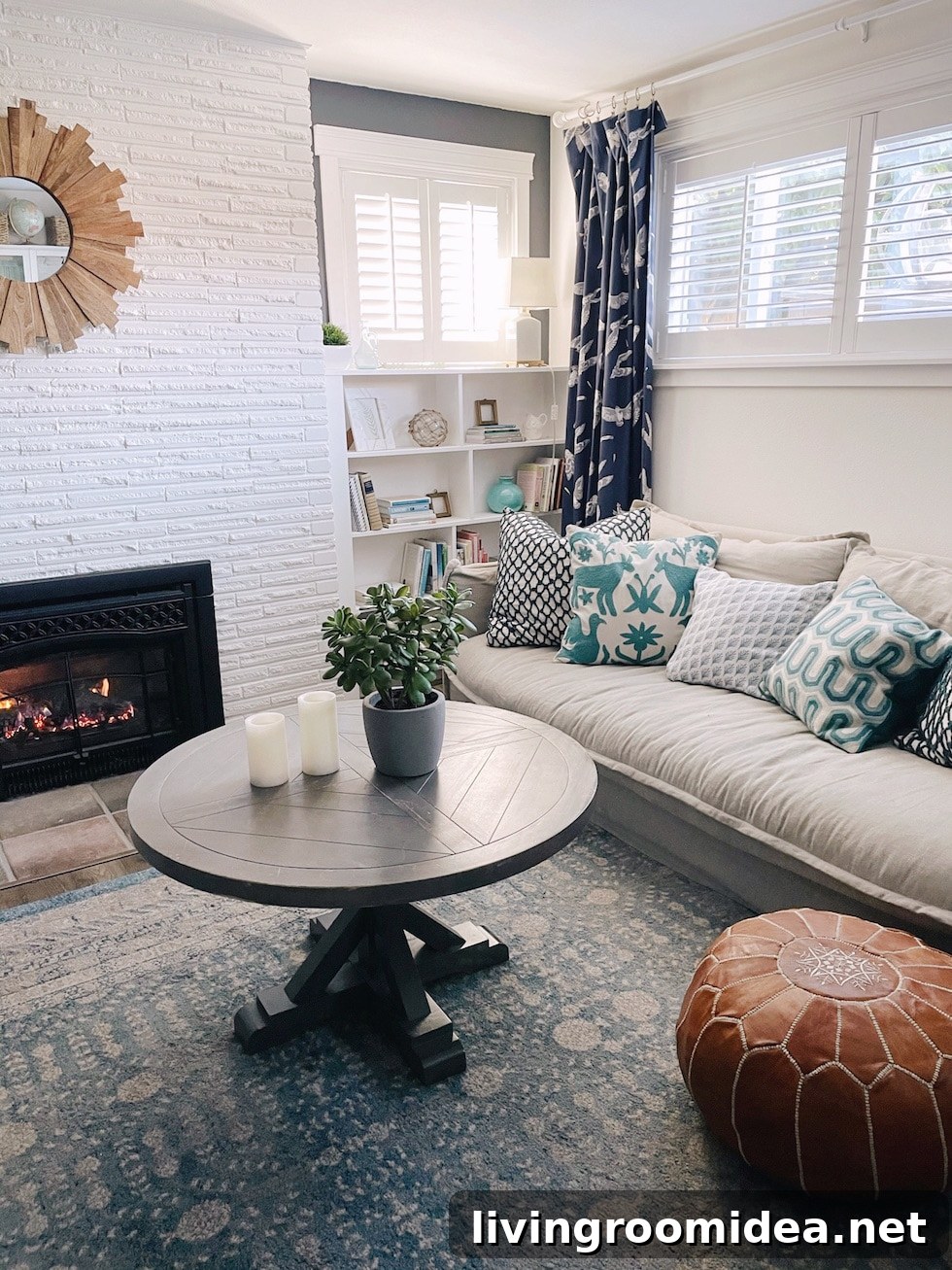
A room instantly feels fresher and more inviting when there’s a plant in it. Even better: several plants. If you study photos of interiors you love, you’ll often see at least one plant in the composition. Designers frequently use faux plants—or a mix of real and faux—to create lush, low-maintenance spaces that still look natural and lived-in.
Plants aren’t just for staging or pretty photos. They make a home feel warmer and more personal. Whenever possible I recommend real plants for their health benefits and the way they change over time, but faux plants have practical advantages. In rooms where light is limited, maintenance is difficult, or you simply forget to water, convincing artificial plants are an excellent solution.
Recently I added a couple of faux plants to our basement. The lower level gets decent natural light, so real plants can thrive there—but I often forget to care for them. Artificial plants solve that problem: they require no watering, can be moved anywhere without worry, and always look green even when neglected. They make the space feel more welcoming and cheerful, which lifts my mood as well.
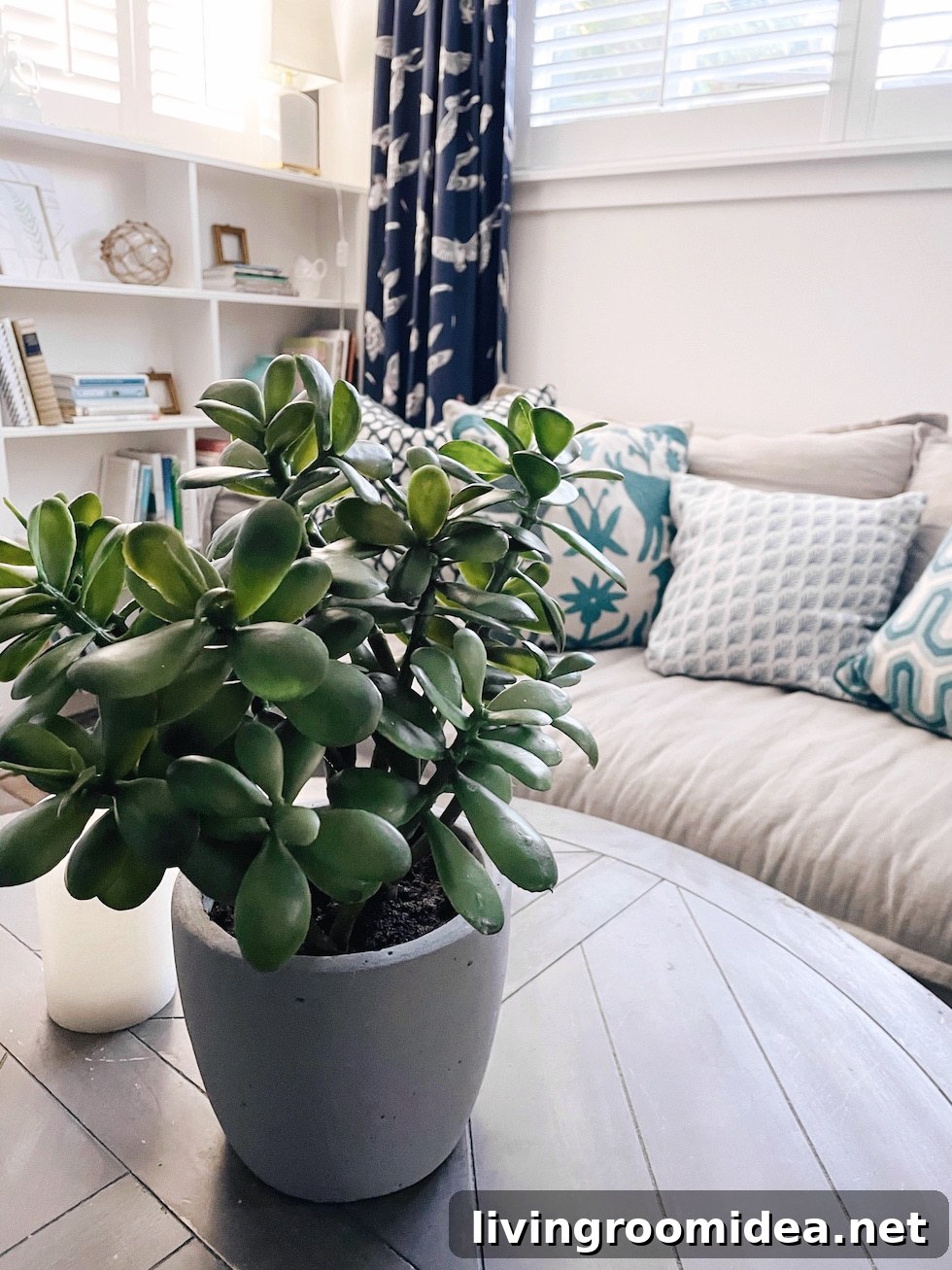
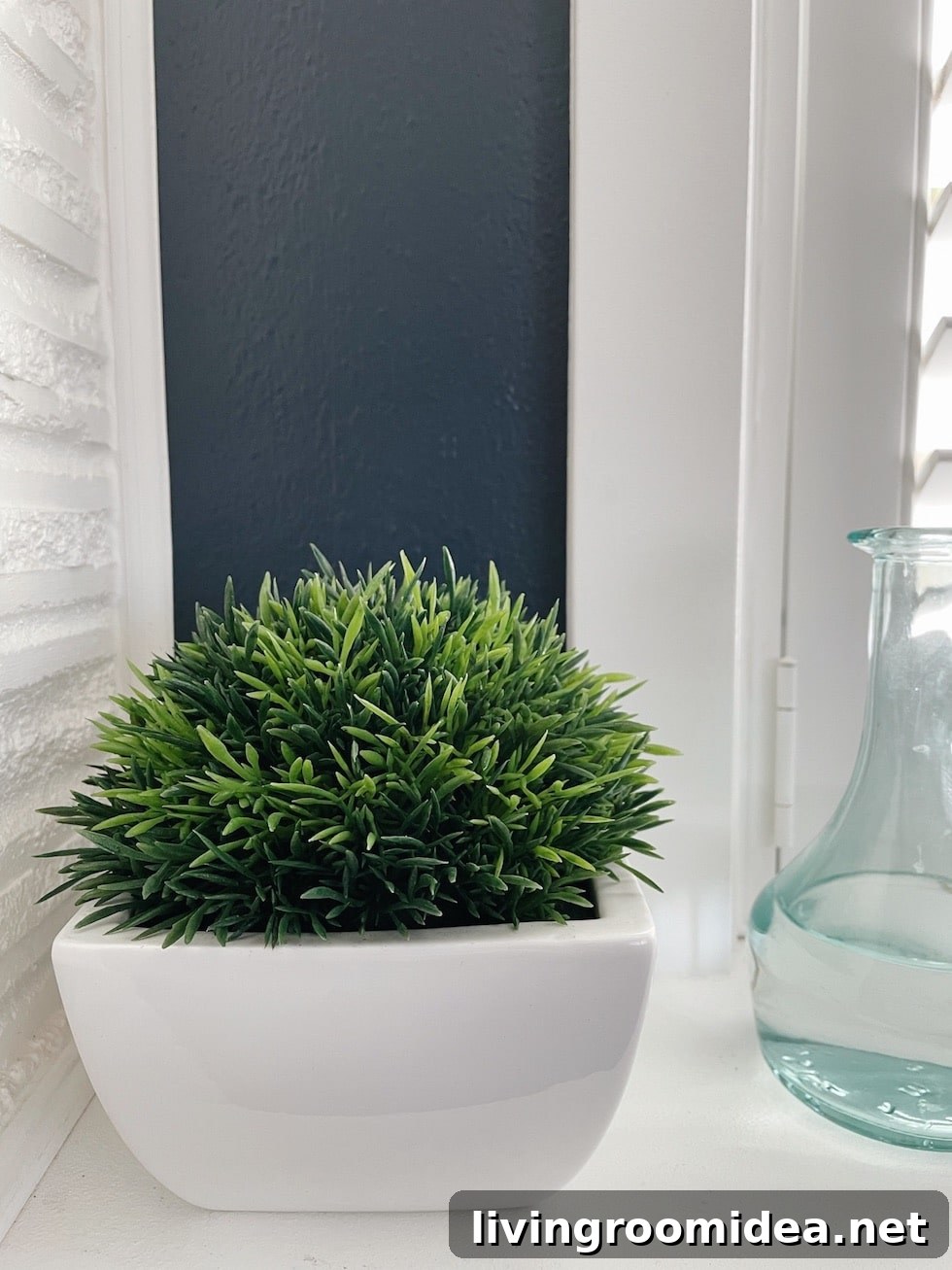
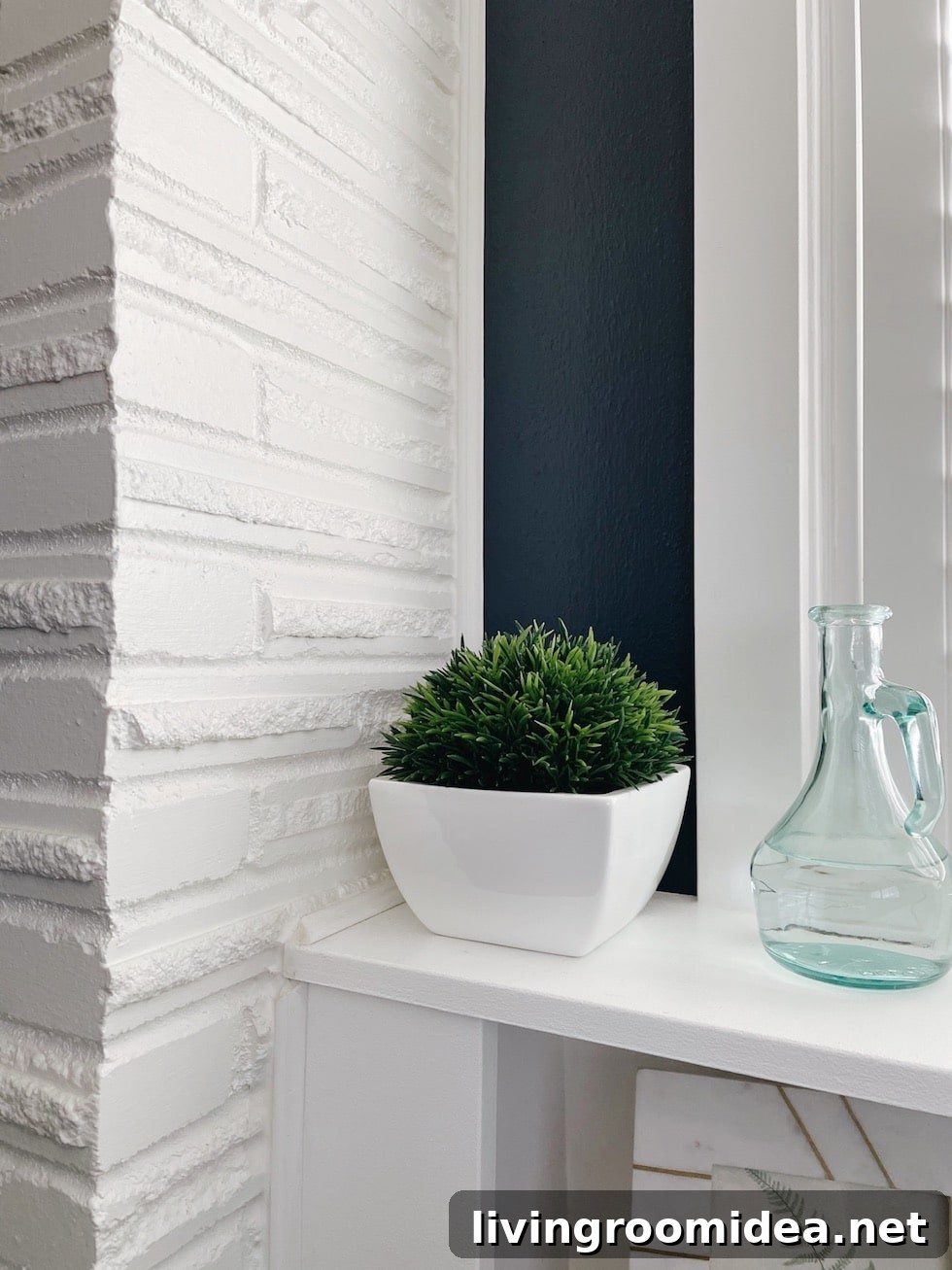
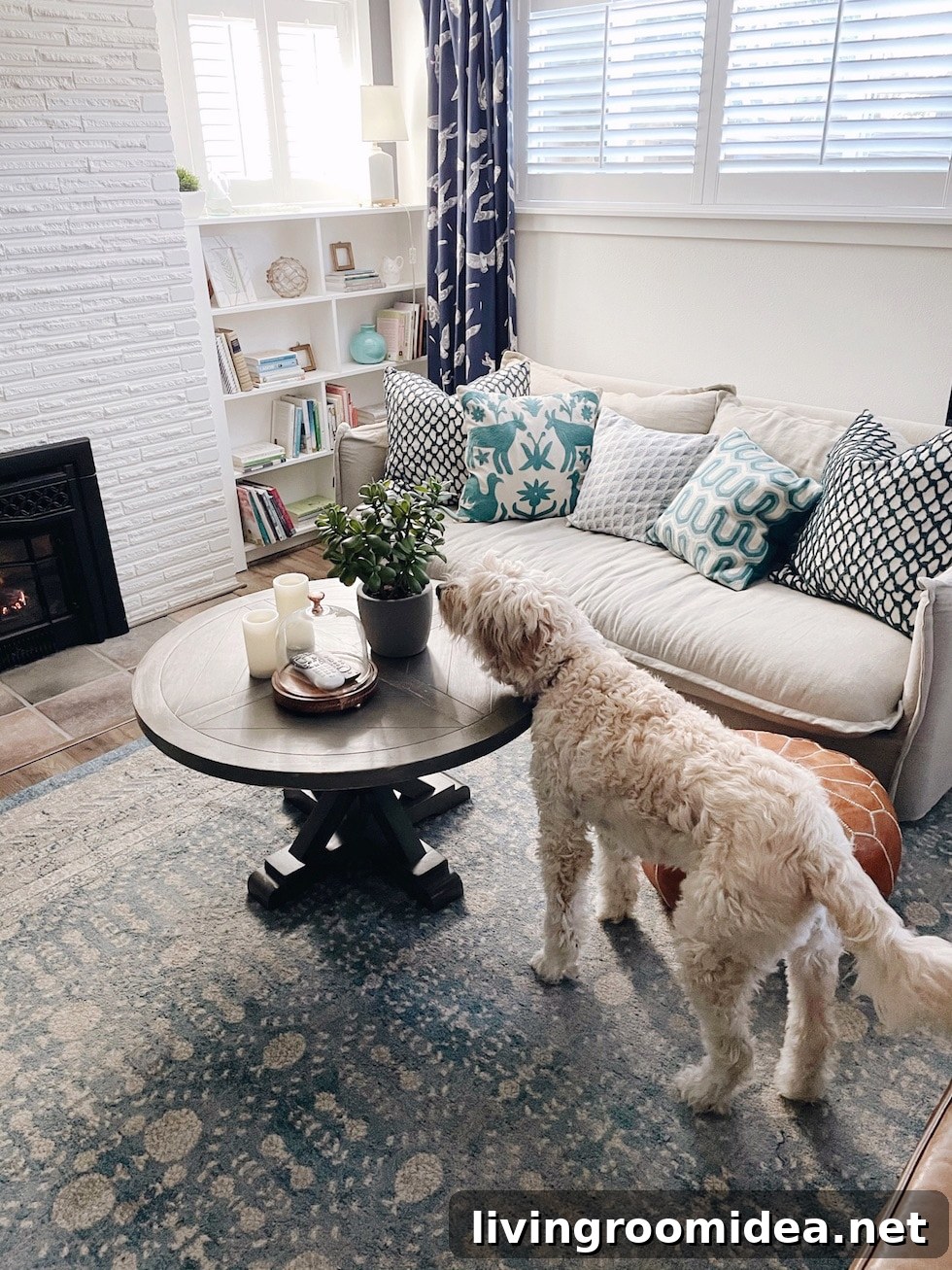
Even Jack appreciated the new greenery—he loved the change in the room’s atmosphere.
PS. If you missed the full tour of our cozy cottage basement, see the full tour on the original site for more photos and details.

Scroll and click the images in the gallery above for product details and styling ideas.
More sources and styling notes
Paint colors used in the space include Hale Navy (Benjamin Moore) for accent walls and Simply White (Benjamin Moore) for painted brick.
Flooring: see the home office project for full flooring details and installation notes.
Sofa and seating: the room features a neutral linen-style slipcovered sofa that pairs well with textured rugs and pillows for a layered, comfortable look.
Accessories: pairing faux greenery with woven textures, a patterned blue-and-white rug, leather accents, and a simple coffee table keeps the room feeling balanced and intentionally styled.
Designer tips for using faux plants
– Mix sizes and textures: Combine taller floor plants with smaller tabletop plants to create visual interest and depth.
– Use real soil or decorative moss in the pot to make faux plants look more convincing.
– Group plants in odd numbers and vary pot heights to mimic a natural, collected-over-time look.
– Place faux plants in spots where real ones would struggle—low light, high traffic areas, or rooms you rarely visit—to maintain a consistent, green aesthetic without the upkeep.

If you enjoy styling interiors, look for ways to add texture and life to every room—plants, real or faux, are one of the easiest and most effective tools.