
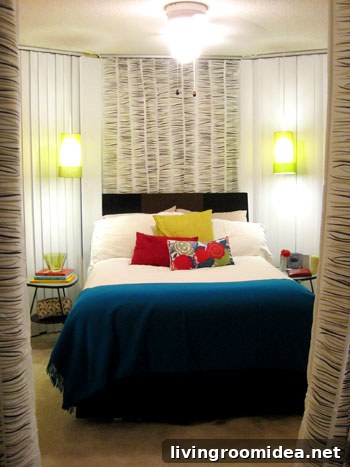
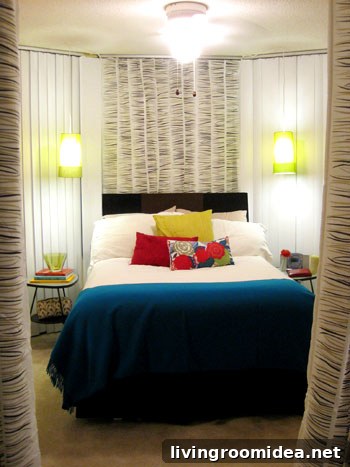
Last year John’s younger sister Carrie moved to Philadelphia for work and settled into a cute high-rise apartment that needed a little inexpensive refresh. For under $200 we made a quick trip to Ikea, picked up art and accessories, and transformed her space in an afternoon (here’s that story). A year later she was transferred back to Northern Virginia—closer to family—but found herself again in a plain room that needed a makeover. We accepted the challenge to refresh this sunroom-turned-bedroom on a tight budget.
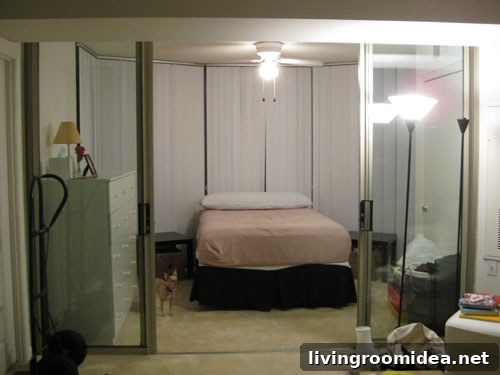
The room is almost entirely glass: sliding doors that make the bed feel exposed and five floor-to-ceiling windows forming an irregular five-sided back wall. We were a little intimidated, but with a $200 budget and another Ikea run, we had a plan. We bought curtains, accessories, and a few pieces of furniture to adapt using inexpensive Home Depot supplies. Four hours later, the room looked completely different.
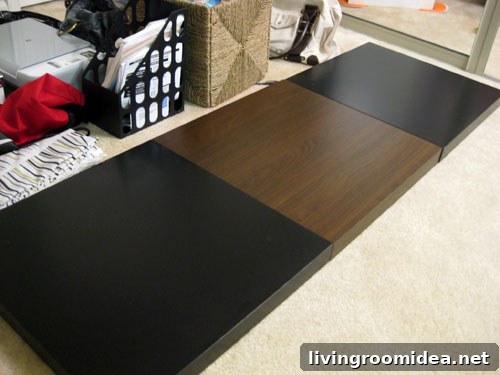
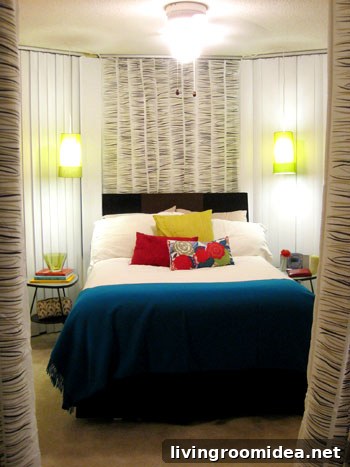
We started by working with what Carrie already owned to save money. From last year’s makeover she had two black Lack side tables, colorful pillows, and textured striped curtains. The black tables were too low to use beside the bed, so we brainstormed a new purpose: could they become a headboard? As it turned out, three Lack tabletops were almost exactly the width of her bed. We bought a fourth—this one in a warm wood tone for contrast—at Ikea’s reduced price of $7.99 and got to work.
If you guessed that the black Lack tables became the headboard, give yourself a pat on the back. With a few metal brackets and a 2×4 cut into three 26″ pieces from Home Depot, the transformation was simple and inexpensive.
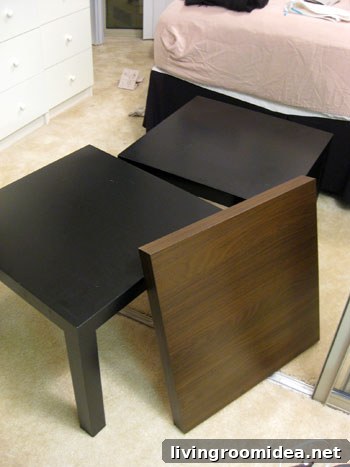
Assembly steps we used:
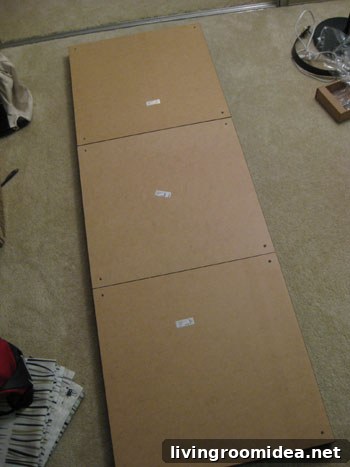
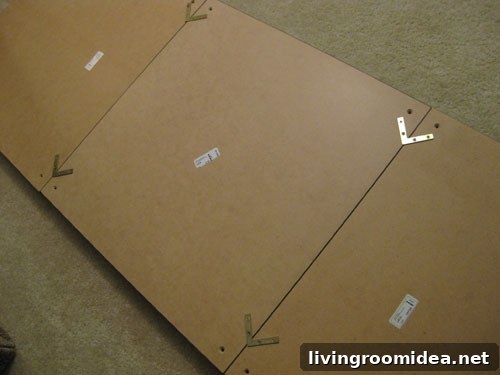
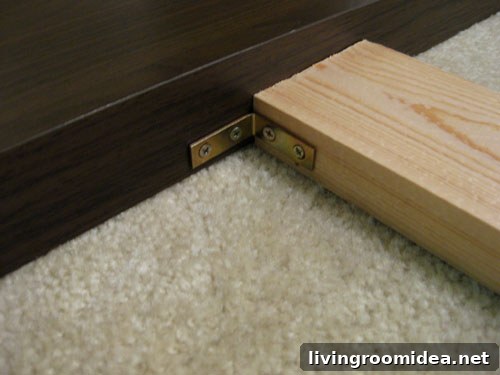
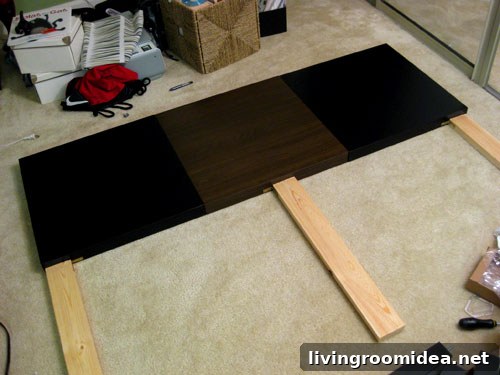
Step 1: Unscrew the legs, flip the tabletops upside-down, and line them up. Step 2: Fasten the tabletops together using heavy-duty metal brackets in at least two places. Adding a long 1×3 across the back increases durability. Step 3: Flip the joined tabletops over and admire your handiwork. Step 4: Attach the pre-cut 2×4 legs to the headboard with right-angled L-brackets for stability. We didn’t need a power drill—just a manual screwdriver and some elbow grease.
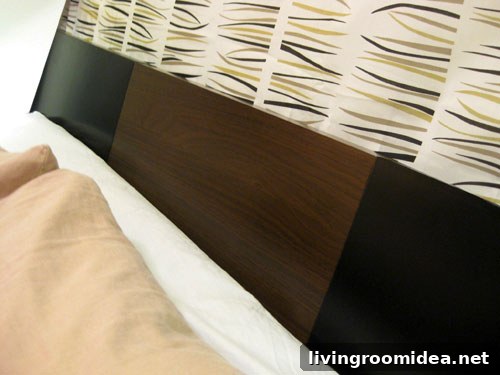
The headboard solved a real problem: the angled glass behind the bed caused pillows to get trapped between the mattress and the window. The DIY headboard keeps pillows in place and protects Carrie from waking up smushed against vertical blinds.
The biggest decorating challenge was how to soften the wall of vertical blinds. We wanted billowy curtains to create a cozy cocoon, but the back wall is made entirely of glass and the vertical blind track could not be altered. Worse, the ceiling was a concrete-like material that refused screws, nails, and even our heavy-duty drill—seriously indestructible. Without a way to hang hardware from the ceiling, our initial curtain plan failed.
We did clip one striped curtain panel above the headboard directly to the vertical blinds using curtain clips to create a soft focal point, knowing this would lock those blinds in place. Carrie agreed to lose the opening function of that specific window, but for the other windows we had to leave the verticals functional so they could be opened. We’ve checked with the building superintendent and other tenants and so far no one’s found a way to hang curtains from that sunroom ceiling, but we’re still brainstorming solutions.
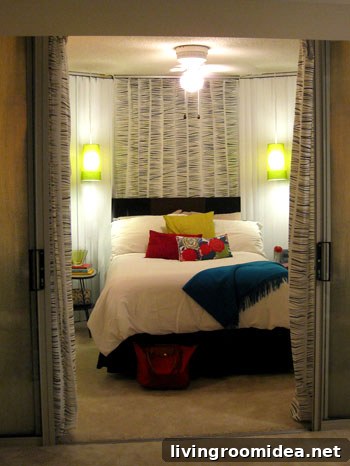
We also added new side tables shaped like rounded triangles that fit neatly into the triangular spaces beside the bed. At $29 each these glass-topped Ikea tables were a great find. To create overhead lighting without hardwiring, we bought inexpensive pendant shades and plug-in hanging kits. The ceiling issue reappeared, so we used heavy-duty 3M ceiling hooks to swag the cords and hang the shades. They stuck well and allowed us to plug the lights in—simple and effective.
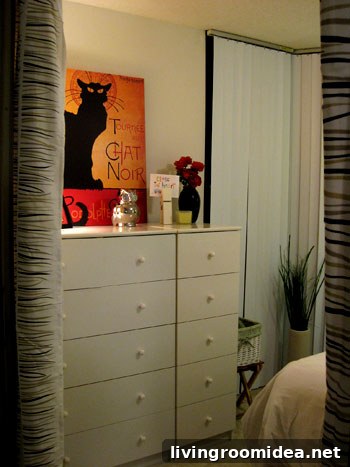
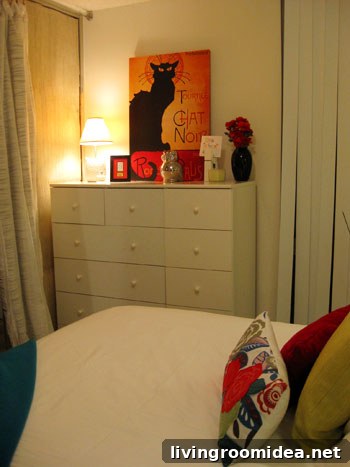
We used Carrie’s existing pillows, a blue throw, colorful books, and a red canvas she already owned to add personality. A small gold-green pillow from Ikea tied the greens of the lamps and curtains to the reds and blues in the room. We leaned the red canvas against the wall above vintage dressers she brought from home for another pop of color—an easy no-paint solution for rentals.
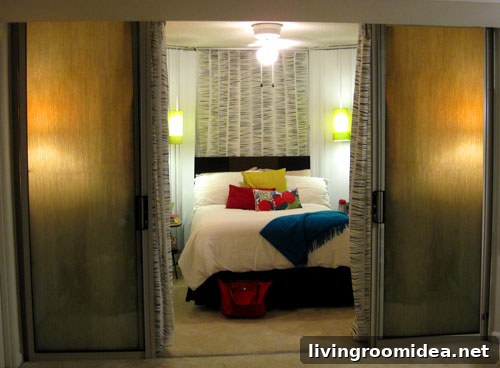
For the sliding glass doors, we wanted something flatter and textured for privacy without heavy curtains. We found grasscloth panels at Ikea that were like large rolls of textured paper. We cut them to fit and used heavy-duty clear packing tape to adhere them to the door frames for a wallpaper-like effect. The steps were simple: measure and cut to size, then apply clear tape along the edges to secure the panels. The result is a clean, textured privacy screen that layers beautifully with two lightweight curtain panels hung on a wire across the perpendicular walls.
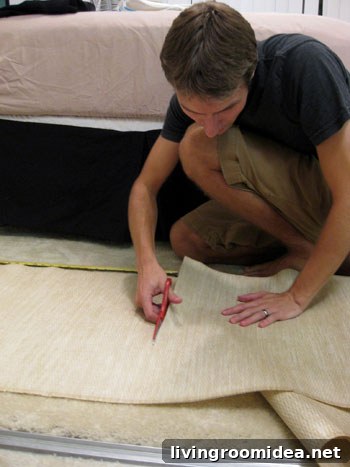
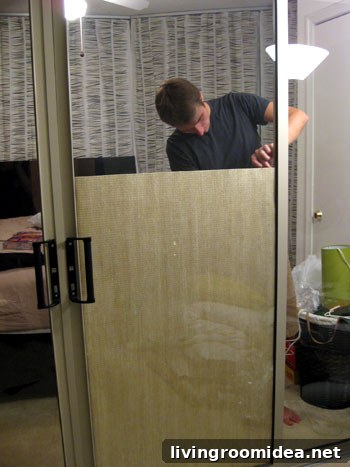
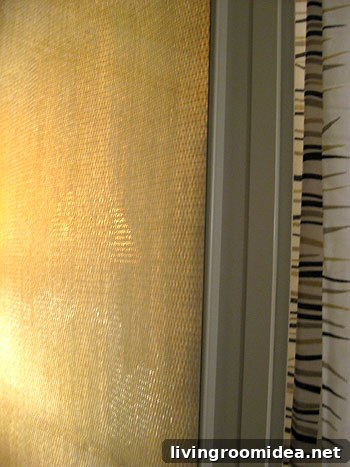
As an alternative to tape, strong magnets placed on either side of the glass could hold the panels in place and would be less sticky over time in humid conditions. We finished with two breezy curtain panels on a tensioned wire for a layered, soft look. Tip: curtain wire systems like Ikea’s Dignitet are great for sliding applications and let curtains glide smoothly.
Budget breakdown (items not listed were existing pieces):
- Striped curtain panels: $30 (two sets of two)
- Curtain clips and curtain wire: $20
- Hanging lamp shades and kits: $26
- 3M ceiling hooks for lights: $6
- Third Lack table for headboard: $8
- Wood and brackets from Home Depot for headboard: $12
- Gold-green pillow: $8
- Glass-topped side tables: $30 each
- Grasscloth panels for sliding doors: $30 (two rolls)
- Grand total: $200
Those green hanging pendants are one of our favorite room details. The space is still compact (9′ x 11′), but now it feels cozy and inviting. Ikea finds, a few smart DIYs, and thoughtful placement of existing items turned a fishbowl sunroom into a comfortable bedroom. Have you tackled a rental with tricky ceilings or wall-to-wall glass? Or are you inspired to try a Lack-table headboard? Share your ideas and commiserations.