
 New England Home
What a week it has been! I meant to post earlier, but life got busy. Still, the house project is moving forward and I’m excited to share updates and keep you in the loop.
I missed connecting with you these past few days. If you’re reading now, please say hello in the comments — I always enjoy hearing from readers. Even when I feel like I’m chatting to an empty room, I keep going. That’s part of the fun of this process.
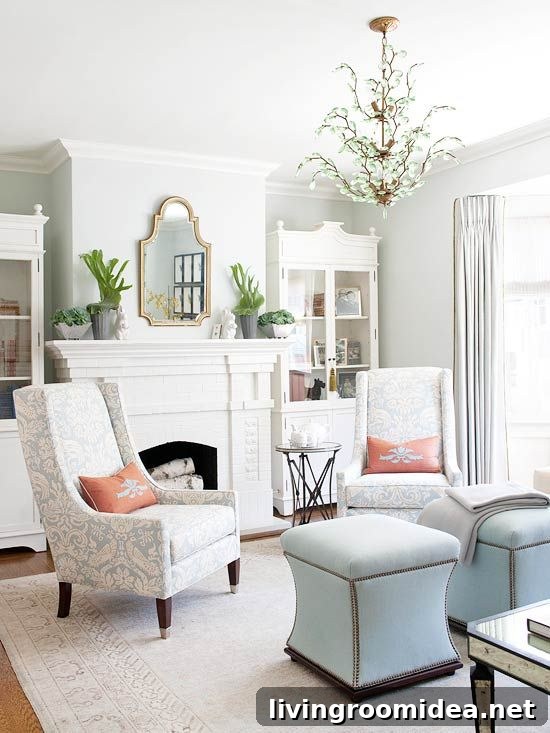
As I’ve been arranging the living and dining rooms, I’ve been noticing one consistent element that influences how a room feels: shape. Whether you consciously notice shapes or not, they affect comfort and perception. The literal shapes of furniture, lighting, and architectural details play a big role in creating a room’s mood.
 BHG
BHG
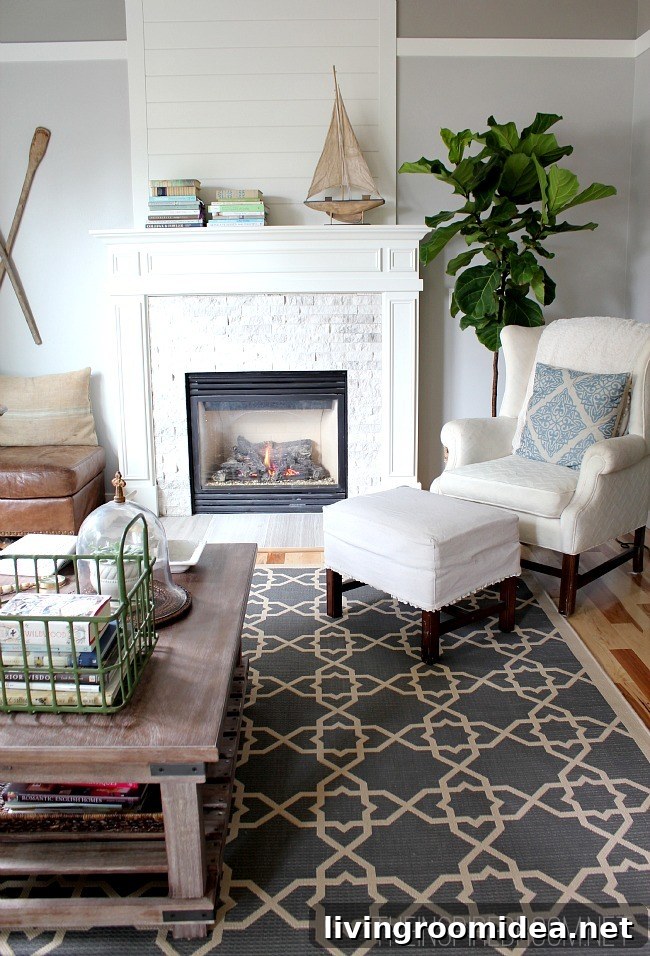
Shapes can soften or sharpen a room’s feel. For example, curved and round elements can counterbalance angular architecture or furniture. My fireplace is intentionally asymmetrical and angular, but I wanted to soften and center that area without a costly remodel. The solution: a round mirror over the fireplace box to create the illusion of a more balanced focal point.
Introducing a circular shape helps break up strong angles and adds visual softness. We also repainted the fireplace to change its perceived material and tone, and the new treatment feels much more cohesive with the room. I’ll share photos once the mirror is hung.
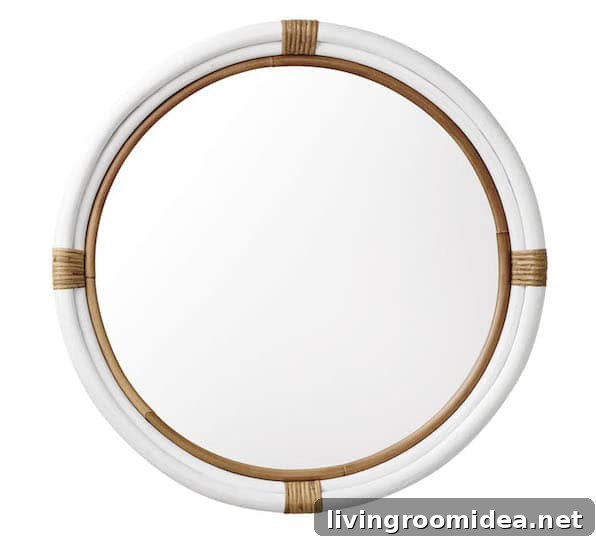
Montara Mirror from Serena and Lily
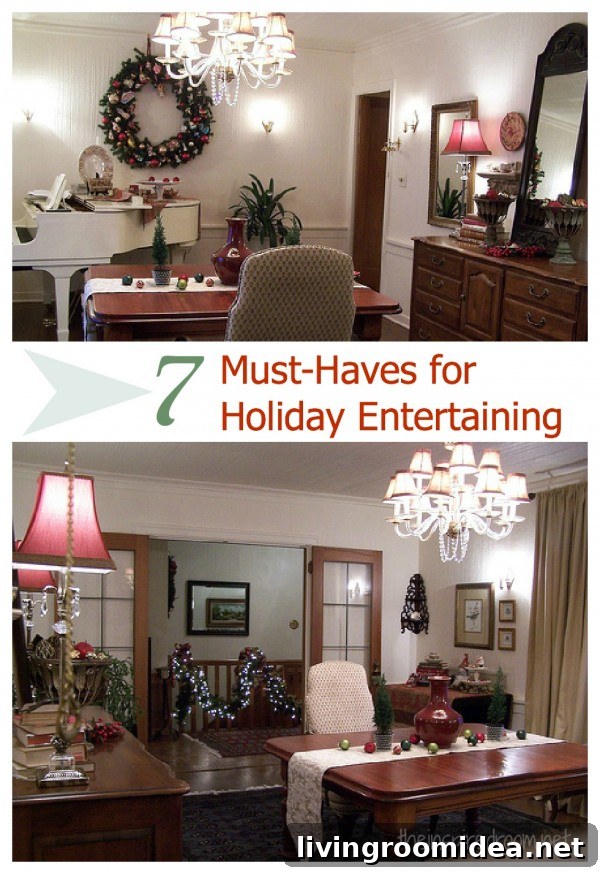
I’ve been thinking about shapes for the dining room as well. The light fixture I selected may feel unexpected to some, but it fills a missing visual need: a strong circular presence. A round table paired with a round light introduces harmony and contrast against the room’s asymmetrical window and layout.
In that space, several pieces have lots of straight lines — the cabinet’s panes and the Chippendale-patterned rattan shelving both add angular detail. The round table and light provide an intentional contrast, while curvy table lamps soften the composition further. All these choices are meant to make the room feel interesting without being fussy.
Because the dining room has many hard surfaces, we chose fully upholstered Parsons chairs with long slipcovers to add softness and invite lingering. The upholstered shape calms the room’s harder edges; if we had selected more ornate, angular chairs, the space would likely feel busier than intended.
 BHG
BHG
Shapes matter in every room. Take a moment to study the lines, curves, and forms in your own spaces. If something feels off, it might be the balance of shapes — too many of the same form or the wrong contrast for the room.
Consider these practical points when choosing pieces:
- Choose a coffee table shape — square, rectangular, or round — that complements your seating arrangement.
- Select light fixtures whose shapes fit the room’s height and proportions; a tall, narrow fixture can make a low ceiling feel heavier, while a broader shape can harmonize scale.
- Mind the arms and profiles of sofas and chairs; bulky or angular arms can crowd adjacent pieces, while streamlined curves create visual flow.
- Remember that flooring, tile grout lines, and wood grain introduce lines and movement. If pattern is already strong underfoot, simplify other surfaces to avoid a chaotic look.
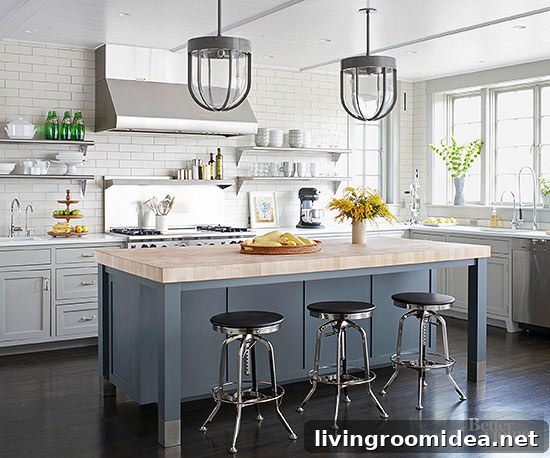
In our previous kitchen, darker grout emphasized tile lines and required careful installation to avoid a busy appearance. We balanced that visual movement by simplifying countertops and cabinetry, then added rounded elements in fixtures and hardware to soften the overall look.
Observing and balancing shapes is an easy, powerful way to refine a room. Look around your home and ask whether the shapes you have create harmony and comfort. If not, small changes — a round mirror, a different light, or softer seating — can make a big difference.
Sounds like a fun weekend project to me.