
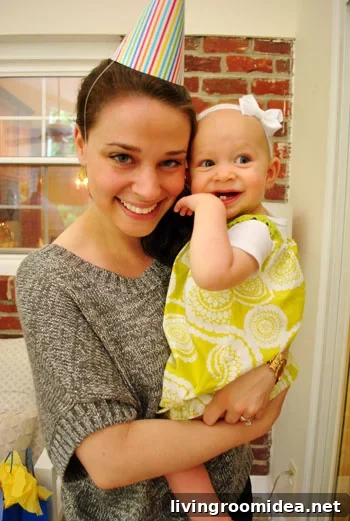
Yup, that’s what I did. Well, technically 14 months and three days if you’re really counting. And yes, this is a post about breastfeeding, so if that’s not your thing you can skip it. I never expected to be writing about it, but I get a lot of questions and this blog is our memory bank for things we might otherwise forget—paint colors, trips, and apparently long stretches of breastfeeding—so it felt right to record the range of emotions that accompanied those roughly 425 days.
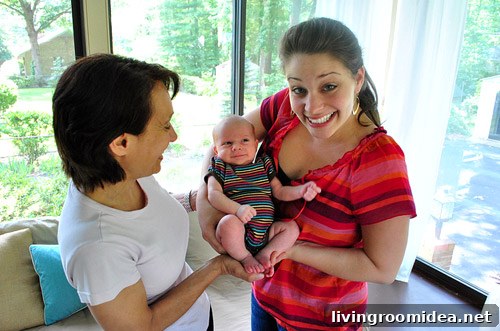
My first feeling was gratitude. I knew many parents try and can’t breastfeed, so I was incredibly thankful it worked for us. I was also pleasantly surprised it wasn’t as painful as I’d expected. I’d heard horror stories about cracked and bleeding nipples, but thanks to a good latch (or luck), it wasn’t a major issue for me. I also didn’t have sore breasts during pregnancy, so maybe those things are related. I know hearing about an easy experience can annoy some people, but after a frightening birth experience I was relieved that at least this part went well.
Because of complications during delivery, I couldn’t nurse Clara for the first eight hours of her life, and I worried that delay would make breastfeeding difficult. I’d heard early skin-to-skin and immediate nursing helped, so I feared the worst. The nurses encouraged us to try anyway, and it was a relief when Clara latched on and took to it right away.
After the initial gratitude and surprise came exhaustion and overwhelm. Clara slept wonderfully at night from early on—often 12 hours with only one or two feedings early on—so we were blessed with extended nighttime rest. But during the day she wanted to nurse every two hours like clockwork. On-demand feeding became a ritual: almost predictably, every two hours she would fuss until she was nursing. That made it hard to accomplish much without stopping to feed her, which was tiring but also sweet. I appreciated the bonding time and the forced breaks from housework and blogging, but it certainly consumed those bleary newborn months.
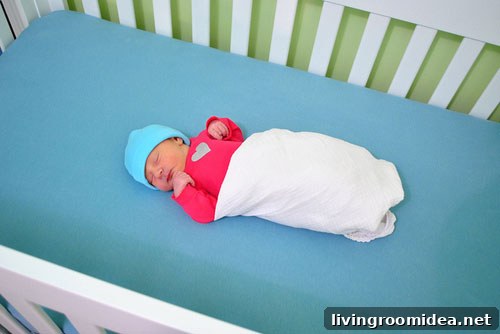
I remember one family vacation when Clara was six weeks old: I sat upstairs nursing while everyone else gathered downstairs, thinking, “I’m going to feed her about eight times a day while everyone else hangs out—that’s 56 feedings in a week.” That felt overwhelming. I tried a nursing cover, but Clara wouldn’t have it, so I spent a lot of that trip sequestered in our room. Feedings were slow then—about 30–40 minutes total—so it was a lot of time dedicated to nursing, but we still managed to enjoy some sunshine (in the shade, since she was tiny).
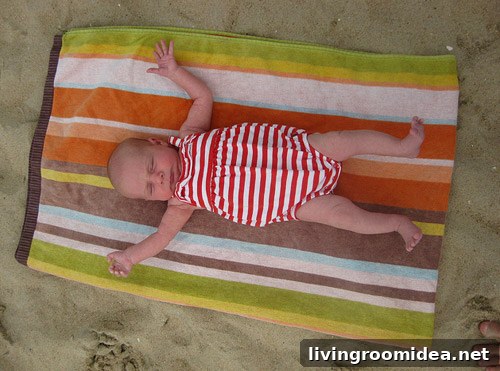
A few practical notes: pumping didn’t work well for me, and Clara never took a bottle or pacifier. We won some and lost some. Thankfully my work allowed me to be home and nurse directly, which meant I was rarely away from her for more than an hour or two for over a year.
That face made it worth it:

By around three months I found a groove. I felt content and accepting. Breastfeeding fit into our routine, and Clara clearly enjoyed it. I learned to nurse in odd places—parked cars, dressing rooms, even in the green room before and after a TV taping—and it felt manageable. By six to eight months Clara became more efficient and feedings shortened to 10–15 minutes total. Introducing solids at six months didn’t reduce her nursing; she still wanted to nurse as much as before, which eased my worry about my supply diminishing.

Up until about ten months old she was still asking to nurse every two hours in the day. For roughly 300 days I nursed her on that schedule. Our pediatrician said it made sense because Clara was an unusually solid night sleeper and was “tanking up” during the day. Around ten months she began spacing feedings out to every three hours, which felt liberating—an extra hour seemed like freedom. At that point I genuinely loved breastfeeding. It felt like a gift: it saved money, provided quiet connection, and helped me shed some baby weight. I’m pro-breastfeeding when it worked for us, but I don’t judge anyone else’s choices—whatever works for your family is what matters.

At one year we introduced organic whole milk, but Clara refused it and still wouldn’t take a bottle. Our pediatrician suggested a sippy cup; she accepted water but not milk. We tried many cups, warming the milk, mixing it with breast milk, and watering it down, without success. Switching to almond milk helped—its thinner texture seemed closer to what she expected—so we slowly transitioned by mixing almond with whole milk until she was drinking whole milk around 13 months. That transition coincided with a sharp drop in nursing. From about five feedings a day she fell to two—once in the morning and once before bed. The extra freedom felt wonderful, but it also tugged at my heart because it signified change: my baby needed me less.
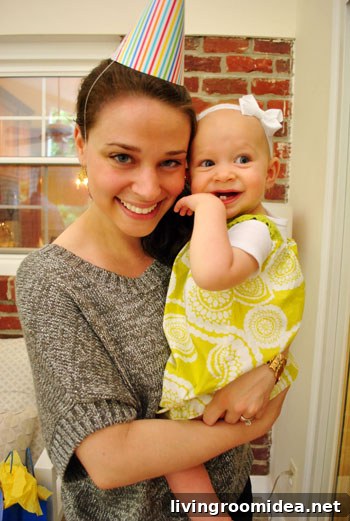
By 13 months and three weeks Clara was mostly just nursing in the morning. That one relaxed side-lying morning feed was a special moment for us, and I missed it when she stopped a couple of weeks later. So my feelings now are mixed: sad to close this chapter, proud that I nursed for over 14 months, and grateful that we had the opportunity. I know breastfeeding that long isn’t guaranteed for everyone, so I feel fortunate.
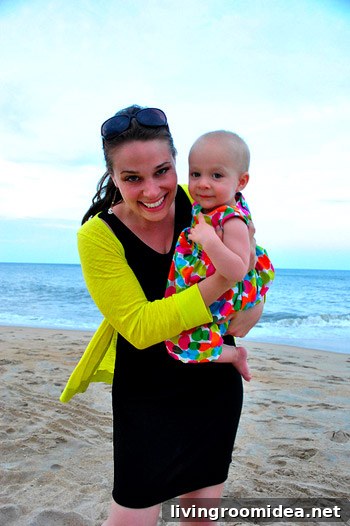
That’s our breastfeeding journey—an exhausting, amazing, surprising, and deeply meaningful time. I’m sentimental about it ending but thankful for the experience and the bond it created. Love you, baby girl.