

Q: My husband Tim and I just bought our first fixer upper two weeks ago in Fort Worth, Texas. It is our second home and we hope to make it our last. Falling in love with our home was the easy part, but the thing is we just don’t know where to start. Should I mention that we have a 19 month old little ball of energy “helping” us? I know you don’t know what our house looks like nor do you know what our plans are for it. I won’t bore you with the details, I just want to know if you have a post about getting started; about how to go about making a plan so that we can go about this process efficiently. Or maybe I’m over thinking it and we need to just dive in? – Amanda
That big “where do I begin?” question comes up all the time in comments and emails, and now that we’re at the start of another project, it felt like the perfect time to share our process. Below are six questions we ask ourselves after moving into any house. They help us prioritize tasks, make practical choices, and avoid wasting time or money.
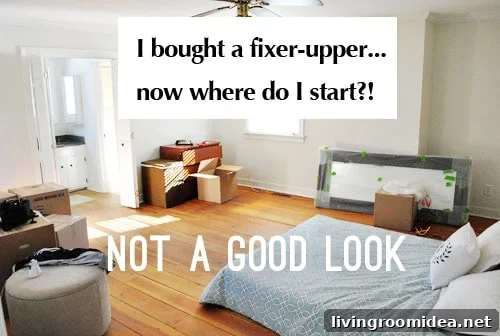
#1. What’s necessary for us to safely inhabit this house? Start by identifying anything that threatens your health, safety, or the integrity of the house. Mold, broken windows, faulty heating, major roof leaks, electrical hazards, dangerous trees, or pest infestations all belong at the top of the list. These aren’t glamorous, but they’re essential so you can actually live in the house without ongoing risk or damage. In our most recent move, the top priorities were a malfunctioning furnace, hazardous trees, rotted siding that needed repair, and a leaking roof. Fixing those first felt non-negotiable.

#2. What would be easier to do now, rather than after we’ve moved in/unpacked? Some projects are much less disruptive when the house is empty: installing new flooring, removing old carpeting, or replacing trim and baseboards. Those are the kind of jobs that are harder to do around furniture and boxes. That said, you don’t need to gut everything before you move in. We’ve found that living in a house for a bit can help clarify better long-term design decisions—like realizing that closing a doorway could create far more kitchen storage—so choose the projects that are most practical and that you feel confident about committing to now.

For example, we decided to remove musty carpeting upstairs, spray-paint dated trim white, and install hardwood floors before moving in because those tasks would have been very difficult to complete afterward. We only moved forward because we were certain about the flooring choice; if we’d been unsure, we would have postponed it and addressed a different project instead. If you’re wavering on a decision, it’s usually wiser to wait than to rush into something you might regret.
#3. What will make us feel comfortable and “at home”? Moving into someone else’s house often feels strange. You can accelerate the feeling of ownership with a few relatively quick changes: take down old curtains, replace dated carpeting, or paint a wall. Painting even a single wall can be a surprisingly powerful step toward making the space feel like yours. These kinds of projects build momentum and morale without requiring a huge financial or time commitment.
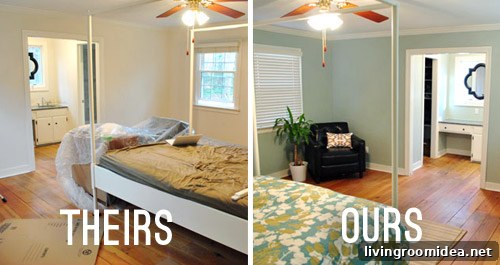
Also consider practical comforts that help you settle in: set up the kids’ rooms first, arrange a bedroom where you can sleep comfortably, or create a small nook with your favorite chair and lamp. Small, targeted moves that let you relax at the end of a long day do a lot to make a new house feel livable quickly.
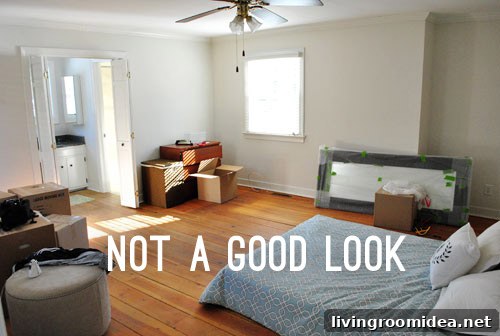
#4. What can we afford? Your budget should guide the order of projects. If inspection fixes or necessary repairs drain your savings, focus on smaller, inexpensive updates that still make a visible difference—stripping wallpaper, painting trim, removing an old shower door, or refreshing a front door. Those inexpensive wins will help you feel productive and keep the house improving without overspending. Save the big-ticket projects until you’ve rebuilt your savings.
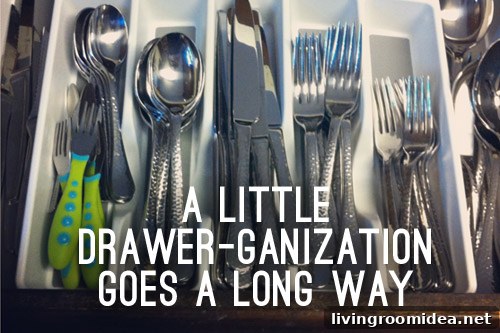
#5. What’s quick and easy? If you’re still stuck, start with fast, affordable tasks. New shower curtains, drawer organizers, updated hardware, or rearranged shelving are simple ways to make progress without big commitments. A collection of small changes can add up to a noticeably refreshed room and keeps momentum going while you plan larger renovations.
#6. What will make us the happiest? Ultimately, prioritize what brings you joy. Sometimes the most helpful choice isn’t the most logical one—it’s the small, fun change that makes you smile and helps you relax into the space. One of us likes arranging items on built-ins right away; it’s not essential, but it creates one tidy, pleasant corner amidst the chaos and helps settle the mind. Those small, satisfying moves can be as important as major renovations.

At the end of the day, there’s no single “right” starting point—each house and homeowner is different. The important part is doing something: assessing safety issues first, then balancing ease, cost, and what will help you feel at home. Start with the highest-impact, most realistic tasks for your situation, and let the rest follow in a manageable order. How do you decide where to start on a new project? We’re always curious to hear other approaches—every tip helps as our own to-do list grows.