
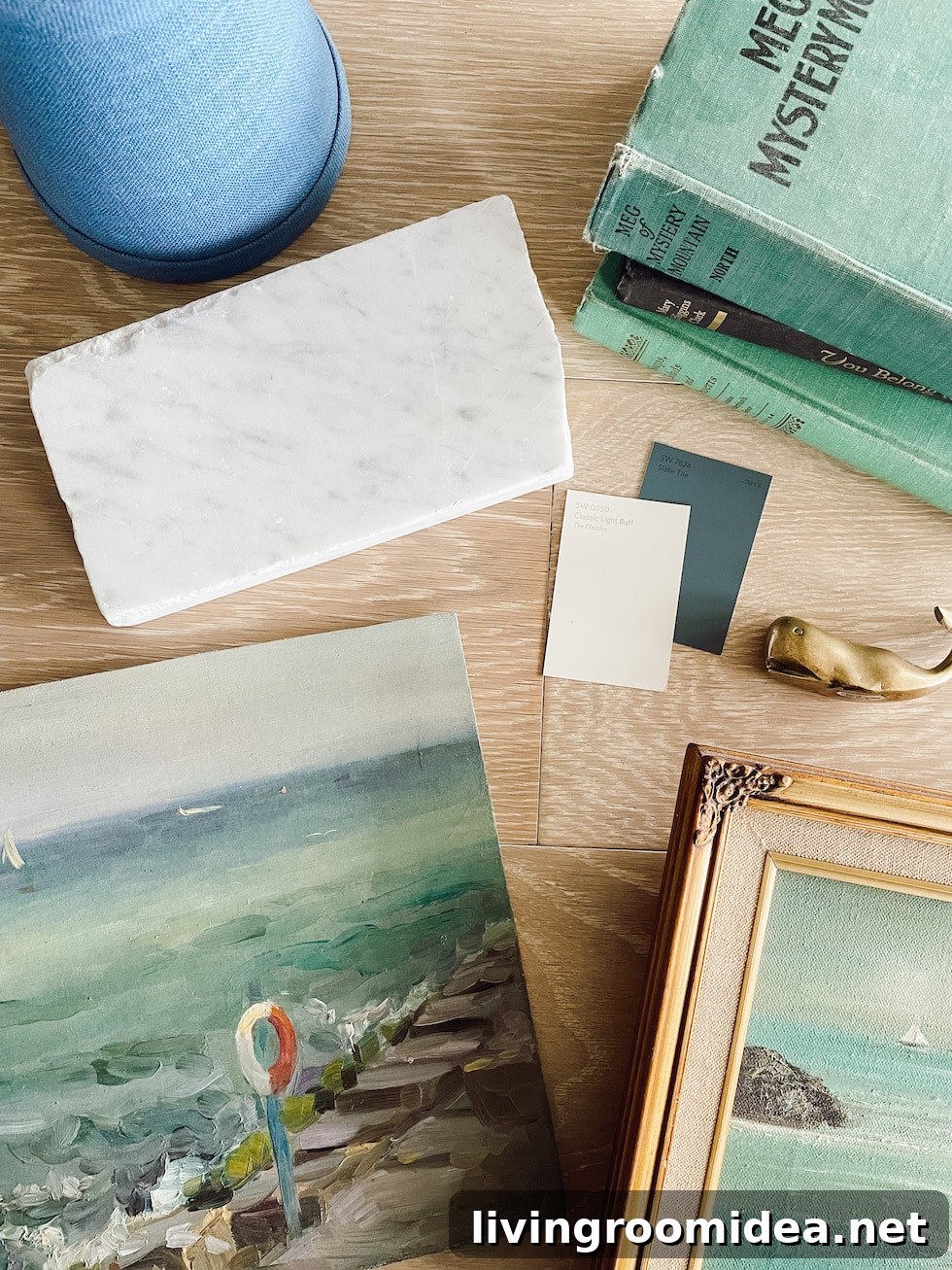
I’m excited to share our kitchen design mood board and offer practical questions to guide your own kitchen planning. Every choice in our design was chosen deliberately to create the mood that suits this home. Work begins in the coming weeks, and our kitchen will soon become a reality.
Designing a kitchen — whether you’re working alone or with a designer — is a major undertaking. If you care about the outcome and enjoy many styles, it’s easy to overthink. I tend to be deliberate with big investments, and taking the time to consider options gave me the confidence to move forward with the decisions we made.
Below are the key ideas that helped shape our kitchen and that you can use when planning your own.
1. Consider your home’s surroundings and location.
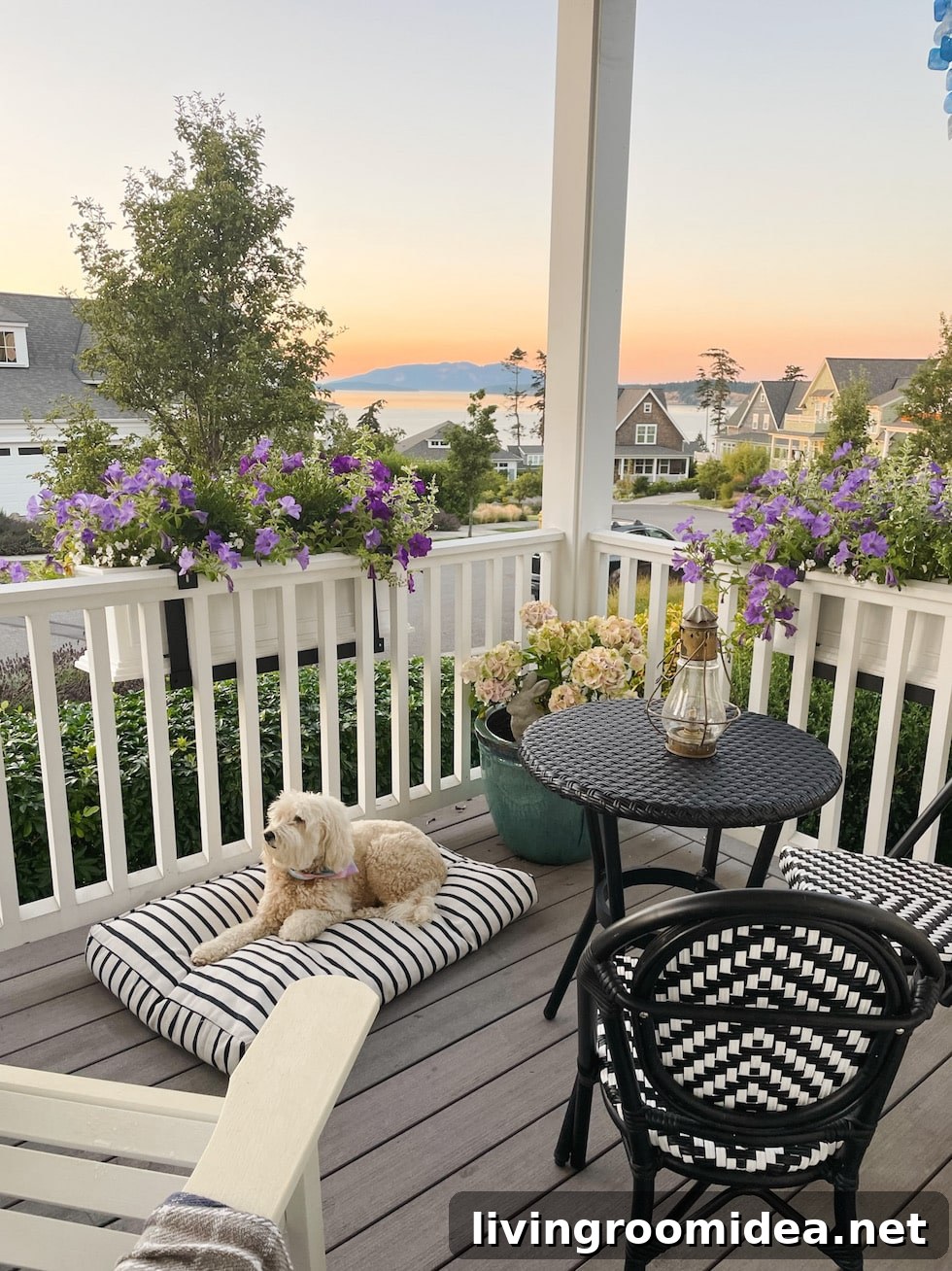
Our home sits on a coastal island in Washington, with views of the Salish Sea and nearby evergreen forests. That context influenced our choices, though your location shouldn’t limit your style. I wanted a design that felt connected to the surroundings—light, airy, and peaceful—so the kitchen harmonizes with the view and the feel of the neighborhood.
Location doesn’t dictate style, but it can inform choices like palette and lighting. You can incorporate coastal touches wherever you live; it’s about selecting elements that feel authentic in your setting.
2. Choose design elements that complement your home’s style.
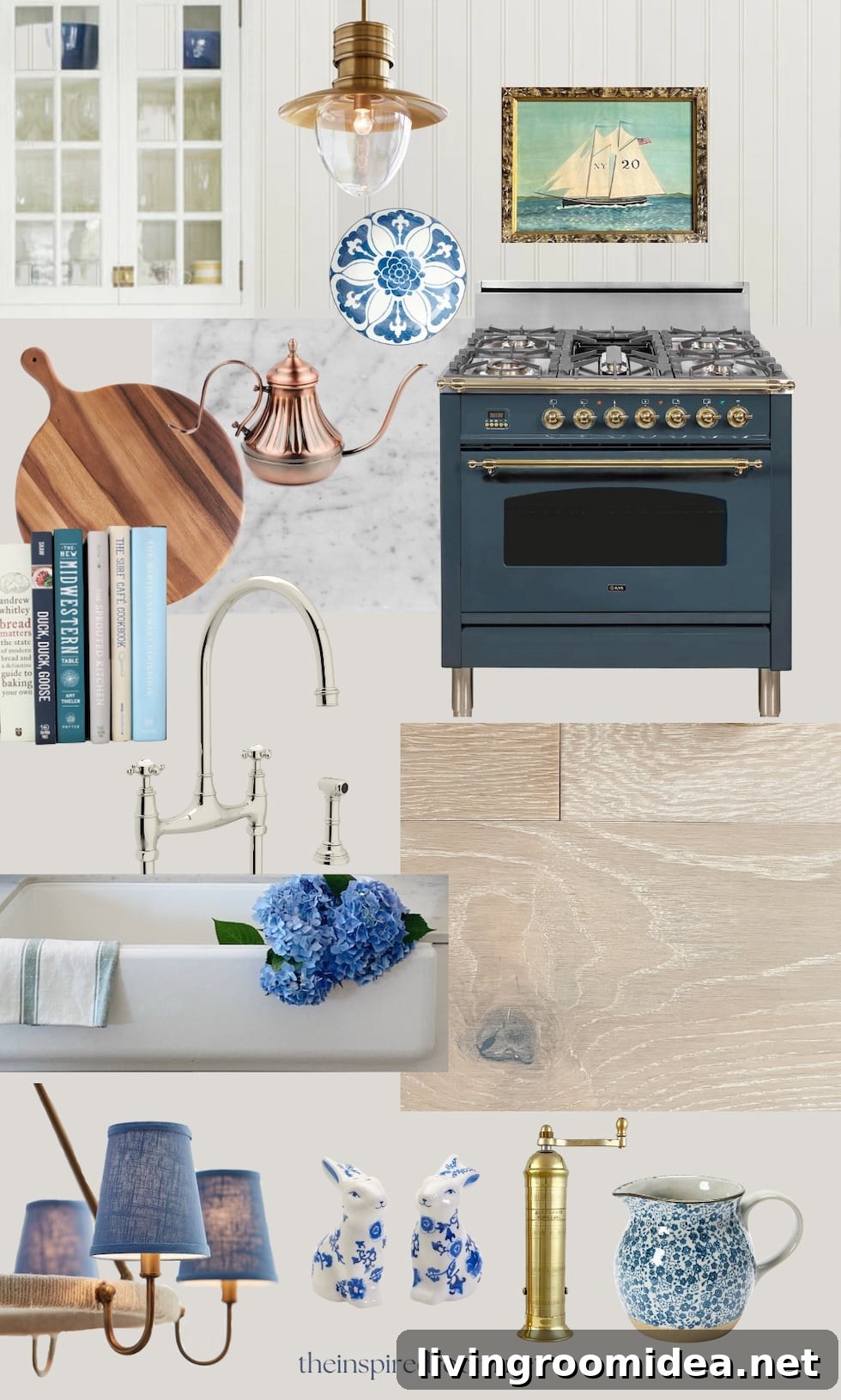
Your kitchen should enhance the house rather than clash with it. If your home has a clear architectural style, take cues from it. In our Nantucket-inspired neighborhood, traditional details such as beadboard, shaker cabinetry, marble surfaces, brass and polished nickel hardware, and muted coastal colors felt right. These elements feel timeless in our setting.
Ask yourself: what interpretation of a style suits your home? Coastal design has many directions—mine leaned toward traditional, organic, and slightly muted rather than overly trendy or starkly modern.
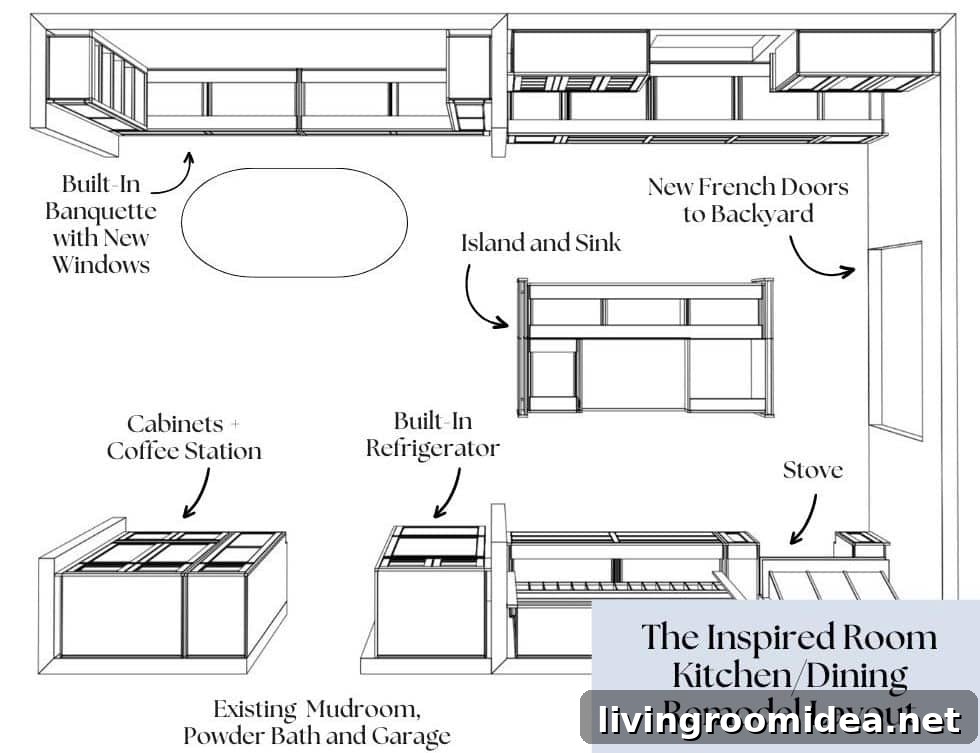
3. Account for existing features and space limitations.
Our new layout relocates most windows to the dining room and places French doors along the back wall of the kitchen, leaving only two walls for cabinetry and storage. Those constraints informed every decision: compact storage solutions, careful placement of appliances, and an emphasis on flow to the backyard. Realistic space planning is crucial — save the inspiration images, then measure and adapt those ideas to your actual footprint.
Light direction and adjacent rooms also shaped our palette. We tested paint samples for weeks to see how colors read in different lights and from adjoining rooms. While moody cabinets are trendy, our lighting and desire for a warm, welcoming mood led us to a lighter, softer palette that complements our home.
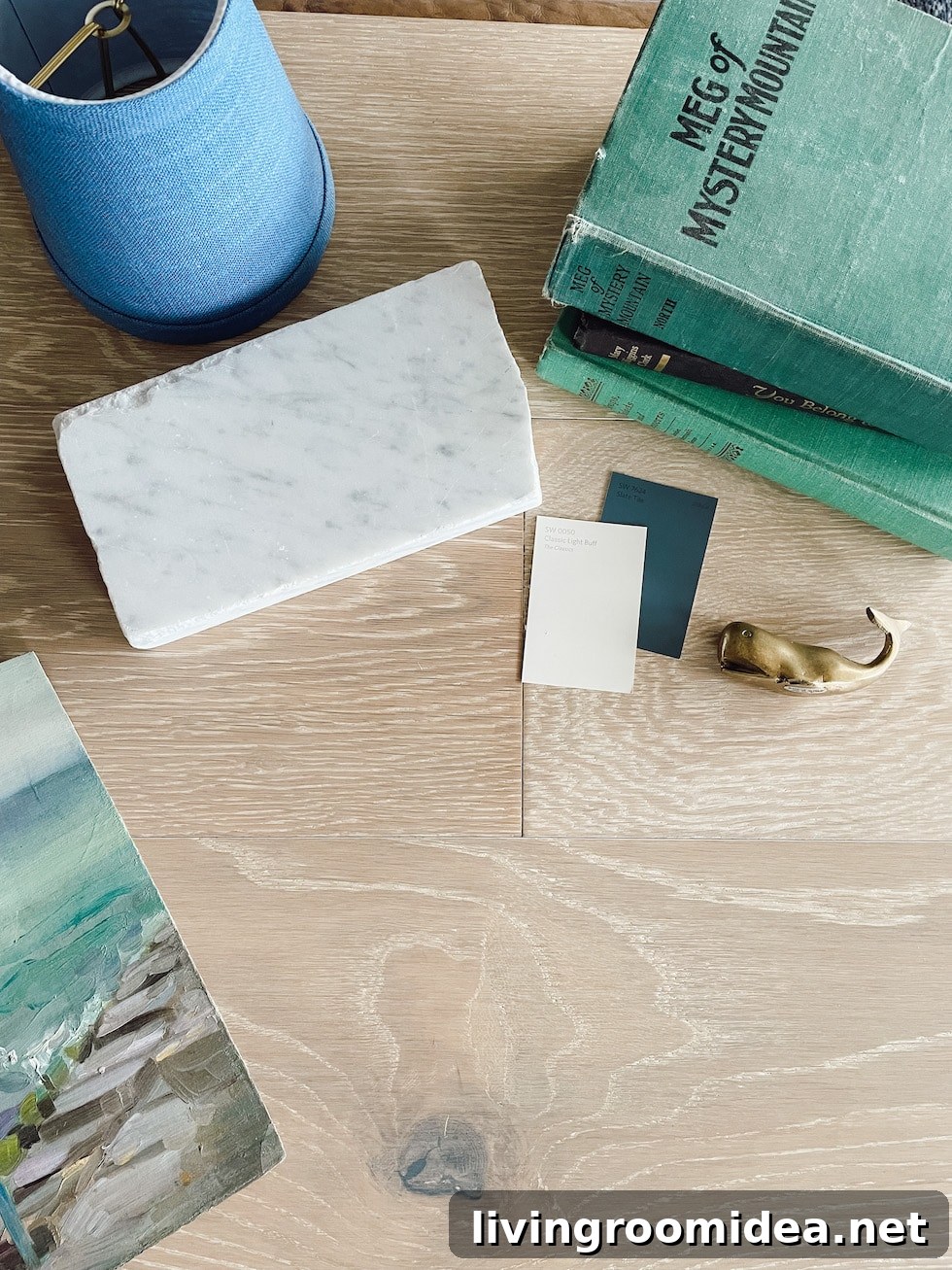
4. Define the purpose of the space.
How will you use the kitchen daily? We’re empty nesters who host family often, so we prioritized openness and flow, while keeping distinct zones for kitchen, dining, and living. With limited wall space for storage, we designed those walls for maximum function and flexible use. Consider who uses the space, how often you entertain, and whether you need room for seasonal decor or displays. Design around function first, then add the aesthetic elements.
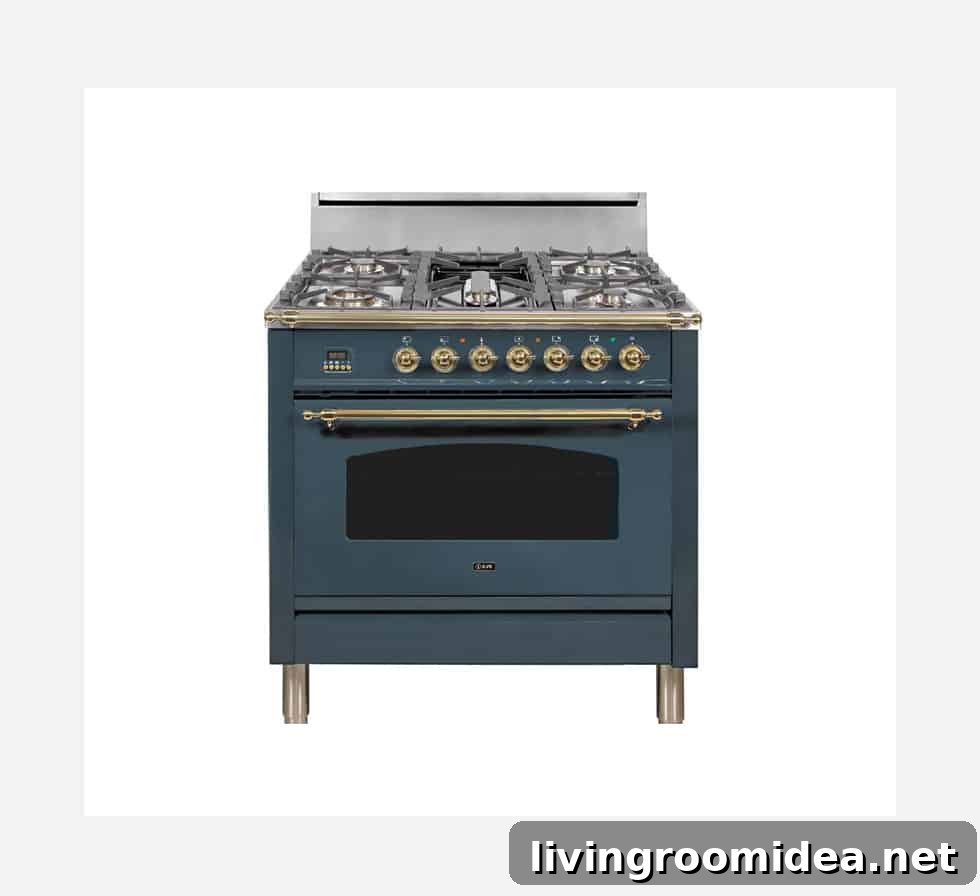
5. Decide on signature style elements.
Choosing two anchor pieces early—our range and a special faucet—helped define the palette and character of the space. The blue range became a focal point, so the surrounding finishes were chosen to support it rather than compete. Build a neutral, organic base and then layer in texture, warmth, and areas to showcase accessories you love.
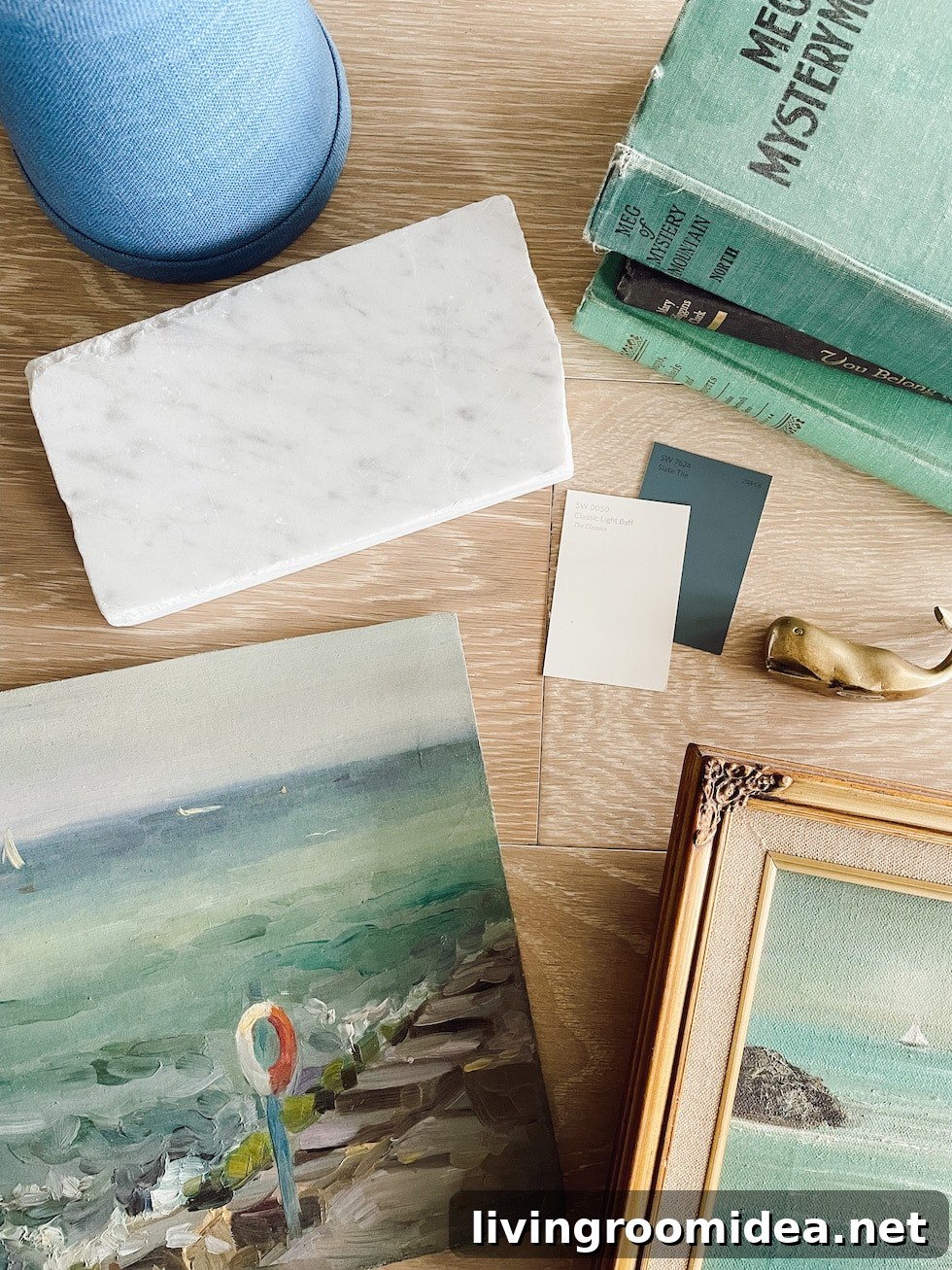
Think about how you like to decorate: will you display cookbooks, seasonal dishware, or art? We experimented with flat-lay boards—placing accessories on finishes and flooring—to see how combinations felt together. That process clarified which decisions needed to be permanent and which could remain flexible.

Designing a kitchen brings many possibilities, and it’s normal to discard ideas along the way. At some point you must narrow choices so the project moves forward. Focus on what fits your home and your lifestyle, then commit. When you settle on a direction, it’s exciting to see everything come together.
I hope these questions give you a clear starting point for your own kitchen design: consider location and light, complement your home’s style, respect the limits of your space, plan for how you’ll use it, and choose a few signature elements to guide the rest.
For more guidance in creating a home you love, consider taking courses that help you define style and plan rooms thoughtfully.
Members of HomeBody Gathering Place gain access to workshops and printable tools that walk through room planning, style choices, and practical steps to organize and document your design ideas. These resources can help you translate inspiration into a cohesive, livable kitchen.
More posts about our kitchen remodel:
My New Kitchen Floor Plan + Parents’ Addition and Exterior Elevation
Adding Character in a Kitchen Remodel: The Tale of Our New Range and Faucet