

 This post was sponsored by PODS®
Hello friends — I’m back with the second half of my top ten moving tips. If you missed the first five, check out Part One to catch up. Below are practical, real-world ideas that helped our family stay organized and sane during a recent move.
Pin this post so you can find it later and share it with friends!
6. Make a master to-do list and assign tasks.
Moving involves dozens of small details that add up quickly. Create a visible master to-do list — a clipboard or notebook kept in a central spot works well — and update it constantly. Crossing items off as you complete them reduces stress and prevents important tasks from being forgotten.
Divide and conquer: decide which jobs you’ll handle, what family members can take on, and what’s worth hiring out. For our move, we arranged container delivery and moving labor, hired a housekeeper for listing week, used a window cleaner, and hired a landscaper to keep the yard presentable. Delegating freed up time to focus on higher-priority tasks and reduced exhaustion.
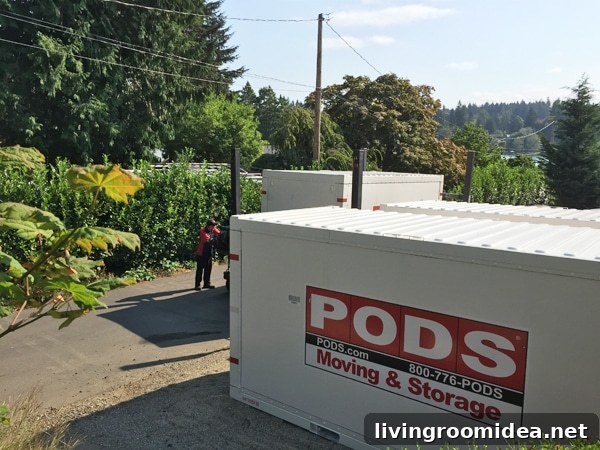
We packed most items ourselves but brought in professional help for heavy lifting and specialized services. Whether you rely on friends, family, or paid help, getting assistance where you can will make the process smoother.

7. Be flexible
No matter how carefully you plan, things will go off script. Garage sale plans may fall through, offers can collapse, closing dates can change, and inspections may reveal surprises. When plans shift, adapt. Donate or give away items you can’t sell, rethink a house that doesn’t match your original vision, and stay patient with delays. Staying calm helps things resolve more easily and prevents unnecessary stress.
8. Prepare for extra moving expenses
Moving costs extend far beyond your purchase price. Supplies, movers, temporary lodging, earnest money, inspections, repairs, taxes, utilities setup, and unexpected fixes can all add up. Create a “moving fund” well before your move to cover these expenses without scrambling.
If you need extra cash, sell items you no longer need on resale sites months in advance. Also hunt for used or free moving supplies locally to save money. Planning ahead avoids last-minute purchases and reduces financial strain during the transition.
9. Gather bins, boxes and supplies.
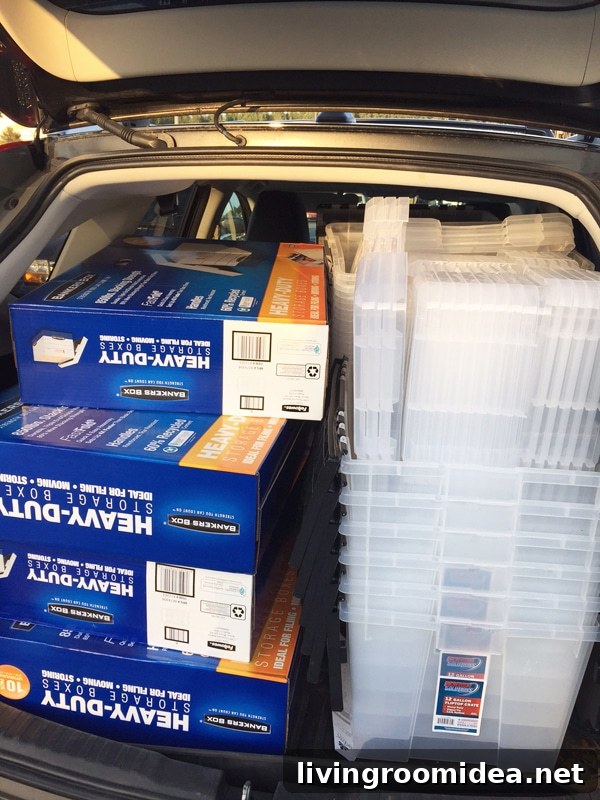
Even with thorough decluttering, you’ll need plenty of boxes, tubs, and packing materials. Avoid relying on duffel bags; proper containers make packing faster and protect your belongings. Stock up on sturdy boxes, tape, bubble wrap, and markers well in advance — order more than you think you’ll need.
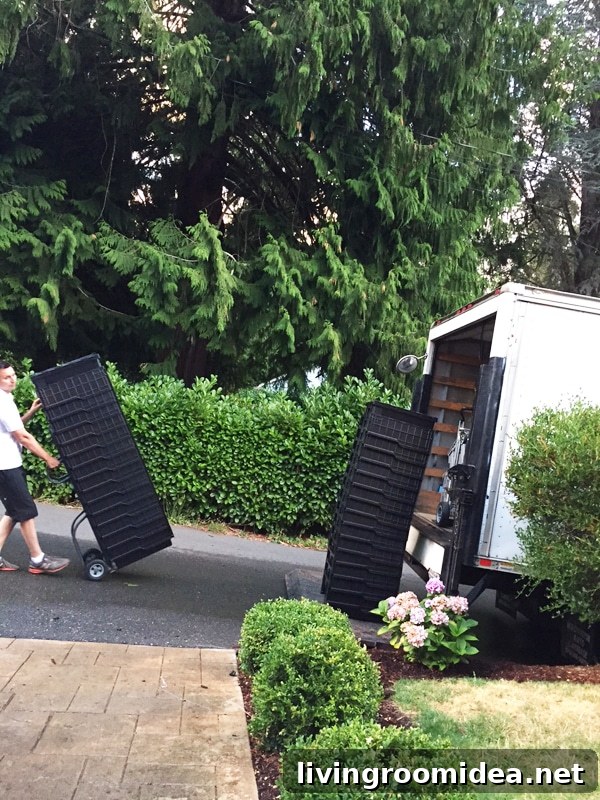
We used banker-style boxes for heavy items like books and dishes and clear plastic tubs for long-term storage in the garage. For a cleaner, more efficient solution, consider renting reusable plastic moving bins. The uniform sizes stack well in a truck, protect fragile items, and often come with a dolly for easier handling. Renting also encourages faster unpacking since the bins need to be returned.
Order specialty boxes for TVs, artwork, and wardrobe boxes in advance. Use rolling suitcases for books and clothing, and consider leaving clothing packed in dressers if they’re sturdy enough to move. Grocery and warehouse stores are good sources of free boxes if you ask in the months before your move.
If you plan to move freestanding cabinets or dressers and reuse them in the new home, pack each drawer into labeled boxes so you can quickly return items to their original places.

10. Focus on the essentials.
Pack an essentials bag you’ll carry with you on moving day. Include toiletries, a few changes of clothes, chargers, important documents, medications, and any immediate-use items. Also pack one or two boxes with bedding, towels, basic cooking items, and a few dishes so your first nights in the new home aren’t chaotic.
Think like you’re preparing for a short trip: have what you need on hand so you don’t have to dig through dozens of boxes to find basics. In our last move, a delayed truck left us shopping for essentials immediately; a couple of reserved boxes would have prevented that extra expense.
If all of this feels overwhelming, remember to take it one day at a time and rely on your to-do list. Say no to nonessential extras during the move, concentrate on the must-dos, and accept that things will be messy for a while. You’ll eventually be settled, and you’ll laugh about the chaos — at least for a little while.
Share your tips
What are your best moving or packing tips? Share your advice in the comments — I’d love to hear what has worked for you.
Thanks again to PODS for partnering with us on this move.
See also our posts about move-out day and move-in day for more ideas and real-life moving stories.