
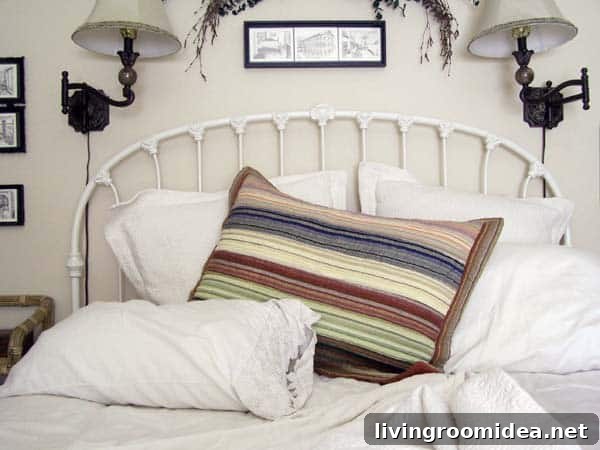
Most decorating books, blogs, websites and magazines focus on products and design trends — the latest, the most popular, the most photogenic items and techniques for updating your home. They deliver glossy spreads filled with homes that appear picture perfect, staged to look flawless for the camera. Those images are powerful: they inspire readers, sell publications and provide a visual feast for anyone looking for ideas. I enjoy them and I appreciate the creativity and craftsmanship they showcase.
For a long time, however, I struggled with what I jokingly call “magazine cover-itis.” It’s that urge to make every corner of your home look like a cover shot. Creating an image of perfection can become more important than creating a genuinely comfortable, lived-in home. While I still catch myself wanting that magazine look, over time I’ve grown more accepting of imperfection. Life experience has helped me realign priorities: I now value a home that works for real life rather than one that only photographs well.
Authentic living rarely matches a magazine spread, yet it carries a depth and warmth that staged photos can’t capture. A home that reflects history, joy, spirituality and love feels different as soon as you step inside. It’s a place where children race through the halls with messy shirts, where fathers nap on the couch, and where moms bake in aprons that may not match the outfit. Dirty bowls sit on the counter, friends drop by for a chat without worrying about laundry on the coffee table, and library books pile by the front door. Teenagers do homework at the dining table, pets and babies make messes that get cleaned up later, and fruit falls from the tree leaving its own imperfect mark on the driveway.
That is life — not a staged version in which the mom cooks dinner in a cocktail dress and three-inch heels while not a single dish is out of place. Real life isn’t always picture perfect, and that’s okay. There is real, quiet beauty in those imperfect moments. Owning the latest designer pieces doesn’t guarantee warmth or meaning. What matters more is the life you build inside your walls: why you choose certain things, and what you give up to maintain a polished image.
Many of the most meaningful elements of a home don’t translate well into a single, stunning photograph. Yet they are central to authentic beauty. You can create a home that is occasionally ready for a magazine cover — from certain angles or in particular rooms — while also honoring everyday life in all its messiness and joy. That combination is possible and deeply satisfying.
Striving for constant picture-perfect appearances at the expense of substance, comfort and balance becomes an empty pursuit. It becomes a mirage that looks impressive from a distance but lacks warmth up close. When you learn how to cultivate authentic beauty, decorating becomes less about chasing trends and more about pleasing your own eye, supporting your daily rituals, and shaping a space that fits your family’s needs. This approach often saves money, reduces the pressure to follow every fad, and results in a home that feels genuinely yours.
In upcoming posts I’ll share specific, practical ways to achieve beautiful, livable spaces that celebrate real life. For now, though, I hear my son rustling in his room — a reminder that life with all its imperfections is happening right now, and that’s where the real beauty lives.