Welcome to The Inspired Room. I’m delighted to join this How to Decorate summer blog series hosted by Beth at Home Stories A to Z. This event brings together 25 talented bloggers sharing decorating ideas all week long — it’s a great place to gather inspiration.
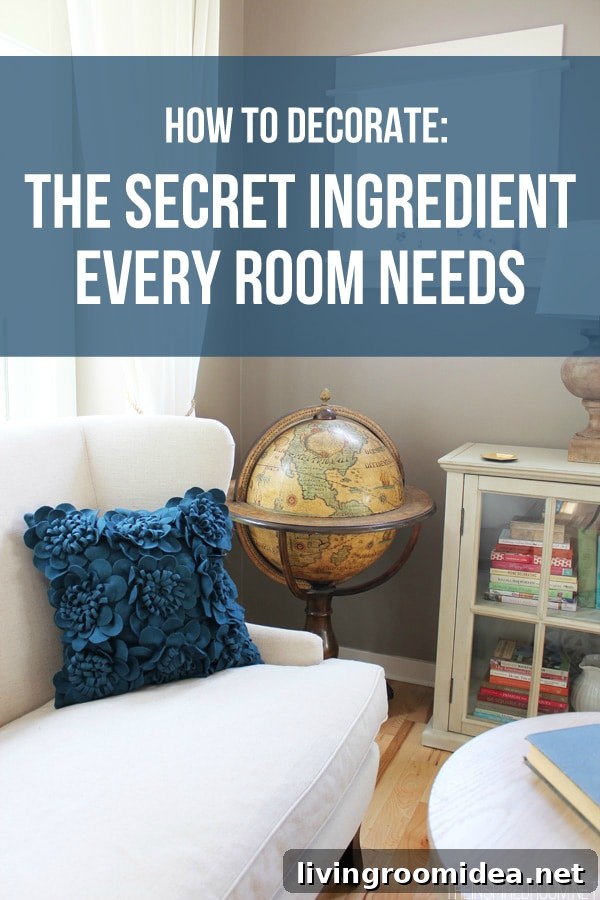
When people think about decorating, they often focus on accessories, artwork, paint colors, or a new rug. Those elements are fun and important, but there’s one design ingredient that elevates a room from a collection of pretty things to a cohesive, inviting space. You might not notice it when it’s missing, yet it has a big impact on how a room feels.
The good news: this secret ingredient doesn’t cost a fortune. You can find it at thrift stores, in your garage, outdoors, or make it yourself. Creating a beautiful home is less about spending and more about awareness — once you start noticing it, decorating becomes a fun treasure hunt.
So what is the decorating secret?
Layers of texture.
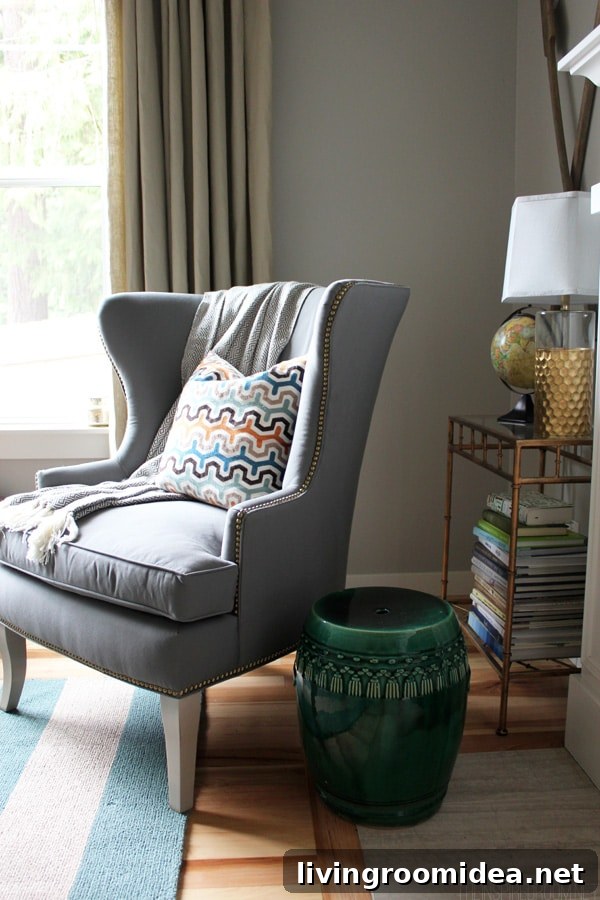
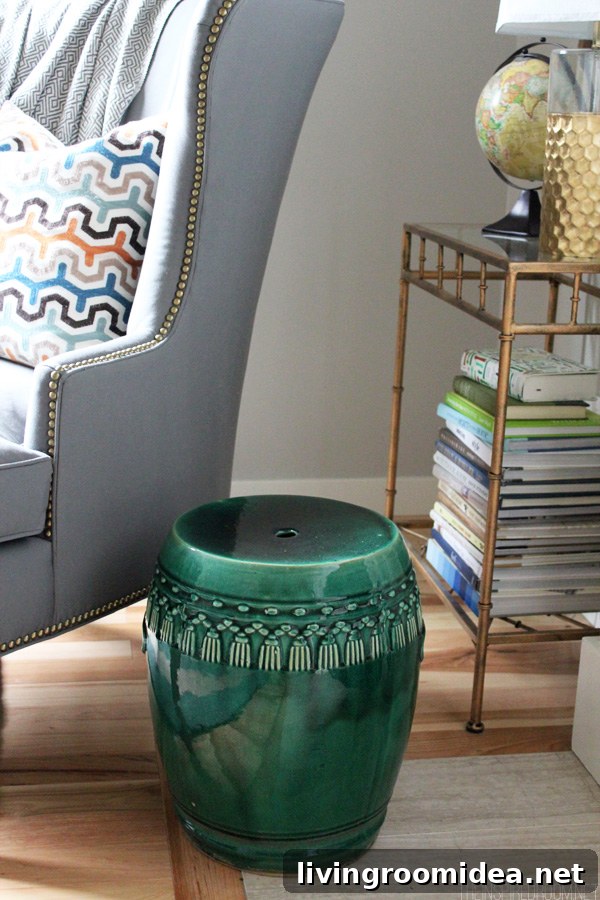
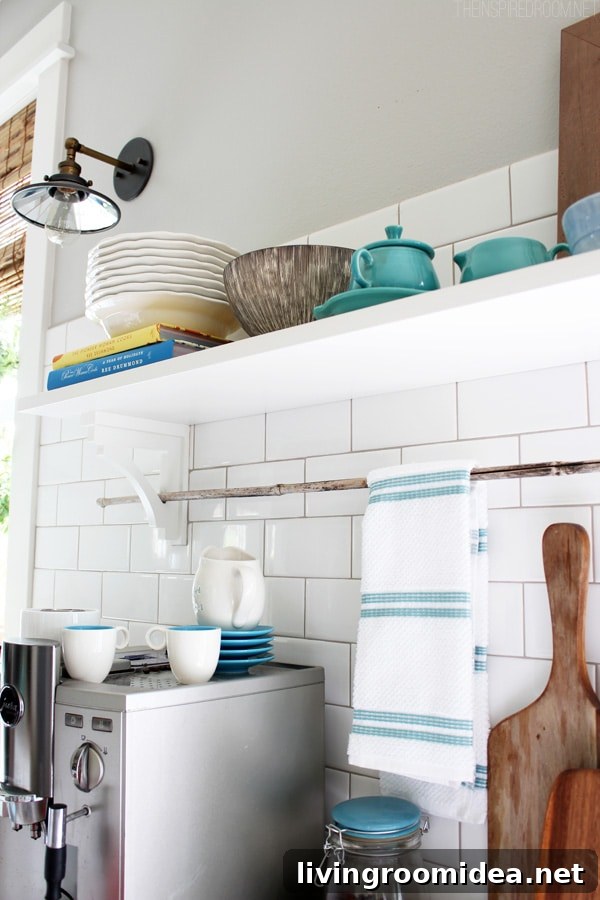
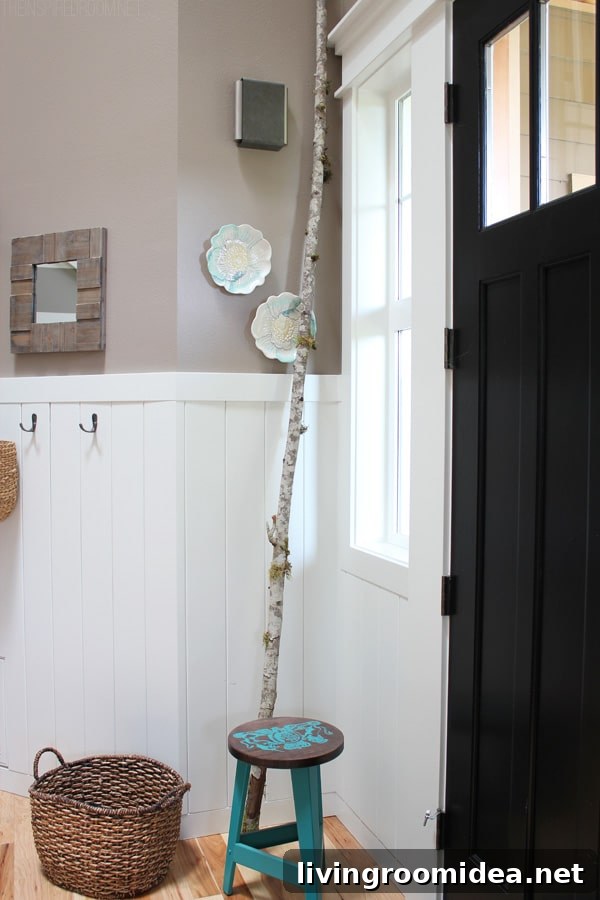
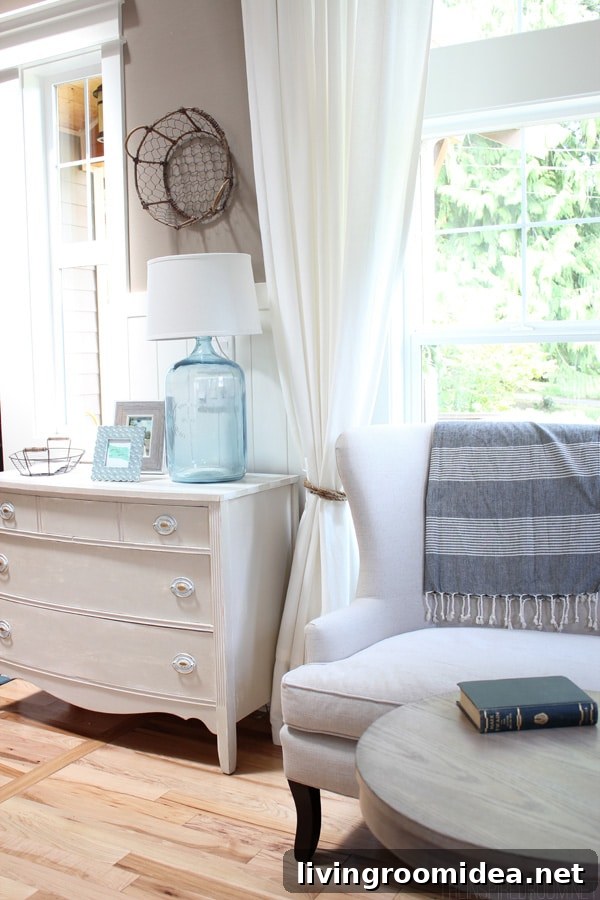
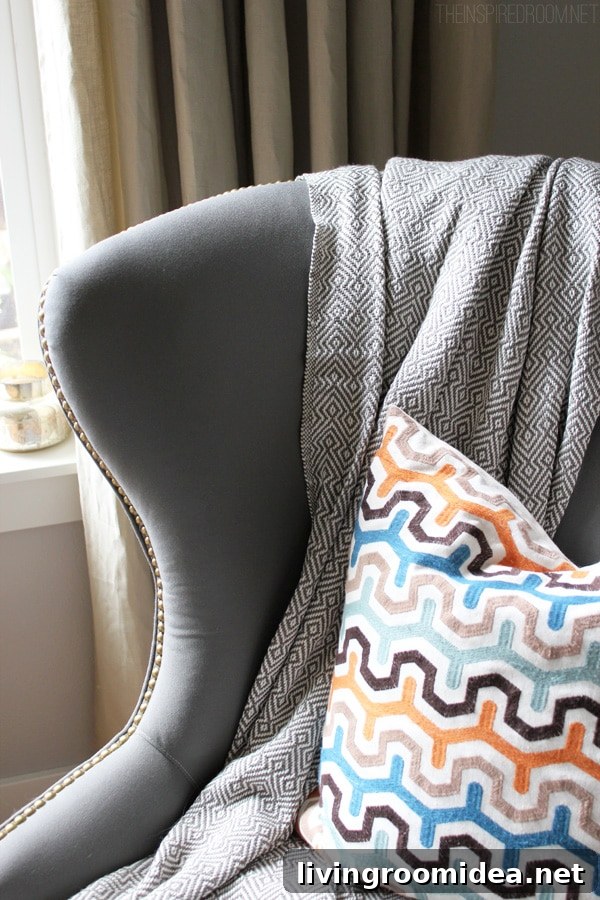
A room without varied textures can feel flat and one-dimensional, even if it’s filled with beautiful items. Texture adds warmth, depth, and visual interest. You can introduce texture in subtle ways that suit any style, whether you prefer bold color and pattern or a calm, neutral palette. Texture helps the eye move around the room, discovering details that work together to create a finished look.
If the idea sounds overwhelming, relax — you don’t need to buy a prepackaged set or rush the process. Decorating can be gradual. You can achieve textured layers in a colorful home or an all-white room. The goal is not to copy someone else’s style but to use texture to make your home feel like yours.
5 Ways to Incorporate Texture:
1) Rugs
Rugs are an easy way to add texture. Choose natural fibers like jute, plush materials like wool or fur, or refined options such as silk or patterned rugs. Layering rugs — for example, a woven rug over hardwood or a patterned rug atop a neutral base — adds dimension and interest.
2) Accessories
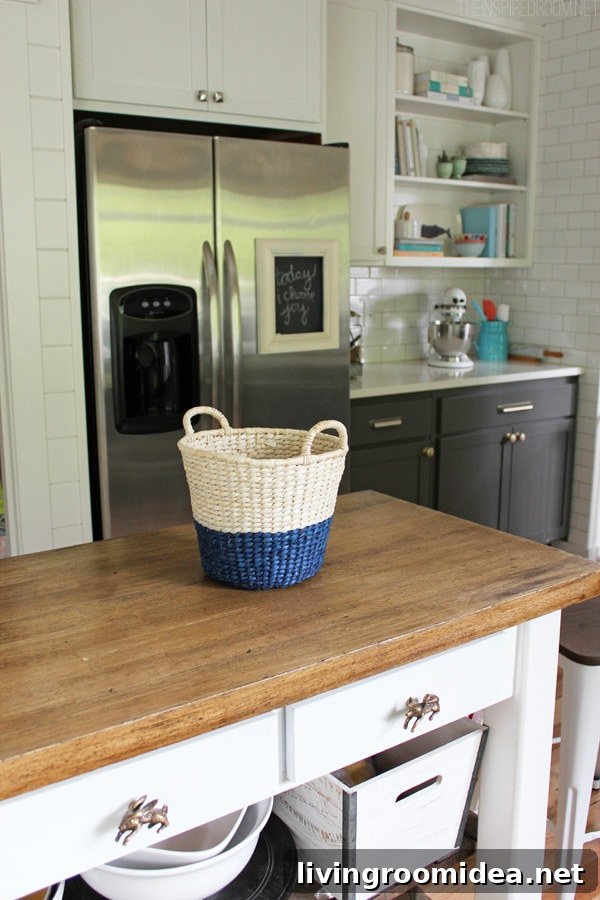
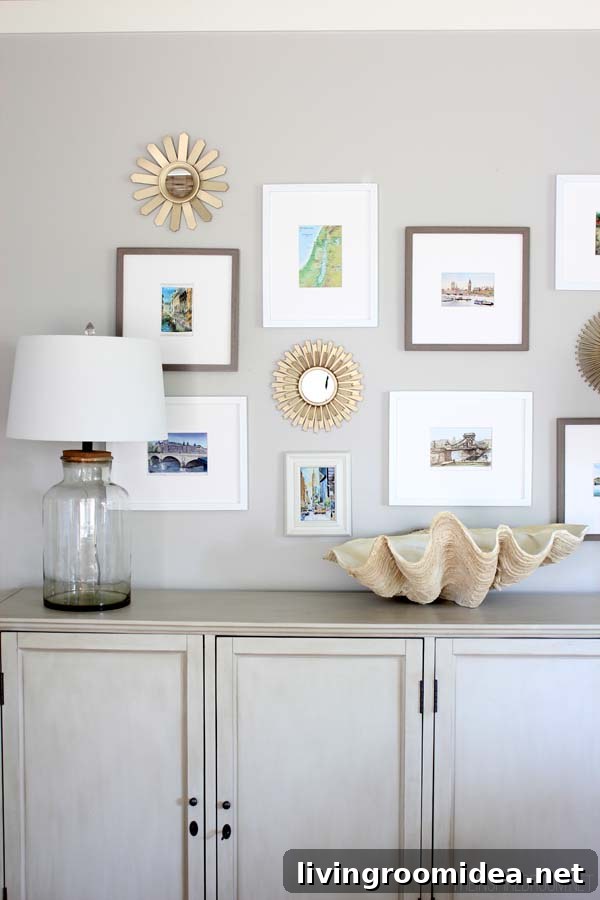
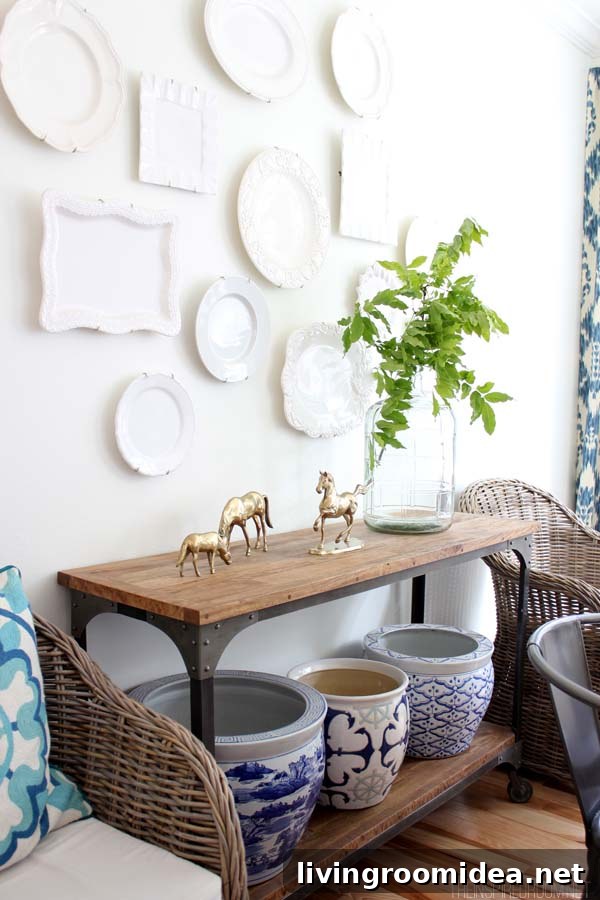
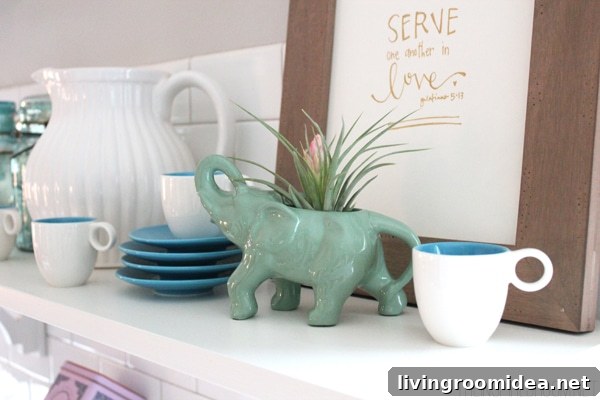
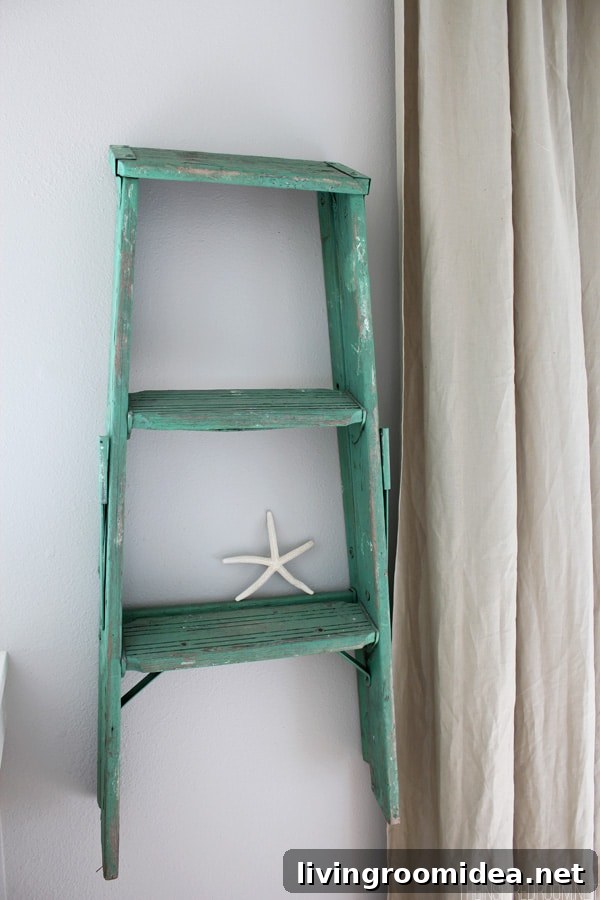
Mix finishes and materials among your accessories. Combine glassware and metallics with natural elements like branches, shells, or potted plants. Add soft textiles such as nubby throws and pillows alongside woven baskets and textured trays. Group similar textures together or spread them throughout the room to create balance.
3) Furniture finishes
Varying furniture finishes helps prevent a monotonous look. Pair painted pieces with natural wood, upholstered items with metal accents, or antiques with modern finds. Even a single piece can combine textures — for example, an antique dresser with gleaming new hardware.
4) Wall finishes
Go beyond a flat paint finish. Consider wallpaper, shiplap or painted paneling, tile, wainscoting, or textured plaster to add architectural interest and tactile variation to your walls.
5) Window treatments
Window treatments are another opportunity to layer texture. Drapery, roman shades, sheers, textured blinds, or shutters each bring different qualities to a room. Some windows can be left bare if they have exceptional trim or views, but most benefit from a bit of added softness or structure.
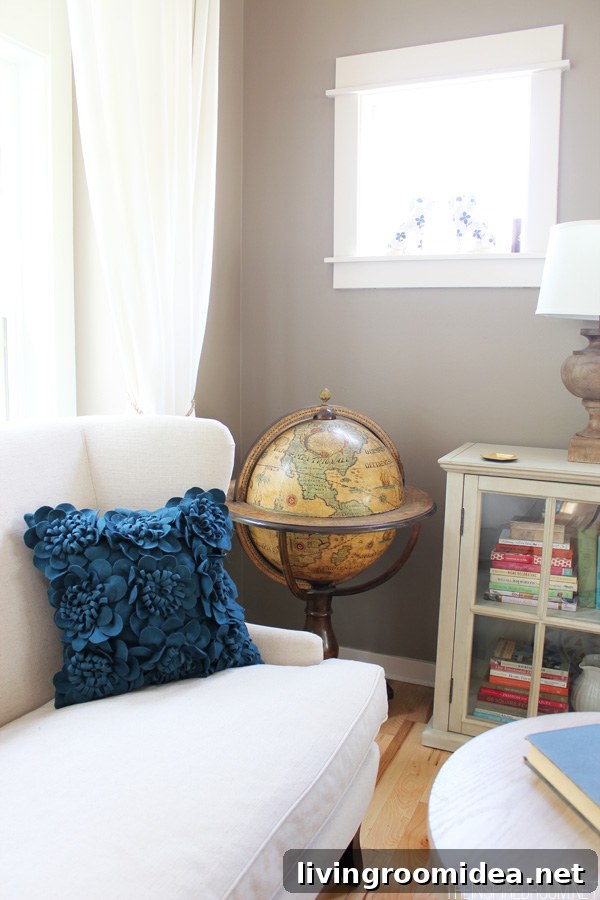
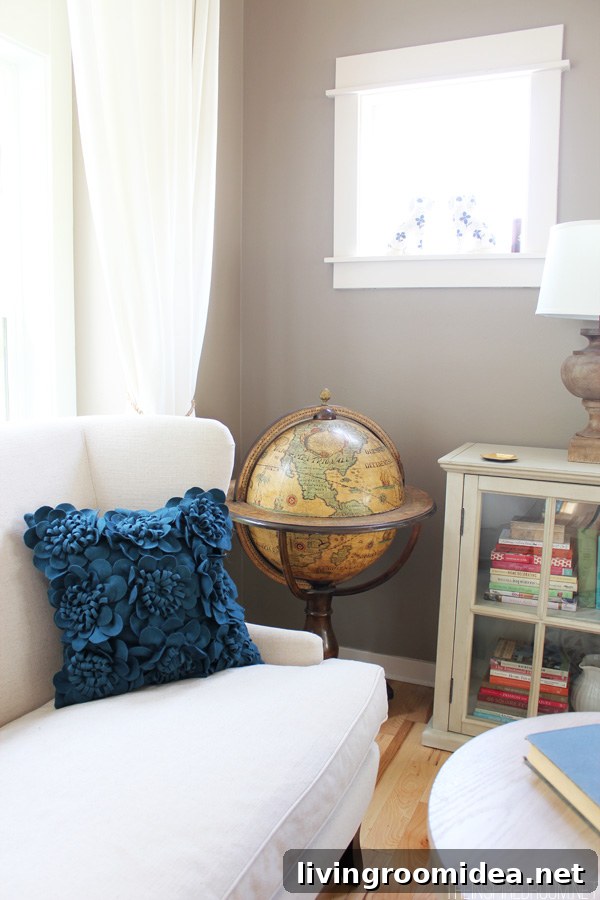
Try a quick exercise: Look through the photos in this post and see how many different textures you can spot. Then walk through your own home and take note of the textures you have — if it feels lacking, enjoy a texture treasure hunt to mix in a few new layers.
If you want more ideas, explore additional posts and inspiration galleries from The Inspired Room for practical tips and real-home examples that demonstrate how texture completes a space.