
 This post was sponsored by PODS®
Moving is one of life’s most stressful events — even exciting moves can feel overwhelming. From house hunting and negotiating offers to financing, packing, coordinating transportation, and setting up a new home, each step adds decisions and pressure. Help (or the lack of it) and timing make the process even more unnerving.
Every move is different. Your life season, health, availability to plan, children’s ages and schooling, and logistics will vary from one move to the next. Buying and selling homes adds complexity, and whether you have friends or family where you’re going can make a big difference.
You never become a complete expert at moving because things change each time, but experience does teach useful lessons. Having recently moved, I wanted to share practical tips that helped us — and mistakes we learned from. I’ve divided this into two parts because there’s a lot of useful information. Pin or save this article so you can find it later and check part two when you’re ready.
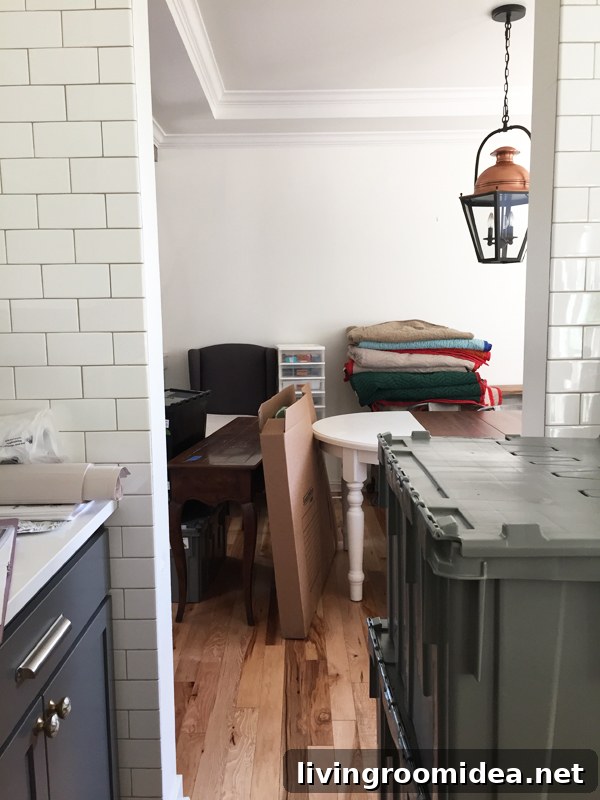
Moving is a broad topic, but here are the main points that stood out to me during our recent relocation.
1. Start your house hunt online.
House hunting can be both fun and stressful. Use online real estate sites to preview listings, track how long properties have been on the market, see comparable sales, and research neighborhoods. Apps that send alerts for new listings in your price range can save time and help you act quickly.
Use map and street view tools to do virtual “drive-bys.” Check proximity to busy roads, parks, shops, and commute routes. Street view can reveal neighbors’ homes, adjacent commercial properties, or views you might not see in listing photos. Keep in mind that street view images can be outdated, so minor curb issues may already be fixed.
Online research won’t replace an in-person visit. Photos can be deceiving, so if you can’t visit a property yourself, ask a trusted friend or your realtor to preview it for you. If you find a promising listing, communicate with your agent so they can gather details before your visit.

2. Drive through neighborhoods.
If possible, spend time in the area you’re considering. Drive and walk through neighborhoods to get a feel for them. Notice sidewalks, trees, parking, nearby parks, and shops. Observe speed limits and typical traffic patterns during commute times. Being in a neighborhood often gives a better sense of whether it feels like home than studying maps alone.
3. Find a great realtor.
Choose a realtor you work well with and trust. House hunting involves frequent communication, and a good agent should understand local markets, home construction, and property values. Look for someone who cares about finding the right home for you, not just making a sale.
A knowledgeable realtor can provide valuable insights and make the process less stressful. If you’re relocating, an experienced local agent is especially helpful in navigating neighborhoods, schools, and market trends.
4. Find a great lender.
Start researching lenders as soon as you know you’ll be moving — ideally before you find a house. Getting pre-approved and beginning paperwork ahead of time keeps you ready to make offers. Compare larger banks with smaller lenders; smaller institutions or local loan advisors can offer more personalized service, which is often helpful for self-employed buyers or complex situations.
Ask your realtor for recommendations and call a few lenders to compare responsiveness and terms. Being comfy with your lender can prevent delays and reduce stress during closing.

5. Prepare ahead to move out.
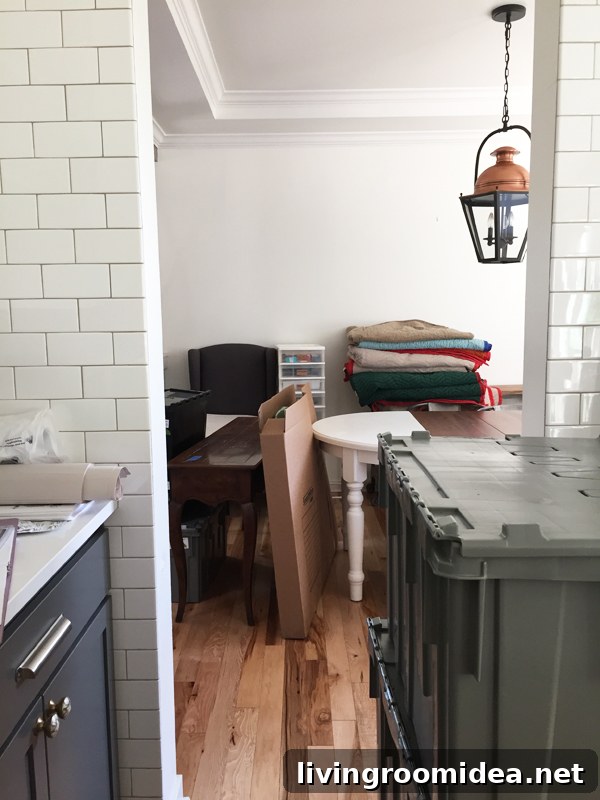
Moving tasks are time-consuming. Start planning early so important details don’t fall through the cracks. Begin packing well before moving day — ideally while your house is still on the market. Use the move as an opportunity to declutter: the less you move, the easier unpacking will be, especially if you’re downsizing.
Decide which large or awkward items are worth moving and which to sell. Consider whether appliances will stay with the house or come with you. Think through logistics for pets, who can be stressed by moving activity; arrange a safe place for them on moving day. Potted plants may not survive transport and storage — consider gifting them to friends or offering them to the new owners.
Hire professional help if needed and schedule movers or moving labor well in advance, especially during busy moving seasons. If you have a gap between move-out and move-in, portable storage containers can simplify the transition by allowing you to load at your convenience and store your belongings securely until delivery.

Stop buying perishable groceries about a week before your move and try to use what you have; you can invite friends over to help finish food items. Arrange mail forwarding with the post office and call utility companies to schedule service end dates. Before you move, identify nearby services at your new location — doctors, vets, gas stations, and grocery stores — to reduce stress in the first weeks after moving.

There’s a lot to cover, and these tips have helped us plan and execute several parts of our recent move. What are your best moving or packing tips? Please share advice or tips in the comments.
Thanks again to PODS for their partnership in our move!
Click to see PART TWO of my best tips for planning a move.