
For years I struggled to simplify the abundance of stuff in my life. Just when one area of my home felt under control, life would shift — babies, kids, teens, puppies, jobs, school, projects, seasons, moves — and the order I had worked for would unravel. The cycle left me feeling buried, overwhelmed, and more stressed than before.
I wanted my home to be a sanctuary, but too much clutter made it difficult to know where to begin. Trying to organize sometimes made me feel even worse; I’d pull everything out in a moment of optimism and then, overwhelmed, shove it all back. Over time I learned which habits and mindsets actually helped me create lasting change rather than short-term fixes.
I still go through chaotic seasons — moving, remodeling, busy stretches — but now I know how to return to a simpler, more orderly rhythm without adding undue stress. Seasons and setbacks are inevitable, but practical principles and steady habits help you get through them with less friction.
Here are 9 ways to get more organized without getting more stressed.
1. Deal with one situation at a time.
When stress and clutter pile up, it’s tempting to tackle everything at once. That usually backfires. Choose one decluttering or organizing task and finish it before moving on. If you don’t know where to start, list possible projects and pick the one that will reduce your stress most quickly. Even drawing a task from a hat can break the paralysis and get you started.
2. Zero in on essentials first.
Split your tasks into two lists. One contains everything you’d like to do — an overwhelming list best kept out of sight. The other holds just the essential daily tasks you must maintain (dishes, mail, basic tidying). Work on the essentials every day until they become manageable, then tackle extras or ask for help with secondary tasks.
3. Set realistic expectations.
Unrealistic expectations add stress. Organizing takes time, and progress is often incremental. You don’t have to accept permanent chaos because life is busy, but set achievable goals that motivate you and create noticeable improvement. Small, consistent steps lead to lasting change.
4. Declutter the excess.
It’s hard to maintain order when you own more than you can care for. Instead of focusing on clever storage for every item, remove what you don’t need. Keep only what you can maintain and enjoy regularly. Letting go of excess reduces maintenance and makes organized living simpler.
5. Build in margins.
Try cutting out or limiting one engagement for a week — social media, an extra commitment, or a nonessential task — and see how it affects your stress level and time. Creating small margins in your day gives you space to breathe and to address organizing tasks without rushing.
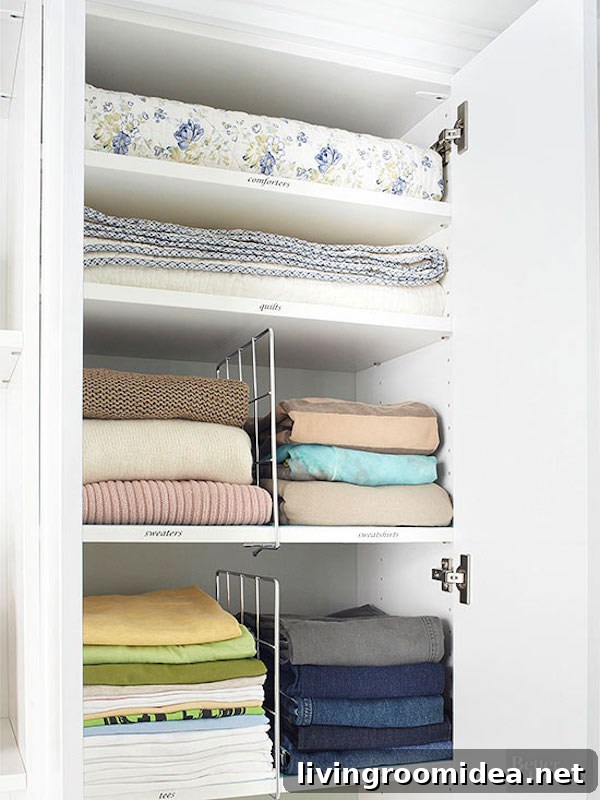
6. Make more room for things you love.
When a home is overstuffed, it’s difficult to enjoy the items that truly matter. Create breathing room for the things that bring you the most joy. Ask yourself what you value most and what is merely taking up space. Clearing around favorite items makes them easier to appreciate and care for.
7. Collect experiences, not stuff.
Possessions can be enjoyable, but they also create upkeep and clutter. Lean into experiences and memories rather than accumulation. Choosing activities and moments over material things often brings deeper satisfaction with less long-term maintenance.
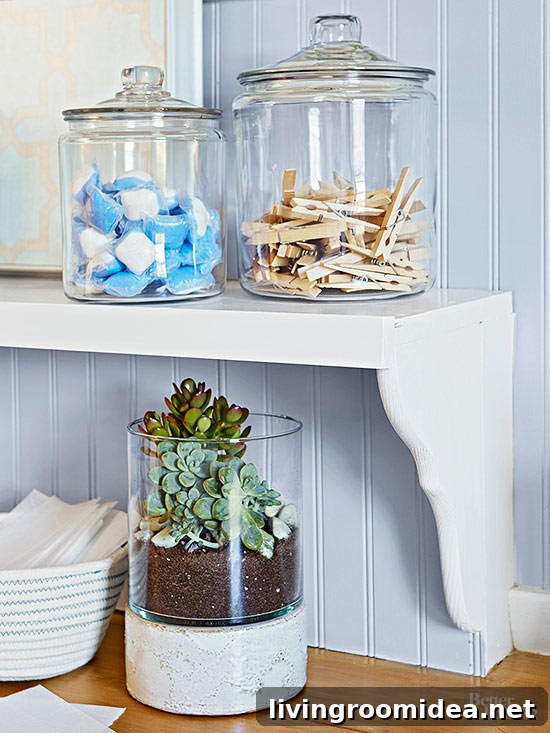
8. Don’t overthink.
Indecision fuels clutter. When you spend too long debating what to keep, items multiply and tasks stall. Avoid perfectionism about the “right” way to organize; often a simple decision and action are better than endless planning. You’ll save time and reduce mental load by doing instead of overanalyzing.
9. Commit to long-term success.
Rather than focusing only on the list of hundreds of things to do, keep a clear long-term goal in mind. A vision for how you want your home to function will inspire steady progress through the smaller tasks. Consistent, purposeful effort builds lasting order.
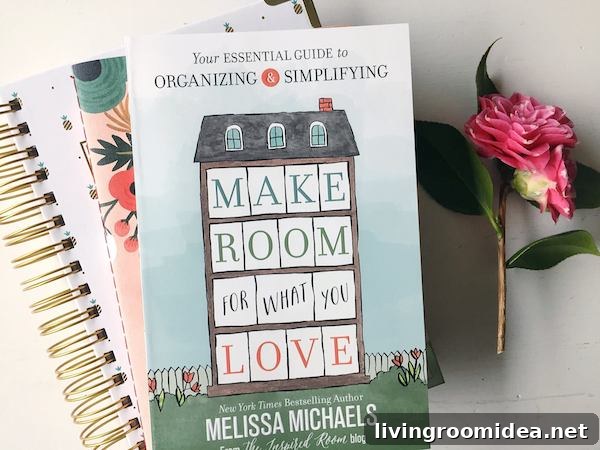
- For those ready to change habits and transform their home, the book Make Room for What You Love offers encouragement and practical steps for lasting change. It’s written from the perspective of someone who understands overwhelm and offers realistic solutions to create a more purposeful home and life.
- Consider resources like books or curated tools that support habit change and organization. Choose guides that align with your lifestyle and emphasize small, achievable habits over one-time fixes.
What stresses you out the most about dealing with clutter?