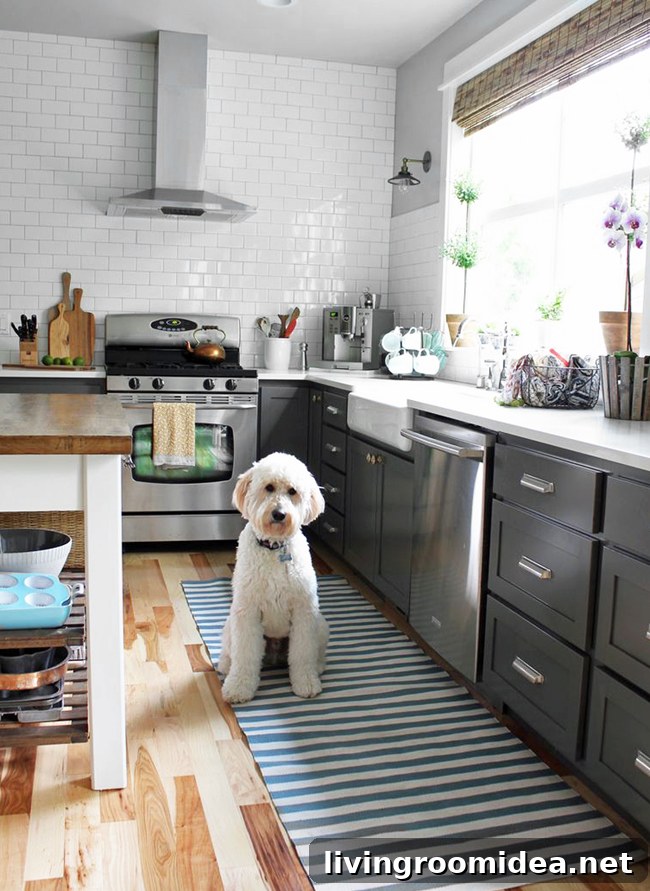

After my earlier post about the elements I love in a kitchen, many readers asked how to design a kitchen you’ll enjoy for years when you’re on a tight budget and working with a problematic space. How do you turn good ideas into a lasting kitchen design without spending more than you can afford?
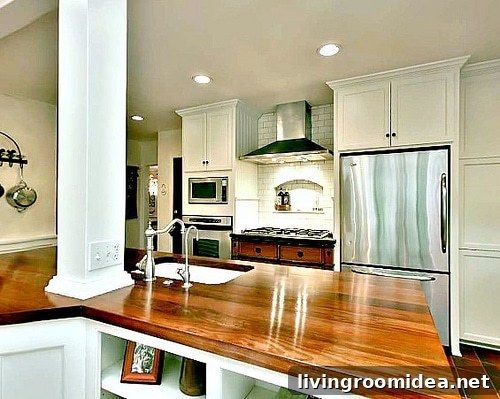
I’m sharing more tips today based on my experience remodeling my previous kitchen. This wasn’t a high-end makeover — it was a practical, budget-conscious remodel — and I hope these lessons help and inspire anyone tackling a kitchen on a regular budget. It wasn’t perfect afterward, but it was vastly improved.
If you’re new here, details about my current kitchen remodel are in the reveal post. While the two kitchens differ, you’ll notice some recurring ideas that I’ll discuss in a future post.
Please forgive the older photos below — they document the process and the ideas that guided us even though we no longer live in that house.

My last house was a true fixer-upper — beautiful in places but overwhelming in others. With roughly 4,700 square feet needing work, it took time before I could look past the problems and imagine the home’s potential. Potential is exciting but often more expensive and time-consuming than it first appears.
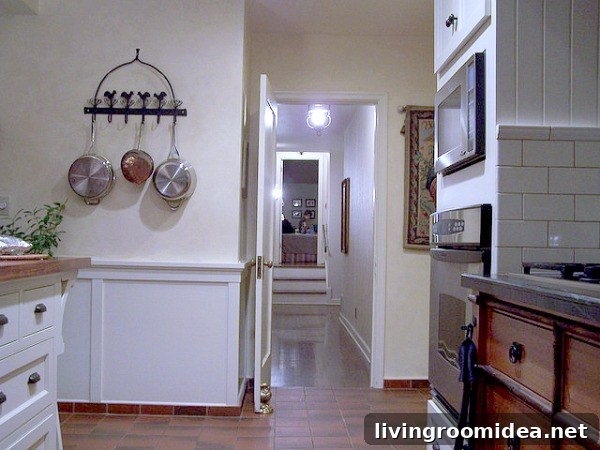
The kitchen, originally remodeled in the early 1980s, showed its age: appliances and tile were falling apart and the stove didn’t even work. For two years we made do — at first avoiding the kitchen entirely because of the smell, then waiting for the remodel to begin. We removed a smelly dishwasher and temporarily covered the gap, and lived with many unpleasant surprises until the renovation started.
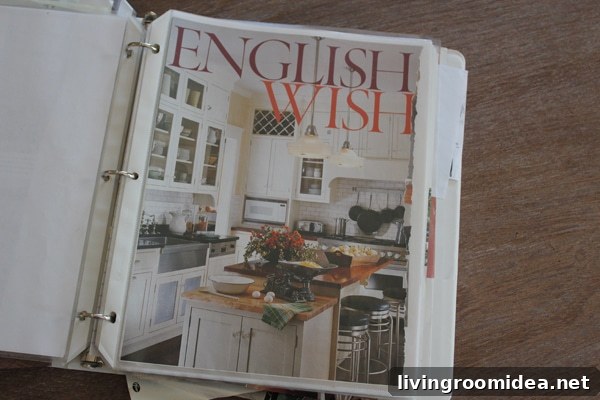
Throughout this post you’ll see snapshots from my kitchen notebook and photos of the space alongside the magazine images that inspired our decisions.
7 Tips I Learned During the Remodel
1. Take your time.
It’s tempting to jump in and gut a terrible kitchen immediately, but patience pays off when budget and long-term satisfaction matter. If possible, set up a temporary kitchen elsewhere in the house with a sink and a hot plate so you can plan thoughtfully. Taking time allows you to make decisions you’ll be happy with for years.
2. Get advice from skilled professionals.
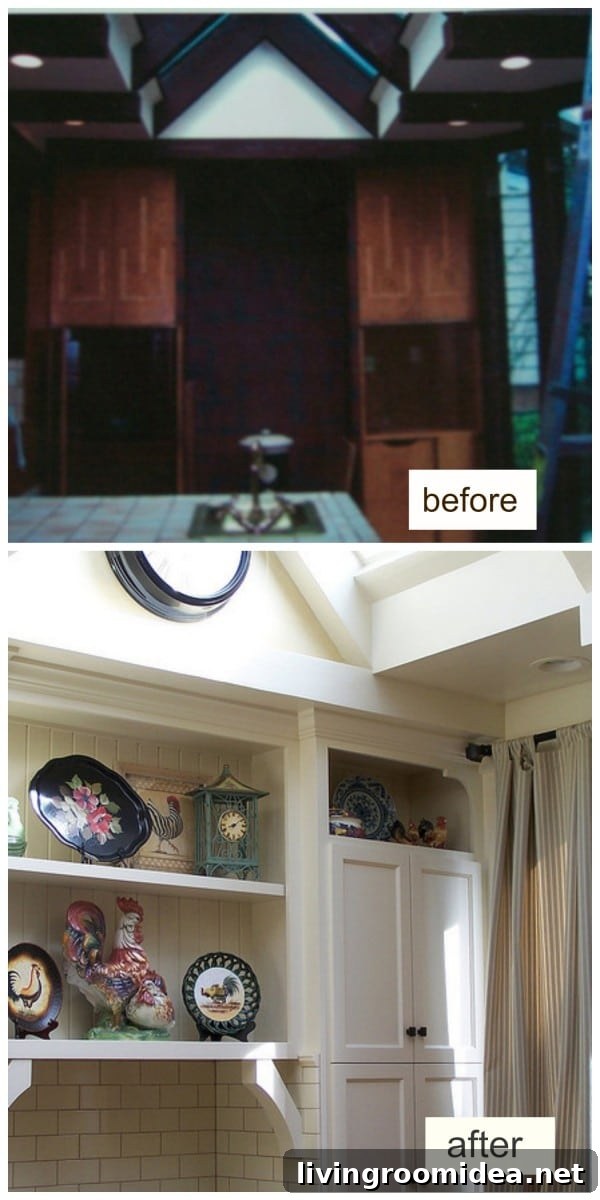
Blogs and Pinterest are full of ideas, but not every tip applies to your kitchen. Consult experienced contractors or designers who have seen your space in person. Our project only began to take shape after interviewing about ten contractors. Their practical input helped avoid costly mistakes and led to better decisions than the initial ideas I had on my own.
3. Keep plumbing, electrical layout, and cabinets when possible.
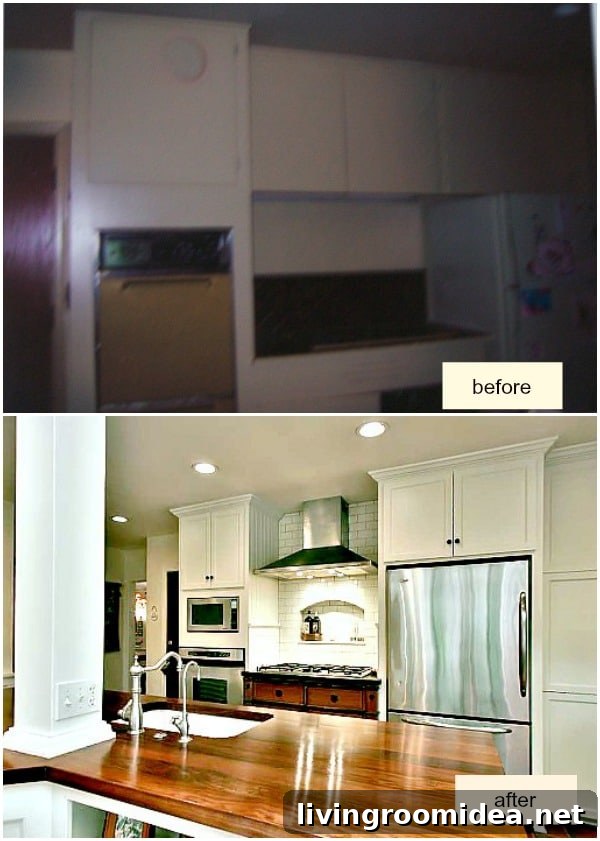
On a tight budget, preserving the existing layout can save a lot. Many contractors recommended gutting the kitchen, which pushed estimates into the $60,000–$80,000 range. The contractor we eventually chose suggested working with what we had: keep plumbing and electrical in place, save usable cabinet boxes, and order new doors and drawer fronts to update the look. That approach allowed us to reconfigure details affordably and postpone replacing the flooring.
Once we agreed on what would stay, planning the feasible details became much simpler and more cost-effective.
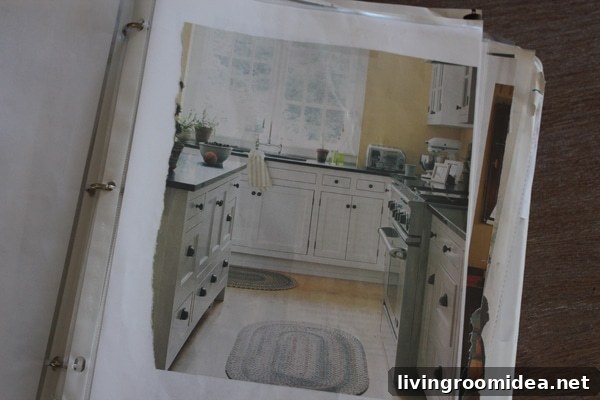
4. Collect magazine photos for inspiration.
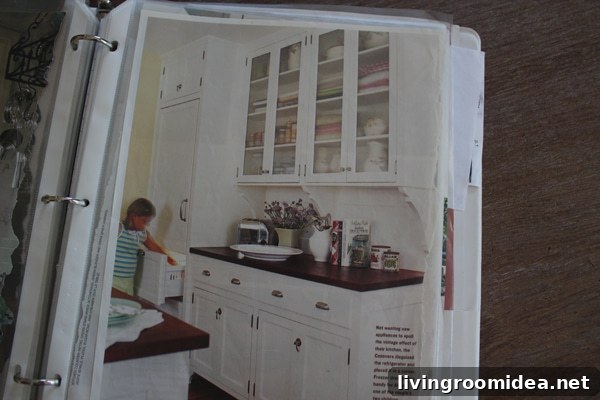
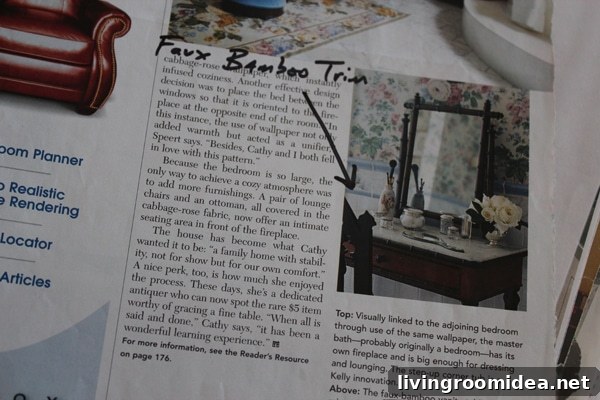
I kept a physical inspiration notebook filled with magazine clippings. Even before Pinterest, tearing out photos helped me collect ideas for specific elements — cabinet styles, brackets, and molding — that our contractor could recreate or adapt affordably.
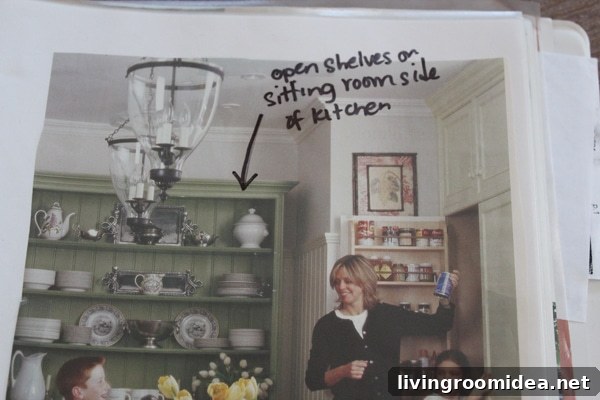
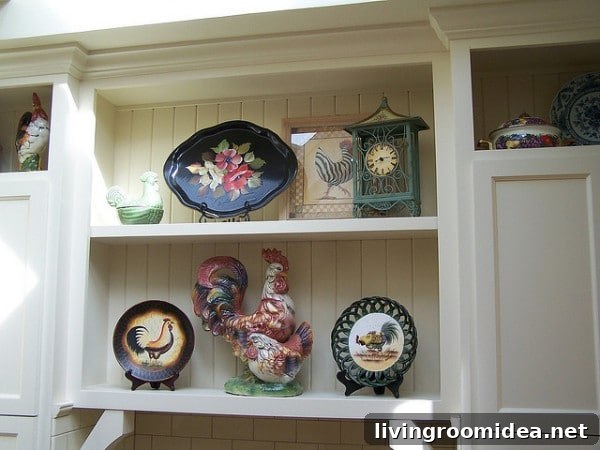
Above is the inspiration for the paneling at the back of open shelves; below is how ours turned out.
5. Make a project notebook.
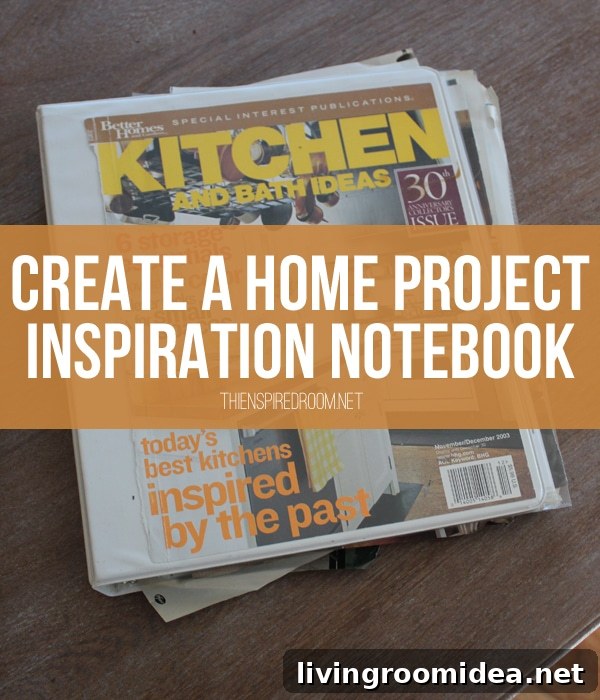
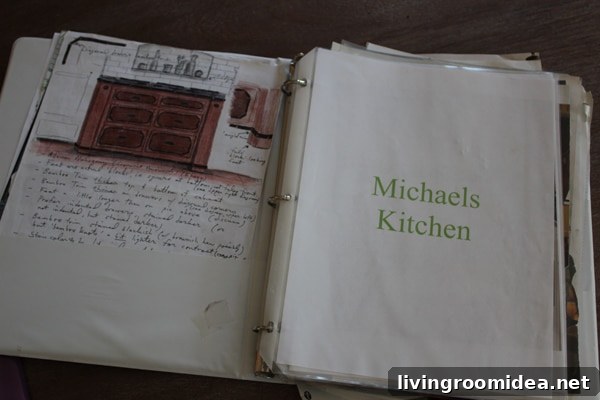
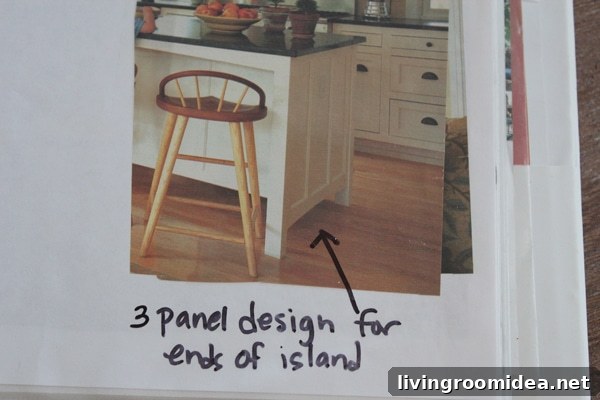
Create a dedicated design notebook for the remodel. We placed each inspirational photo and all notes in plastic sleeves in a three-ring binder. During the build we marked photos with arrows showing where details should go; the contractor kept the notebook in the kitchen so he always had a clear reference. That reduced miscommunication and helped him suggest cost-saving solutions, like recessing the refrigerator slightly to mimic a built-in look without buying an expensive counter-depth model.
6. Sketch the elements you love.
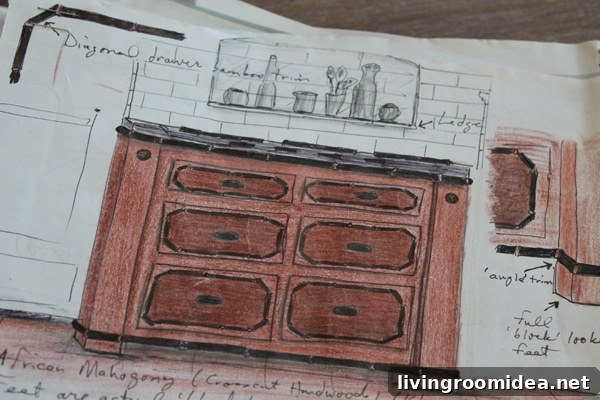
Sometimes a photo shows a feeling you want but not an exact solution for your space. Sketch ideas inspired by those photos and share them with your contractor. We designed a bamboo stove cabinet on paper from details we admired in furniture; the contractor translated that sketch into a practical, built solution.
7. Be flexible.
Flexibility was crucial. We adjusted expectations and priorities as costs became clear, which allowed us to get higher-impact details without overspending. For example, instead of a full professional range we chose a high-quality cooktop installed in a custom bamboo cabinet and combined it with a good oven that fit the existing cabinet. That tradeoff gave us the performance and charm we wanted at a much lower overall cost.
Being open to alternatives saved money on appliances, too: I originally wanted a double-door refrigerator but chose a single-door bottom-freezer scratch-and-dent unit that fit our needs and budget. Small, flexible decisions like that added up to significant savings while still delivering a functional, professional-feeling kitchen.
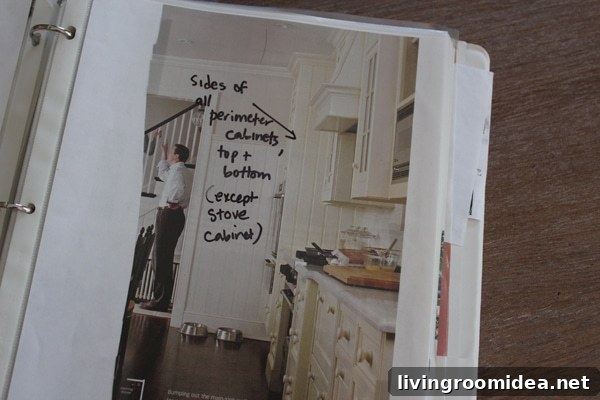
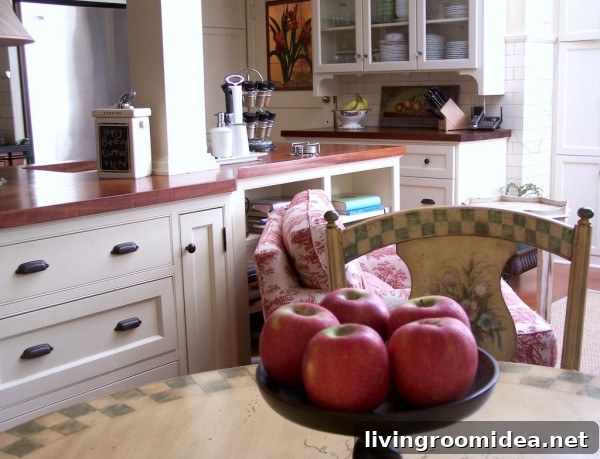
We used inspiration images for many details — glass cabinets with brackets, island paneling, crown molding, and inset sink cabinetry — adapting each idea to work with our existing layout and budget. Most cabinets were retained as boxes but updated with new doors, drawers, side panels, shelving, and decorative brackets based on the photos in our notebook.
Keeping a well-organized project notebook, consulting professionals, and staying patient and flexible will help you transform a difficult kitchen into one you love — even on a budget. I’ll share more from my new kitchen remodel soon, including sketches and before-and-after floor plans, and answer questions about how it all came together.