
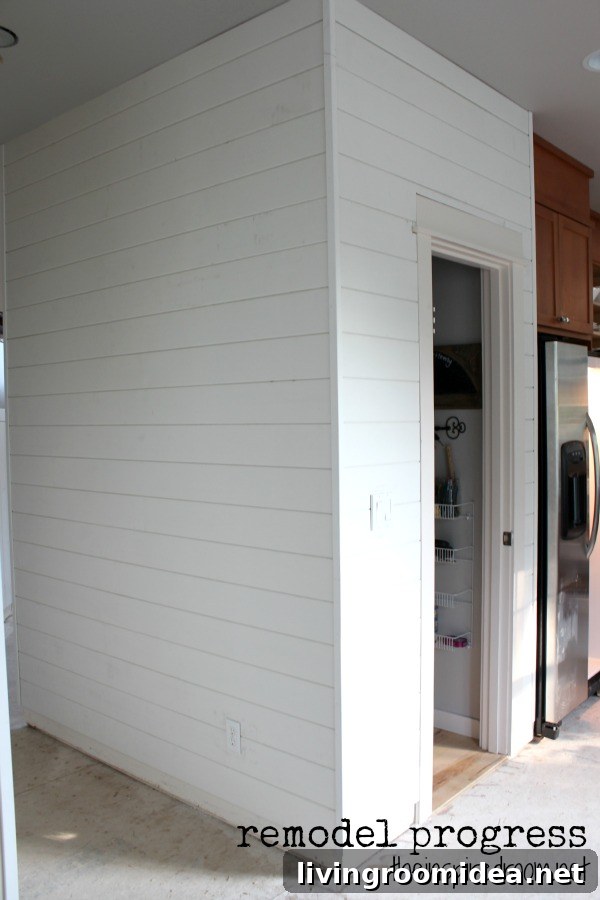
One of the things I’ve missed most from living in houses that are nearly a century old is the charm of real plank walls, wood paneling, wainscoting, detailed ceilings and trim. Thankfully, you can add much of that character to newer homes. That’s been my goal with this house, and although it took almost four years to get to this point, the wait has been worth it.
In the kids’ upstairs bathroom we used a simple faux board and batten treatment — essentially trim added to the wall to mimic the look of real wood board and batten. That approach works well in many rooms. But sometimes you want the real thing. Faux can photograph convincingly, yet in person nothing replaces the texture and warmth of genuine wood. To me, a home should feel authentic, not just look the part.
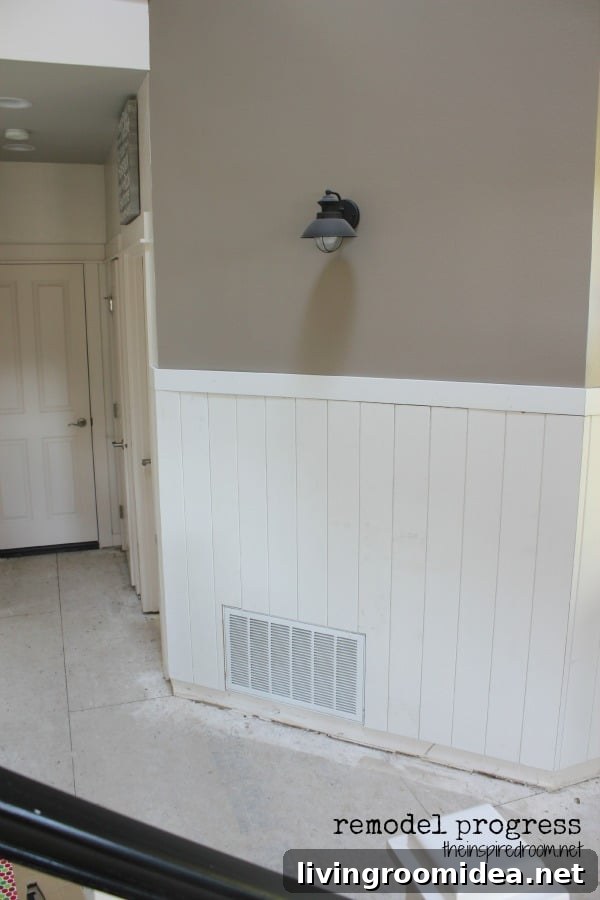
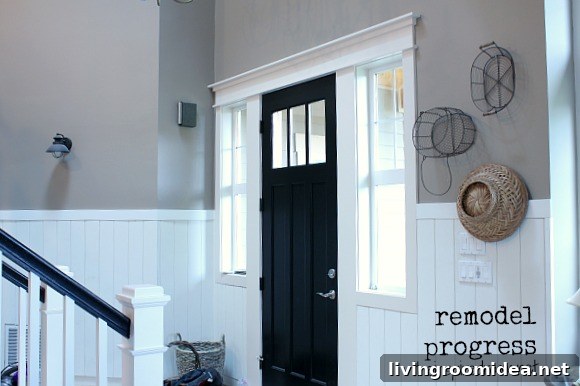
This year, as part of a larger effort to refresh and repair areas that needed attention, we added real wood shiplap-style planks to our entry, hallway and kitchen. These spaces connect to each other and had seen four years of wear from daily use, so a facelift made sense. Drywall often lacks the character of older plaster walls, and unless it’s flawlessly finished it can look flat and uninspiring. Real wood paneling instantly adds warmth and personality.
Plaster walls can be tricky to repair, but in my experience drywall is often harder to make feel right. Real wood, however, brings back the tactile quality older homes have — and that makes a big difference in how a space reads and feels.
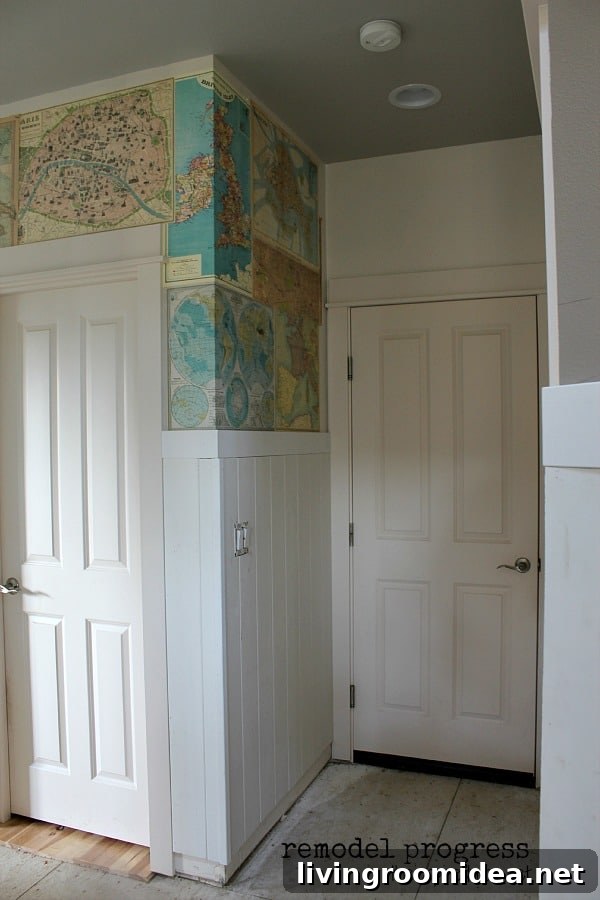
Real wood walls and wainscoting? They make everything feel more charming. You might remember the map wall from a while back — I’ll share a dedicated post about it once the remaining trim and flooring are finished. For now, seeing the new wood installed has already transformed the home’s vibe for the better. I can’t stop admiring it; the wood truly warms the space.
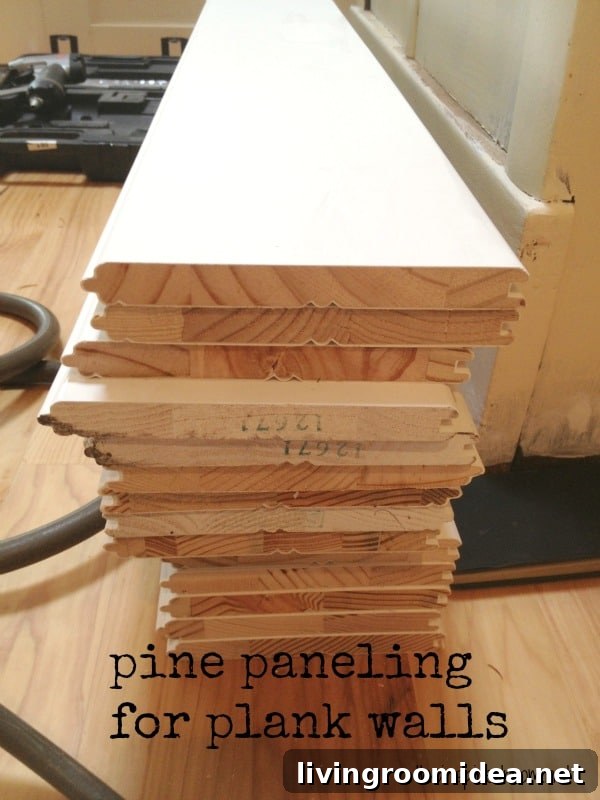
The planks we used are tongue-and-groove pine, roughly five inches wide, and we chose primed pine so they would be easy to paint. Technically we used the reverse side of beadboard paneling. These panels are designed to be used either way: the front delivers a beadboard look, while the back gives a v-groove plank appearance, which is what we wanted. I first learned this trick when we used the back of tongue-and-groove beadboard on cabinetry in our previous house.
For the horizontal plank wall, we simply turned the boards on their side and installed them floor to ceiling. On the other walls where we wanted a more traditional vertical wainscoting, the boards were installed vertically to five feet high. With tongue-and-groove paneling, there’s no need to prime or paint the underlying wall because the joints are concealed by the tongue-and-groove fit.
We kept the trim simple to match the understated moldings throughout the house. The baseboards will be reinstalled after the new flooring goes in.
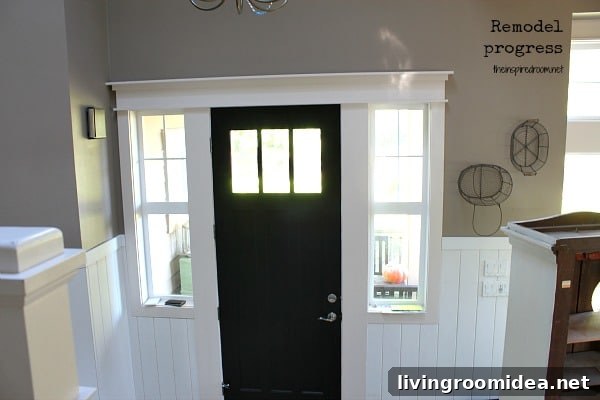
We hired a contractor to install the paneling and trim so we could focus our time and skills elsewhere. While woodworking isn’t a project we wanted to tackle ourselves, many DIYers could handle similar work with the right tools and some planning. There are countless ways to add wood walls and trim to match different styles and budgets.
There’s more new trim in the family room, which I’ll show in a future post along with additional remodeling photos. This week the new floors are going in; we’re still waiting on fireplace tile and kitchen cabinet paint, but progress is moving quickly now. We’re wrapping up these renovations just in time to start preparing for the holidays — and yes, we’ve even put up one of our Christmas trees already.
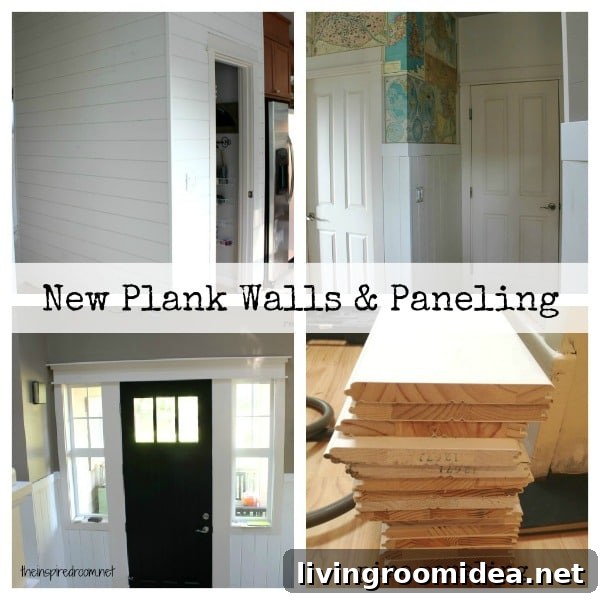
With thoughtful additions like real wood wainscoting, we’re turning a builder-grade house into a home with more of the character and warmth I’ve been dreaming of — or at least a version of that dream that feels achievable.
Are you making small changes over time to bring your home closer to what you’d like it to be?
Related inspiration post: Plank Walls