
* We’re sending lots of love to everyone in Boston (our cousins were at the marathon but are thankfully safe).
Back in October we wouldn’t have called ourselves travel experts. We used to fly only every few years—our honeymoon to Alaska in 2007 was followed by another flight in 2012 for a family trip to Hawaii. But the book tour changed that: we flew frequently and learned a lot along the way. After 29 flights in four months, we still don’t claim to be pros, but here are practical tips we picked up about flying and staying in hotels.

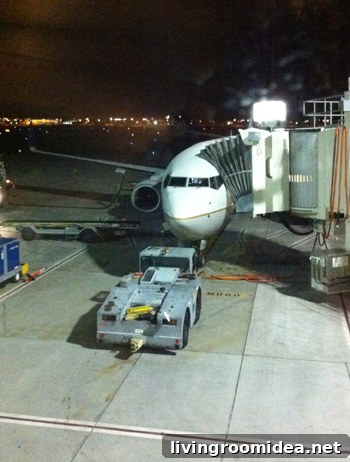
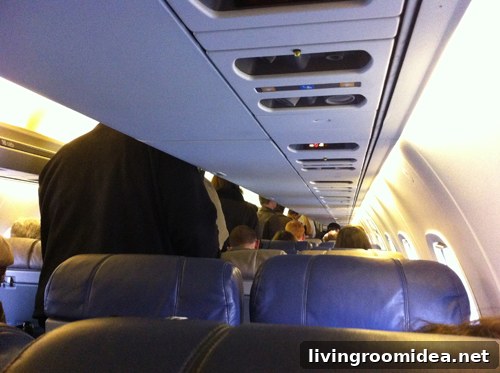
#1. If the airline is gate-checking bags, board toward the end of the plane’s boarding. On smaller aircraft where checked bags are placed under the plane at the gate, the last bags to go on are often the first off. If you need your luggage quickly—because of a tight connection or just to avoid waiting—don’t be the first to board. Aim to board in later zones instead of the earliest ones. Note: this works best when your other carry-ons can fit under the seat in front of you, since overhead space fills up while you wait to board.
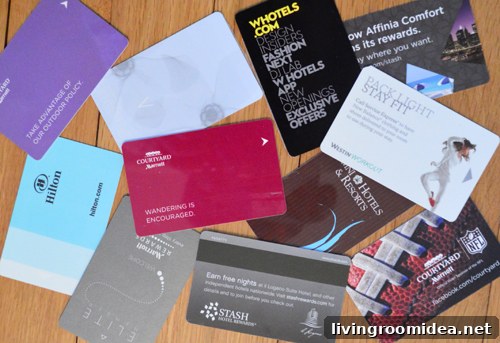
#2. Call the hotel ahead if you’ll arrive before check-in time. We frequently arrived in a city before the typical 3 pm check-in. Instead of killing hours, we usually called the hotel in advance to request early check-in and again when we landed to confirm availability. Most of the time this worked and we were given a room; it failed only once in a dozen or so attempts.
#3. Be pleasant to front desk staff. Hotel employees deal with stressful situations and difficult guests every day. A friendly attitude, a smile, and basic politeness can go a long way—sometimes resulting in perks like complimentary upgrades or helpful service.
#4. If you can’t secure adjacent plane seats, book ones that are close and ask to swap. When seats are assigned separately—often the case with last-minute bookings—we found success asking gate agents for help. If that’s not possible, choose seats within neighboring rows (for example, an aisle in one row and a window in the next). Board early enough to politely ask the passenger whose seat you want if they would switch. It won’t always work, but many travelers are willing to cooperate if asked courteously.
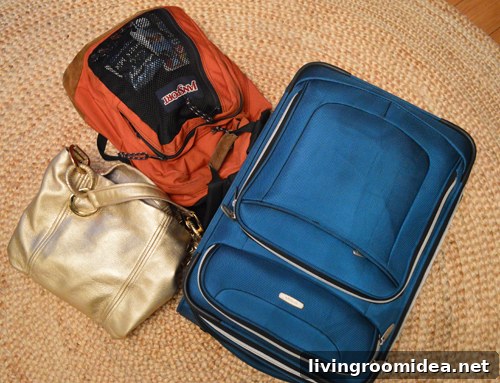
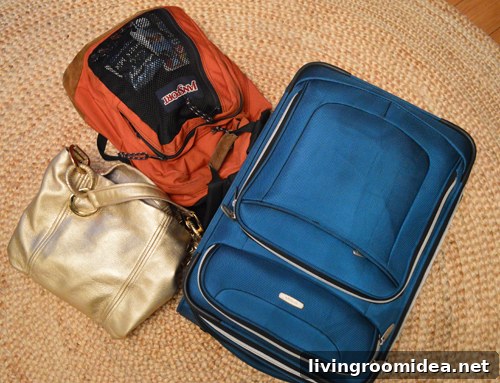
#5. Whenever possible, pack light and carry on. During those 29 flights we never lost a bag because we carried on every time. One of us carried a purse with essentials—camera, phones, tickets, snacks, itinerary—while the other had a backpack for reading materials, a laptop, and signing supplies, plus a small rolling suitcase with clothing. Packing versatile wardrobe staples that mix and match makes traveling light manageable: a few pairs of jeans, interchangeable tops, one extra pair of shoes, and basic undergarments were enough for almost a week. When traveling with a child we add one more small suitcase for their essentials, and still avoid checked baggage when possible.
#6. Keep toiletries in an easy-to-reach clear plastic bag for security. Security checkpoints often require liquids to be removed from bags, and digging through luggage wastes time. Keep contact solution and other small liquids in a clear plastic bag stored in an outer pocket of your backpack for quick access.
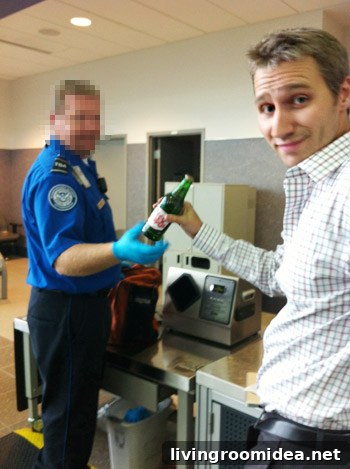
And expect airport security to confiscate fancy sodas and other prohibited liquids every time.
#7. Create a single-sheet travel document with your itinerary. Compile flight numbers, hotel reservations, check-in times, and other key details on one printed sheet. It’s a handy quick-reference for you and useful to share with a family member in case of emergency.
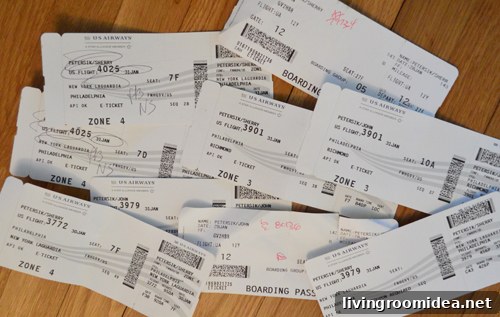
#8. Check flights and reservations the night before, print tickets if possible. A quick night-before check can reveal delays or cancellations and reduce last-minute stress. If available, print boarding passes at home to save time. We also learned to double-check hotel reservations after arriving once to find our booking had been made for the wrong night—an avoidable hassle if confirmed in advance.
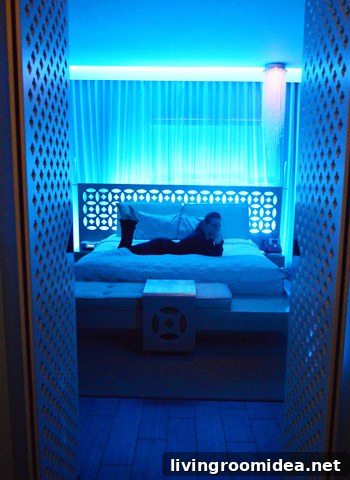
#9. Everything takes longer than you think. Travel routines—deplaning, waiting for taxis, checking in, dining—add up. On the road, we initially tried to cram too many activities into tight time frames and paid for it with late nights and exhaustion. Build in generous buffers so delays don’t derail your plans and you can be rested for events the next day.
#10. Hotel TVs can be disappointing—bring a familiar entertainment backup. After months on the road, we started missing creature comforts like our DVR. A simple solution was a streaming service trial we could access on a laptop, which let us watch favorite shows and feel more at home in unfamiliar rooms.
Those are the top lessons that made long stretches of travel easier, more comfortable, and less stressful. Have travel tips of your own? We’d love to hear them—there are plenty of tricks we probably haven’t discovered yet. Travel brain is real, after all.
Psst—here’s a post about toddler travel we put together if you’re planning trips with little ones.