
Q: I have an idea for a blog post: “Design mistakes we won’t make again.” Looking through photos of your beautiful projects, I’m tempted to copy many of your styles and purchases. But over time — did you ever regret a design choice? — Shannon
A: Great question. Here’s the short version condensed into a practical list. We don’t know everything — far from it — so most of our design decisions come from experimenting, failing, learning, and adjusting. Doing something, even if it’s wrong, teaches more than doing nothing. Below are a dozen lessons we picked up the hard way.
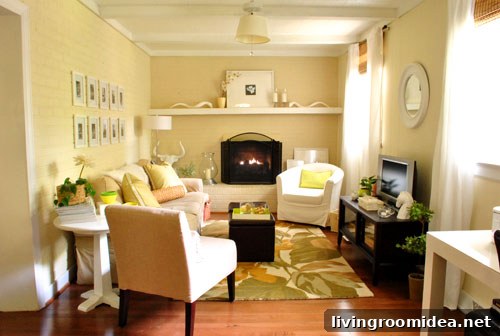
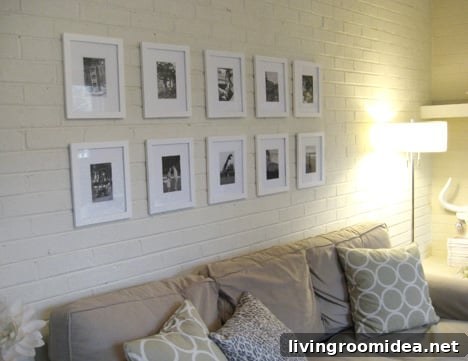
1. Buying an expensive-for-us Pottery Barn sofa without trying it first. After ordering a cheap sofa sight unseen and hating it, we splurged on a Pottery Barn Basic sofa that we’d sat on in store. It cost more, but we never truly loved it — it felt baggy and frumpy. Later we found a Rowe sofa we preferred that cost less and looked and felt more like “us.” Lesson: price doesn’t guarantee fit with your taste or lifestyle. Always test a sofa in person when possible.
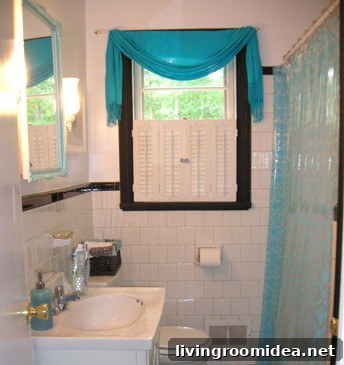
2. Painting black trim in the bathroom. The bold graphic idea sounded cool, but it didn’t read well in that small space. We painted it, lived with it for a bit, then painted it back to white. It was only a few hours of work and worth the experiment — it helped us move toward a cleaner, spa-like look until we were ready for a full remodel. Lesson: try bold ideas, but be prepared to change them.
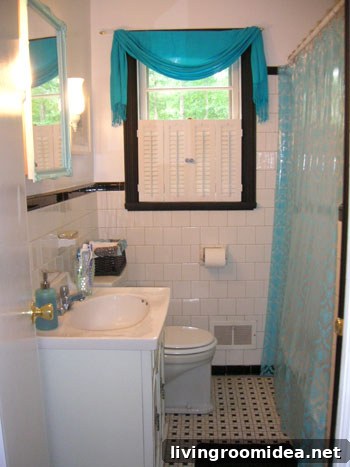
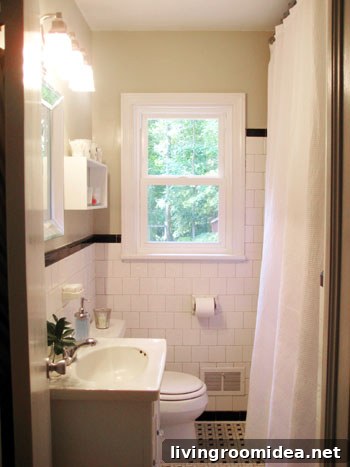
3. Not bringing enough furniture into a room. Early on we left rooms sparse and nonfunctional. Over time we saved and added pieces to make spaces usable — for example adding a dining area off the kitchen transformed a long, unused room into one we loved. Lesson: don’t be afraid to add pieces gradually until a room feels complete and functional.
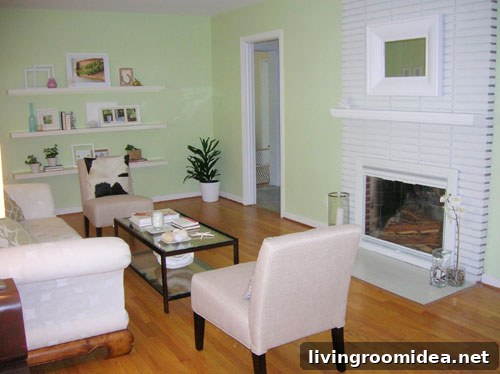
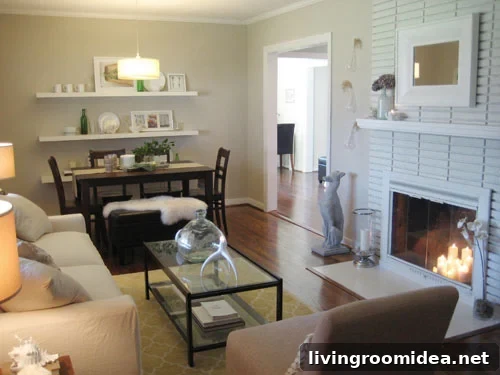
4. Trying to use a different color in every room. We initially painted rooms in lots of different hues. Over time we refined our palette, kept the colors that resonated, and moved toward a cohesive, sea-glass-inspired palette in our first home. In our current house we’re exploring moodier, bolder choices — it may work brilliantly, or not — but we’ll keep evolving. Lesson: experiment, then edit for a cohesive look.
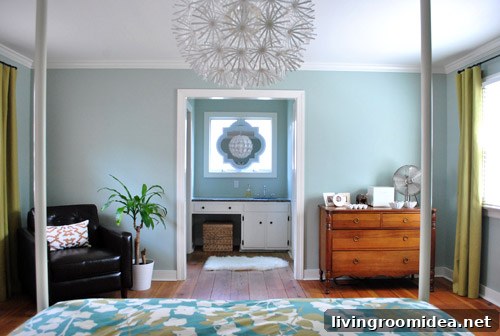
5. Choosing items that are too small. Small-scale furniture and accessories can make a space feel cluttered or insignificant. We prefer fewer, larger-scale pieces — a substantial sofa, a big art piece, or an oversized light fixture — to give a room presence. Of course, when kids are little you may need to re-think fragile oversized decor, but a mix of scale creates drama and interest. Lesson: prioritize proportion and scale over filling a room with lots of tiny things.
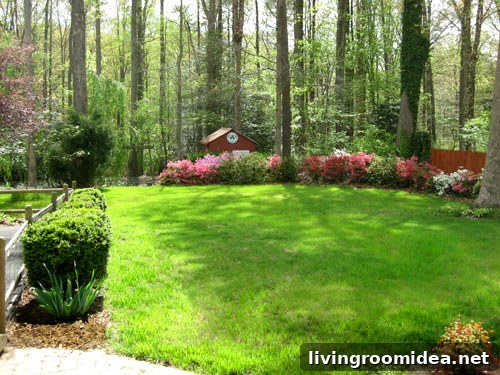
6. Planting grass everywhere. Turf is inexpensive and low-maintenance once established, but large lawns take time to mow and maintain. We now prefer a more naturalized landscape with limited lawn areas for play, and other zones filled with native plants, wildflowers, and groundcovers that require less upkeep. Lesson: design the yard to match how you want to spend your time.
7. Not shopping secondhand enough. Some of our best pieces were thrifted or found on Craigslist: dressers, tables, chairs and more for very little money. We’ve scored dining chairs, accent chairs, and other gems that feel unique and cost far less than new items. Lesson: thrift stores and classifieds are goldmines for budget-friendly, character-filled furnishings.
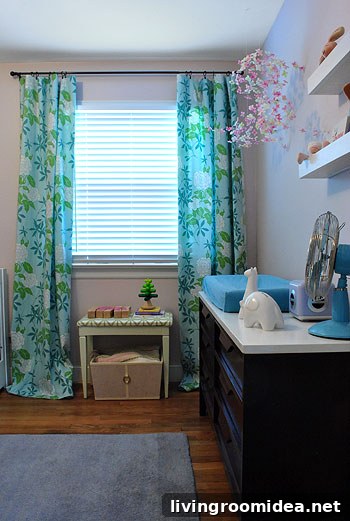
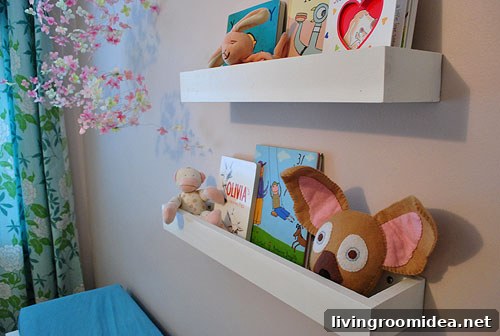
8. Not building things ourselves sooner. DIY furniture and built-ins were intimidating at first, but once we tried a few projects we realized many are affordable and doable. John’s builds — desks, shelves, book ledges, and a large console in progress — have added personality and saved money. Lesson: tackle a simple build; the learning curve is worth it.
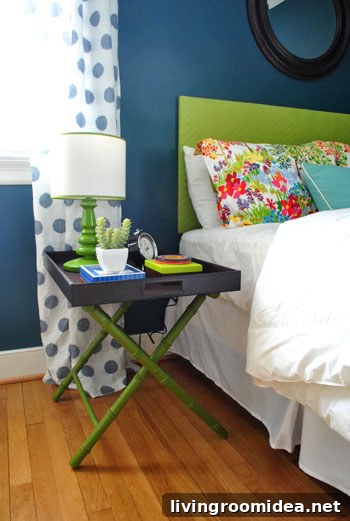
9. Being matchy-matchy. Uniformity can feel boring. We prefer mixing wood tones, upholstery, and finishes for a layered, collected look. Combining different pieces — like a painted accent table next to a darker wood chest — creates more personality than everything matching exactly. Lesson: embrace variety and contrast.
10. Buying items that don’t coordinate with anything else we own. While we rarely bought huge one-off pieces, we did acquire small accessories that never felt right and ended up donating them. Now we try to buy with the existing home in mind so new pieces complement what’s already there. Lesson: consider your current palette and scale before impulse purchases.
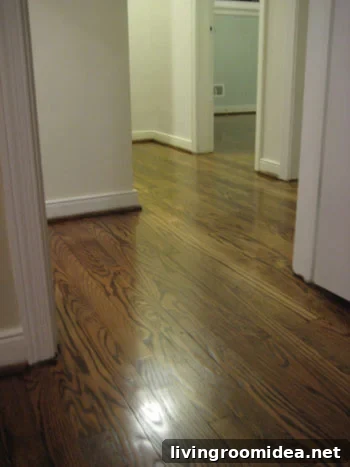
11. Refinishing floors with oil-based products. Traditional oil-based stain and polyurethane made the house smell terrible for months and gave us headaches. Next time we’ll use water-based stains and low-VOC sealants that are much healthier. Lesson: choose eco-friendlier finishes to avoid prolonged odors and health concerns.
12. Buying “just-for-now” interim items like boob lights. Quick fixes can work short-term, but they often become clutter or get replaced later. We once installed a cheap flush-mount to replace a ceiling fan, loved the immediate difference, then upgraded to a permanent fixture later. When possible, save for a piece you truly love rather than filling the space with temporary stuff. Lesson: wait for better if you can afford to, and avoid accumulating throwaway items.
These mistakes are subjective and part of the learning process. One person’s decorating “oops” is another’s triumph. We’ve made plenty more missteps and will probably make more, but that’s how you discover what works for your home. Happy experimenting — and happy mistake-making!
Update – Want to know where we got something or what paint we used? Click the image below to browse our house details.
