
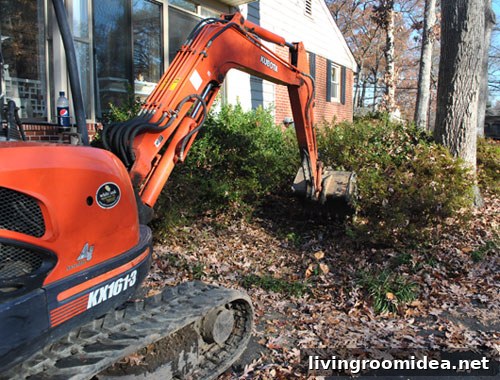
Surprise! This was the scene at our house yesterday:
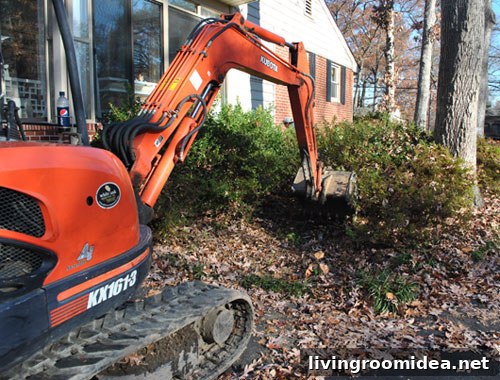
Here’s what happened. A few weeks ago we had the soil around our home’s underground oil tank tested so we could confidently present a clean bill of health to any potential buyer. The results were worse than we expected: the tests showed a small leak. It felt like a punch to the gut. After years of being careful—using a rain barrel, composting, installing energy-efficient appliances, even using cloth diapers—we discovered our underground tank had been quietly seeping oil into the ground. It was unsettling.
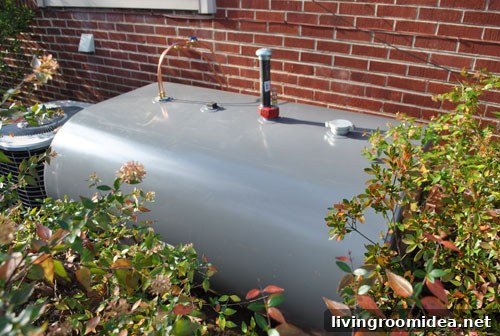
Fortunately, the Virginia Department of Environmental Quality takes these situations seriously and offers financial assistance. That program covered most of the cost to remove the old underground tank and contaminated soil; we paid only a $500 deductible while the state covered the rest of what is typically around a $2,000 cleanup. That was a relief. We did need to pay about $1,300 to install a new aboveground oil tank, which is visible and therefore far less likely to leak unnoticed in the future. In a way, this feels like paying it forward: the new tank will stay with the house for the next owners, and our new home also happens to have been fitted with a new aboveground tank by its previous owners. The new tank looks tidy tucked behind our azalea bushes.
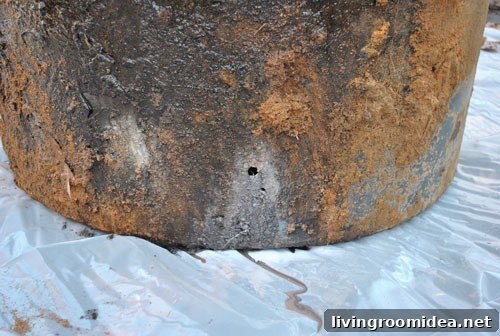
When they unearthed the old tank, the crew estimated it was about 30 years old. It was pretty corroded compared to the fresh unit we installed. Here’s hoping 30 treats me better than it treated that tank.
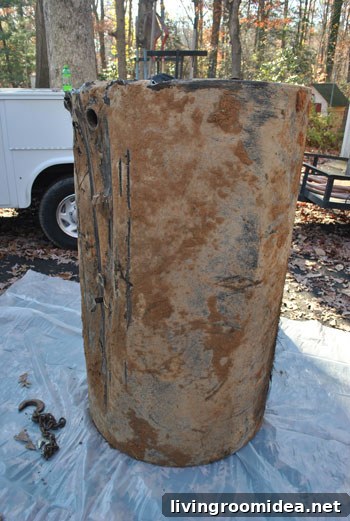
Even though the tank looked awful, the crew could only find a hole about the size of a dime at the bottom. They noted there could be other small holes hidden with dirt and corrosion, but that tiny breach was enough to contaminate the nearby soil.
The good news is that oil doesn’t travel far through compacted soil like ours, so the contamination wasn’t widespread. The Virginia DEQ required the tank’s removal and excavation of the affected soil. “A bit” of soil turned into a large dig, though:
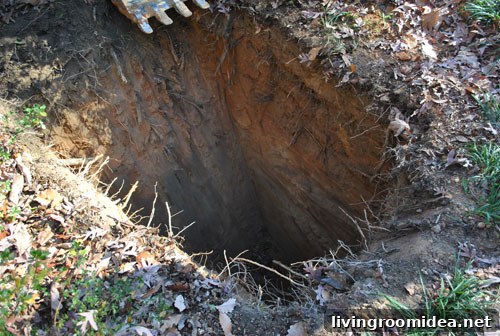
To dig the hole they removed two azaleas, but fortunately the driveway and larger trees were untouched. The contractor replanted the azaleas after backfilling with gravel and topsoil, though they made no promises about how well the shrubs would recover. We’re keeping our fingers crossed.
It’s bittersweet to spend money correcting a problem we didn’t create, but we’re relieved to have a visible, modern tank in place and to know the contaminated soil was removed. It’s also oddly comforting that the sellers of our new home had recently replaced their underground tank with an aboveground unit too—maybe that’s a bit of good house karma. If government help counts as karma, even better.
Have you ever dealt with oil tank problems or other unexpected environmental issues at home? Unplanned expenses like this are a real shock, especially when they crop up during the holidays.
P.S.—If you like creative reuse projects, there’s a clever DIY play kitchen made from an old TV unit that we came across recently.