
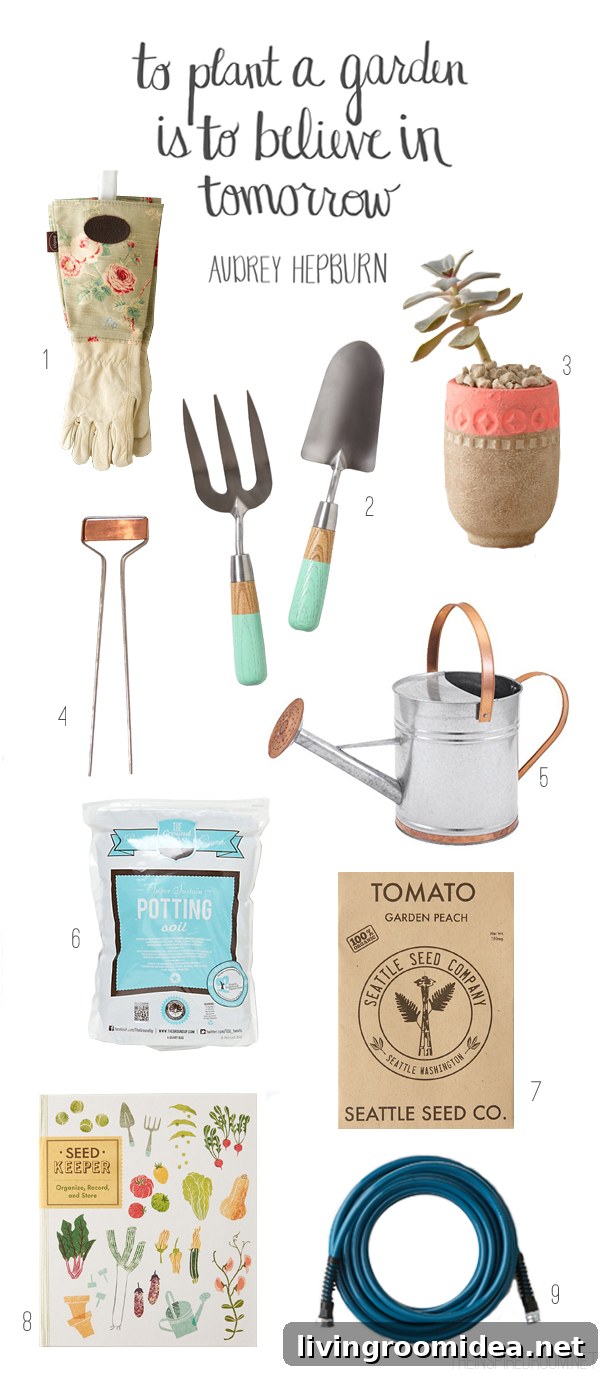
 1 // 2 // 3 // 4 // 5 // 6 // 7 // 8 // 9

Who’s excited about spring gardening?
What are you planting this year?
PS. Don’t forget to enter yesterday’s giveaway for printer blocks in your favorite word or phrase!
Spring is the perfect time to reconnect with the soil and plan a garden that brings both beauty and bounty. Whether you have a sprawling yard, a small patio, or just a few window boxes, there are plenty of options to grow flowers, herbs, and vegetables that suit your space and schedule. Start by deciding what you love to eat and what will thrive in your climate. Combining ornamental plants with edible ones can create a garden that looks great and feeds your family.
For beginners, consider easy-to-grow vegetables like tomatoes, lettuce, radishes, and green beans. Herbs such as basil, parsley, and chives are forgiving, fragrant, and handy for the kitchen. If you prefer flowers, pick varieties that attract pollinators—zinnias, coneflowers, and calendula are excellent choices. Mixing perennials with annuals gives instant color while perennials return each year with less work.
Container gardening is a practical option if space is limited. Choose pots with good drainage and quality potting mix, then place taller plants in the center or back and trailing varieties at the edges. Many vegetables and herbs do well in containers, and moving pots around lets you follow the sun throughout the season. Raised beds offer another accessible approach—they warm earlier in spring and can improve soil structure and drainage.
Soil health matters. Before planting, enrich beds with compost or well-rotted manure to boost nutrients and structure. Mulch around plants to conserve moisture, suppress weeds, and keep soil temperatures stable. Water deeply but infrequently to encourage strong root systems—early morning is the best time to water to reduce evaporation and fungal issues.
Pest and disease management can be largely preventative. Encourage beneficial insects by planting a variety of blooms and avoiding broad-spectrum pesticides. Rotate crops each year to reduce the buildup of soil-borne diseases, and remove diseased plant material promptly. For small gardens, row covers can protect young plants from hungry insects without harming pollinators when flowers are in bloom.
Keep a simple garden journal to note planting dates, successful varieties, and any problems you encounter. Over time you’ll learn which cultivars thrive in your yard and which techniques produce the best harvests. If you’re short on time, choose low-maintenance plants and set up a basic watering schedule—an automatic timer for hoses or drip irrigation can save hours of work.
Finally, gardening offers more than food and flowers. It’s a chance to slow down, enjoy fresh air, and watch life grow. Invite family and friends to help plant and harvest; it’s a rewarding activity for all ages. Start small, plan thoughtfully, and let your garden evolve—each season brings new lessons and joys.