
For years I struggled to simplify the clutter in my life. Just when one corner of the home seemed under control, a new season — babies, kids, teens, puppies, jobs, school, projects, renovations or a move — would upend everything and the order I’d created would unravel. The cycle of trying to stay ahead of the chaos left me overwhelmed and stressed more often than not.
I wanted my home to be a sanctuary, but there was so much in the way that I didn’t know where to begin. Attempting to organize sometimes made me feel worse: I would empty drawers or closets in a flurry and then, exhausted, shove everything back where it had been. Over time I learned that change required different habits and a gentler approach so order could stick.
I still experience seasons of disorder — moving chaos or a kitchen renovation can throw everything off — but now I know how to return to simplicity without creating more stress. Clutter and busy seasons will come and go, but the right principles, skills and mindsets help me navigate the ups and downs and maintain a calmer home.
Here are 9 practical ways to get more organized without getting more stressed.
1. Deal with one situation at a time.
When you feel overwhelmed, trying to tackle everything at once only increases stress. Choose a single decluttering task and finish or make meaningful progress on it before moving on. If deciding where to start paralyzes you, list potential projects and pick the one that will relieve the most stress right away, or choose one at random to break the stalemate.
2. Zero in on essentials first.
Split your to-do list into two: an extensive list of everything you’d like to do, and a short essentials list of daily tasks that truly keep life functioning (for example, dishes or laundry). Focus on making daily progress with the essentials until they feel manageable, then move on to secondary tasks or get help to chip away at them.
3. Set realistic expectations.
Organization takes time. Don’t add pressure by expecting immediate perfection, but also don’t accept ongoing chaos as inevitable. Set achievable goals that motivate steady progress. Reasonable expectations keep you from abandoning efforts too soon and help you develop lasting habits.
4. Declutter the excess.
You can’t reasonably maintain abundance. Instead of trying to organize everything, prioritize letting go of items you don’t need. Keep only what you have the capacity to care for and enjoy regularly. Reducing possessions simplifies upkeep and reduces stress.
5. Build in margins.
Create breathing room in your day to lower stress and free time for organizing. Try a short social media break, power down your phone for a set period, or cut one nonessential activity for a week. Small margins make it easier to focus and restore order.
6. Make more room for things you love.
When a home is overstuffed, it’s hard to enjoy the things you care about. Identify what brings you the most joy and clear space around those things. Letting go of items that merely occupy space creates breathing room so your favorite pieces and activities can be fully appreciated.
7. Collect experiences, not stuff.
Material items can bring pleasure but also add maintenance and clutter. Choosing experiences — time with family, outings, or shared projects — creates memories without adding to the load you need to manage at home.
8. Don’t overthink.
Indecision fuels clutter. If you continually set items aside because you can’t decide what to do, the clutter accumulates. Often the time spent worrying about the perfect solution is more than it takes to make a decision and act. Choose a straightforward course — donate, recycle, file, sell or toss — and move things along.
9. Commit to long-term success.
There will always be more to do, but a long-term focus keeps daily tasks in perspective. Define the outcome you want for your home and use that vision to motivate consistent, small steps. Over time those steps add up to meaningful, lasting change.
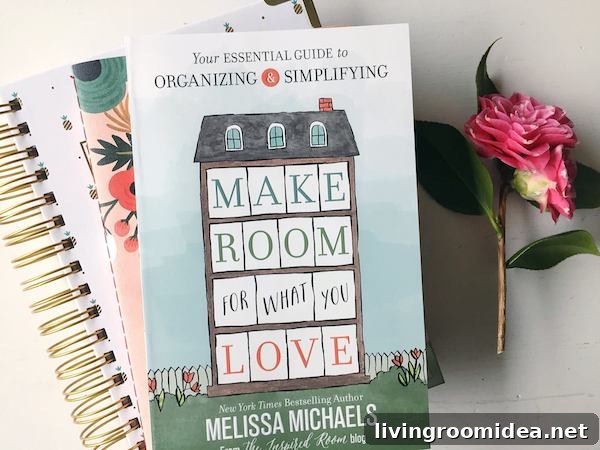
- If you’re ready to change habits and transform your home, consider resources that combine encouragement with practical application. Realistic guidance can help you adopt efficient routines and a fresh perspective so you can make progress without perfection.
- Focus on small, sustainable changes: set attainable goals, remove excess, protect daily essentials, and create margin. Those shifts are more effective than dramatic, exhausting overhauls.
What stresses you most about clutter and organizing in your home?