
“Many of our decisions to add things we think we need in our home or will enjoy in life cause additional clutter and stress. In our consumer culture we often assume a new purchase will improve our lives, when too often it only makes them more complicated.”
– Make Room for What You Love, Melissa Michaels
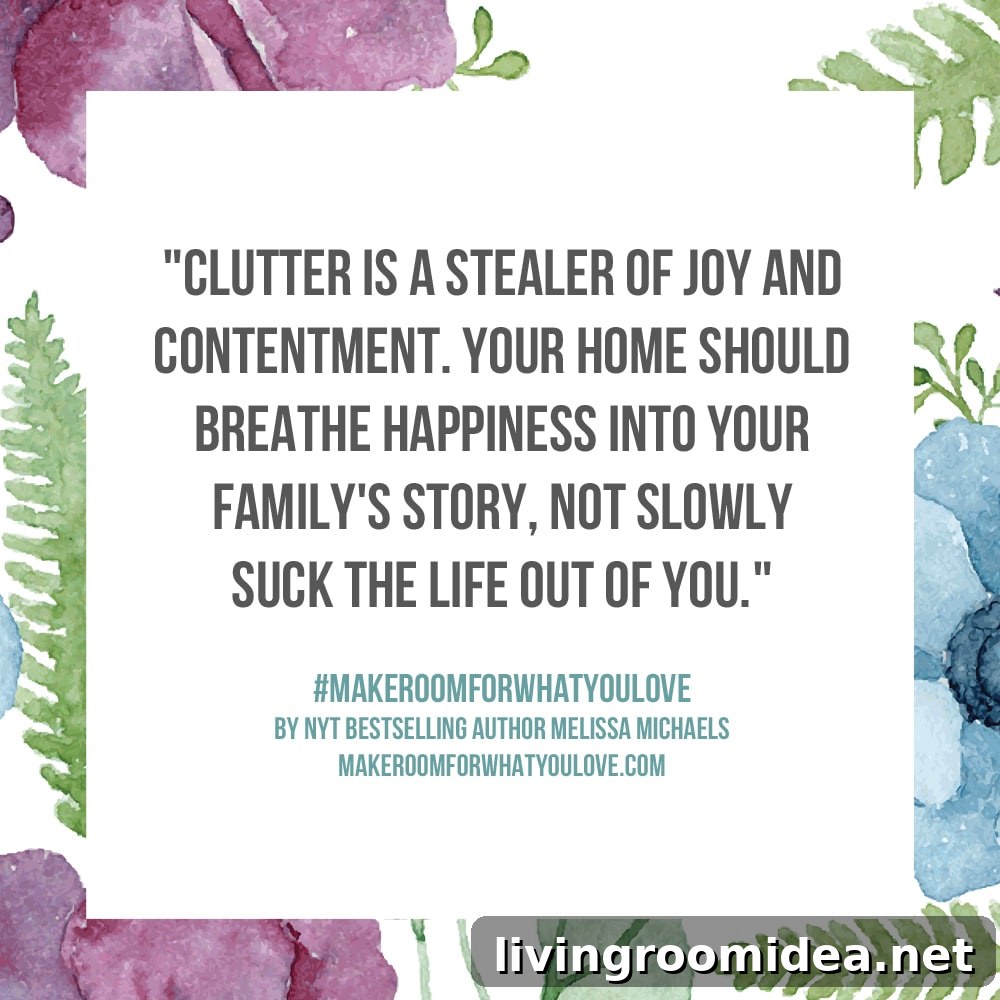
Clutter can drain your energy and joy. Buying items you don’t truly need increases debt and creates more things to manage. More clothes, more furniture, more toys—all of it adds to the daily load and leaves you feeling overwhelmed and disorganized.
Once I recognized my own habit of bringing unnecessary items into my home, I made deliberate changes. I began paying closer attention to what I allowed into my space, slowing the pace and reducing chaos. Being intentional about purchases and possessions helped me simplify and reclaim calm.
Ask yourself: what daily habits or choices are adding complexity to my life? Which decisions could I change to simplify routines and eliminate unnecessary tasks?
Decluttering starts with improving how you make decisions.
Here are five steps to start simplifying your life and home:
1. Avoid temptation
When possible, steer clear of places that prompt impulse buys or create extra decisions. Combine errands into fewer trips and consolidate your shopping lists so you visit stores less often. Fewer visits mean fewer temptations and simpler choices afterward.
2. Simplify your daily options and choices.
If your life is busy or you struggle with clutter, you likely have too many decisions to make. Reduce options to lower daily stress: instead of keeping dozens of outfits, choose a smaller set of pieces you love and mix accessories to create variety. Rather than maintaining multiple sets of dishes in different colors, keep one neutral set and add interest with accent plates or glassware. Favor versatile items over many single-purpose ones.
3. Commit to making the simplest decision as often as possible.
Don’t justify choices that complicate storage or daily life. If you rarely use a kitchen gadget, donate it and move on—don’t hold onto “maybe someday” scenarios. If an occasional need arises, borrow from a friend or neighbor. Letting go may feel uncomfortable at first, but items you rarely used will soon be forgotten.
4. Make a daily to-do list and set home goals.
Clear goals for your day and home keep you focused on what matters. A defined plan reduces distractions and prevents unnecessary purchases by directing attention to completing the tasks that align with your priorities.
5. When in doubt, throw it out.
During major decluttering efforts you don’t have time to analyze every item. If you’re unsure about something, make that uncertainty a firm no and let it go. Avoid dwelling on who might want it or how much you spent; if the goal is to reduce clutter efficiently, donate items you don’t need.
This article is adapted with permission from Make Room for What You Love (Harvest House Publishers 2016) by New York Times bestselling author Melissa Michaels. The book offers practical strategies and tips to simplify your life and make room for what matters most.
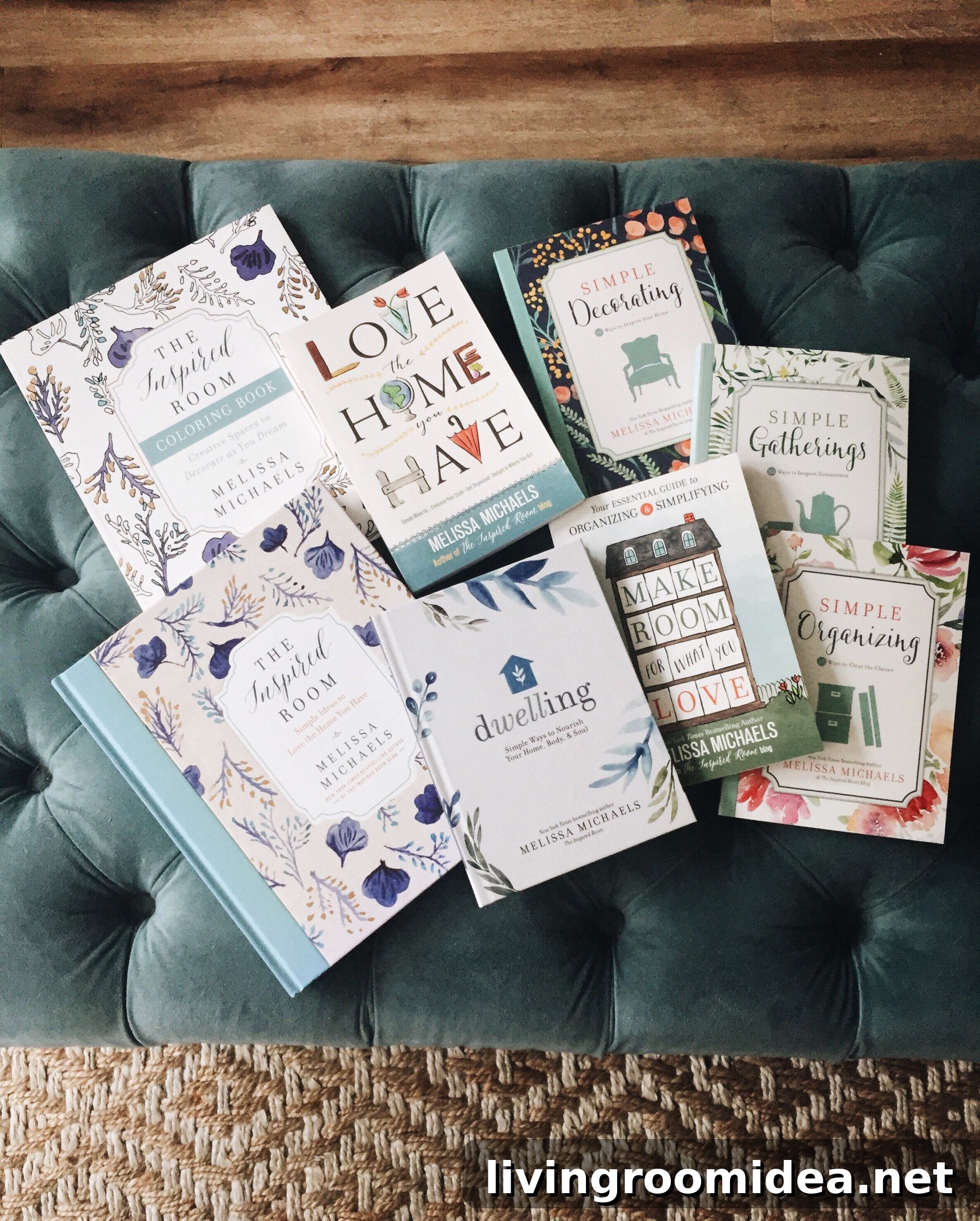
Find more decorating, homemaking, and organization inspiration in my bestselling books!