
Do you ever feel uncertain where to begin when designing a room? I’m here to help. Whether you’re redecorating a single room or refreshing your whole home, these first four steps will set a clear, practical path forward. I believe a home should reflect the people who live there and feel meaningful, not just follow trends. By making thoughtful, simple decisions, you can create a classic, personal space without overspending.
Below are the steps I use to organize ideas, clarify needs, and discover my style preferences so I can move confidently into planning and purchasing. I hope these suggestions spark inspiration as you begin your own project.
1. Assess the Space
Start by looking closely at the room you already have. It’s tempting to jump straight into magazines and social media, but that can lead to choices that don’t fit your actual space. When you take time to examine your room first, your decisions become more relevant and satisfying.
Ask yourself clear questions: What do I like about this room? What do I dislike? Are the colors and furniture working for us? How does the room feel when I spend time in it? Notice the mood, architectural features, and any limitations you must work around. Look for cluttered areas or awkward corners that need attention. Consider the room’s purpose and whether the current layout supports it. You don’t need to solve everything right away—just observe and make notes. Writing down these observations will give you a reliable starting point for design choices.
2. Gather Inspiration
Once you understand your space, collect inspiration widely. At this stage, don’t worry about cost or practicality—simply save anything that pulls at you. Flag favorite ideas in design books, pin images to a board, or save photos into folders. The goal is to gather a variety of visuals and styles that resonate with you. This collection will become a reference you can analyze later to discover what truly inspires you.
3. Observe and Extract Takeaways
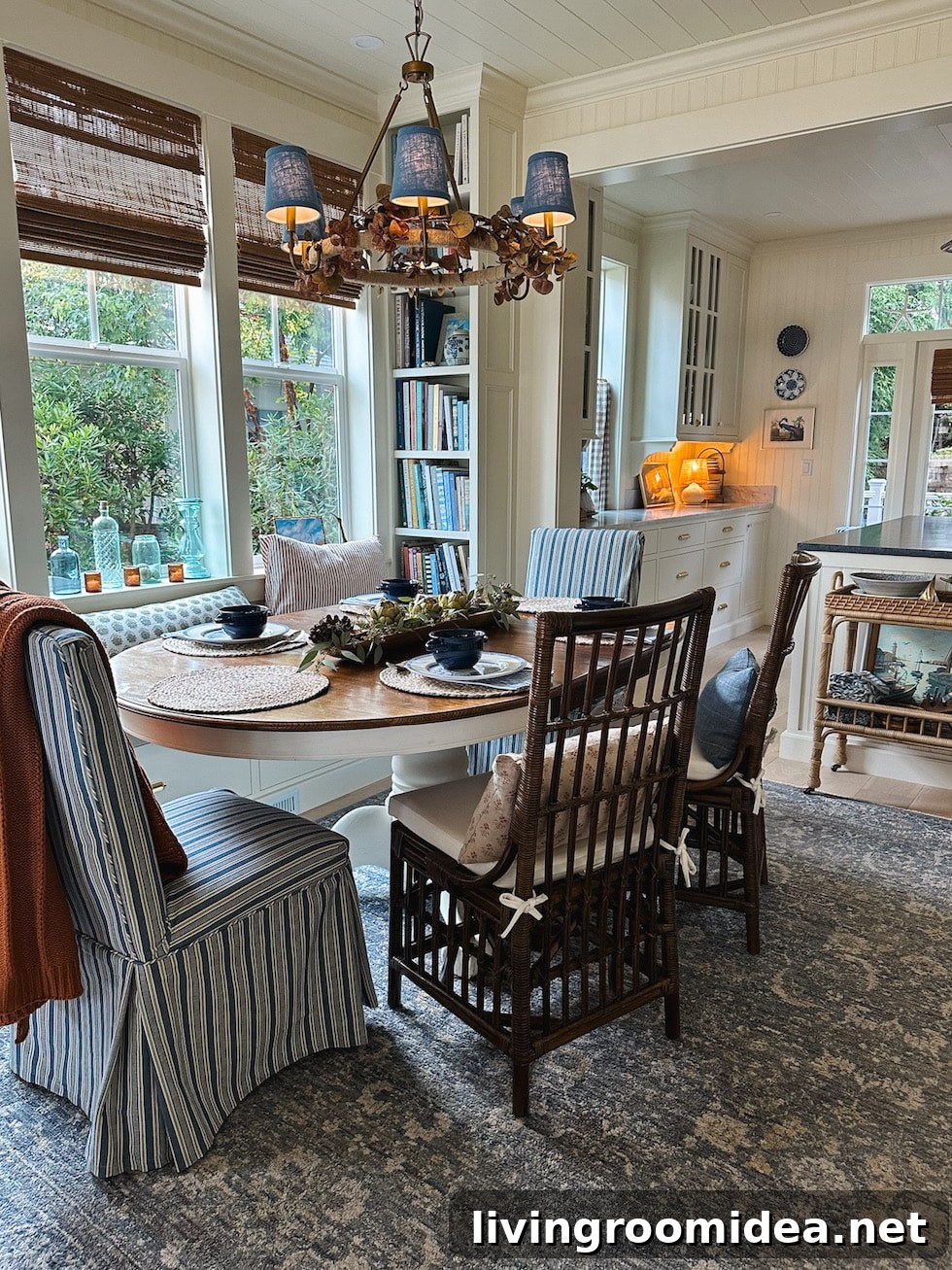
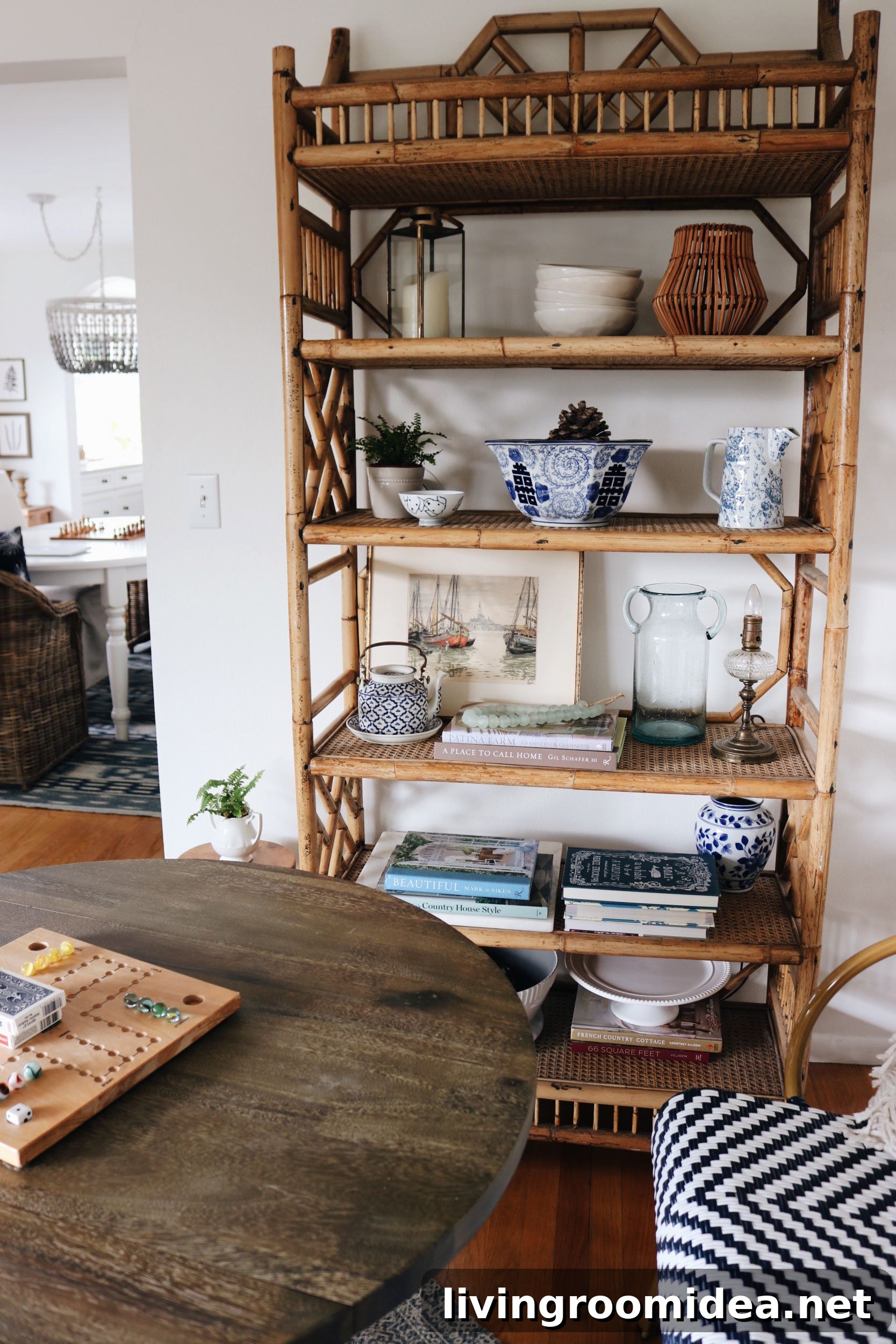
With a stack of saved images, begin to identify the specific elements that attract you. Sometimes a picture appeals without an obvious reason. Break it down: is it the brightness, the texture, the way shelves are styled, or a color accent? For example, an elegant kitchen photo might simply inspire you because of bright white surfaces and colorful accessories rather than the exact layout or high-end finishes. Translating inspiration into practical takeaways helps you apply ideas to your own room in a realistic, personal way.
4. Look for Patterns
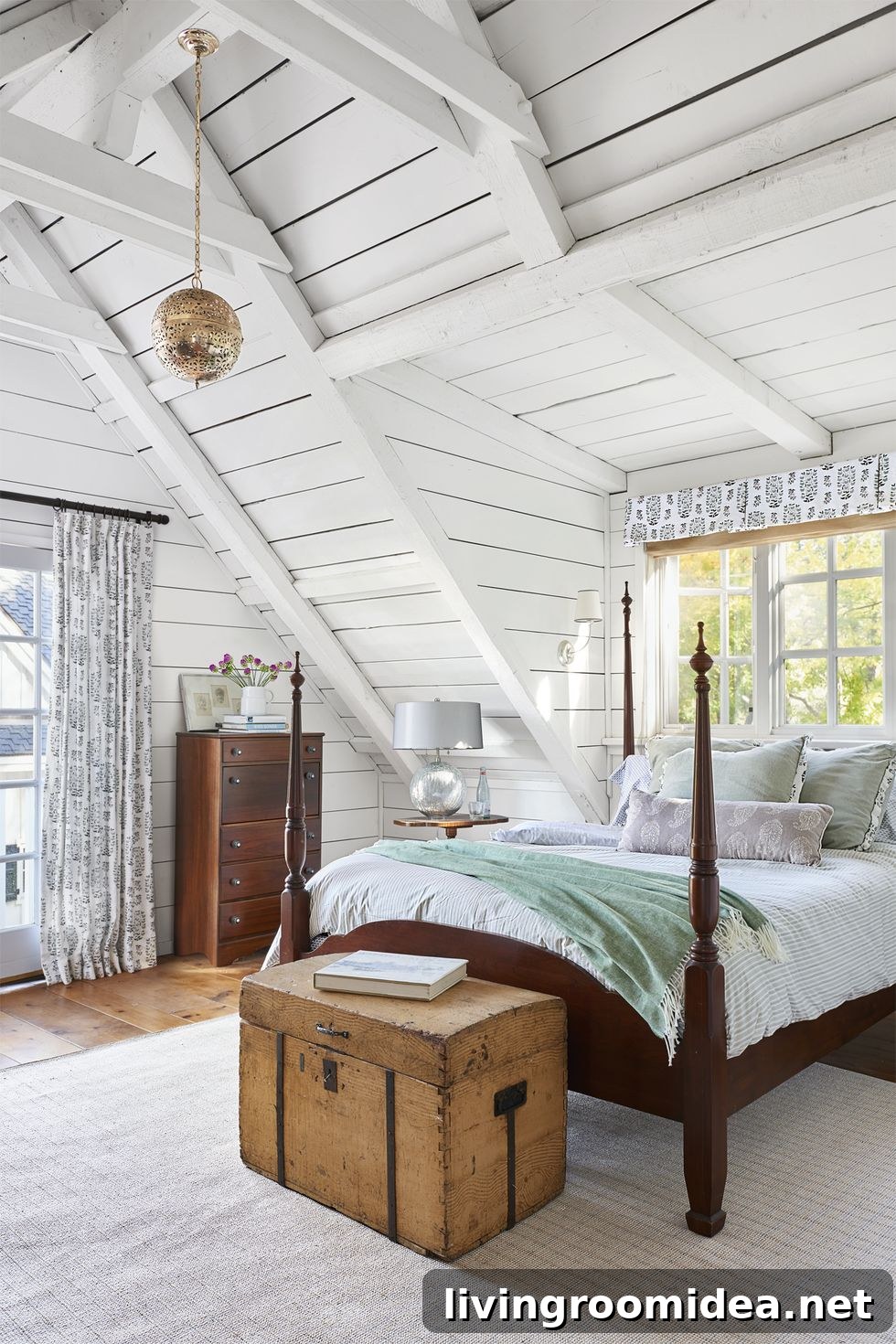
Now scan your inspiration for recurring themes. Are you repeatedly drawn to moody walls, built-ins, vintage furniture, or light, airy palettes? Identifying these patterns reveals your true preferences beyond passing trends. Comparing takeaways with these patterns refines the elements you should incorporate. You might realize you love white rooms not for their minimalism but for how wood tones pop against white walls, or that you prefer the architectural detail of paneling rather than a specific paint color.
Also be honest about trend-driven choices. Photos of current styles can be appealing, but they might not be right for your home in the long term. It’s perfectly fine to admire a look without adopting it.
After completing these four steps, you’ll likely feel more prepared to make concrete plans and design decisions. This method helps you create a cohesive, personal space that truly fits your home and lifestyle.
In a future post I’ll share the inspiration I’ve gathered for my own kitchen remodel and update my bedroom plans for “A Lovely January.” If you want to follow along, I’ll post progress and ideas as they develop.
More inspiration on The Inspired Room:
How to Find Your Style (+ My Favorite Home Design Books) – VIDEO
How to Get Inspired and Find Your Decor Style
How to Decorate with Inspiration Rooms (Takeaway Tips)
More Takeaway Tips Posts
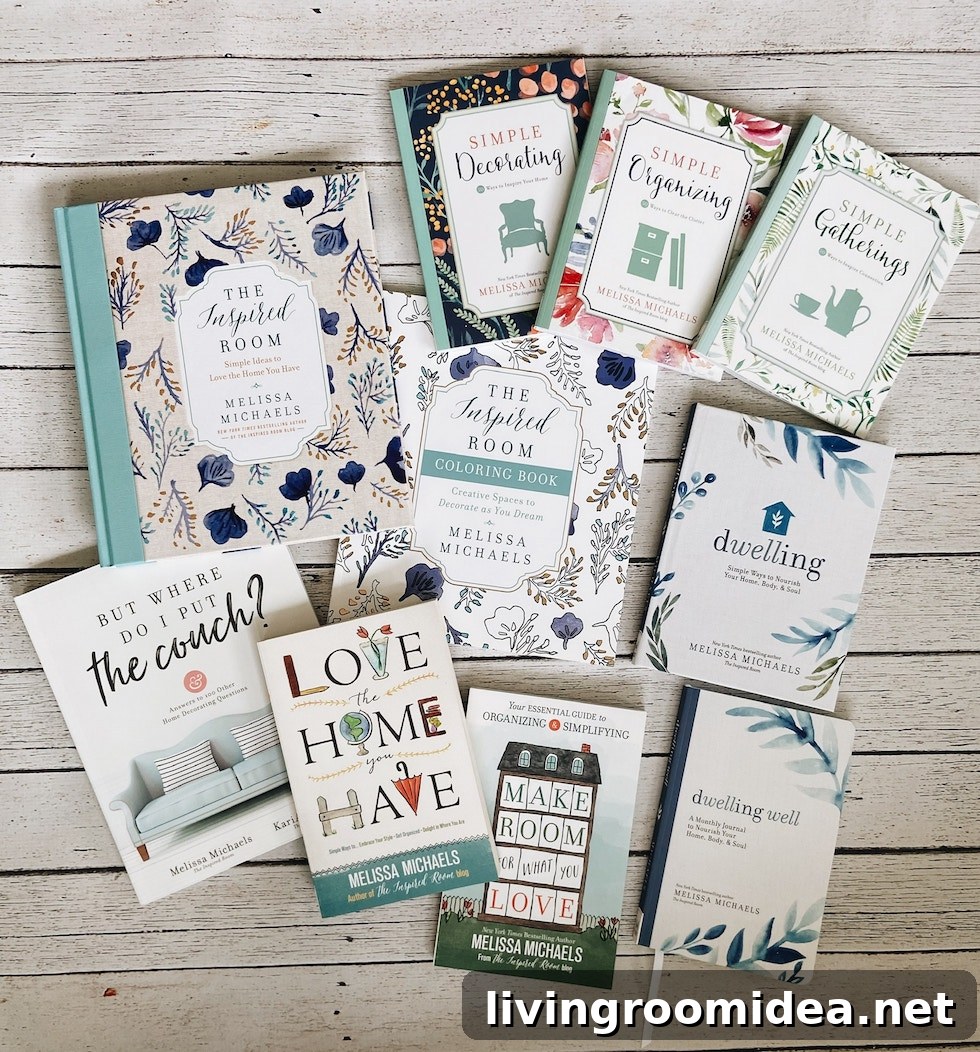
If you’d like deeper guidance, there are several books that offer step-by-step decorating advice and practical answers to common questions. For room-by-room ideas, check the “How to Decorate” page and follow the curated style updates for ongoing tips and inspiration.