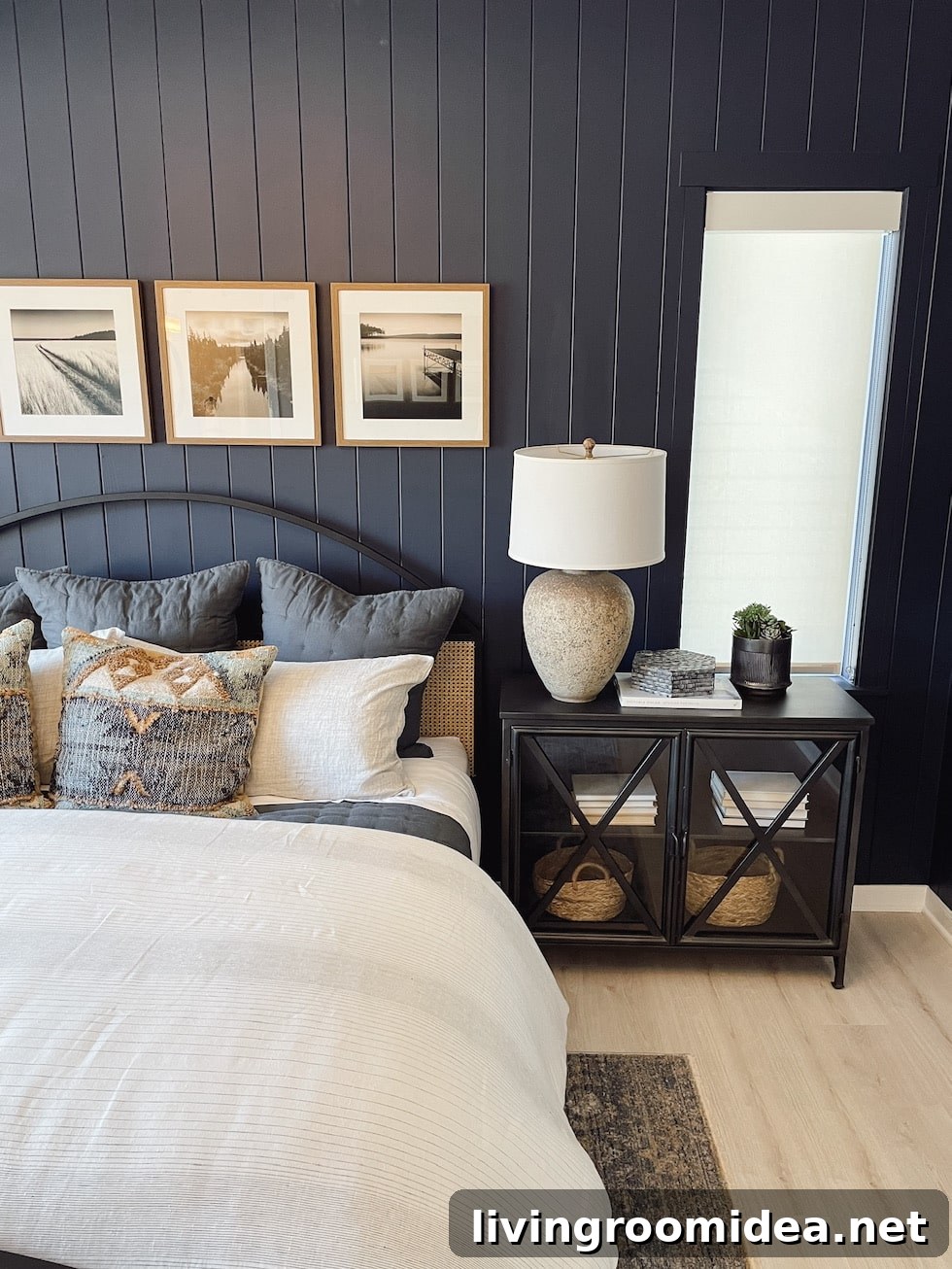

It’s no secret — I love shiplap walls. Over the years I’ve used planked walls in several homes and learned what works and what doesn’t. This post collects answers to common questions, shares what materials we used, and offers tips from our experience.
We’re very happy with the impact a single shiplap wall made in our dining room. It’s not the first time we’ve added paneling; our past homes have included plank ceilings, cabinet backs, and full shiplap walls, so I can speak from hindsight rather than theory.
I’m not a professional contractor, so this isn’t a how-to guide with step-by-step instructions. Instead, it’s an FAQ-style resource with practical notes on materials, finishing details, and design choices that worked for us. You’ll also find photos of the installations and the plank styles we chose for different projects.
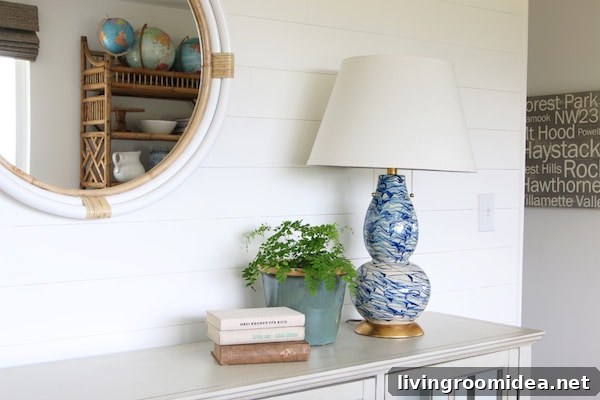
Let’s talk about shiplap walls!
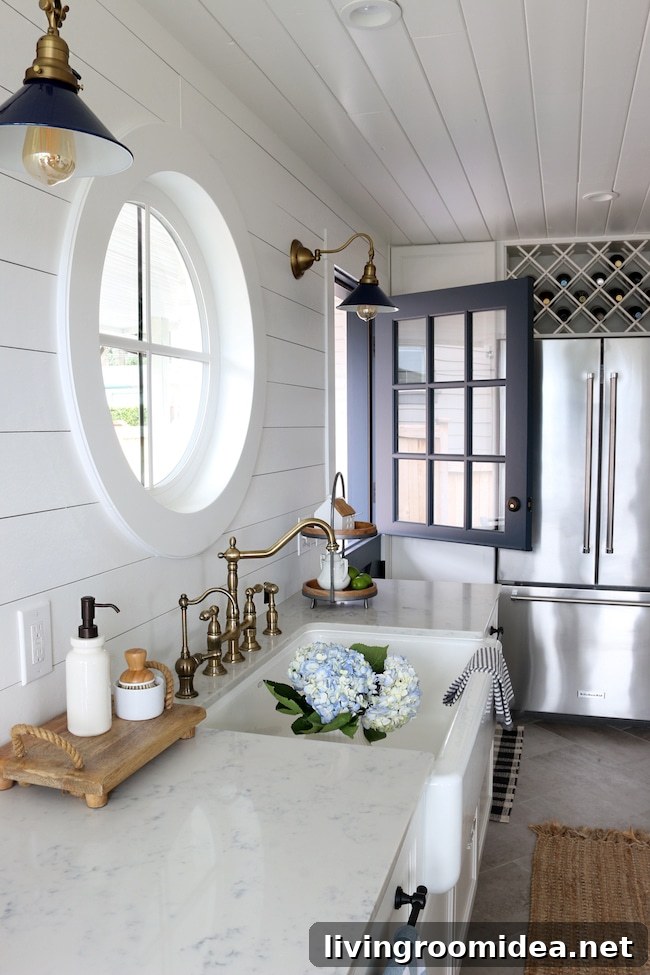
Shiplap predates its recent popularity on TV. Historically used under plaster and as exterior siding on barns and buildings, it’s long been a practical and decorative choice. Today people commonly use the term “shiplap” to describe any horizontal planked wall, so that’s the word I’ll use here.
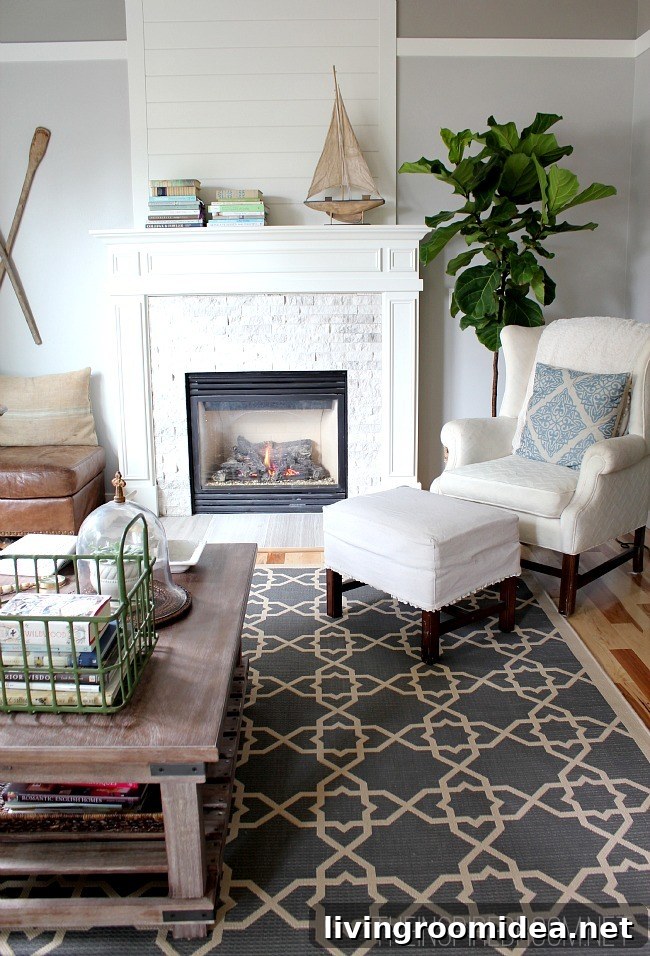
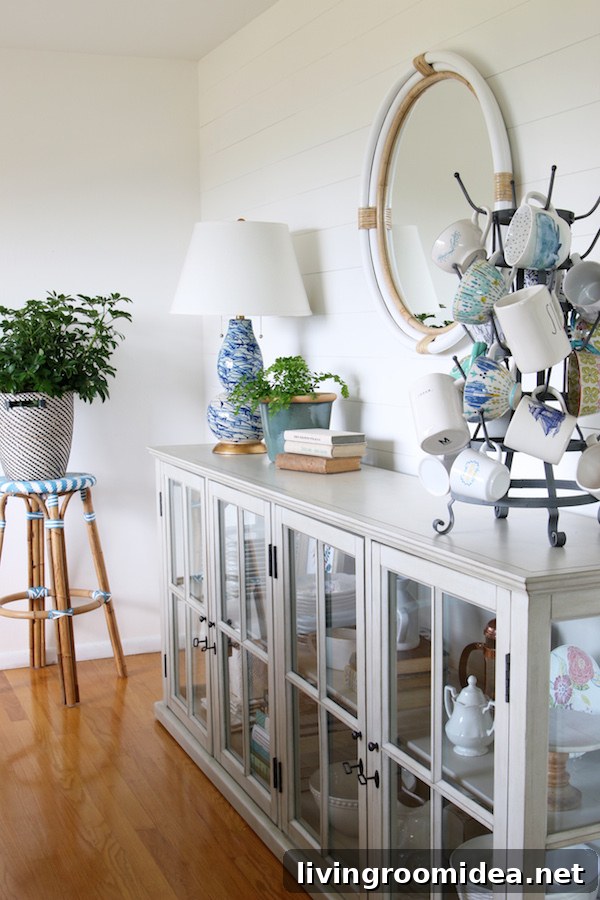
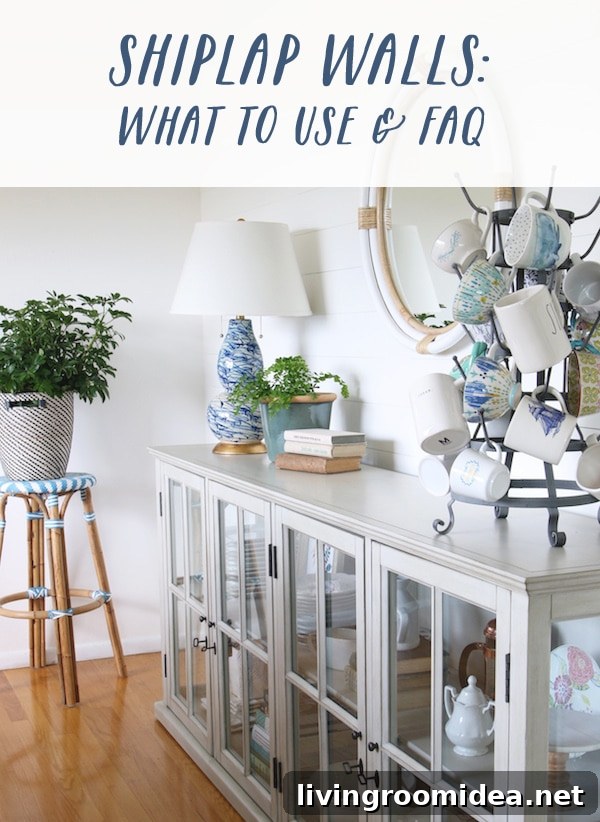
Shiplap works with a wide range of styles — from farmhouse to contemporary — and can be painted any color. While our wall is painted Simply White (Benjamin Moore), you can choose a color to suit your space and lighting.
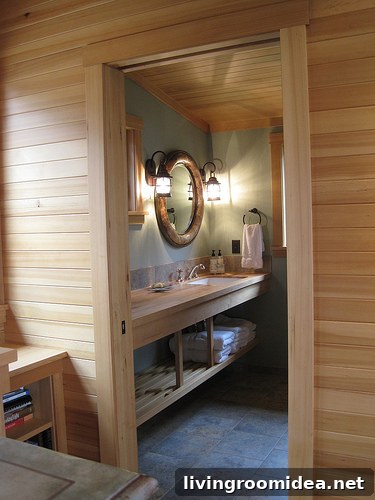
At our beach house the shiplap remained natural, unpainted wood. It was installed years ago and has a warm, authentic look that showcases wood grain and age. In other homes we’ve used planking for ceilings, cabinet backs, and accent walls. The material and finish can change the whole feel of a room.
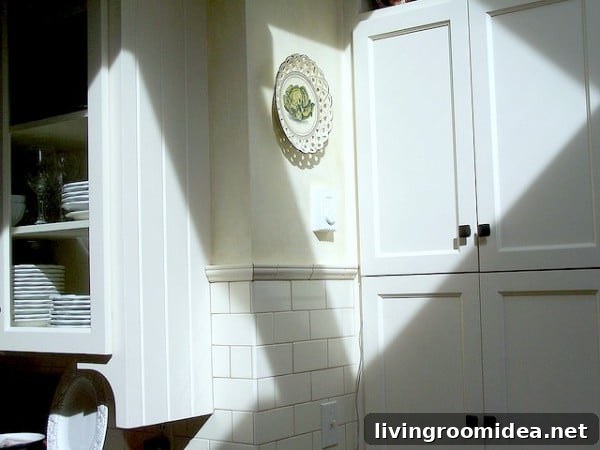
Where and when to use planked walls
We installed vertical tongue-and-groove planks on open shelving backs and cabinet sides in a Tudor house to match original woodwork. In an earlier 1920s home we installed planks on a bathroom ceiling, and an even older house had original planked walls and ceilings. Planked walls adapt well to many periods and rooms — kitchen backs, dining rooms, living rooms, and even ceilings.
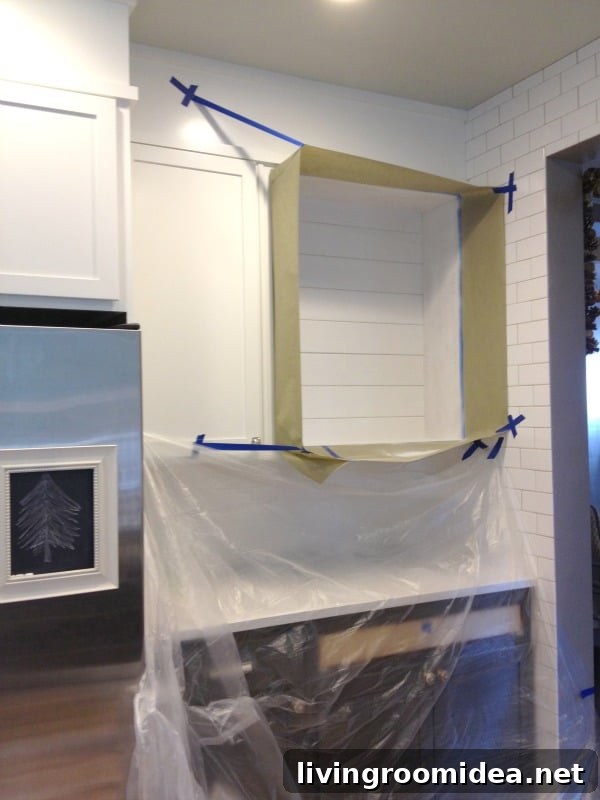
For our 2012 Craftsman-style home we used pine tongue-and-groove boards horizontally behind shelves and on walls. The thicker, longer pine boards have a solid, chunky look and distinct character from real wood. In our current 1950s dining room we chose a different material and installation approach, which I describe below.
What wood or material to use for planked walls
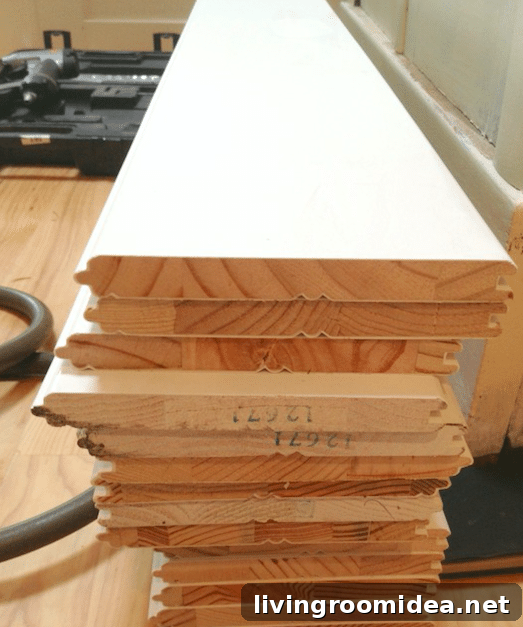
In earlier homes we used thick pine tongue-and-groove boards sourced from a lumberyard. Those boards can be installed two ways: with a beadboard groove showing or flipped to reveal a V-notch. We preferred the V-notch for its clean tongue-and-groove appearance and the authentic feel it brought to older homes.
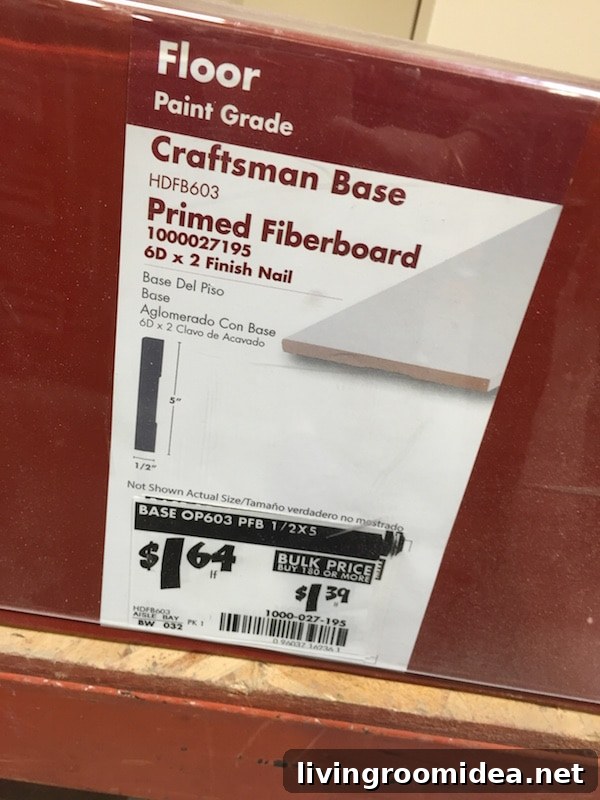
For our most recent dining room wall we used a different approach: MDF baseboard molding cut as 5-inch-wide planks. MDF is affordable, comes primed, paints smoothly, and is ready to install. It’s a practical choice when you want a consistent, painted finish without the grain and knots of real wood.
MDF baseboard molding for shiplap
Using pre-cut, primed 1/2-inch MDF baseboard molding made installation straightforward and cost-effective. It accepts paint well and comes in appropriate widths so you don’t have to rip full boards down. Our contractor used similar profiles from Home Depot and installed them with nails and adhesive.
Staggered board installation
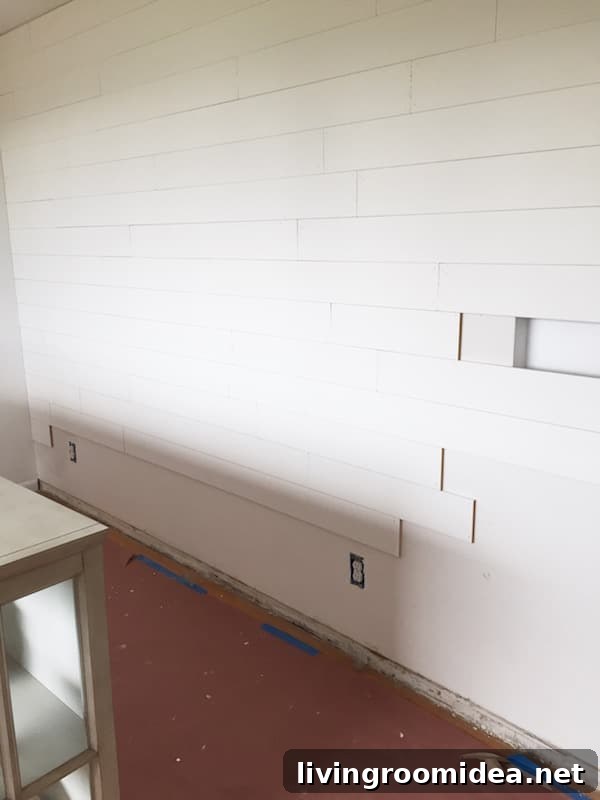
Instead of using full-length boards across the wall, we opted for staggered, random-length pieces. That irregular pattern felt more authentic to the older house. The contractor installed boards closely together — without visible spacers — so the grooves are subtle. Narrow gaps are less likely to collect dust and keep the look understated.
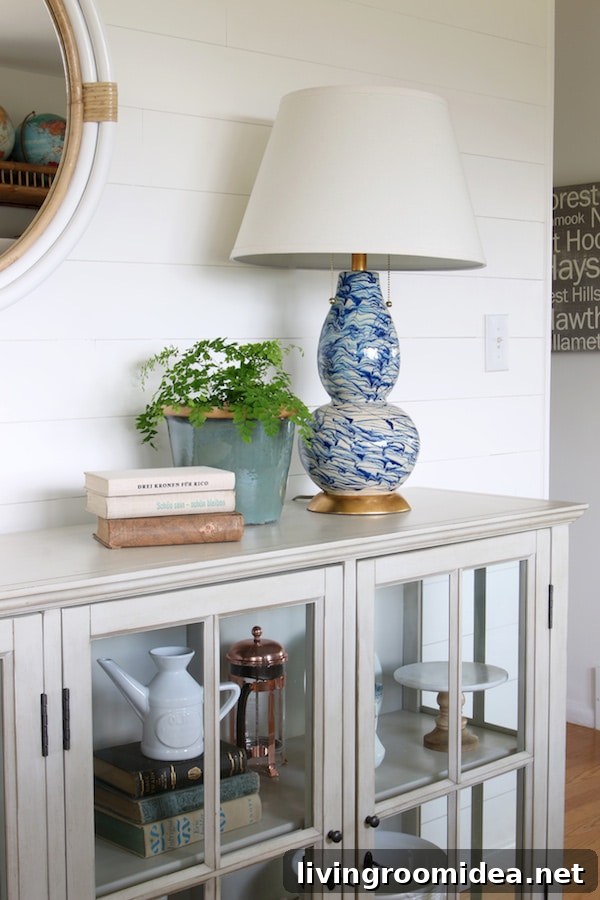
I also like how some paint seeped into a few grooves — imperfections like that mimic the character of old house paneling. The result reads as authentic and not overly rustic, blending well with the rest of the room.

How to finish the edges of shiplap boards
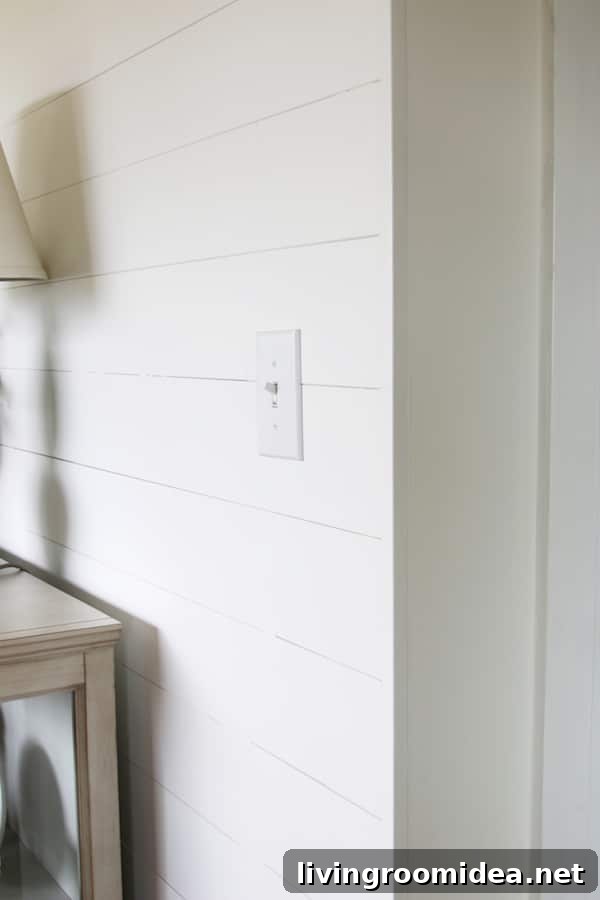
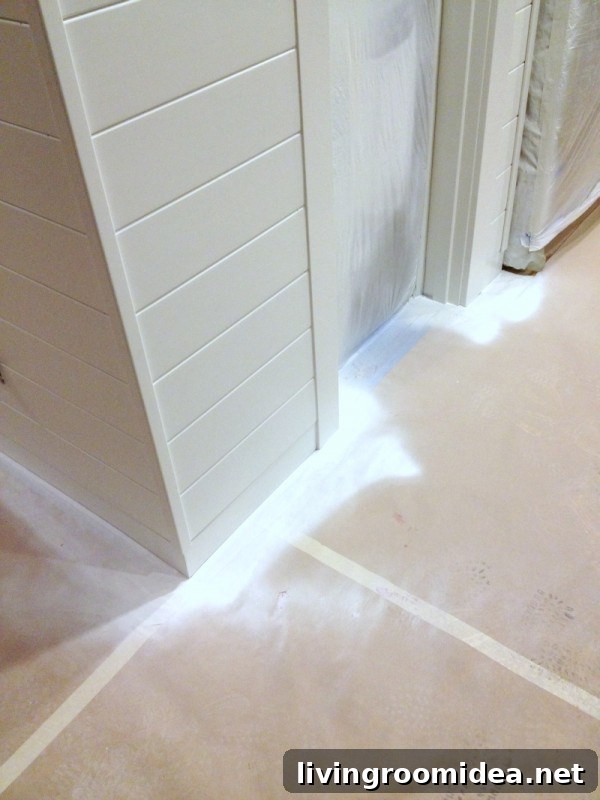
Finishing the outer edge of a shiplap wall can be done neatly with a small end-cap or corner trim piece, then caulked and painted. In our dining room the edge piece bridges the plank end and the adjacent wall, and caulk plus paint blends the seam so the planks appear integrated rather than simply applied over drywall.
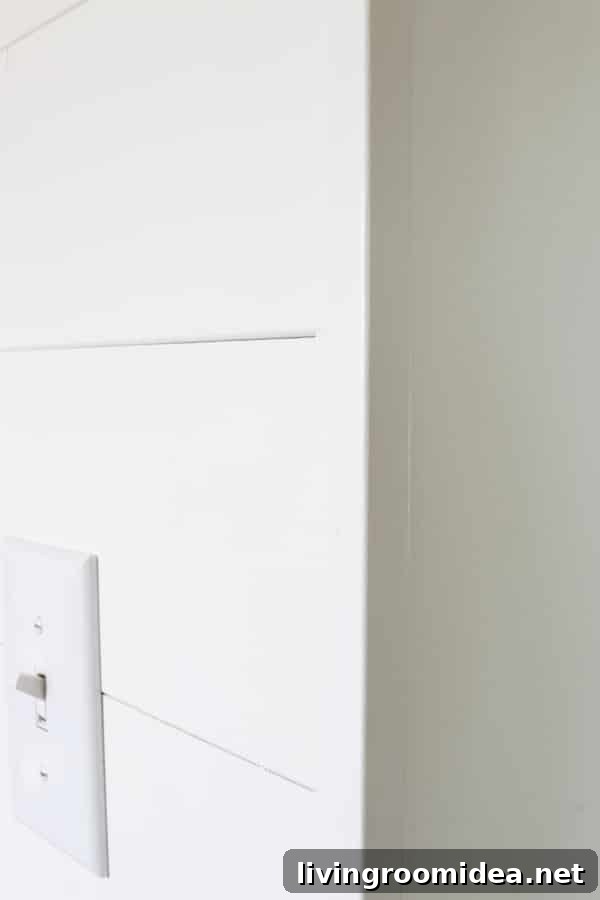
When shiplap wraps around a corner it looks especially cohesive, but an end cap works well when the paneling stops at one wall. Matching the adjacent wall paint color helps the transition disappear visually.
—————————
Paint color tip:
Always test paint colors in your own space before making a final choice. Lighting, finishes, and time of day change how a color reads. Peel-and-stick paint samples can be useful for trying multiple options without the mess of sample cans.
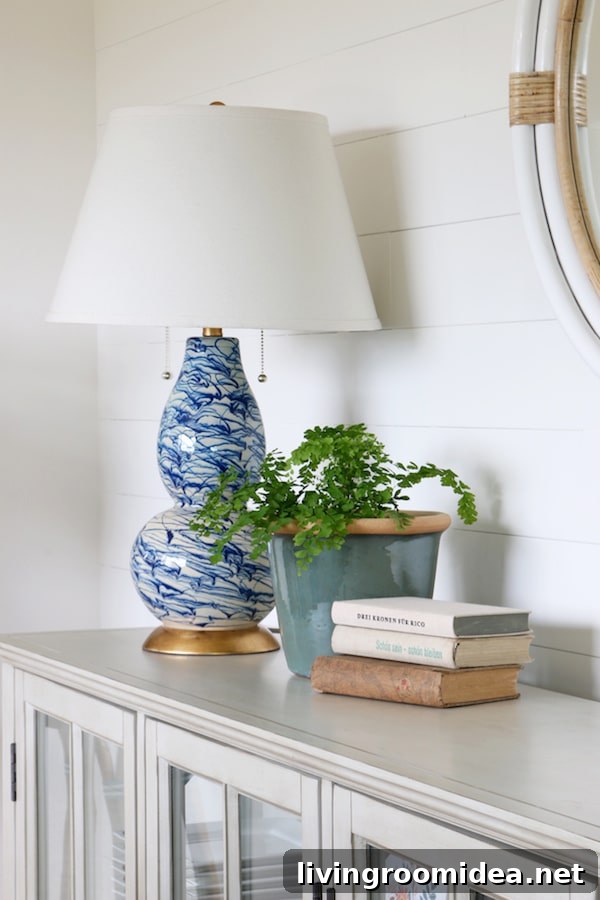
On the other side of our shiplap wall the planks run to the adjacent wall and are caulked so they read as part of the structure rather than an overlay. Small details like caulking, paint touch-ups, and consistent trim height make the installation look intentional and finished.
Do you need crown molding or baseboards?
Shiplap installed horizontally can terminate at the ceiling; the top board is fit tight to the ceiling and caulked. If you run boards vertically, plan for a trim piece at the ceiling. In our dining room the contractor removed the baseboards and reinstalled them over the planking for a clean finish, but leaving baseboards in place with the planks overlapping works fine too.

More thoughts on installing shiplap
Planked walls add visual weight and architectural texture. Depending on orientation and groove spacing, they can make walls feel taller or wider. For a subtle, integrated look, choose narrow gaps and staggered lengths so the wall reads as a quietly beautiful backdrop rather than a loud new feature.
It’s also budget-friendly to do one accent wall at a time. We started with a single dining room wall and may add more planking later. Even one wall can change the character of a room significantly.
We’ll definitely add more planked walls or ceilings in our home — I love the look and texture it brings.
I hope this answers many of your questions about shiplap, materials, and finishing details. If you have a specific question I didn’t cover, feel free to ask.