
It’s time for ‘back to school’ home organization!
Many families use this month to return to school and reestablish regular routines. Along with that rhythm comes an influx of paperwork, homework, backpacks, shoes, coats, boots, hats, scarves and sports gear — all items that require a place and a system to prevent last‑minute chaos.
Without a plan, the start of the school year can become stressful. Missing shin guards, overdue book reports and misplaced permission slips are common sources of morning frustration that slow everyone down.
1. Create defined drop zones
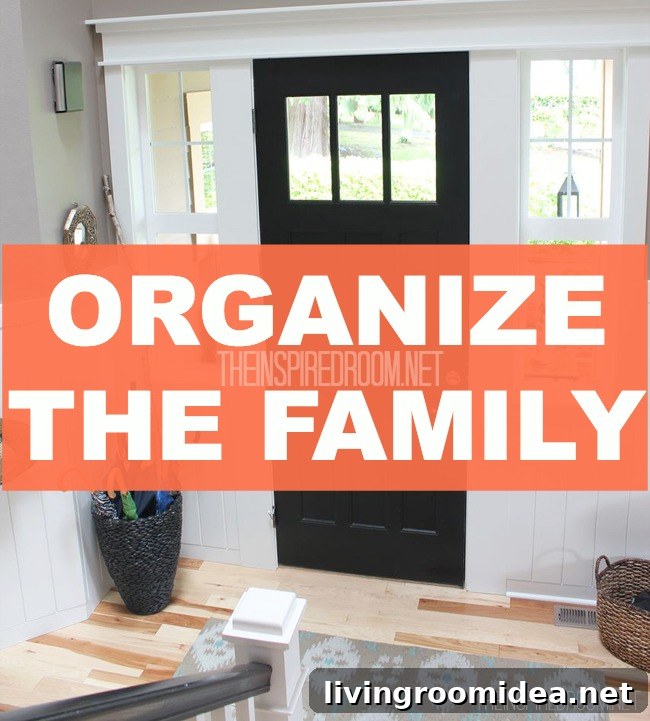
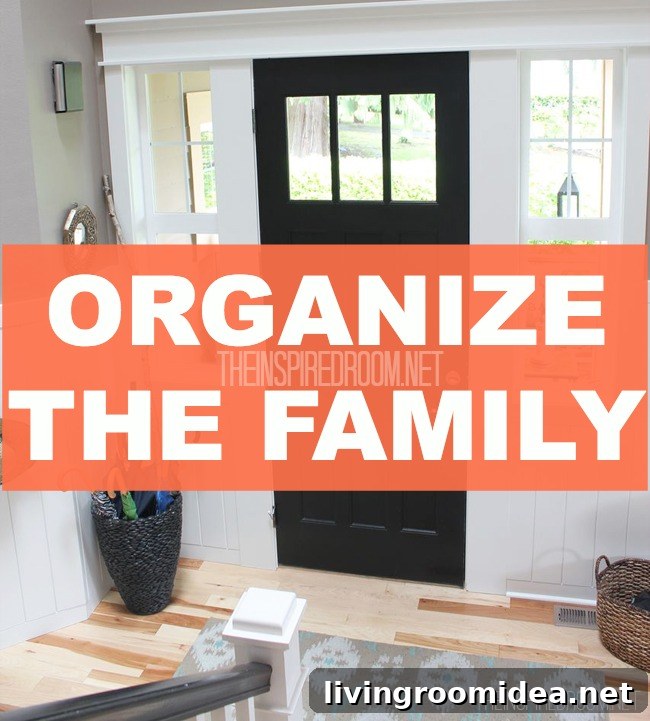
Designate a single area near the main entrance for everyday items: backpacks, coats, shoes and keys. Use hooks for jackets, cubbies or labeled baskets for each child’s backpack and a small tray for wallets and keys. Keeping frequently used items in one place reduces the time spent searching before you leave.
2. Use a family command center
Set up a visible command center in a high-traffic spot — a wall by the kitchen or hallway works well. Include a calendar for schedules, a clipboard or folder for current paperwork, a small whiteboard for daily reminders and a slot system for permission slips or forms that need signatures. A central hub helps everyone know what’s coming and what’s due.
3. Establish morning and evening routines
Create simple checklists for mornings and evenings. Evening routines should include packing backpacks, laying out clothes, and preparing lunches. Morning checklists focus on final tasks: shoes, lunch, permission slips and any last-minute homework. Practicing these routines for a few weeks turns them into habit and streamlines the start of each day.
4. Organize homework and supplies
Keep school supplies and a homework station stocked and accessible. Use labeled bins for pencils, erasers and paper, and provide a quiet, well-lit area for studying. Encourage children to put completed assignments in a designated folder or tray to avoid lost work and forgotten projects.
5. Manage outerwear and seasonal items
Rotate outerwear with the season. Store off‑season coats and boots in labeled bins to free space for current items. Place hats, scarves and gloves in a nearby basket or hooks so they’re easy to grab on chilly mornings.
6. Prepare for sports and activities
Keep sports equipment and practice gear in a single, easy-to-access location. Use a pegboard, labeled bins or a gear closet so everything has a place. Packing practice bags the night before prevents frantic mornings and ensures no equipment gets left behind.
7. Simplify paperwork and communication
Designate a folder or inbox for important school communications and weekly review time to go through papers together. Digitize what you can — snapping photos of permission slips or using apps to track events reduces physical clutter while keeping information handy.
8. Assign responsibilities
Give each child age-appropriate tasks: hanging coats, putting away shoes, packing their lunch or checking the calendar. When everyone shares the responsibility, the load becomes lighter and children learn valuable organizational skills.
9. Plan meals and lunches ahead
Meal planning and prepping lunches the night before saves time each morning. Keep lunch containers, napkins and snacks organized in a dedicated drawer or bin so assembling a packed lunch becomes quick and routine.
10. Review and adjust regularly
Check your systems periodically and make adjustments as schedules change. What works in September may need tweaking in November. A short family meeting each month can identify pain points and keep everyone on the same page.
With a few simple systems — a drop zone, a command center, consistent routines and shared responsibility — your mornings can become calmer and more efficient. Start small, build habits, and your household will be ready for the busy fall season.