
Martha Stewart
I have always enjoyed the idea of living in a smaller home and making the most of every inch. When I lived in a tiny English cottage—before moving into a much larger house—I treated storage and layout like a lively puzzle. Finding clever solutions for everyday items became a rewarding challenge.
How can you make the most of your small house?
1. Turn finding space into a game.
In a small house, everything needs a designated spot. What looks like a limitation can become an enjoyable design challenge. For example, a linen cabinet in the hallway doubled as my husband’s closet. Canned goods fit neatly on plastic shelving in the basement. Baking dishes lived on wire shelving on an enclosed back porch, and beds on risers created valuable under-bed storage. Treating these solutions as part of a game keeps the process fun and creative.
Small homes invite ingenuity. I loved the coziness and the opportunity to test different storage strategies and furniture arrangements. Approaching space planning with a playful attitude makes living in a smaller home feel intentional rather than cramped.
2. Give rooms more than one purpose.
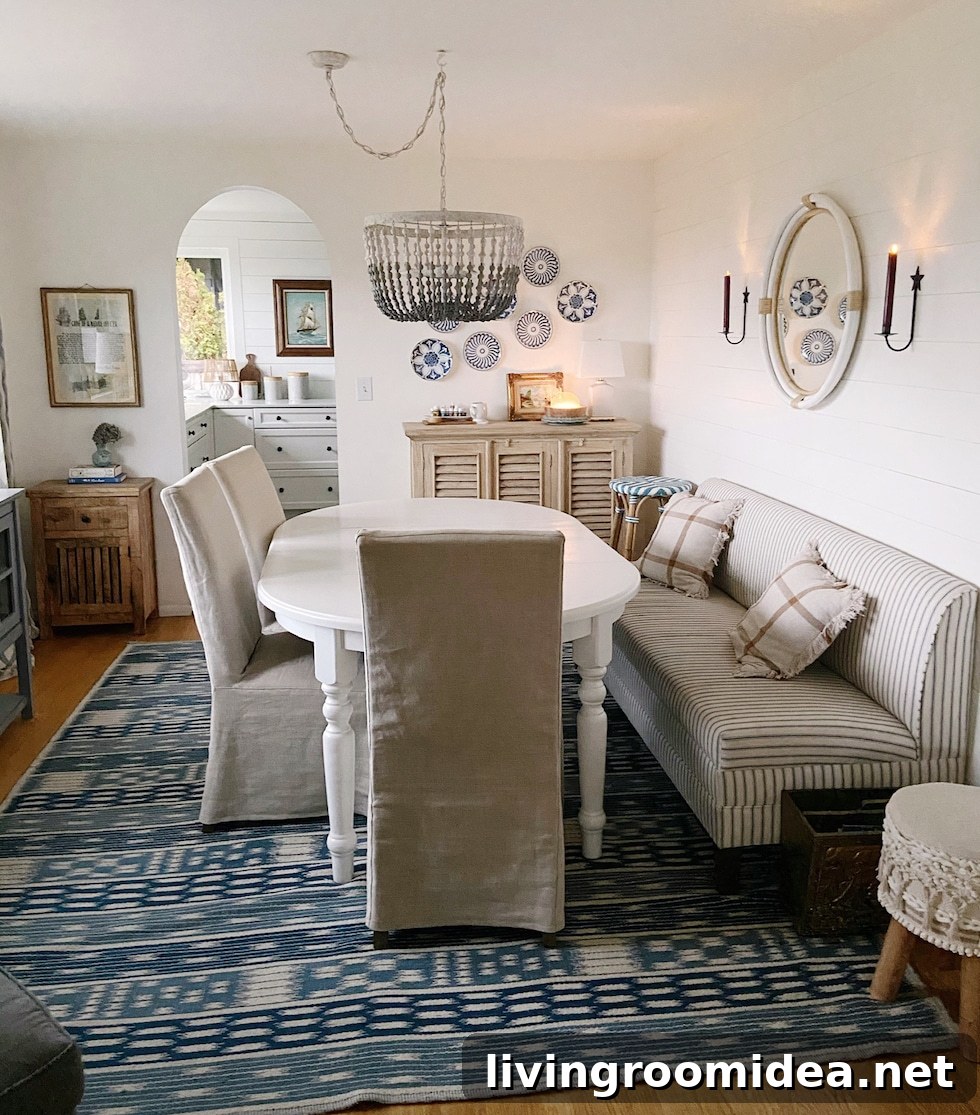
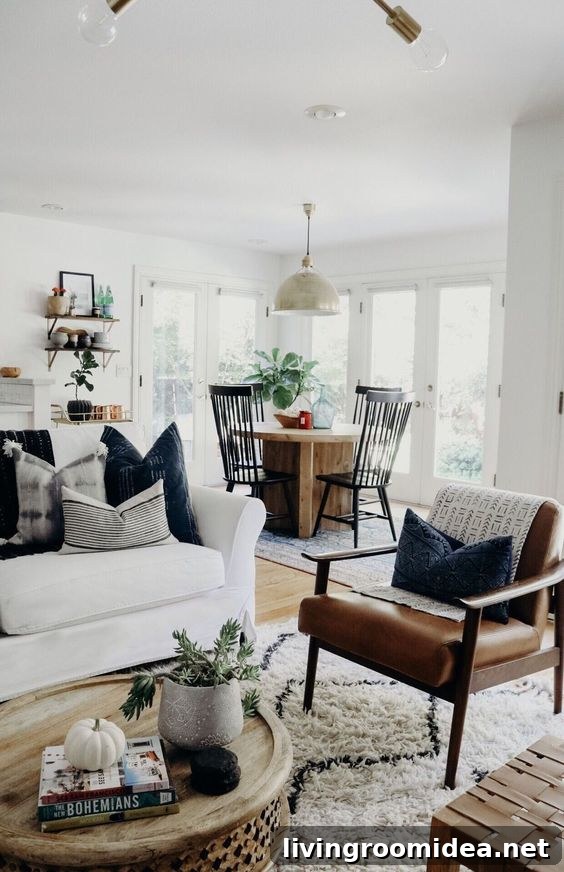
Multipurpose rooms are a fundamental strategy for small houses. A library-dining room, for instance, combines charm and function: you can dine comfortably while keeping bookshelves or a small home office in the same space. That dual use saves square footage and adds personality.
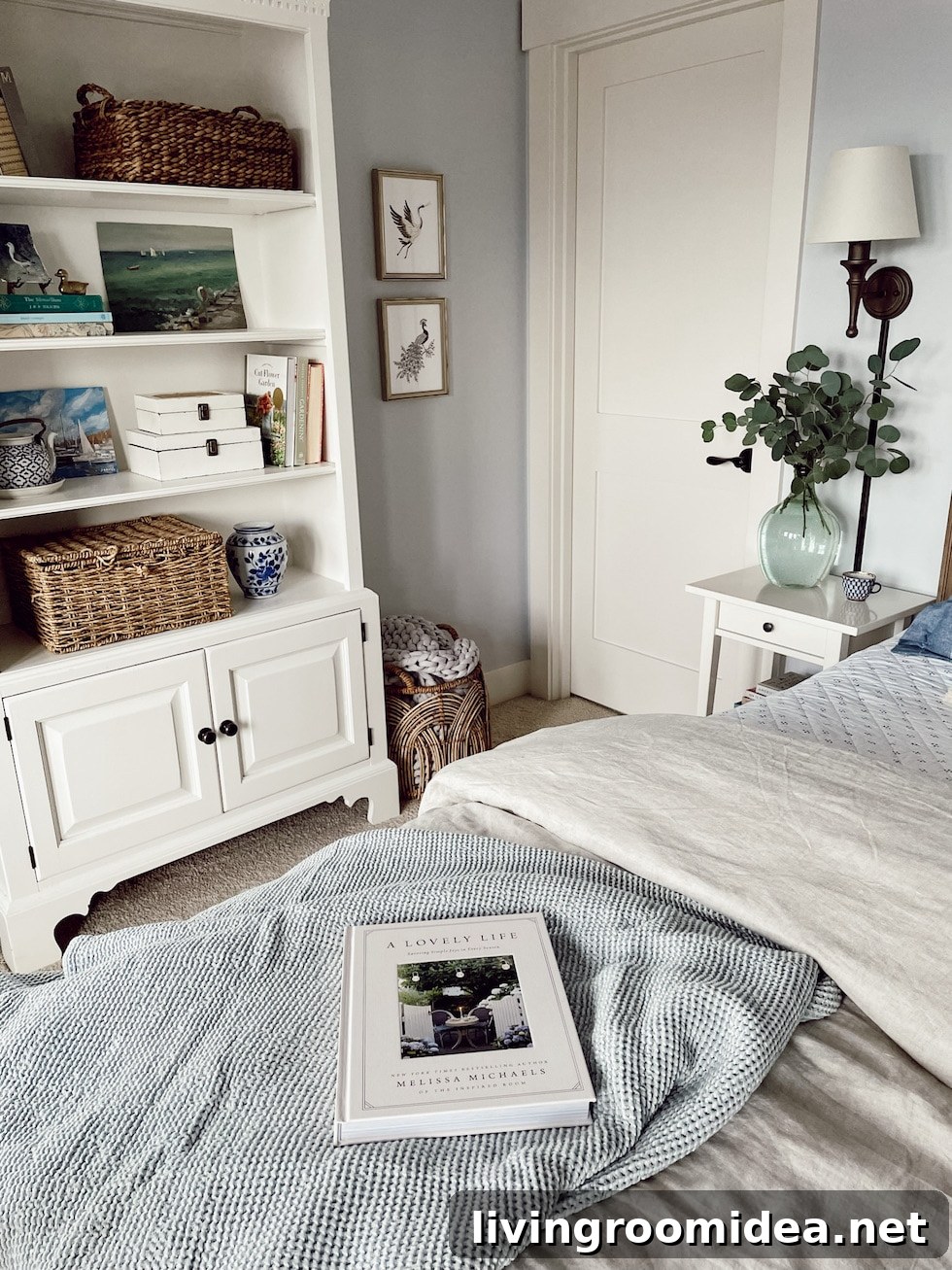
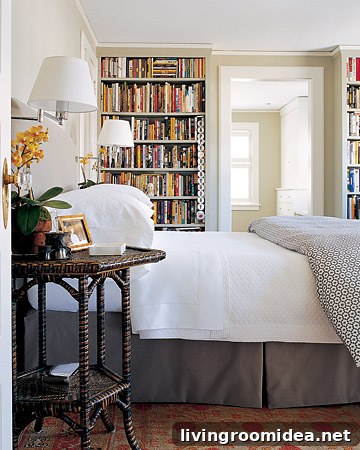
Bookshelves in a bedroom can work, though some people worry about dust. If you love reading and the bedroom is your only option, store books there. Otherwise, consider placing book collections in a more central room where they can contribute to the common living space.
Southern Living
3. Choose built-ins over bulky furniture.
Freestanding pieces can overwhelm small rooms. Built-ins or furniture that fits like built-ins maximize usable floor area. For example, banquettes—built-in benches with a table—shave off the space chairs would otherwise require, making an eat-in kitchen possible even in a compact area.
Consider where you can replace standalone furniture with built-ins, custom shelving, or streamlined units that tuck into niches. Even if you can’t add built-ins, trimming excess furniture and choosing simpler pieces helps the home feel more open.
4. Be creative with multifunctional furniture and spaces.
Thinking outside the box is essential in a small house. An example I admire is a custom dining table that converts into a pool table. It doubles as a family dining surface and an entertainment center, saving the need for a separate game room. While custom pieces can be an investment, they demonstrate how one clever item can serve multiple needs.
When my son was very young, our dining room became his play area. Priorities changed with our family’s needs, and we adapted the space accordingly. Being willing to forgo a formally used room in favor of something more useful at the time helped our home function better for daily life.
If you’re trying to make the most of a small house, look for ways to make rooms perform double duty. We don’t always need more space; we need smarter use of the space we already have.
Do you consider your home small, medium, or large?
Ideas like built-ins, multifunctional furniture, and flexible room assignments let even the coziest homes feel intentional and efficient. Start by listing what you need most from each room, then look for ways to let one space serve several functions. With a little creativity and a willingness to rethink traditional uses, a small house can feel spacious, organized, and perfectly tailored to your life.
Credit: Country Homes & Interiors Feb 2005
Related posts:
A Small Kitchen Makeover
A Cute Teeny Tiny House
Making a Small House Feel More Open