
Years ago I was overwhelmed by paper. I had no system, so every new stack went into a pile labeled “later.” Bills, school notices, receipts and random mail accumulated on dressers, in drawers and in boxes tucked into closets. When I tried to tidy, I’d gather loose papers and shove them into bags or boxes to deal with at another time — a time that never came. The result: closets full of paper and less space for clothes and daily items.
Eventually I realized the chaos needed to stop. My home could look tidy while hidden piles of paper grew in storage. I decided to build a practical system to manage incoming paper and change my habits for good. It wasn’t an instant fix, but it led to lasting improvement.
Follow these steps to eliminate paper clutter and keep it gone.
1. Gather essential tools
- A reliable home shredder for sensitive documents
- A recycling bin for junk mail and nonconfidential paper
- A simple filing system for papers you must keep
- A calendar (phone or wall) to track dates and deadlines
2. Create a simple filing system for long-term papers
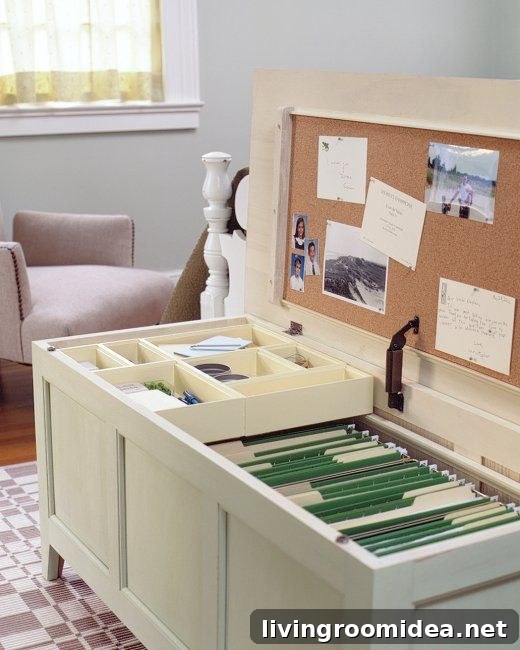
Decide in advance where important documents will live when they enter the house. Organize a basic file for medical records, tax documents, insurance, warranties and receipts you need to retain. Don’t overcomplicate the system — keep only essential items. While scanning can work well, a paper filing system is affordable and quick to set up. You can later transition to digital storage when you’re ready.
3. Plan how to handle items you’ll act on soon
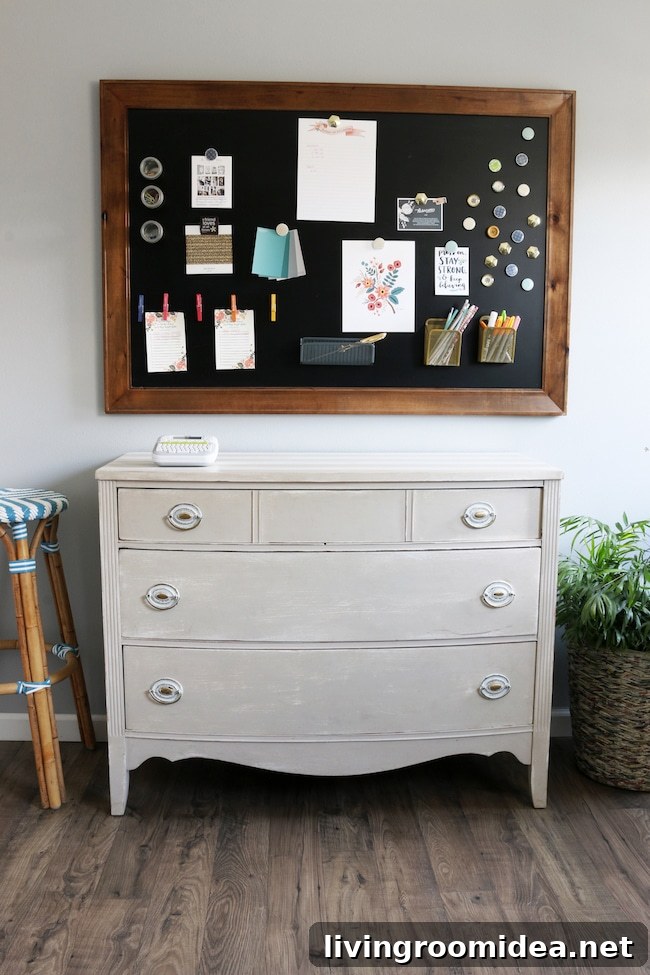
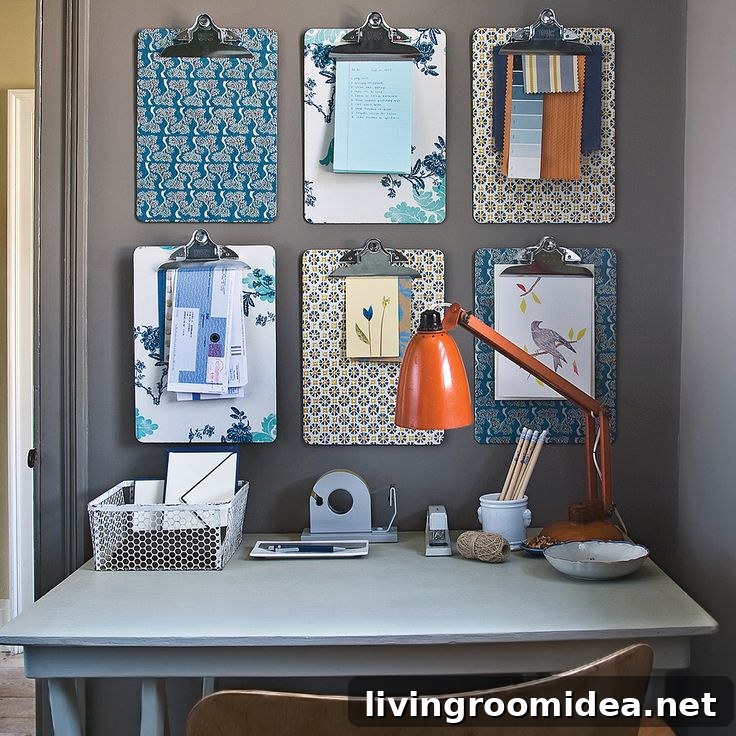
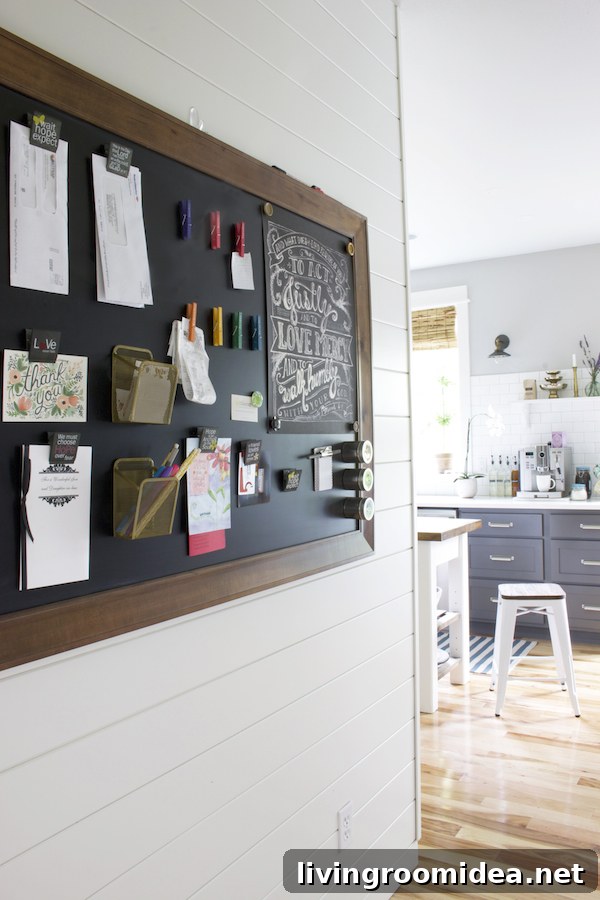
For bills, invitations, school notices and reminders, decide whether you’ll use an electronic calendar or a paper calendar. Electronic reminders on your phone or computer reduce paper and prompt you about upcoming dates. If you prefer paper, place a calendar and bulletin board in a high-traffic spot and commit to checking it daily and clearing old items weekly.
4. Set up a paper-sorting station
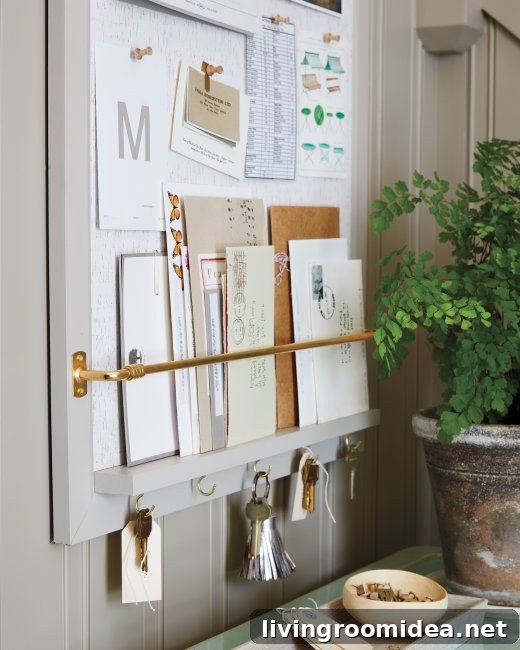
Most paper pile-ups begin at the door, so create a dedicated mail station. Give every family member an inbox and provide clear places for bills to be paid, items to file, and papers to act on. Put a shredder and recycling bin nearby so you can immediately destroy or discard unwanted mail. A consistent sorting routine eliminates the “deal with later” pile.
5. Collect all existing piles into one room
To tackle backlogs, empty drawers, closets and boxes and bring every paper pile into a single room near your shredder and recycling bin. Seeing everything at once is empowering — it reveals the true volume of clutter and motivates you to make progress. Clearing hidden stacks frees up space and prevents future overflow.
6. Build a daily routine: shred, recycle and file
Decide to act immediately when paper enters your home. Walk to your mail station and either shred, recycle or file each item. Put bills directly into the “to pay” spot and file documents you need to keep. For papers you’re unsure about, create a temporary “review” file to prevent new piles from forming. The goal is daily action rather than future procrastination.
7. Remove old paper clutter
Work through the backlog by shredding, recycling and filing until boxes and bins are empty. Regular purging protects your privacy and reduces the amount you need to store. If you prefer not to shred at home, many communities offer shredding services that handle large volumes safely.
Are you ready to clear paper clutter for good?
Changing habits is the key. By setting up a simple system, creating a daily routine, and dealing with incoming paper immediately, you can reclaim closets, drawers and surfaces. The effort pays off with a calmer home and more room for the things you love. Start small, be consistent, and enjoy the freedom of a paper-free living space.