
Lonny
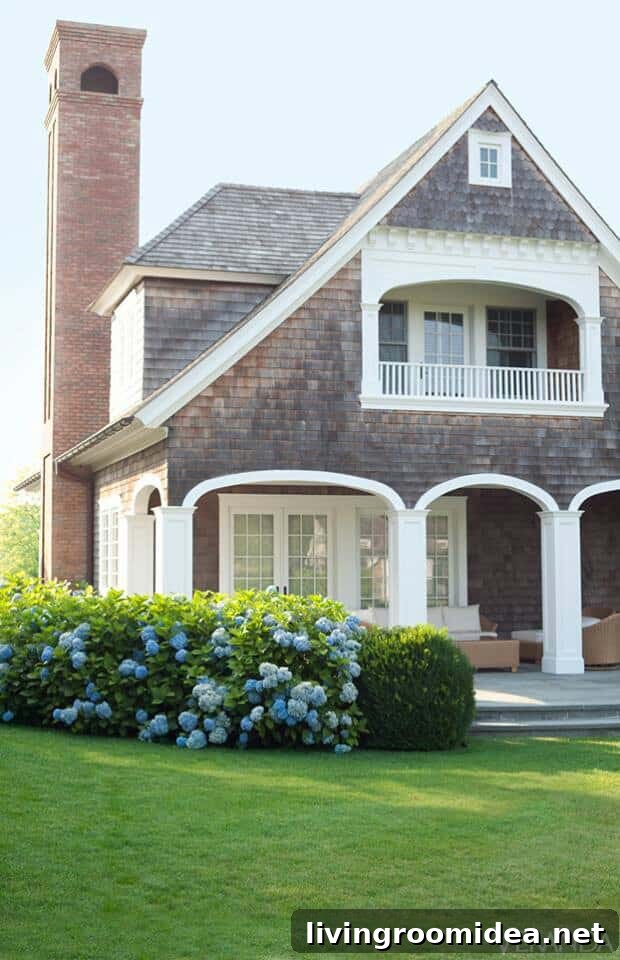
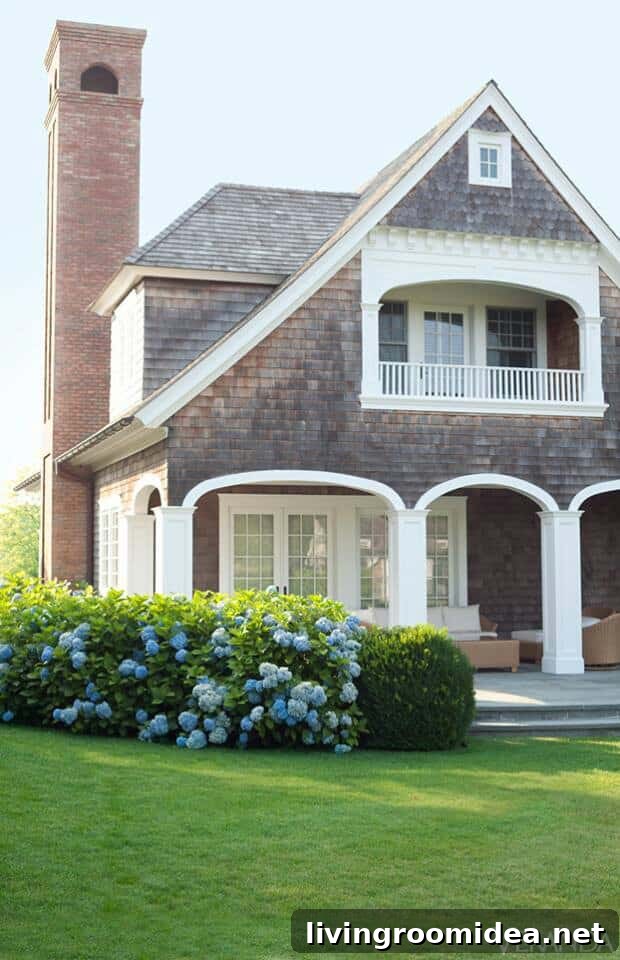
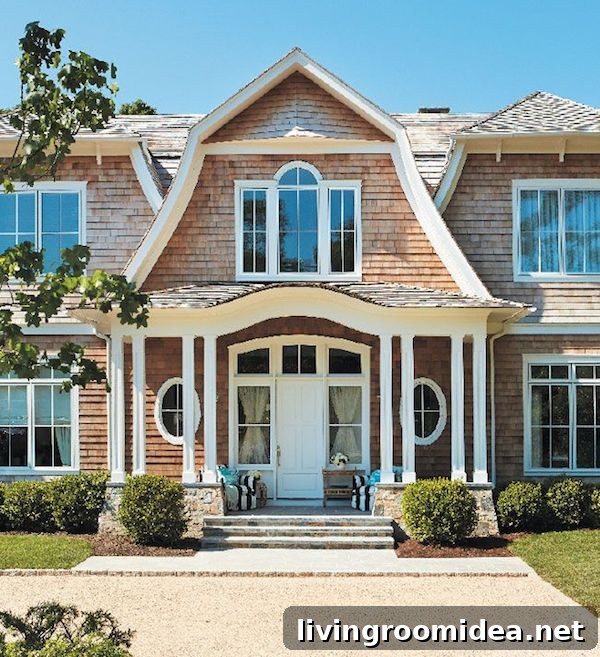
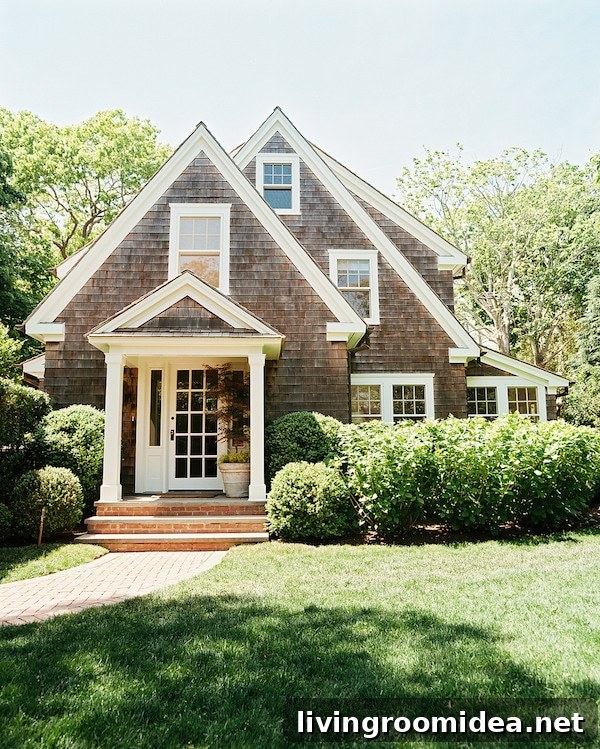
I love shingled houses. There’s something timeless and inviting about the texture and pattern of shingle siding—whether it covers an entire facade or accents just a portion of a home. Shingles add depth, charm, and a handcrafted quality that few other exterior materials can match.
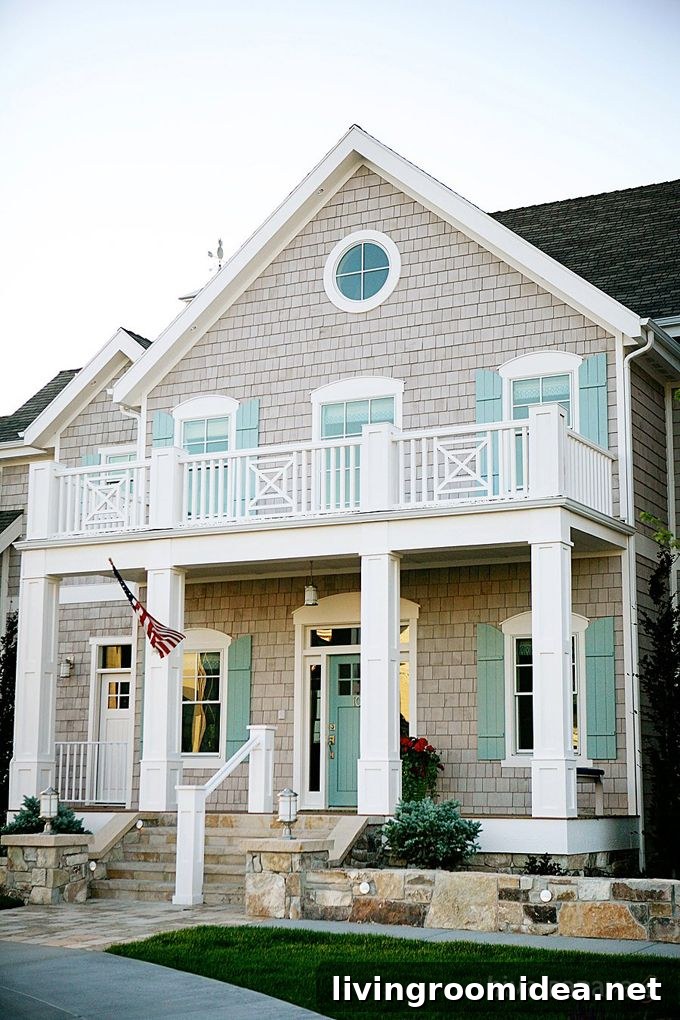
Gray shingles often top my list because they convey a subtle, coastal elegance that pairs beautifully with white trim and natural landscaping. At the same time, white shingles can feel fresh and classic, brightening a home’s appearance while still offering softness and detail not achieved with flat siding.
Shingles are versatile: they suit seaside cottages and refined Hamptons houses as well as Victorian and traditional designs. Small sections of shingle cladding—around entryways, dormers, or gables—can introduce character without overwhelming the architecture. Alternately, a fully shingled exterior creates a cohesive, lived-in look that ages gracefully over time.
When selecting shingles, consider scale, color, and how they interact with other materials like brick, stone, or painted trim. Texture is a major benefit: the play of light and shadow across individual shingles gives a facade depth and visual interest. Maintenance and material choice matter too—cedar and composite shingles each have distinct benefits for longevity and appearance.
Ultimately, the appeal of shingled siding is emotional as much as aesthetic. It evokes craftsmanship, history, and a relaxed sophistication that fits many architectural styles. Whether you imagine a coastal retreat in soft gray tones, a crisp white cottage, or a traditional home with shingle accents, that pattern can make an exterior feel more personal and inviting.