Pillows are one of my favorite decorating accessories. But how do you choose decorative pillows that coordinate and still look natural in your home? I’ll share practical designer tips that will help you select pillow covers and inserts that work together, save you money and storage space, and make your rooms feel cohesive in any season.
Most people struggle with pillows. Too many, not enough, the wrong sizes, or mixes that just feel off. Storage, inserts, scale, pattern mixing—there’s a lot to consider. I’ll walk you through a simple approach so you can enjoy pretty pillows without stress.
The right pillows don’t have to be perfectly styled to look pretty
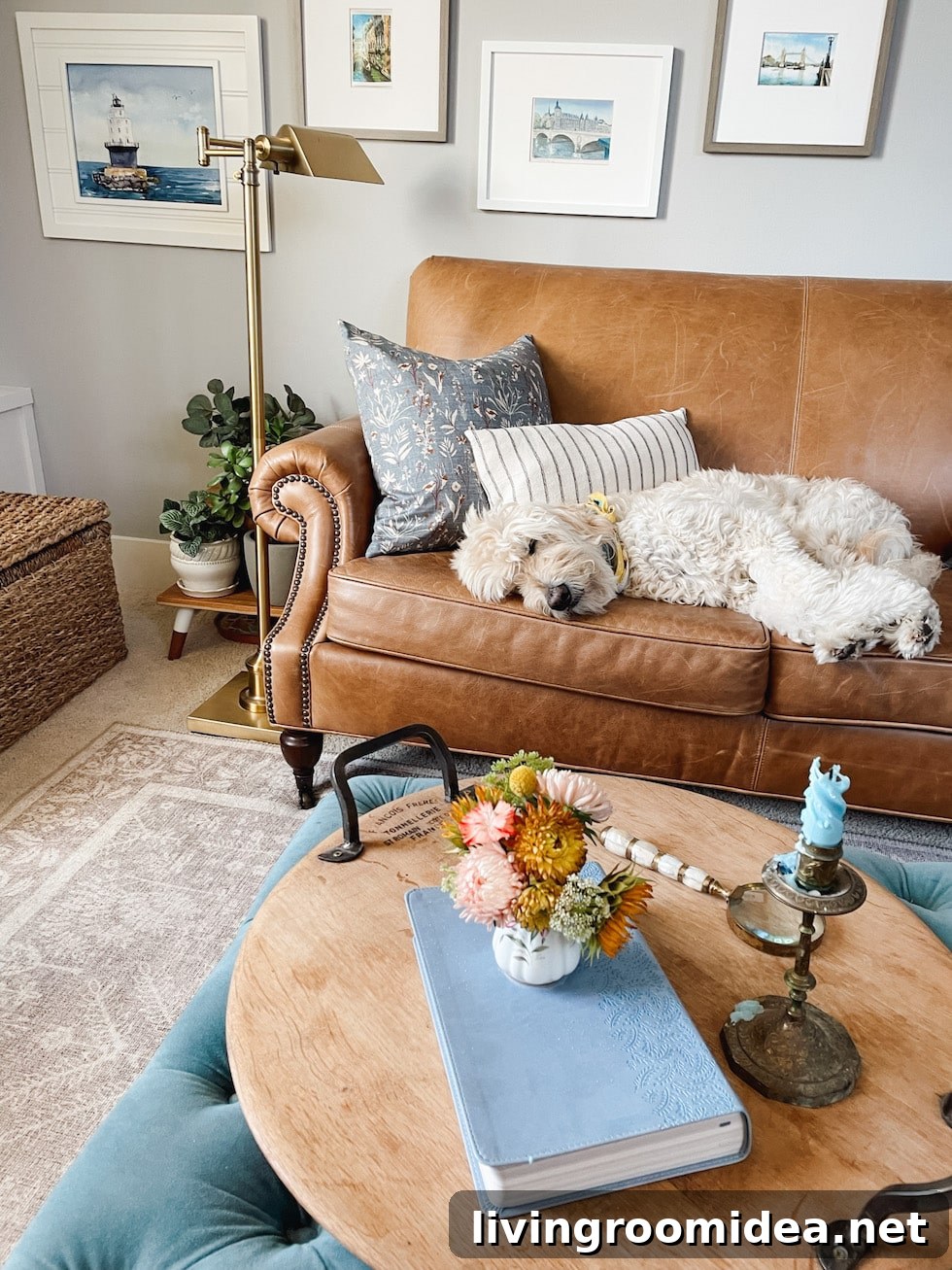
One of the best discoveries I’ve made is that pillows can still look lovely even when they’re lived in. If your household is anything like mine—kids, pets, everyday life—pillow perfection isn’t realistic. Rather than chasing a showroom look, embrace a comfortable, lived-in style. That means pillows may get fluffed imperfectly or end up on the floor, and that’s okay.
Design rules that demand perfect symmetry can be impractical for everyday life. With a few intentional choices in color, texture, pattern, and insert quality, your pillows will look attractive even when they’re a little smooshed or rearranged unevenly.

A different approach: decorate for a lived-in home
Many decorating guides show pristine, staged rooms. I prefer a casual, welcoming look that reflects real life. My goal is a space that’s pretty and comfortable—a home people and pets enjoy, not a museum. If that appeals to you, these tips will help you create a cohesive, practical style that still feels intentional.
Whether you follow rules or break them, focus on what makes your home warm and inviting for your family. A lived-in home can be both beautiful and functional.
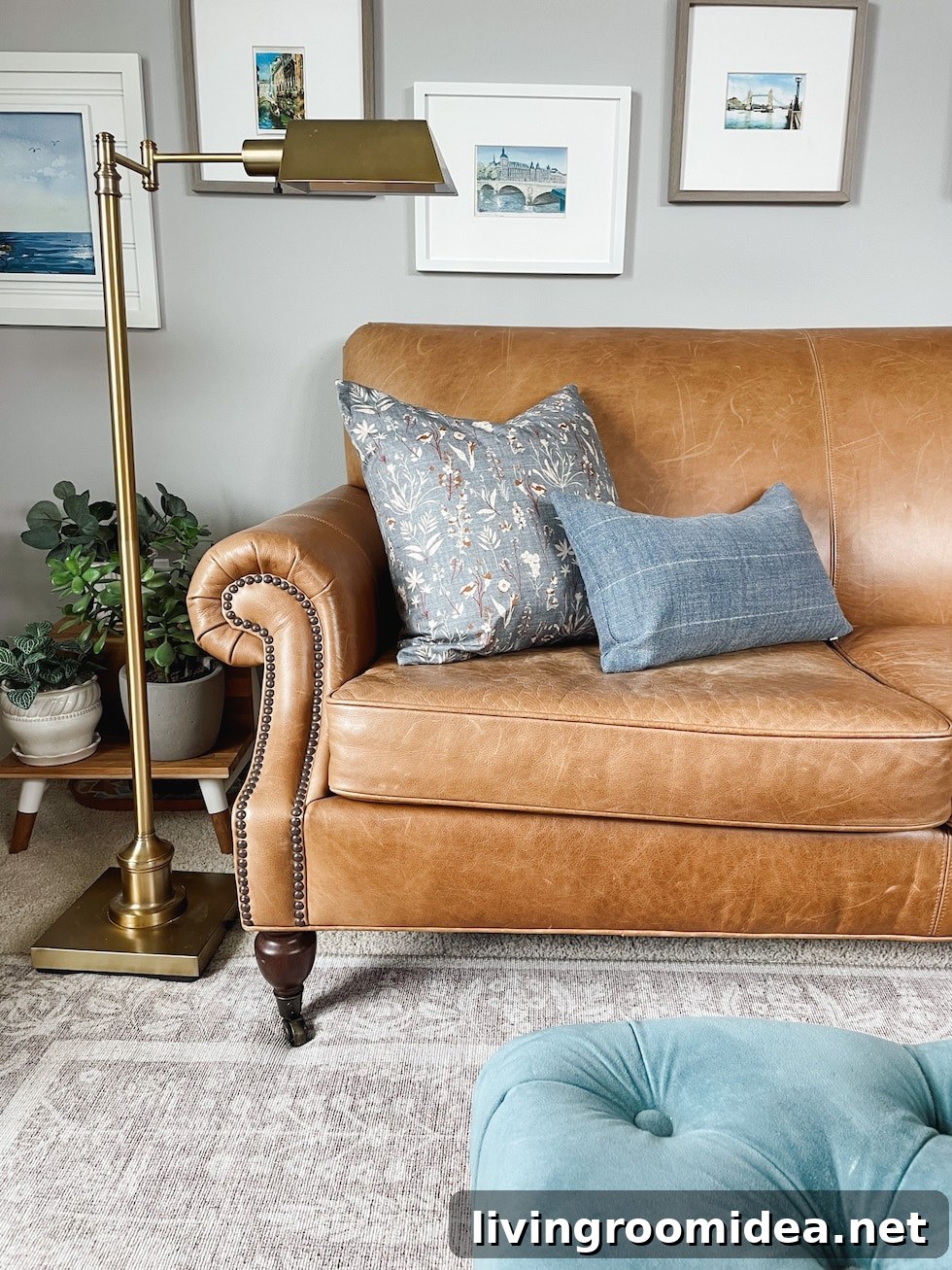
Create a signature style that’s pretty and practical
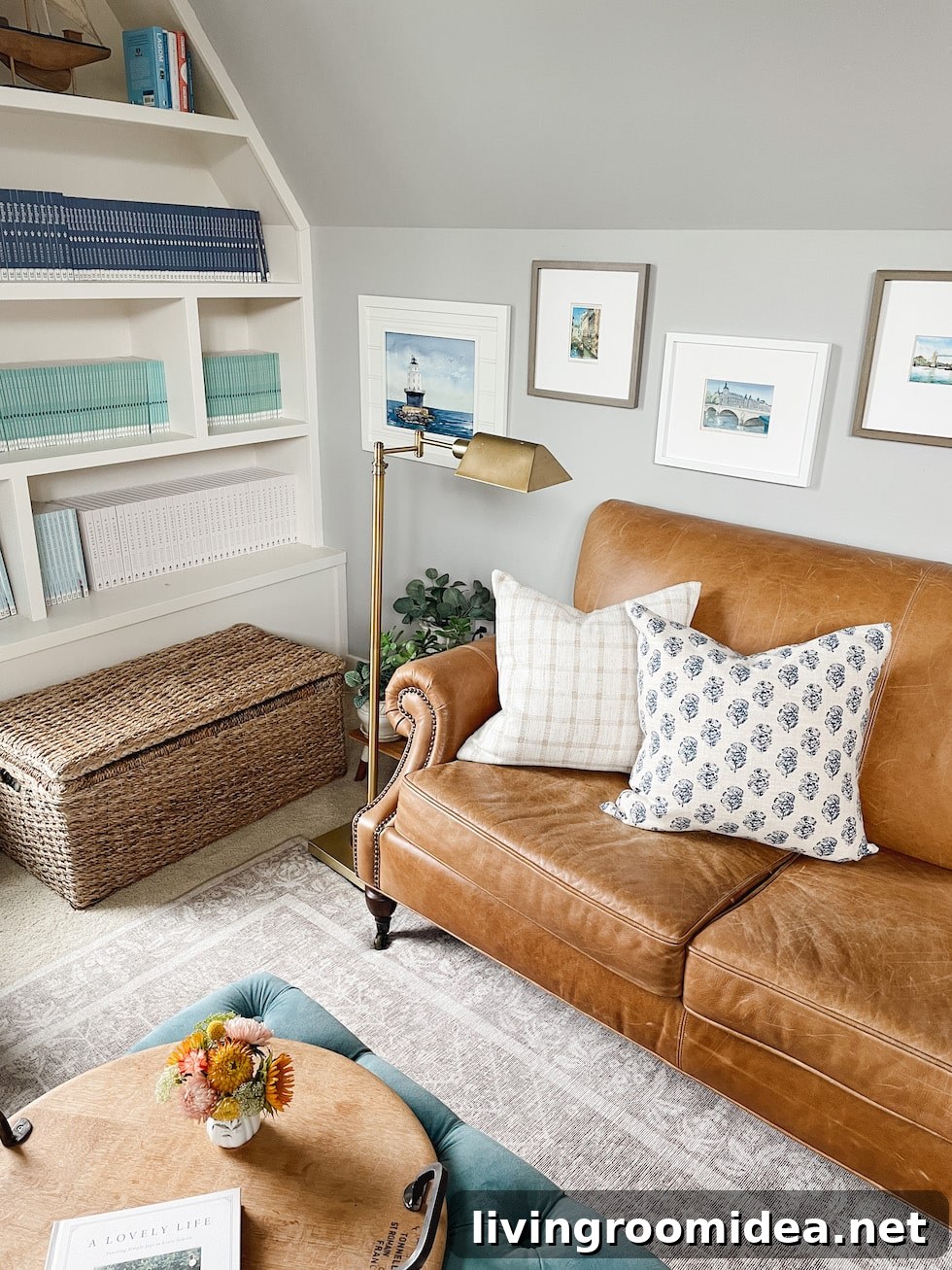
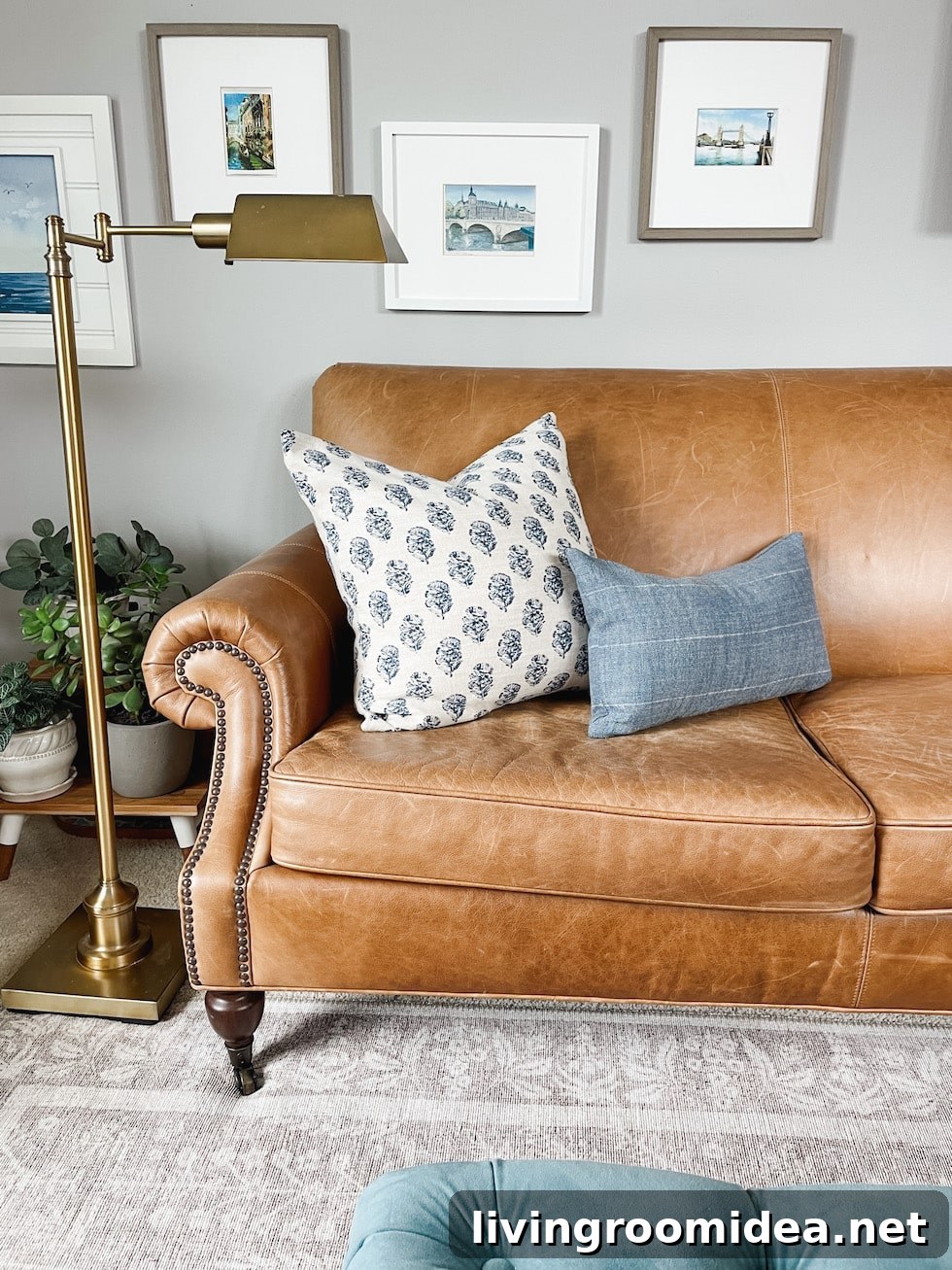
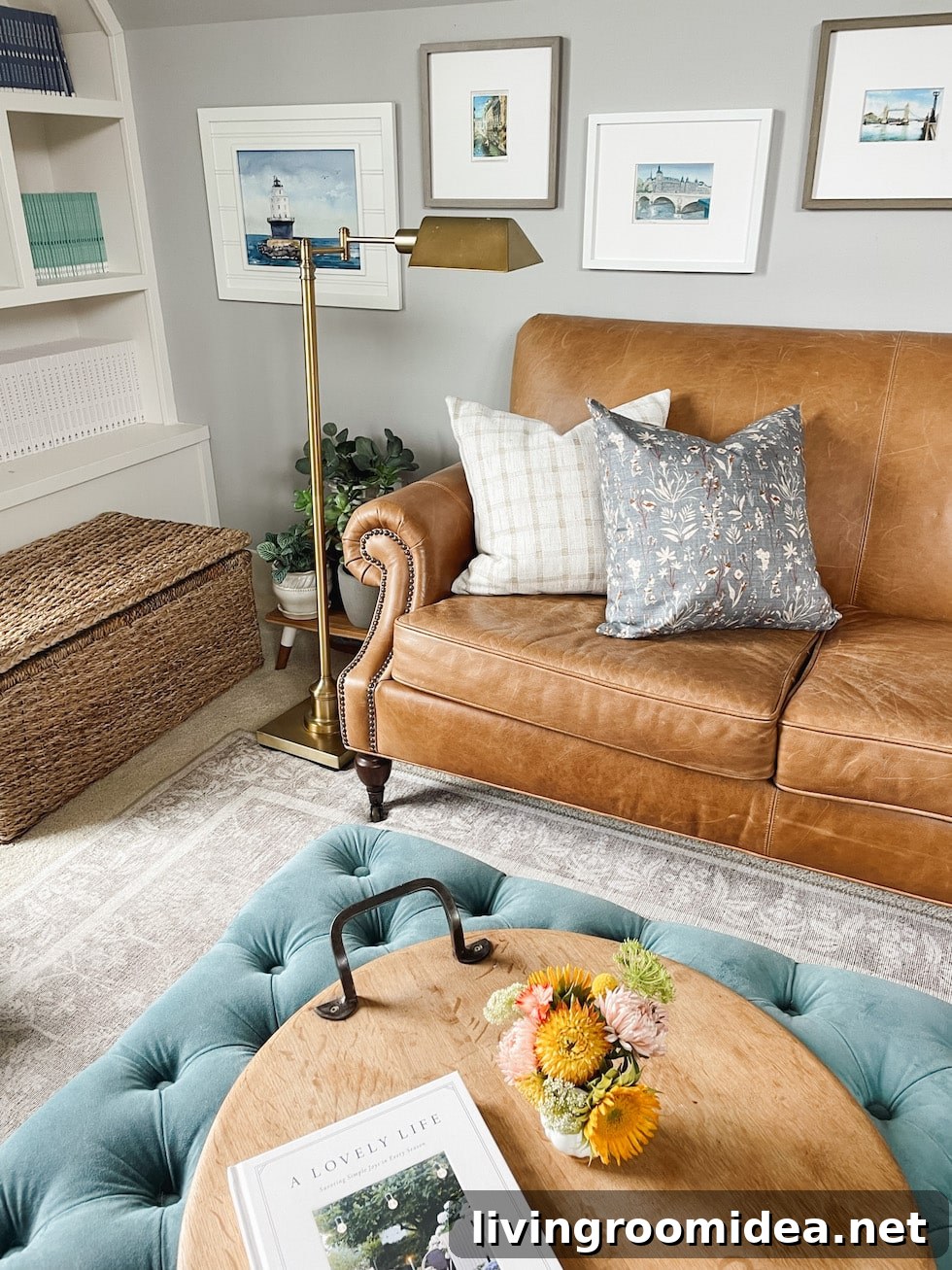
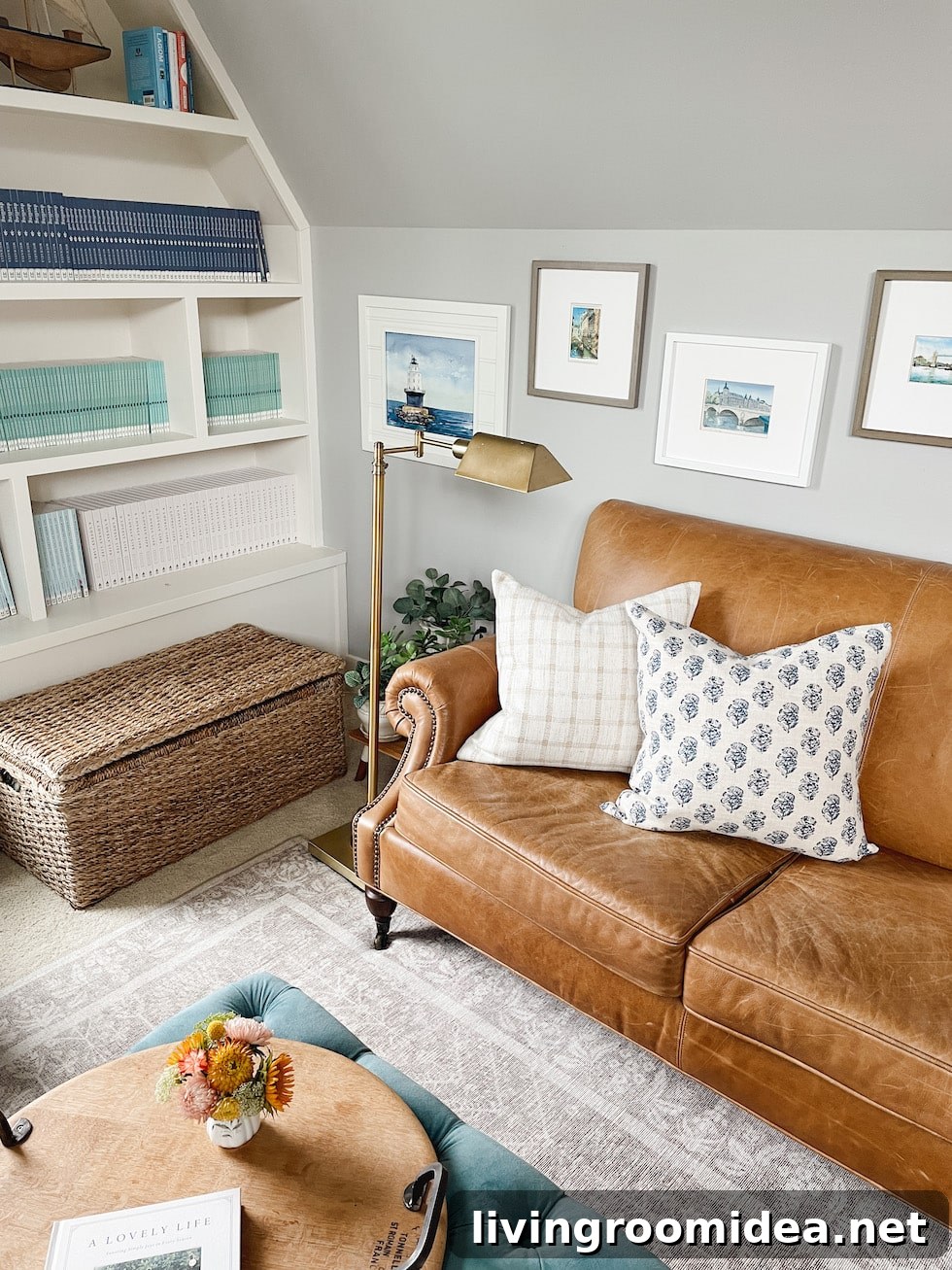
You can develop a signature pillow style that looks attractive whether the pillows are fluffed or a little ragged. I recently refreshed my collection of pillow covers and experimented with pairings to see how well they work together on our leather sofa and around the house. The goal was to create combinations that look cohesive and feel effortless.
If you have a leather sofa or another challenging piece, don’t worry—right patterns, textures, and insert weight make pillows look intentional and integrated with your furniture.
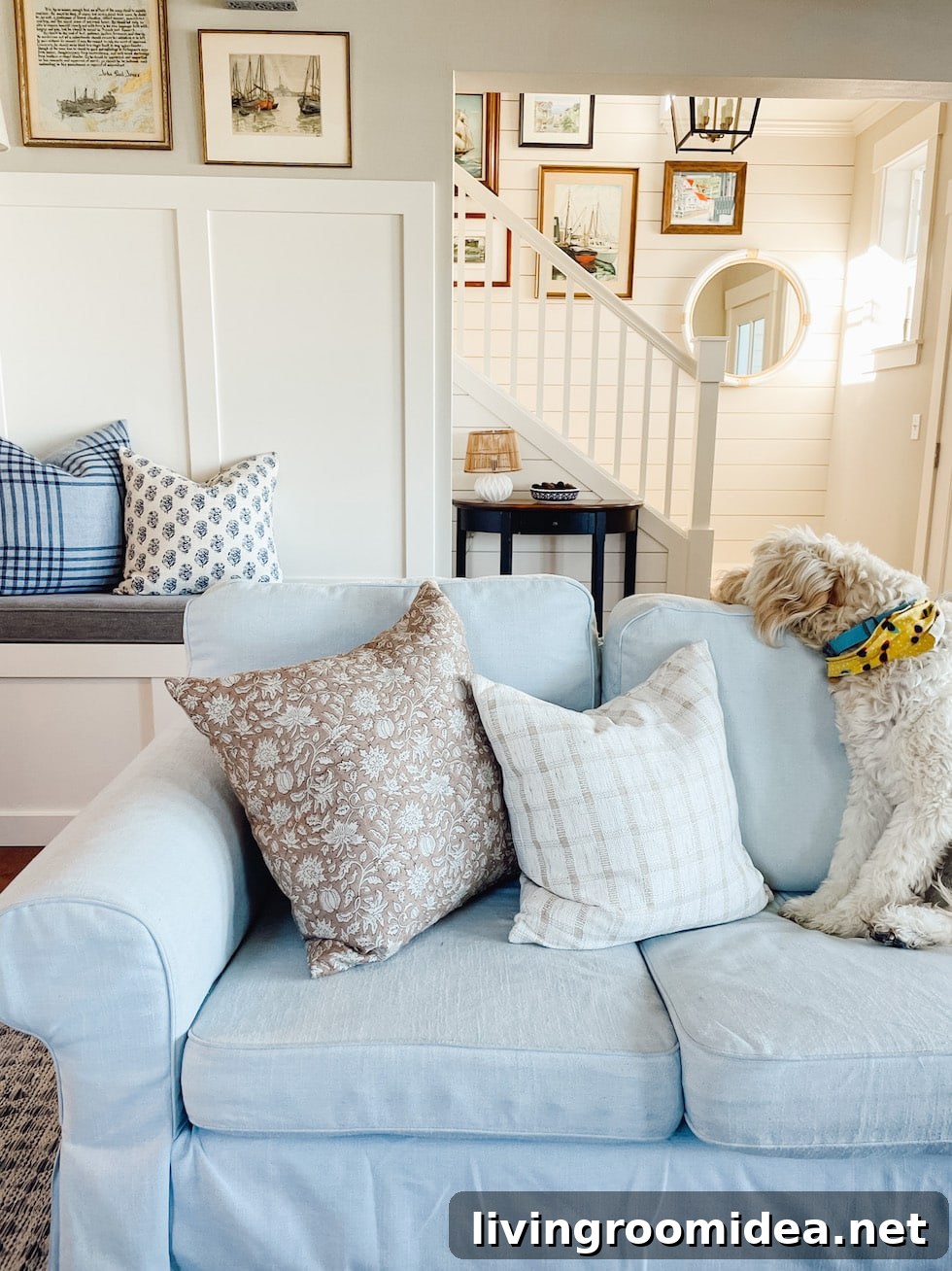
Below are practical tips for choosing pillows that coordinate, save you money, and help you find your signature look.
1) Choose a signature color palette for your home or room
A consistent base palette makes mixing and matching simpler. When pillow covers fit your signature palette, you can swap them between rooms and seasons without needing a separate set for every space. This reduces storage needs and increases the usefulness of each piece.
Use your palette to vary texture and emphasize different hues depending on the season or the room. A few seasonal accents are all you need to refresh the look while keeping a cohesive foundation.
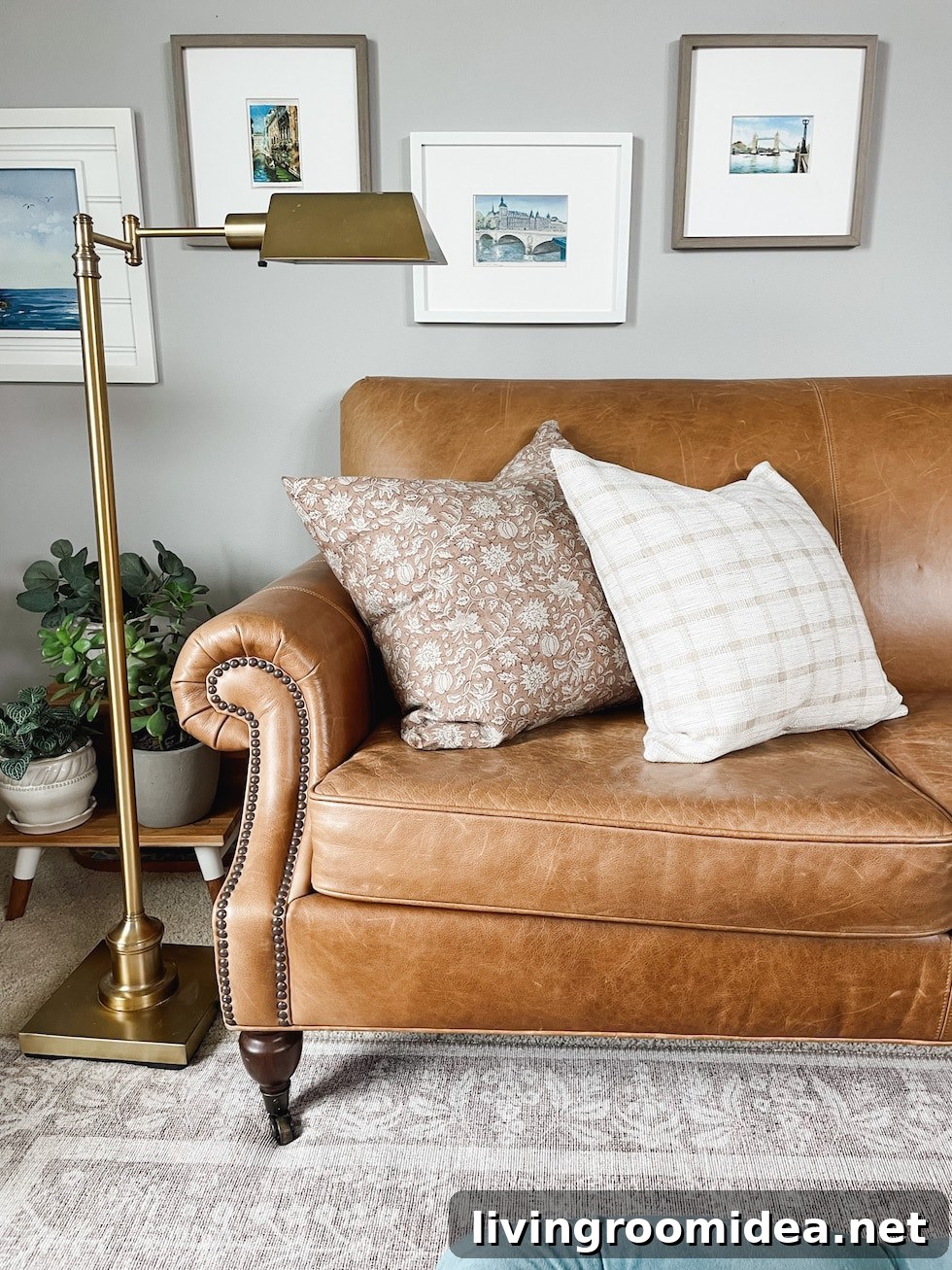
2) Start with a base set of coordinating pillow covers
Choose pillow covers with zippers so you can switch the inserts easily. You can buy a larger set at once or build your collection slowly—either approach works. Aim for a cohesive mix of patterns and solids that fit your signature palette.
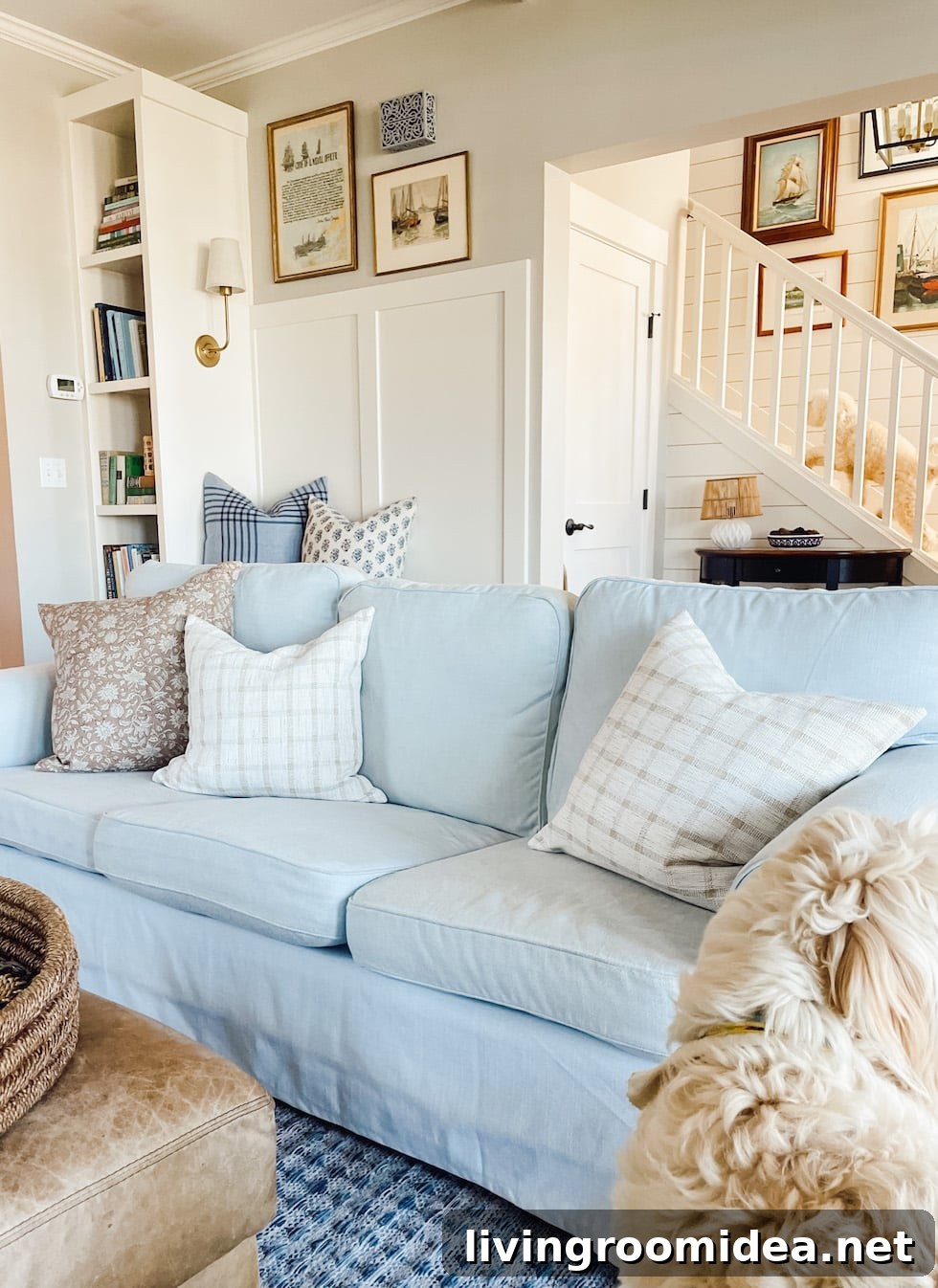
Stick mostly to classic patterns—stripes, plaids, traditional florals, and botanicals—so pieces play well together. Add one or two unique patterns, like polka dots or geometrics, to keep the mix interesting. Ensure you vary the scale of patterns so they don’t compete visually.
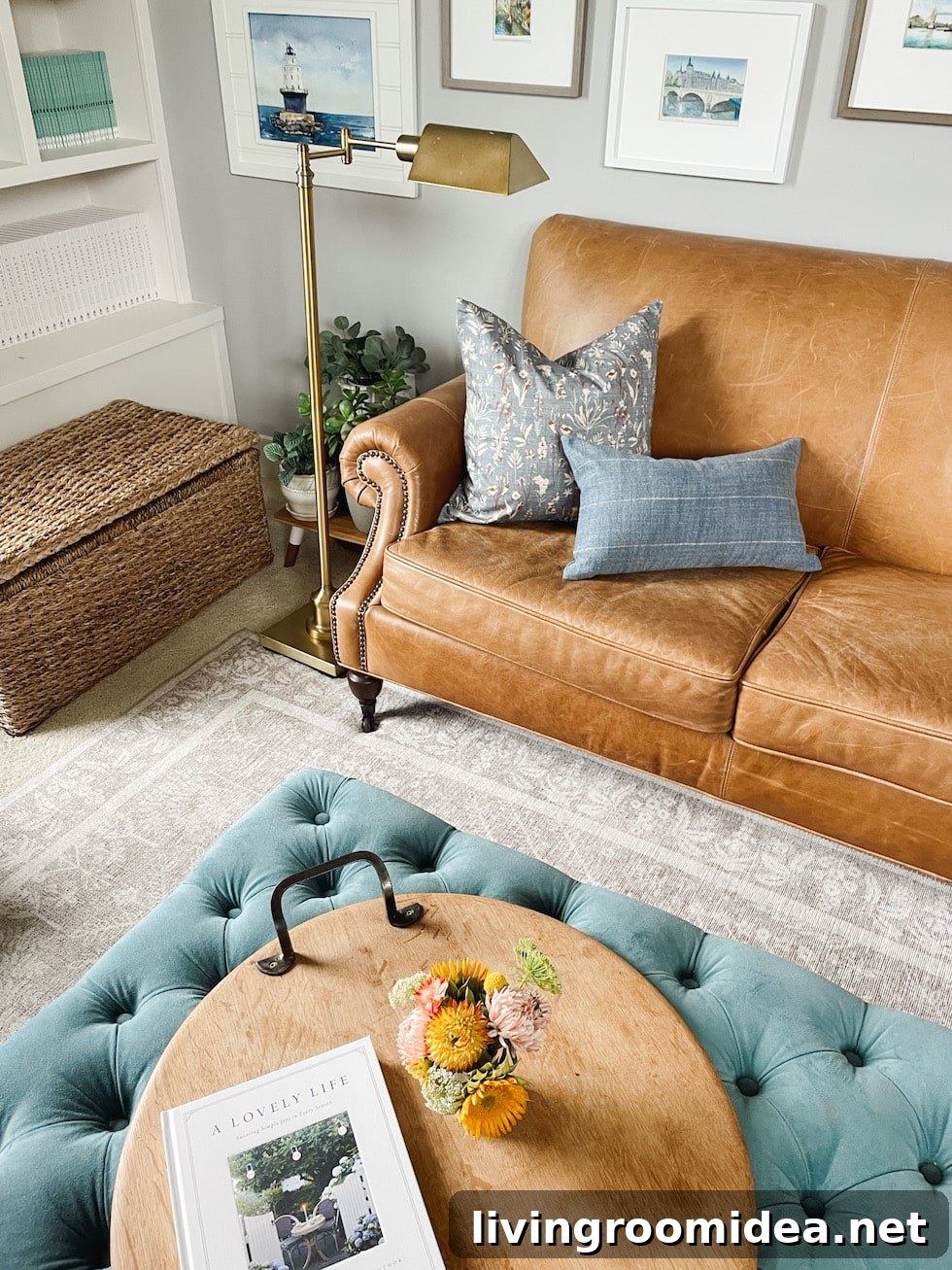
Consider buying matching pairs or sets for the ends of a sofa, beds, or benches to create balance. Or intentionally mix sizes and styles for a relaxed, collected look. If your sofa is patterned or colored, choose pillows in complementary tones and motifs.
3) Choose the right sizes and shapes
Use at least two sizes for versatile pairings. Larger squares (22×22 to 24×24 inches or bigger) suit larger sofas and beds. Smaller squares (19–20 inches) are good for smaller chairs or layered in front of larger pillows. Lumbar rectangles (like 12×20 or 14×20) work well on chairs, in the center of sofas, or on beds. Round pillows can add softness and visual interest.
4) Consider fabrics, textures and details
Choose a mix of textures that suit your home’s mood—linen and cotton for a lighter look, velvet, wool, or chenille for cozier seasons. A consistent texture palette across your base covers makes them feel curated. Decorative details like tassels or fringe can add character and help pull disparate pieces together.

5) Invest in good-quality inserts and buy what you need
Good inserts make a huge difference. Flimsy inserts leave pillows looking flat and lifeless, and on leather furniture they can slide or slump. As a rule of thumb, buy inserts one to two inches larger than the cover size for a full, tailored appearance (for example, a 22-inch insert for a 20-inch cover).
Decide whether you prefer down, down alternative, or firmer inserts based on how you’ll use the pillows. Firmer inserts provide support on beds; softer, plumper inserts give a relaxed, cozy look on sofas. Keep a list of the sizes you own so you can add matching inserts over time without accumulating unnecessary extras.
Sometimes you’ll find a great insert bundled with a cover you don’t love—keep the insert and replace the cover later if it’s a quality fill. Over time, a small, intentional collection of covers and inserts gives you the flexibility to refresh rooms easily.
I hope these tips on pairing pillows, choosing covers and inserts, and creating a signature style help you curate a home that’s both pretty and practical. Small, intentional choices make living with pillows easy and beautiful.
Where to get decorative pillows and my pillow sources
I’ve collected my favorite inserts and covers from a variety of sources; the important thing is to stick to your chosen sizes and palette so pieces stay interchangeable. Keep an inventory of sizes and styles you prefer so you can build the collection you need for each room over time.
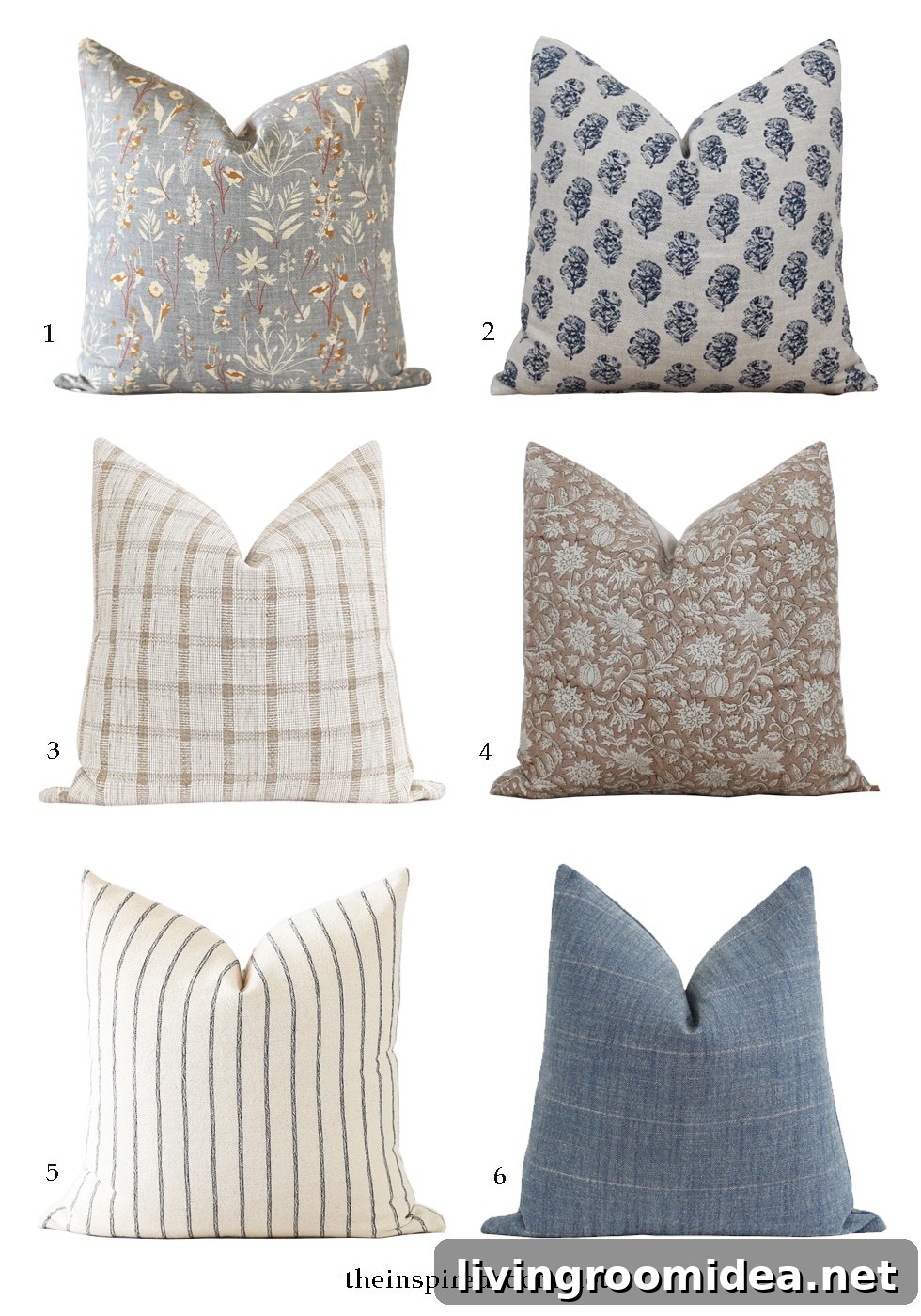
Pin this post to save the ideas for later. Keep a small collection of coordinating covers and quality inserts, and you’ll be able to refresh your rooms with ease while still keeping a comfortable, lived-in feel.
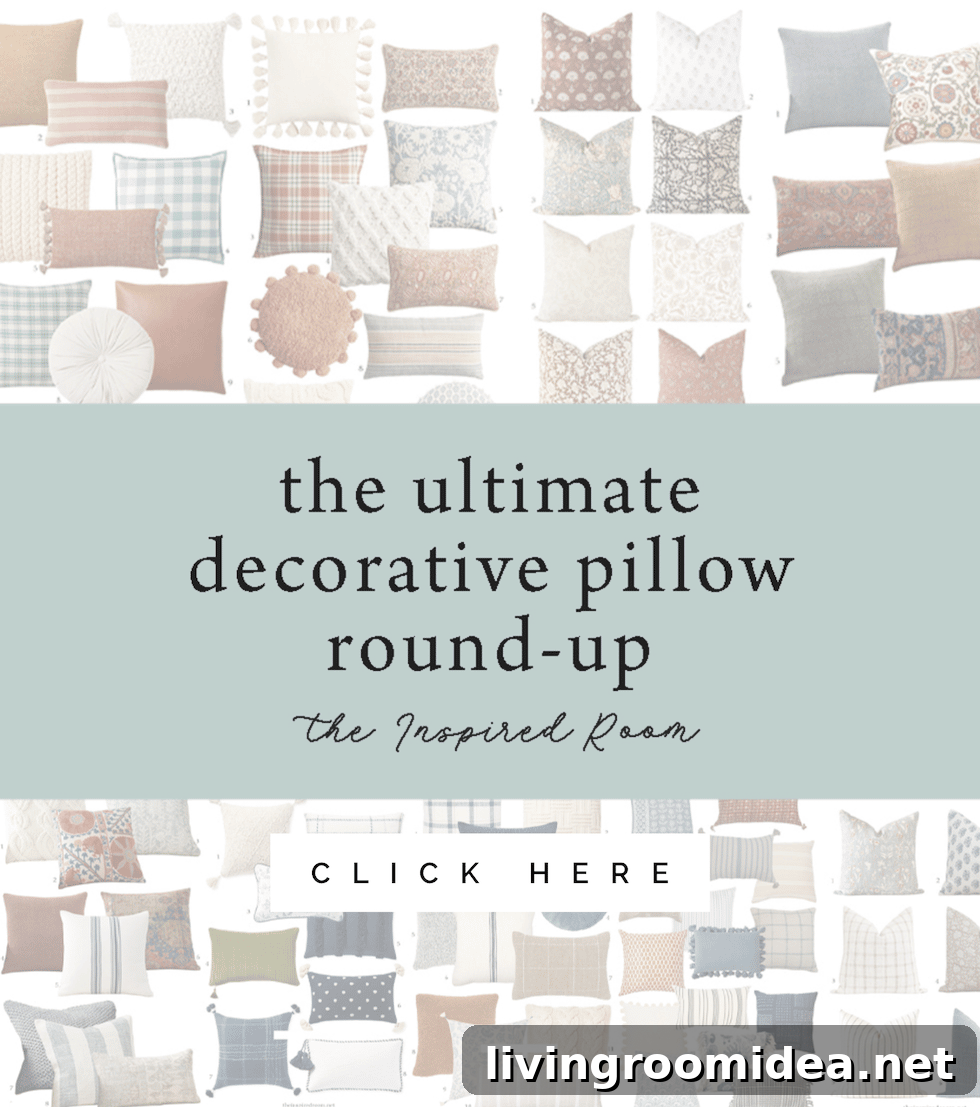
Here is a post on lots of pretty fallish pillow collections!