Years ago I was buried in paper. I had no system, so every piece of mail, receipt, or school notice went into a growing pile marked “later.” When bills needed paying I’d rummage through stacks hoping to find them. Tidying often meant stuffing loose papers into drawers, boxes, or bags to deal with another day. Closets filled with boxes labeled “to sort,” and my dresser and desk drawers were piled with loose sheets. The problem wasn’t that I didn’t care—it was that I never set aside time to handle it.
Eventually I realized I needed a change. The visible rooms of my home could look tidy, but storage spaces were overflowing with paper. I wasn’t making room for everyday essentials because I’d let paper take over. I decided to create a simple system to manage incoming paper. It wouldn’t be an instant fix, but I committed to changing my habits immediately.
Use the following steps to eliminate paper clutter for good.
1. Gather essential tools
- A household shredder
- A recycling bin
- A simple filing system
- A phone calendar or wall calendar
2. Create a straightforward filing system for long-term papers
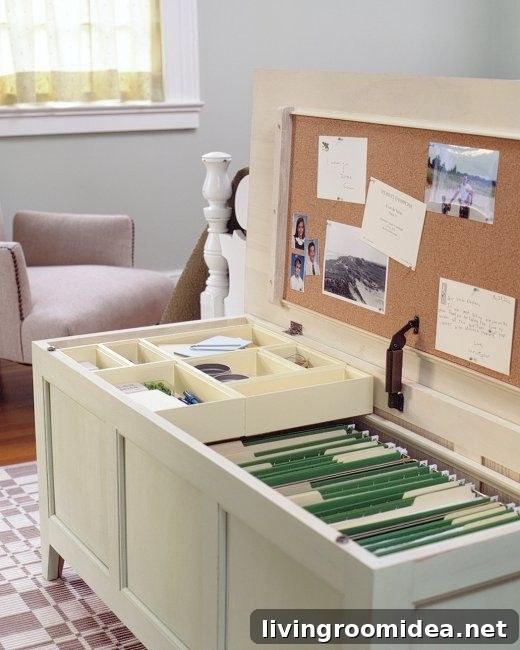
Decide ahead of time where important papers will go the moment they enter your home. Set up a basic filing system for records you must keep: medical files, tax documents, insurance policies, loan paperwork, receipts tied to warranties, and similar items. Keep it simple—only keep what’s essential. You can scan documents later if you want, but starting with paper files is an affordable, easy way to begin. Once the habit is in place, you can transition to digital storage if desired.
3. Plan for short-term information
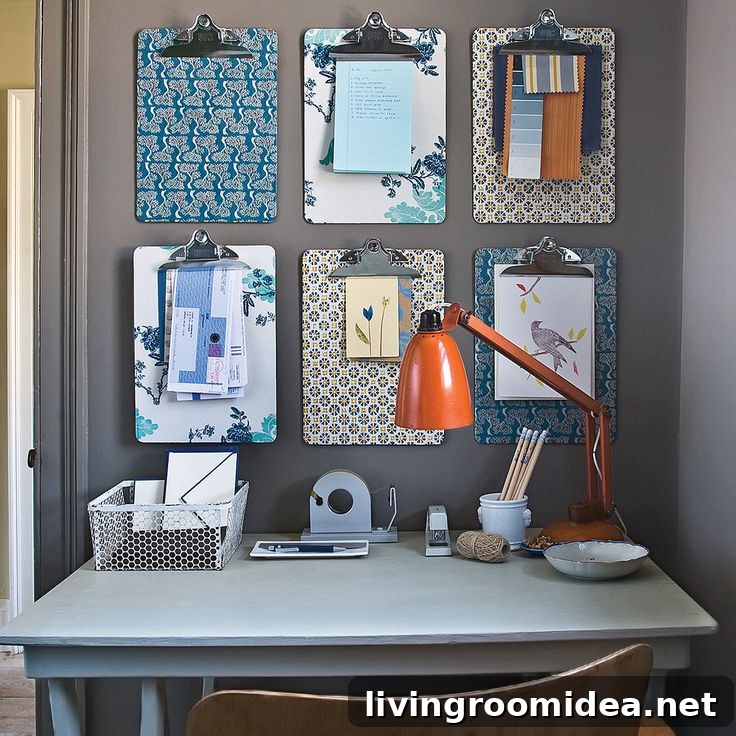
Create a consistent approach for papers that require action soon—bills, invitations, school notices, and reminders. Use an electronic calendar and reminders on your phone or computer to reduce paper. If you prefer a paper calendar, place it where you’ll check it every day and commit to clearing out old notices weekly. The goal is to keep actionable papers visible only as long as necessary and then discard or file them appropriately.
4. Set up a mail sorting station
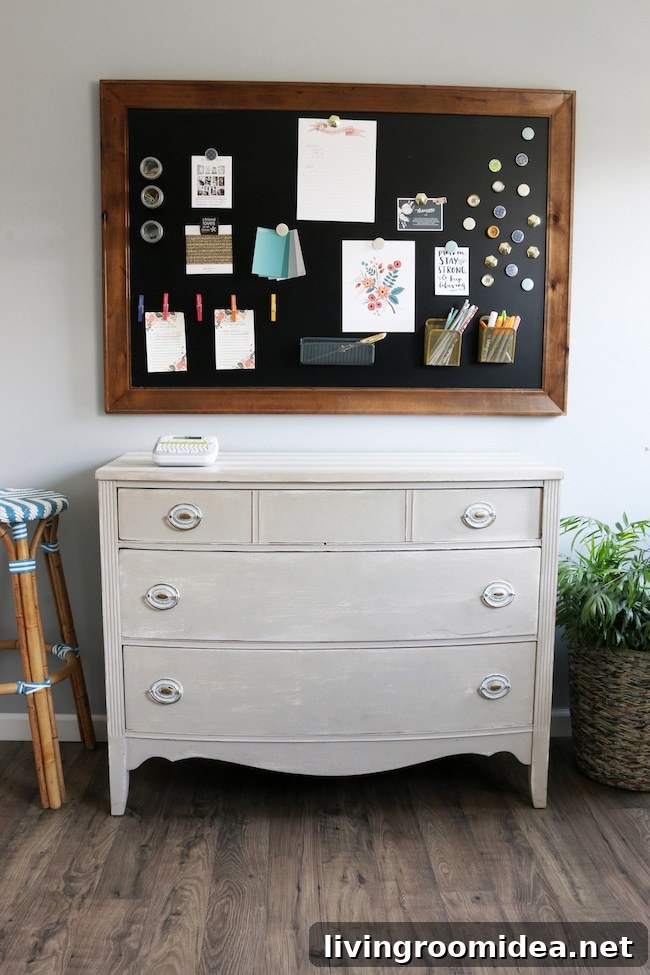
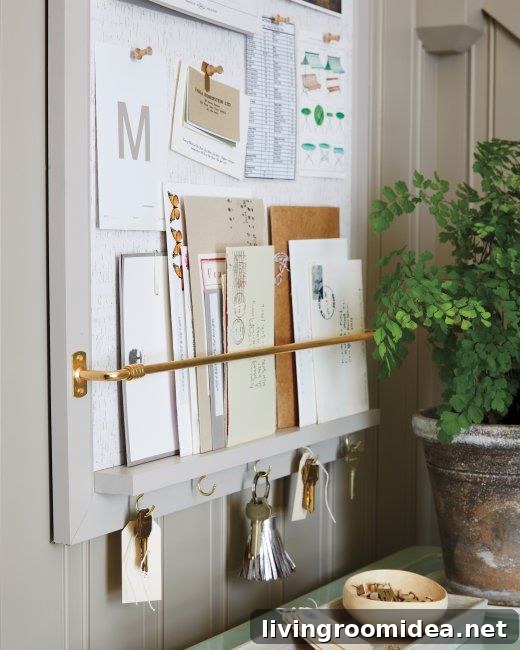
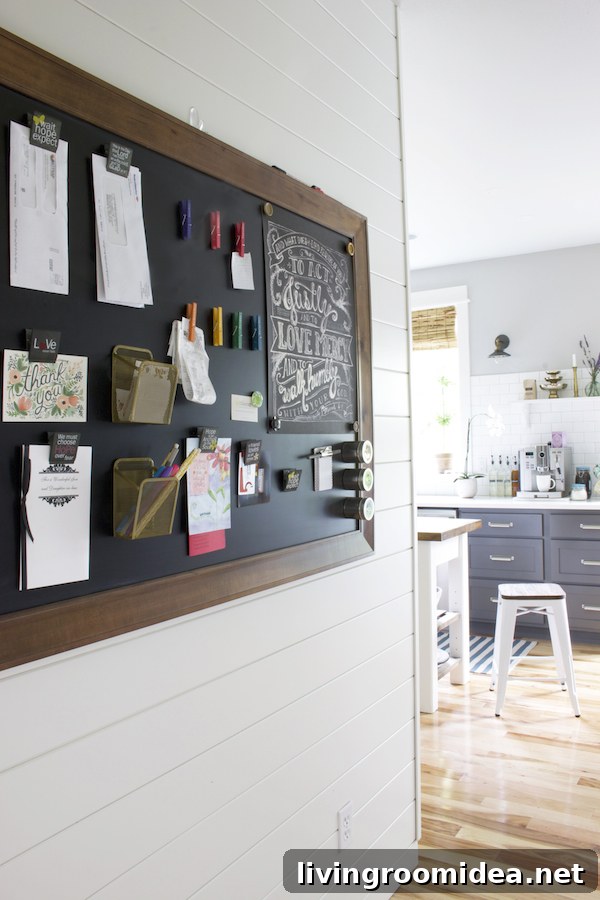
Most paper problems start at the door. Designate a spot for sorting incoming mail and paperwork from children or organizations. Have a place for bills to be paid, and keep a shredder and recycling bin nearby so you can immediately dispose of unwanted mail. Give each family member an inbox to prevent stray stacks. With a reliable sorting station, you’ll eliminate the “deal with later” pile.
5. Corral all existing piles into one room
To tackle past clutter, gather papers from drawers, closets, and boxes into a single room near a shredder and recycling bin. It will feel overwhelming at first, but seeing the full extent of the backlog is empowering. Empty closets and drawers will feel lighter and motivate you to keep them that way. Focusing the work in one place helps you make measurable progress.
6. Build a daily habit: shred, recycle, file
From now on, don’t stash new paper. Immediately sort mail at your station—shred or recycle what you don’t need. Place bills and necessary documents directly into their designated folders. If you’re unsure where something goes, create a “to-decide” folder and address it promptly. The key is daily attention: small, consistent actions prevent another buildup.
7. Eliminate old paper clutter
Work through the piles you collected until they’re gone. Shred and recycle as much as possible; the more you discard safely, the easier it will be to maintain your files. If you prefer, use a professional shredding service to protect sensitive information and speed the cleanup.
Ready to eliminate paper clutter for good?
If clutter is a struggle, you’re not alone. Small changes to how you handle paper can transform your home. Create clear places for the things you keep, and free up space to focus on what matters most. With a simple system and daily habits, paper will no longer take over your life.