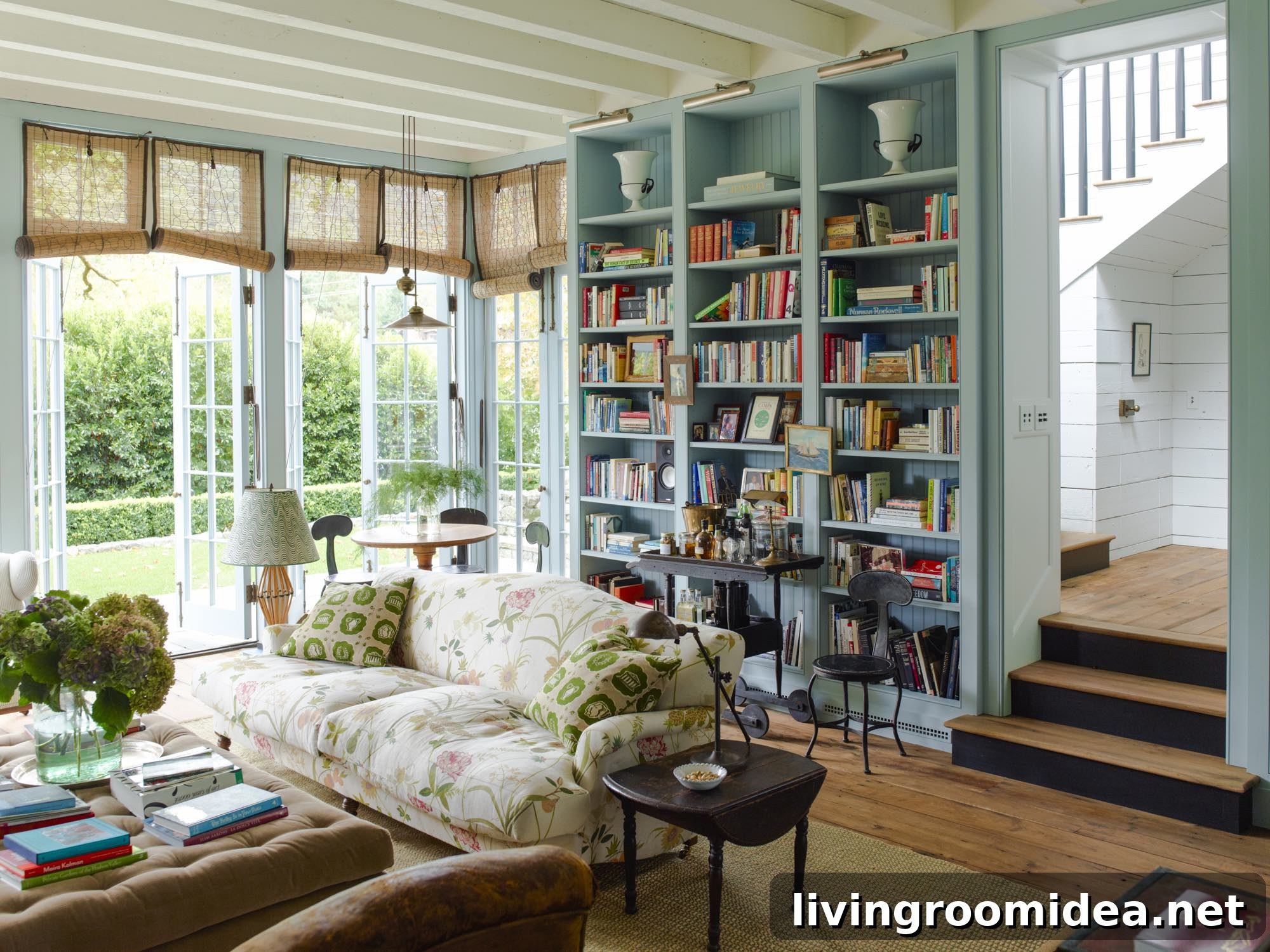
I love to think about how the idea of “serendipity” fits into creating my dream home.
The word serendipity was coined by Horace Walpole, who described it in a letter dated January 28, 1754:
This discovery, indeed, is almost of that kind which I call Serendipity, a very expressive word, which, as I have nothing better to tell you, I shall endeavor to explain to you…I once read a silly fairy tale, called “The Three Princes of Serendip”: as their Highnesses travelled, they were always making discoveries, by accidents and sagacity, of things which they were not in quest of…now do you understand Serendipity?
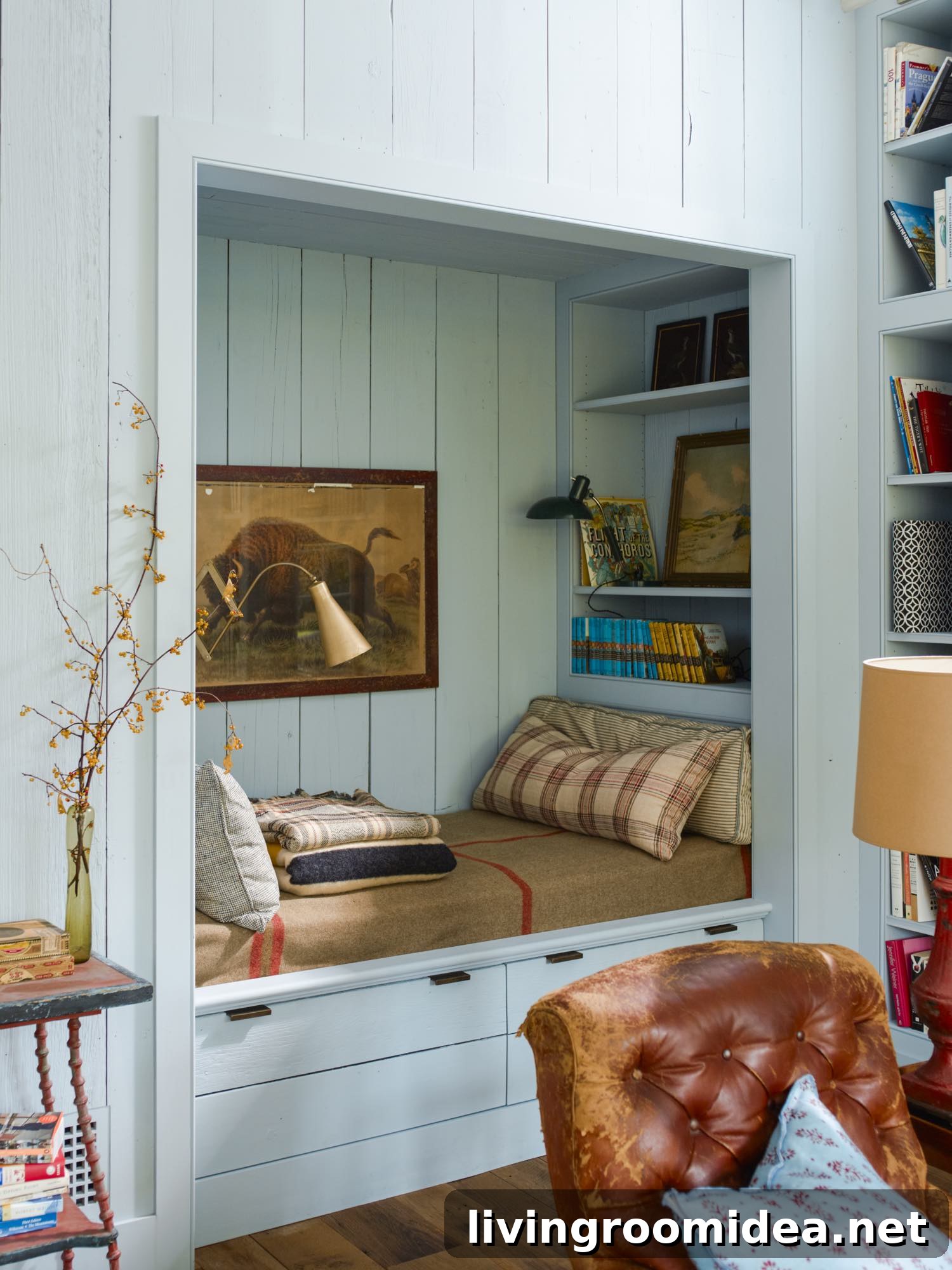
Some people are able to choose a dream house outright. Others design one from the ground up. Many of us, however, discover our dream home unexpectedly, or learn to create something beautiful and meaningful out of what we already have.
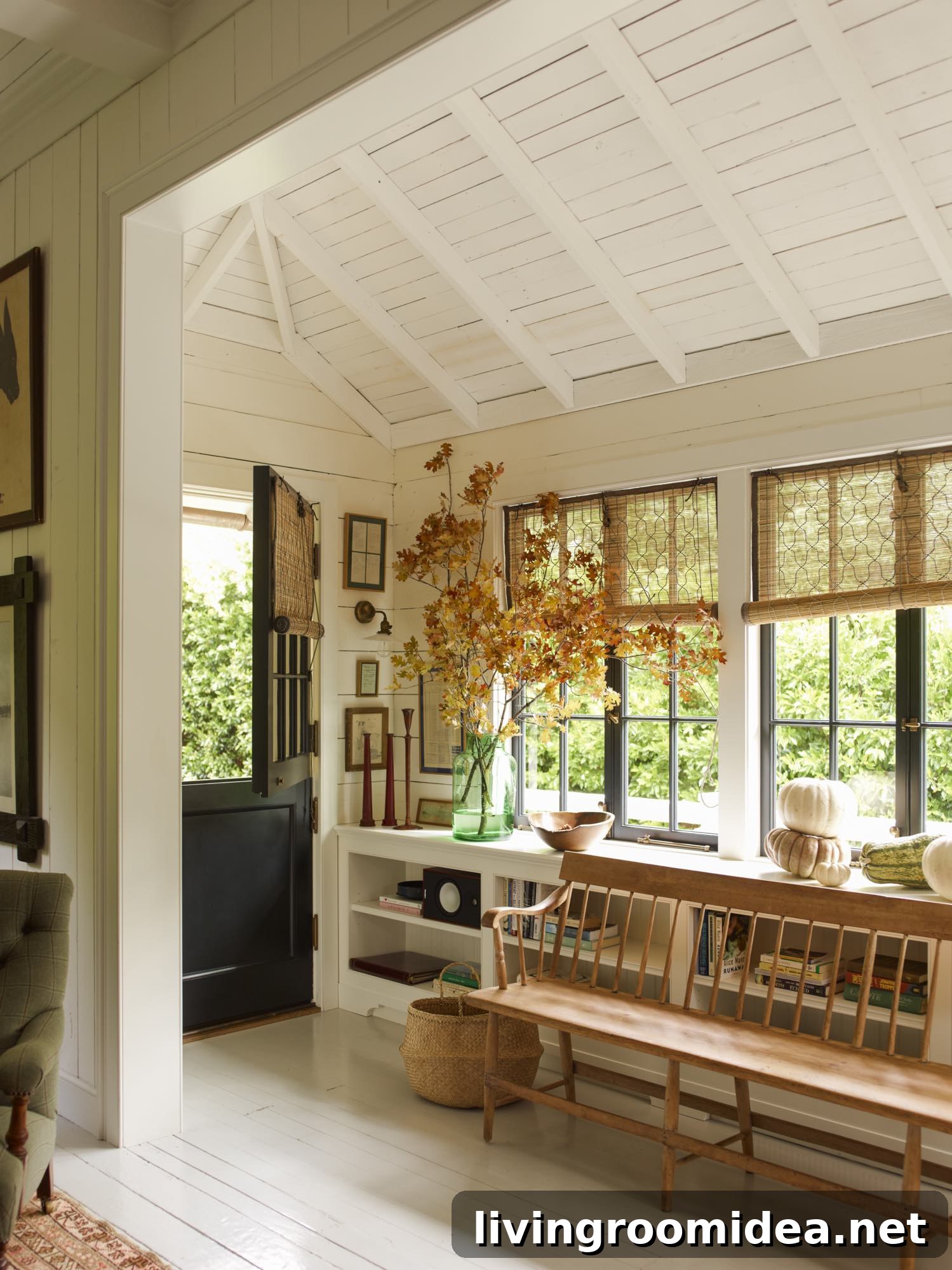
My husband and I have always shared a love of houses. Admittedly, it’s mostly my passion, but he’s embraced my daydreams and even started contributing ideas himself over the years.
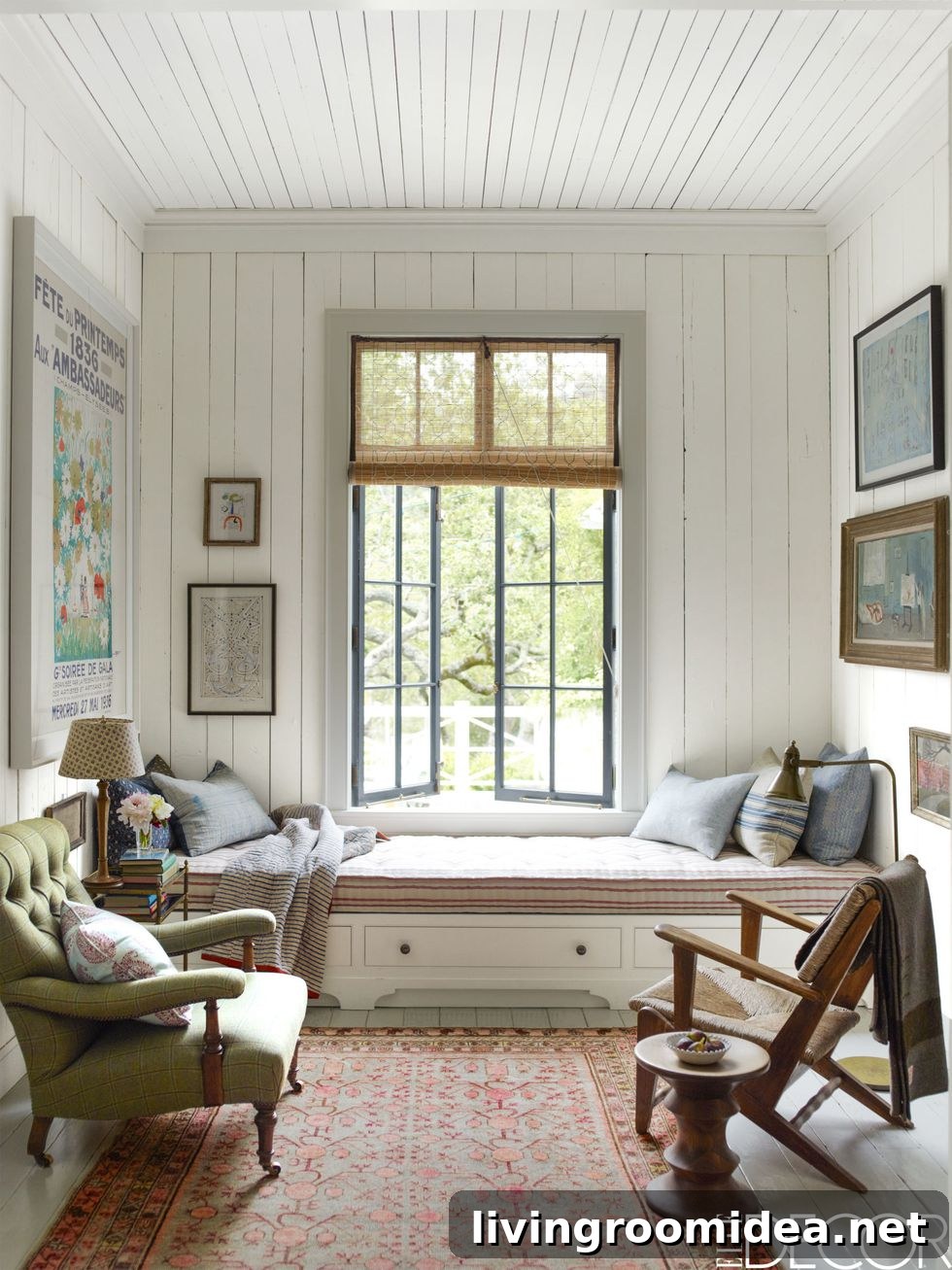
The idea of a dream house has been part of me since childhood. That longing inspired my first book, Love the Home You Have, which unexpectedly became a New York Times bestseller. Over the past twelve years of writing and sharing on this blog, I’ve tried to show that it’s possible to find contentment in any home, even if it isn’t the perfect dream in every detail.
I still receive messages from readers who say my books helped them pair the home they have with the dream house in their hearts. Hearing that is always rewarding.
While fixating on a house you can’t have can breed dissatisfaction, a serendipitous approach to dreaming can be both inspiring and healing. Imagining creative possibilities keeps the house-shaped part of our hearts alive and often leads to unexpected, practical ways to bring those dreams into reality.
Recently I bought a design book that resonated with me. I felt an immediate kinship with architect Gil Schafer III and his book A Place to Call Home. Although the kinds of houses featured aren’t common here in Seattle or within my budget, the design perspective and choices inspired me. It’s a wonderful coffee table book for inspiration.
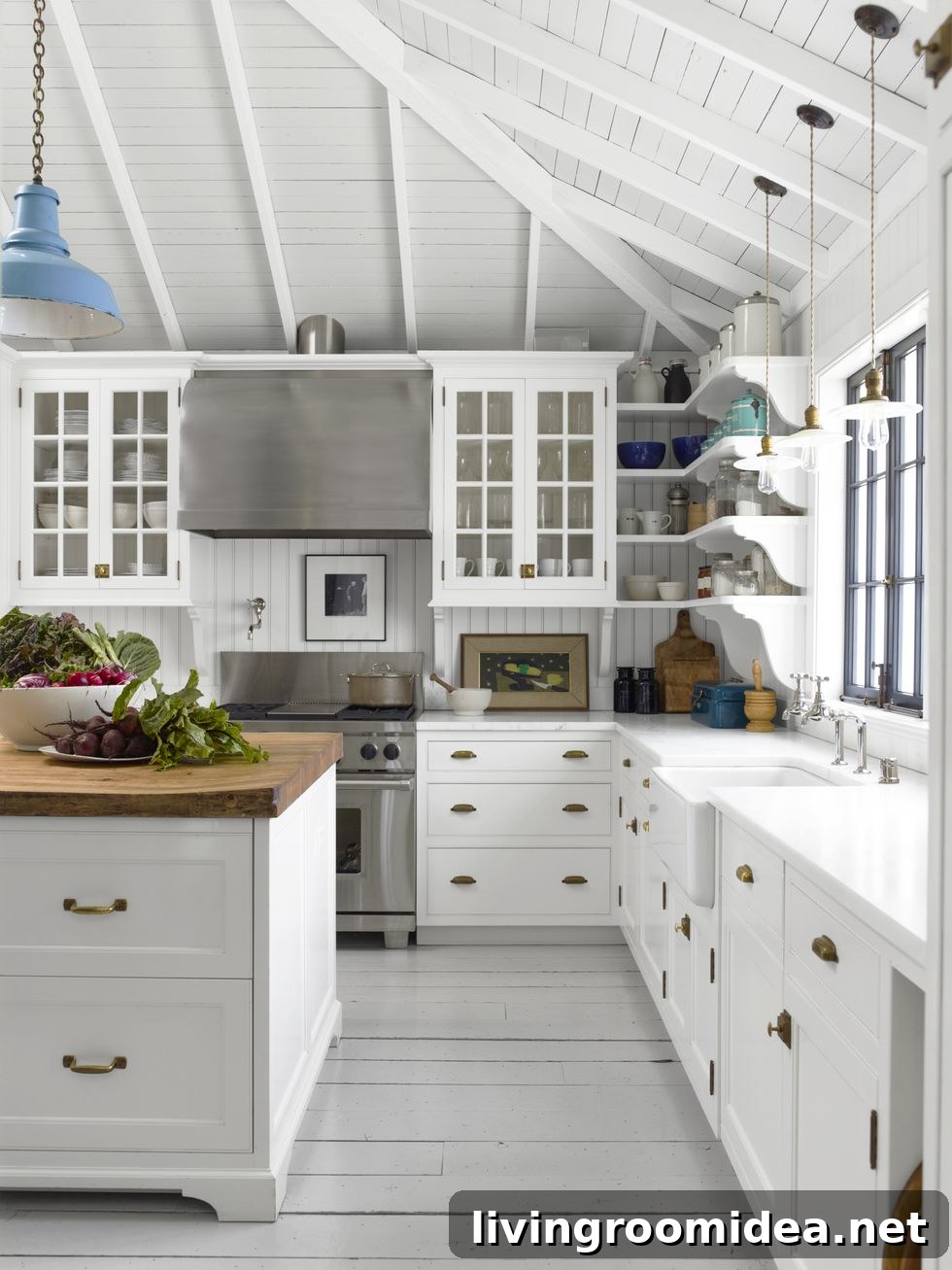
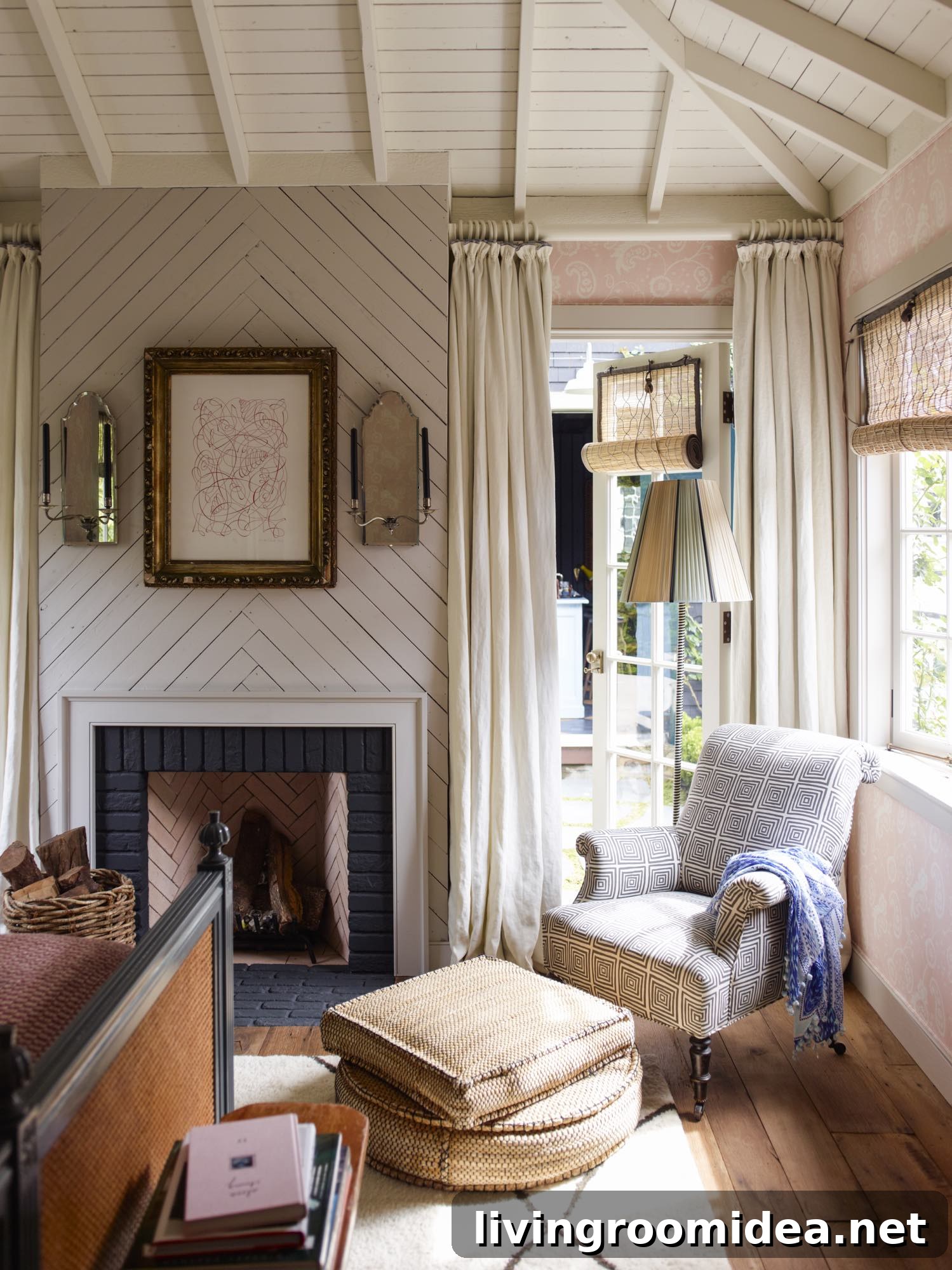
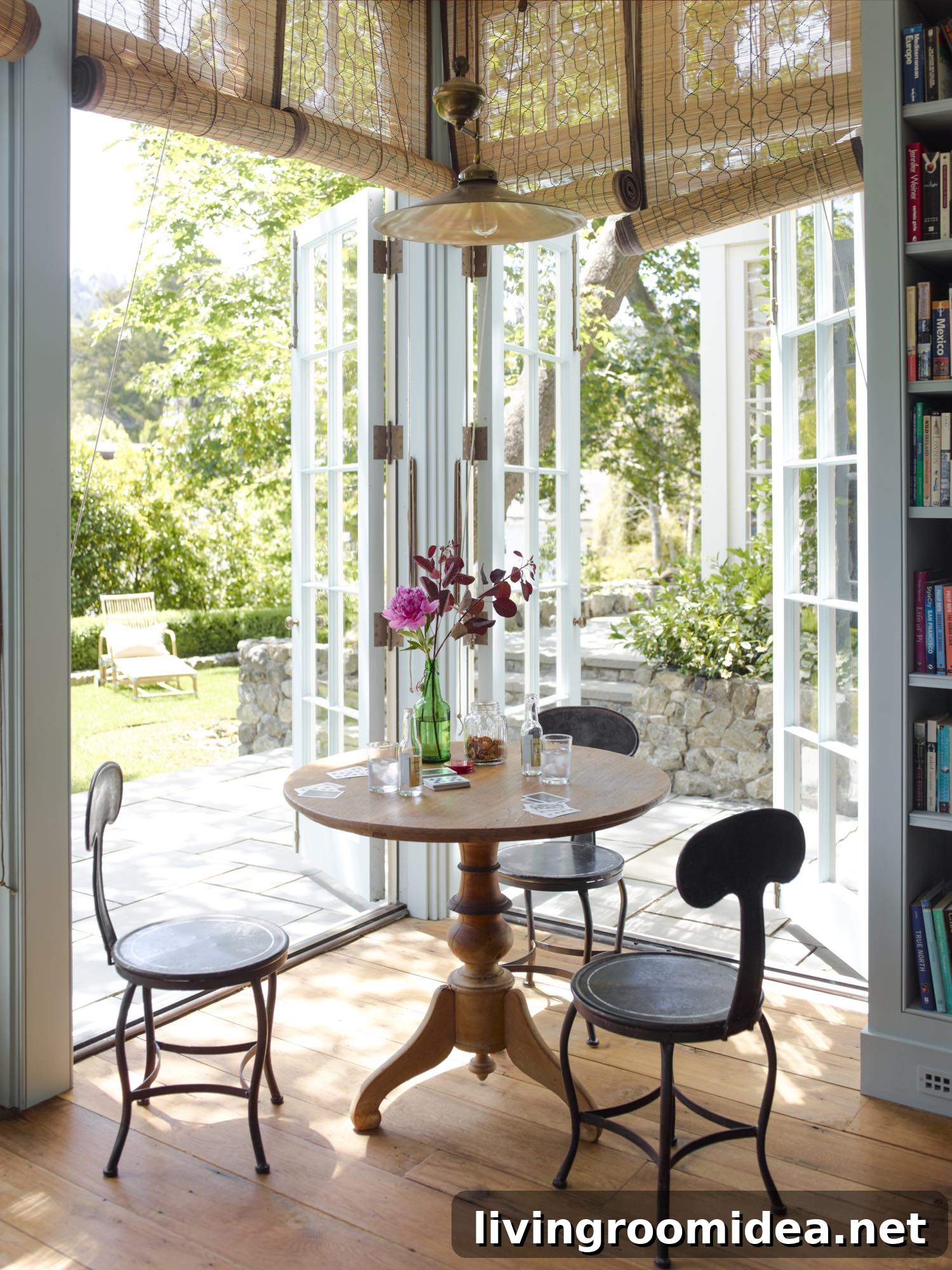
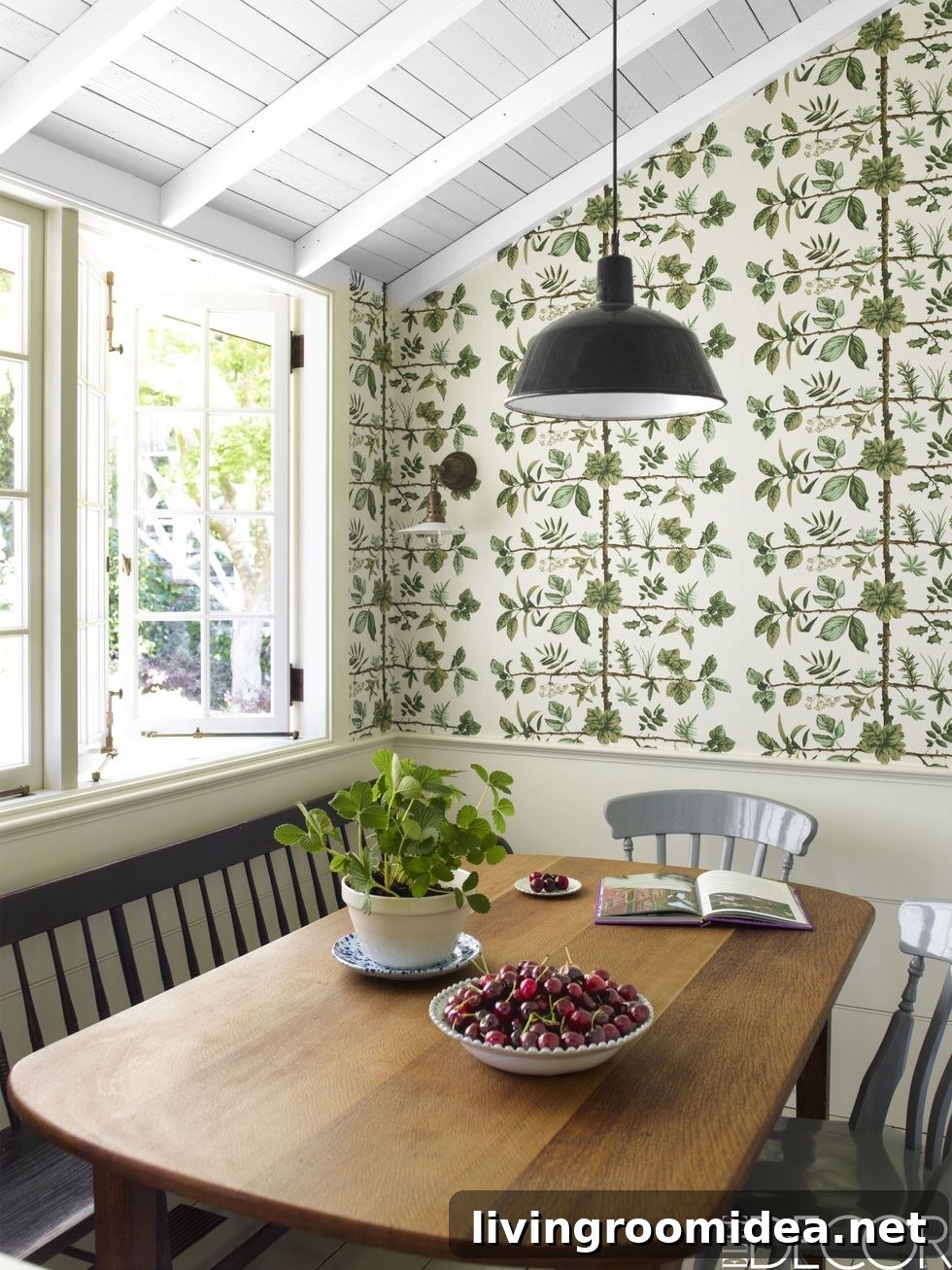
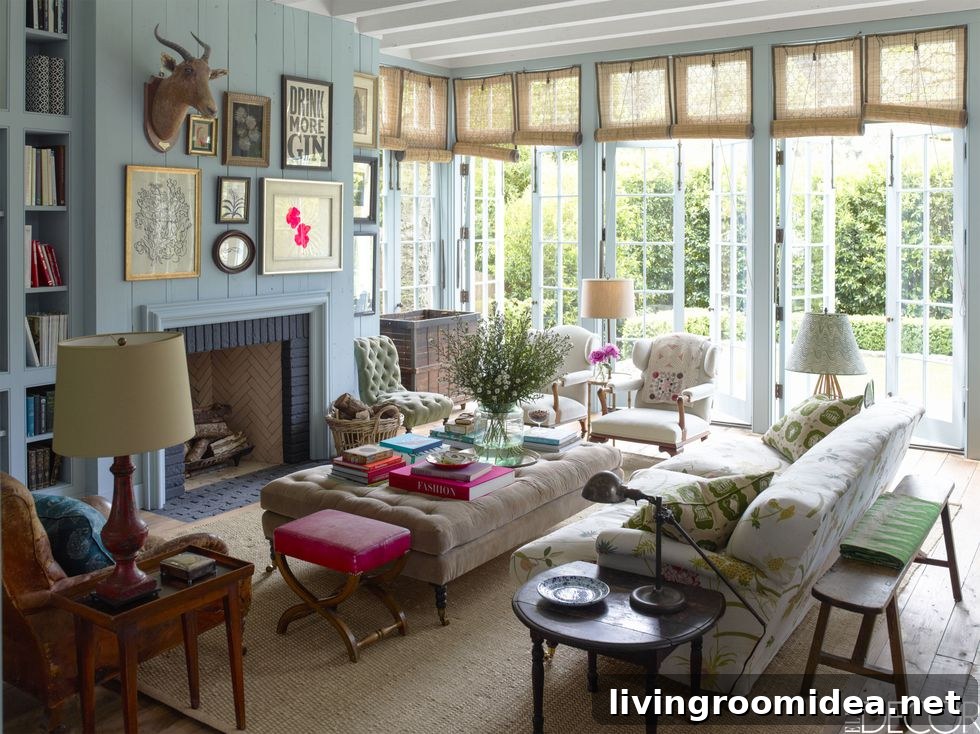
One house in that book captivated me. I shared some images I found from the project, and I remain mesmerized by its feel. It represents the kind of dream house I imagine—though I’m also partial to simple farmhouse charm as well.
I appreciated a quote from the Elle Decor piece about the home: “Life brings you things that don’t necessarily fit into your decorating scheme,” says Rita Konig. She suggests allowing space in your plans for serendipity—accepting the unexpected and weaving it into your home’s story.
Whether you live in your dream house, design it from scratch, or adapt what you already own, many of us crave a meaningful connection with our living space. Dreaming and seeking inspiration open us to creative possibilities, and often we find that what we have becomes what we’ve always wanted.
So, fellow dreamers, have you left room in your heart or your design plans for serendipity? I’d love to hear your thoughts.
That connection we feel with our home inspired my new book, Dwelling. It explores how the choices we make and the things we bring into our homes shape how we live and how we feel—beyond architecture or decor alone.
Credits: Elle Decor, GP Schafer, Rita Konig, Eric Piasecki