
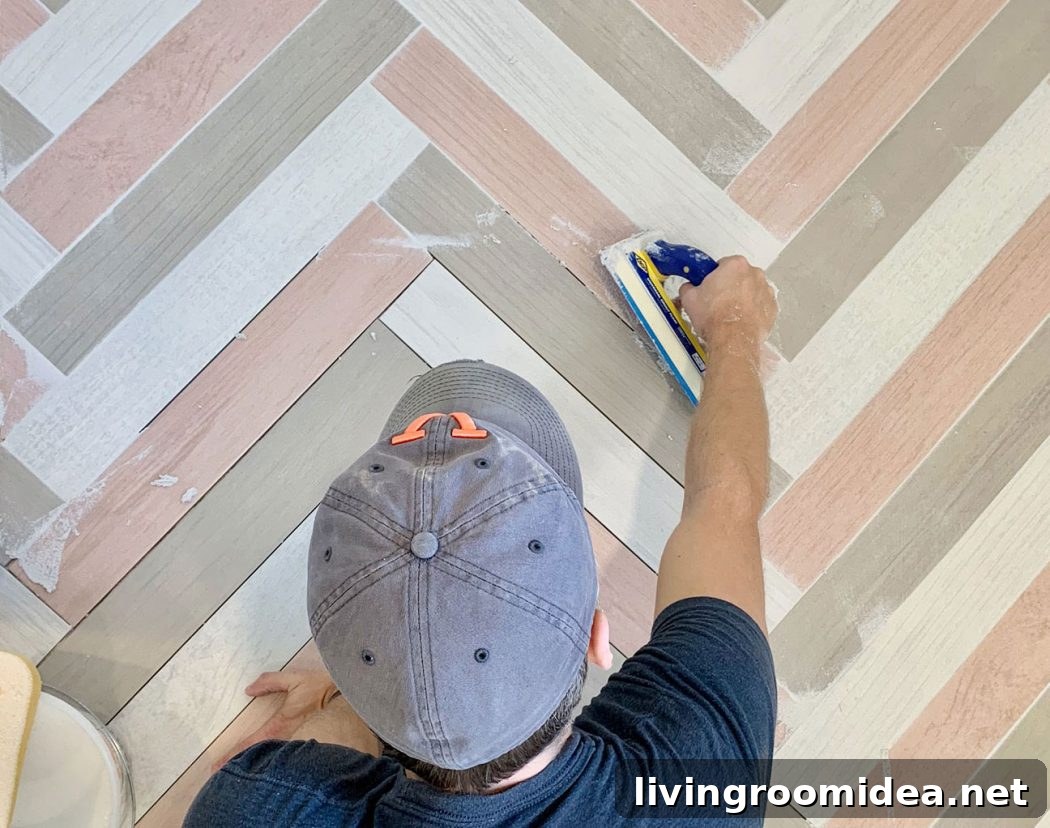
If you have a tiling project coming up, do yourself a favor and remember Mapei Flexcolor grout.
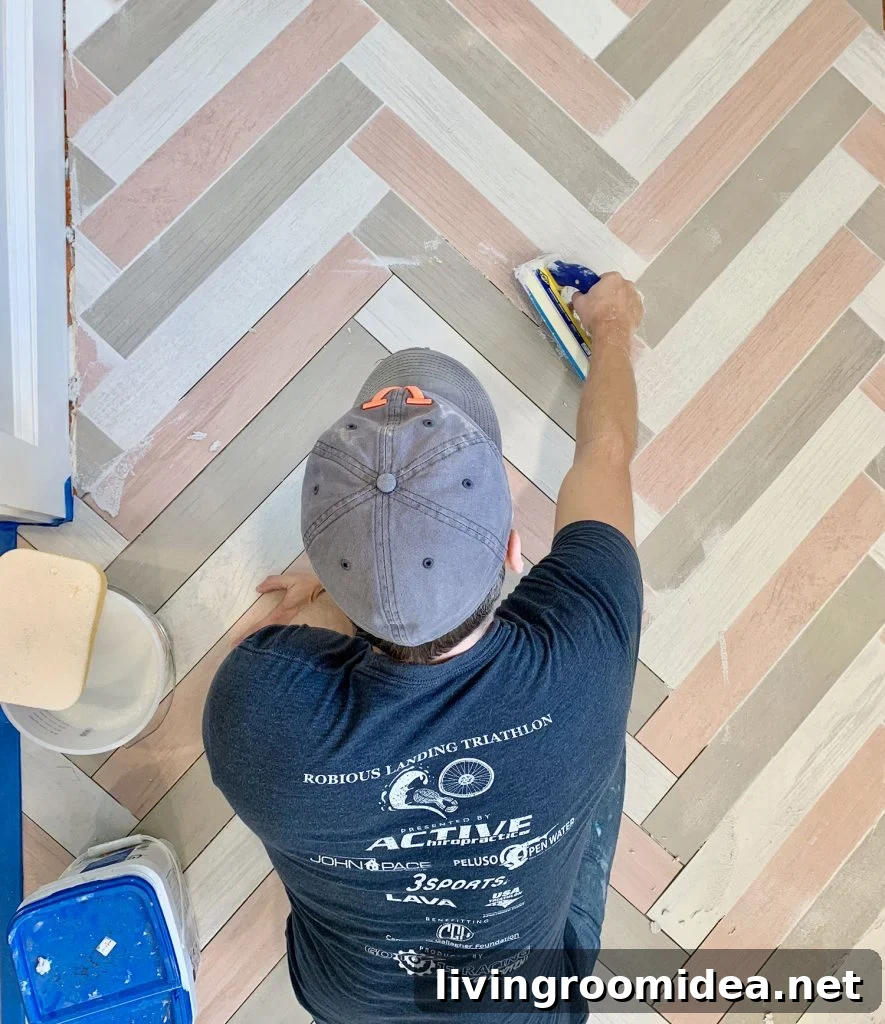
After grouting multiple bathrooms, showers, mudrooms, and backsplashes over the past two years, we can honestly say this product has made tiling easier and more consistent. This is not a sponsored endorsement—just a recommendation based on repeated, positive experience.
Why We Recommend Mapei Flexcolor
Below I’ll explain what makes this grout stand out, share tips for choosing a grout color, and offer a practical trick we use to minimize grout haze.
1. Pre-Mixed Convenience
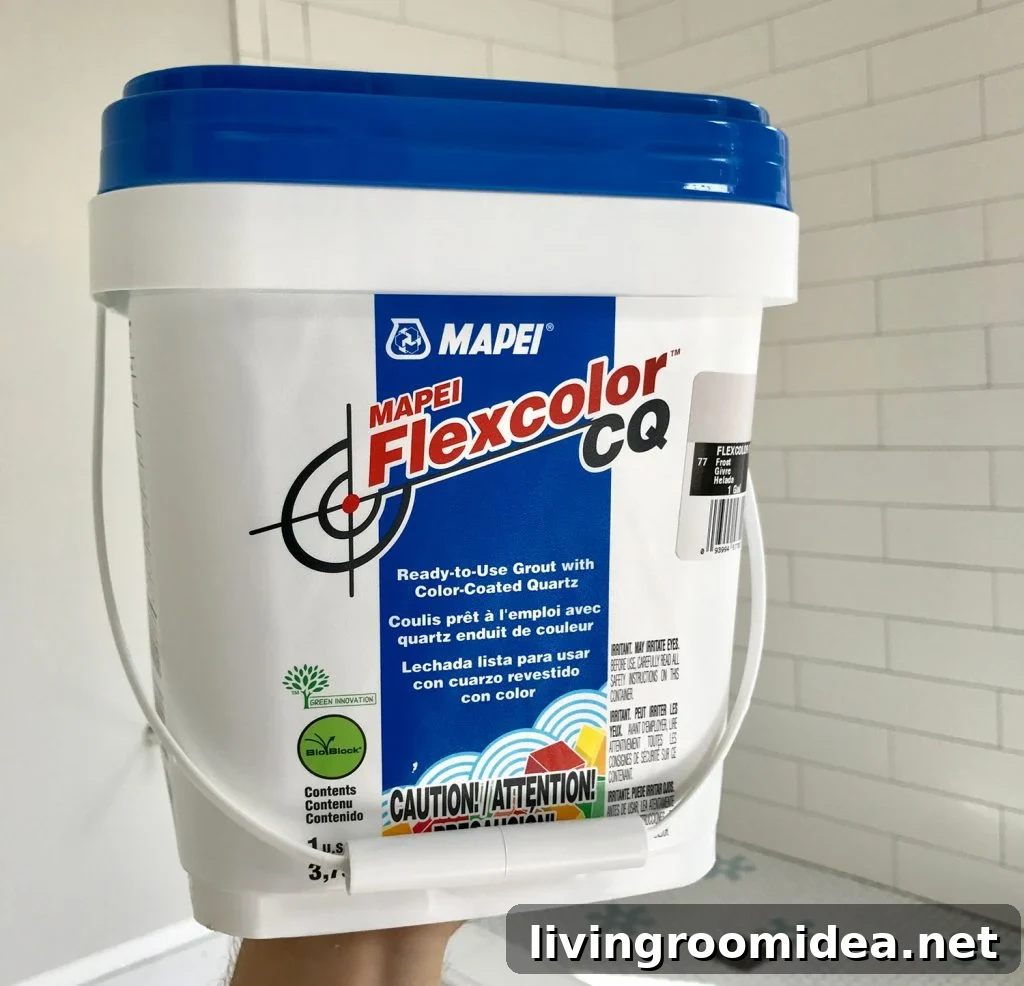
Mapei Flexcolor comes pre-mixed, which saves time and effort. No mixing powders, measuring liquids, or trying to hit the right consistency. Just open the tub and work. That convenience alone makes the job faster and less messy.
Equally important: pre-mixed grout eliminates color inconsistency between batches. When you mix grout yourself, slight variations in water or additive can change the final color across different areas. With pre-mixed tubs, you won’t have batch-to-batch color differences, which keeps large surfaces looking uniform.
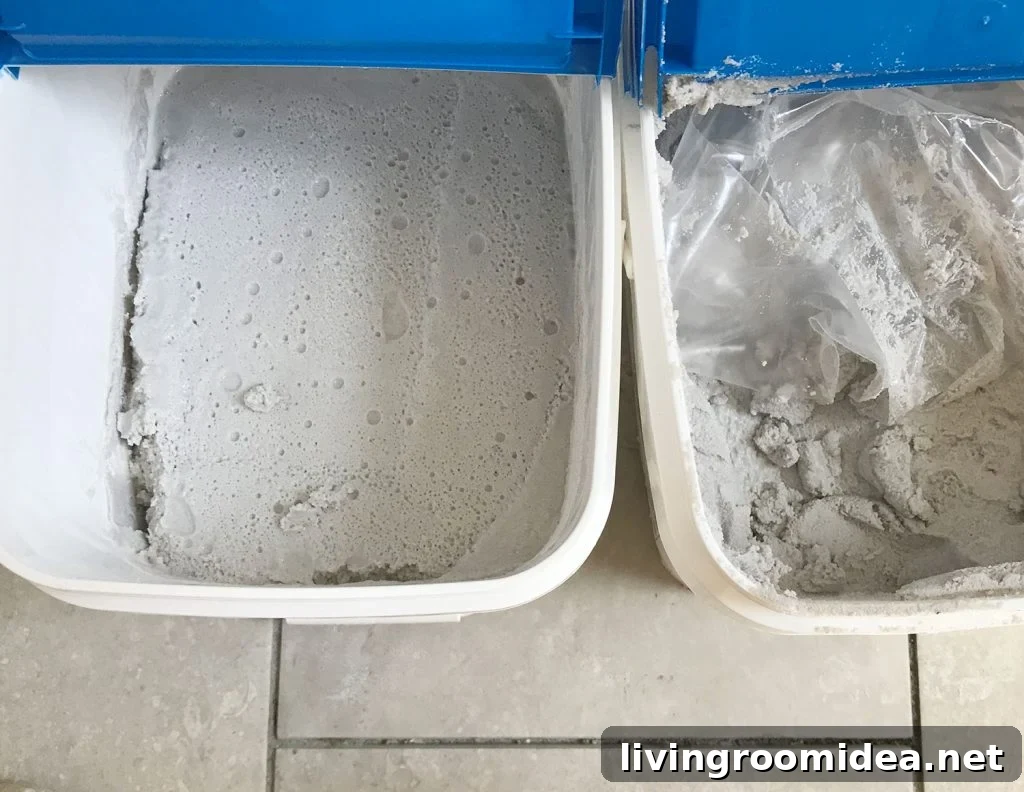
Pre-mixed grout also stores well for touch-ups. The tubs seal securely, and we’ve reopened grout after a year to repair chips or missed spots without any issues.
2. No Sealing Required and Good Stain Resistance
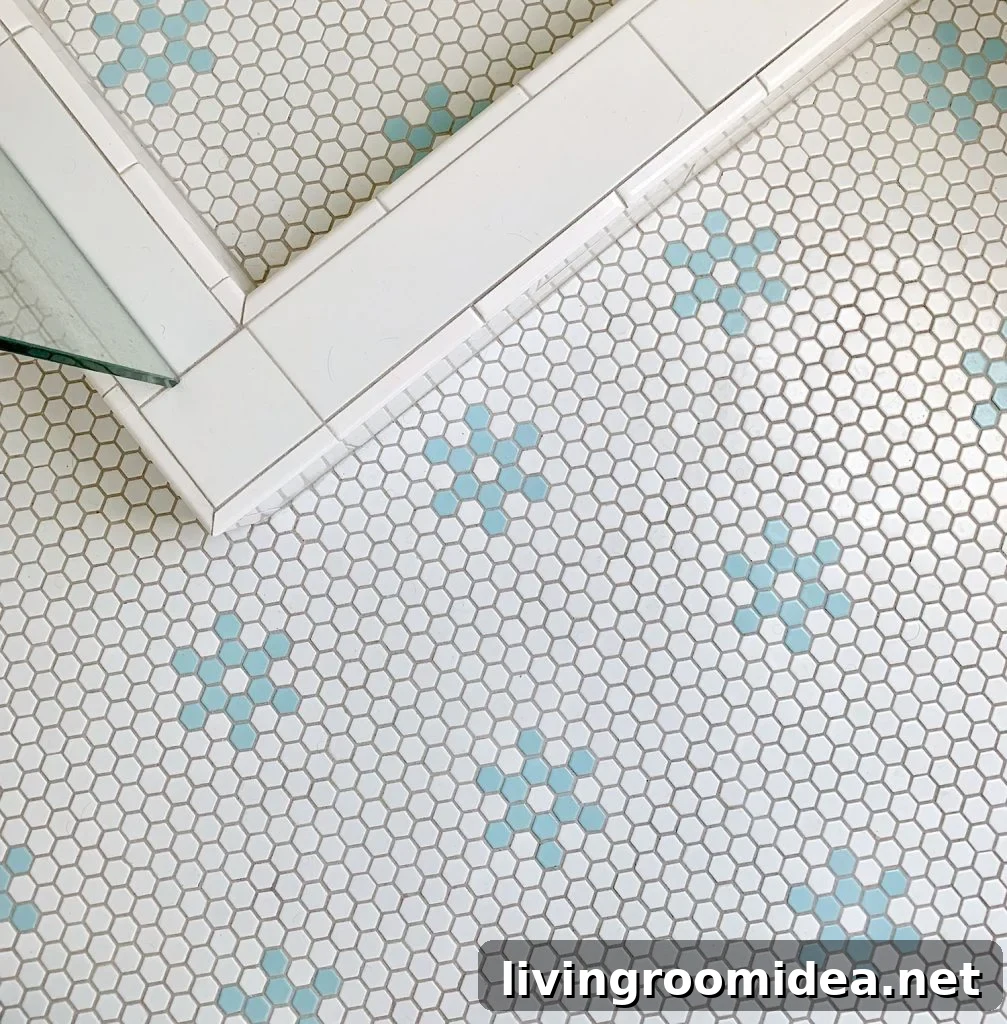
One major advantage is that Mapei Flexcolor is formulated to resist stains, so you don’t need to apply a separate sealer. After about 24 hours it’s walkable and after three days it’s fully cured for everyday use. While it’s particularly effective against water-based stains, it’s still wise to clean up heavy or oily spills promptly rather than letting them sit for days.
We’ve used it in high-traffic areas for over a year and a half with no cracking or staining—floors, showers, backsplashes—everything still looks fresh.
3. Built-In Flexibility: Crack and Shrinkage Resistance
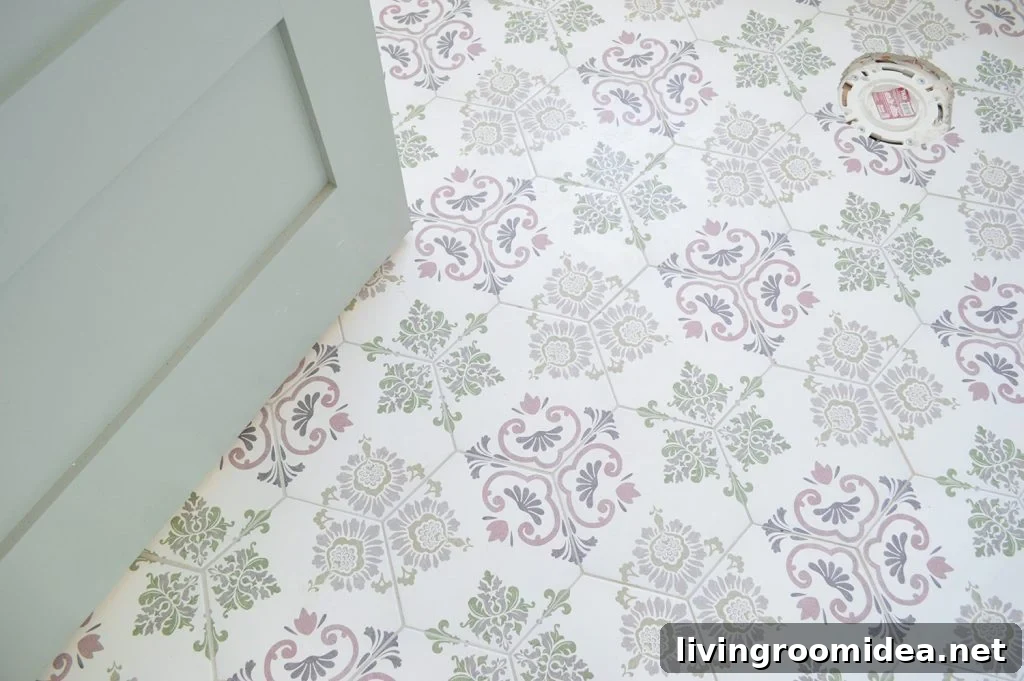
Unlike traditional grouts that require a special liquid additive to improve flexibility, Mapei Flexcolor has this capability built into the formula. Over multiple projects we haven’t experienced cracking or shrinkage, even in areas where older grouts required extra steps to perform acceptably.
4. Wide Range of Applications
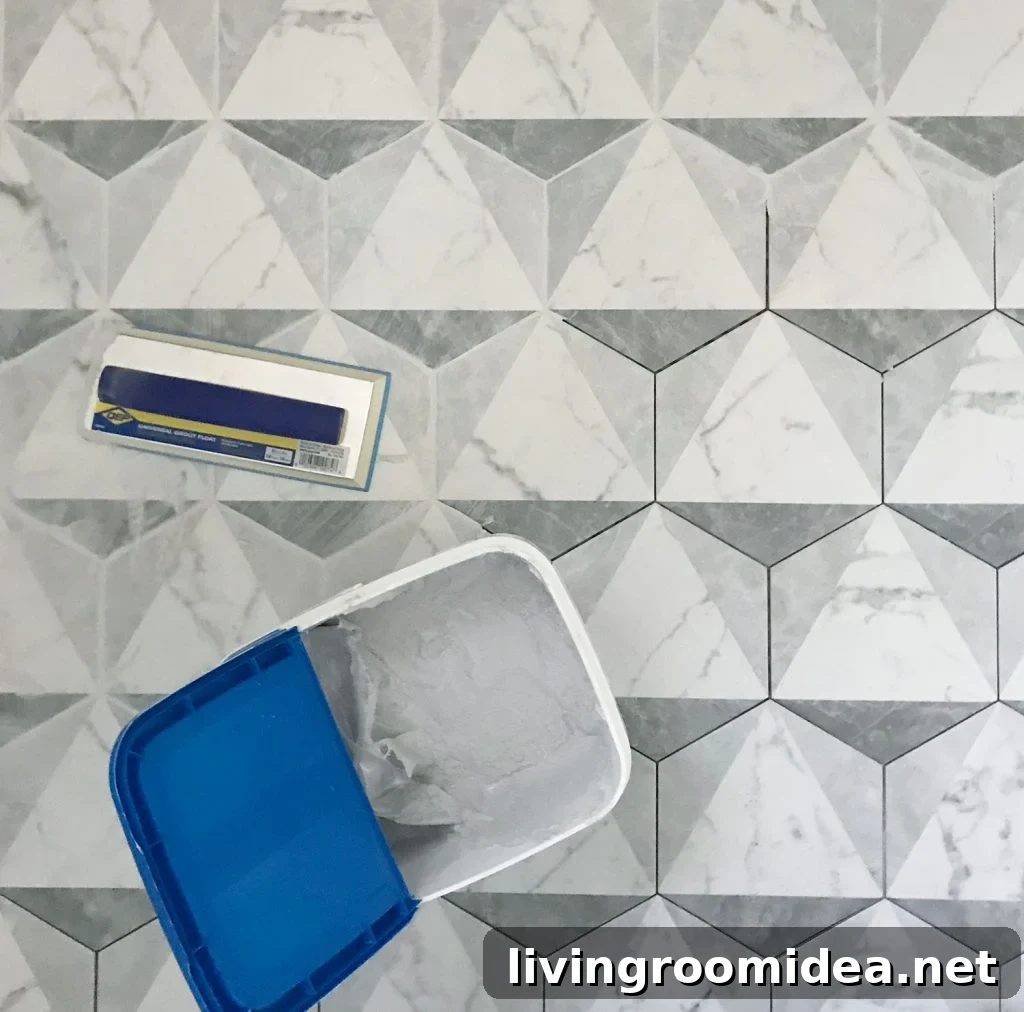
Mapei Flexcolor is versatile: it works indoors and outdoors, with narrow joints around 1/16″ and wider joints up to 1/2″. That eliminates the usual debate over sanded vs. unsanded grout in many common applications. There are some limitations—avoid submerged applications like pools and extreme environments like saunas—so check product guidance or ask a store expert if you’re tackling an unusual installation.
For most home projects—kitchens, bathrooms, laundry rooms, patios, and mudrooms—this grout performs reliably, which is why it’s become our go-to product.
Choosing the Right Grout Color
Grout color dramatically affects the final look of your tile. We use Warm Gray in about 85% of projects because it’s a neutral that pairs well with both light and dark tiles. It provides subtle contrast with white tiles and reads almost white next to darker tiles without the starkness or maintenance issues of bright white grout.
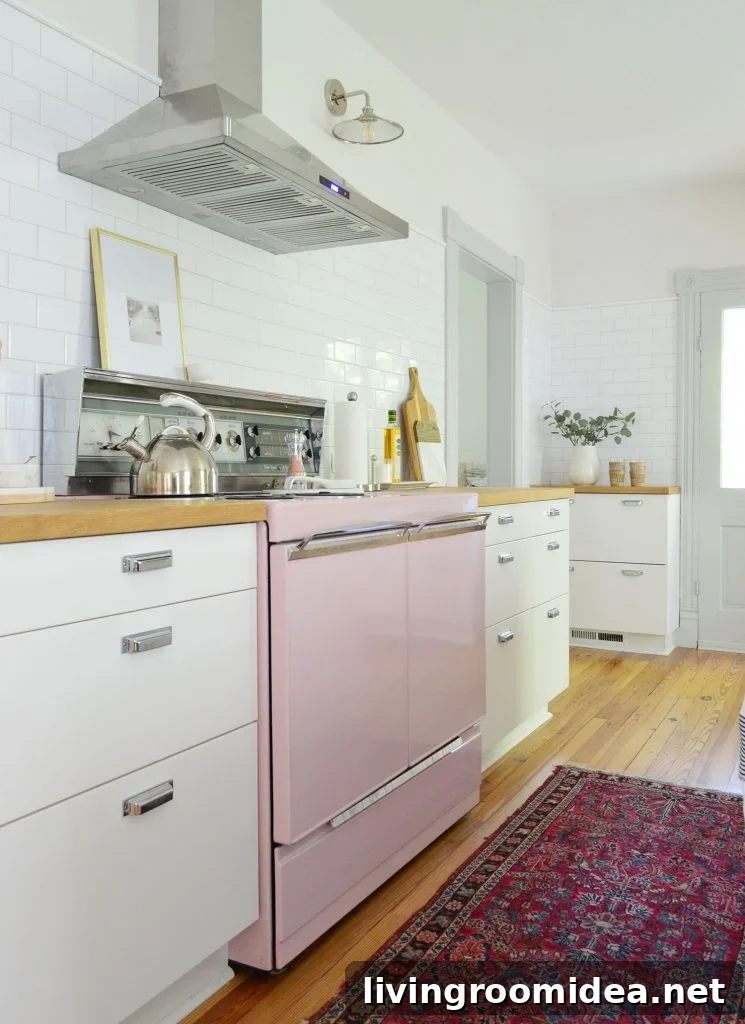
Warm Gray works well throughout a room too—using the same grout on floors and walls helps tie finishes together even when the grout reads differently next to varying tile colors.
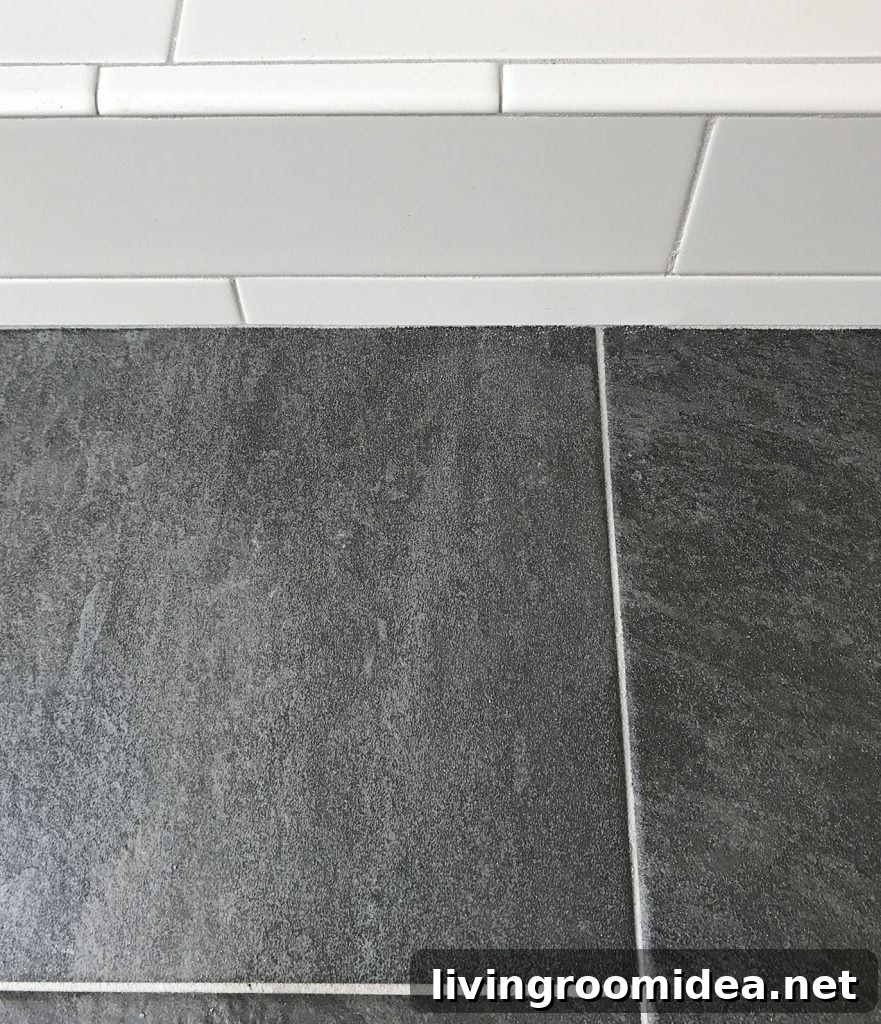
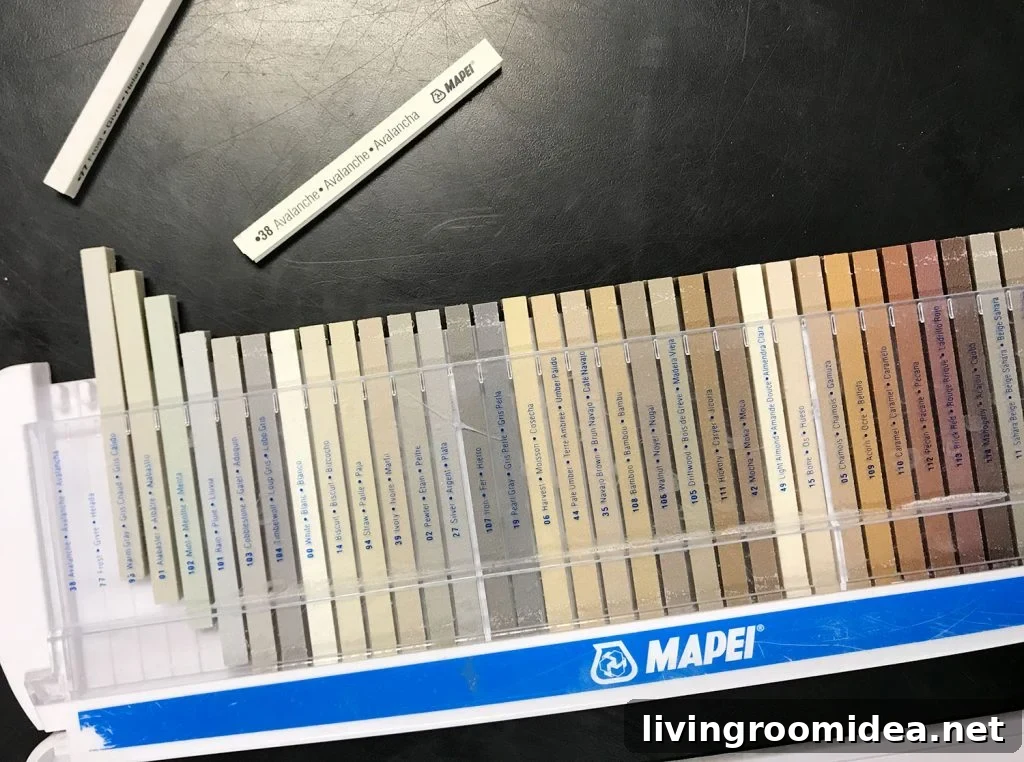
If you prefer a different look, Mapei offers many color options. A few practical tips when selecting color:
- Don’t rely on paper samples—ask for plastic sample sticks at the store and hold them directly against your tile to see the true effect.
- Pay attention to undertones. Some grays are warmer (yellowish) and some are cooler (blueish). Match grout undertones to the tile for the most cohesive result.
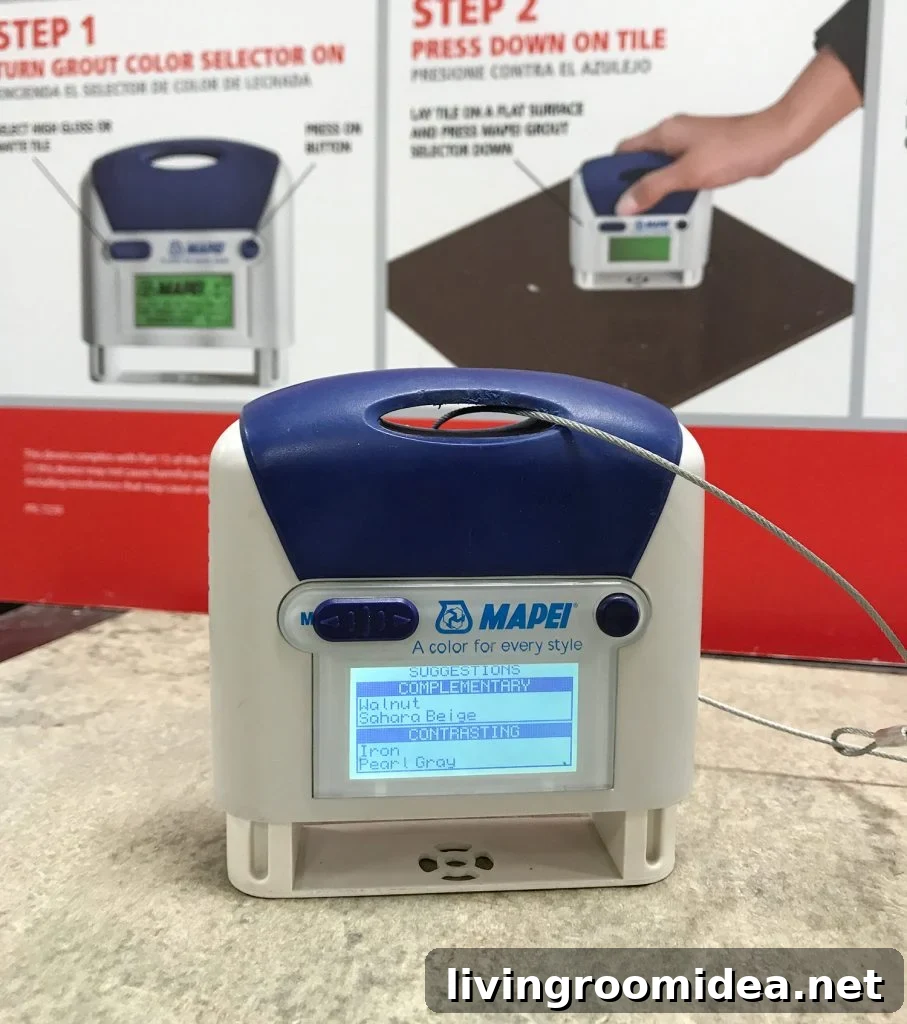
- Look at store displays to see which grout color they used with a tile you like, or use in-store color tools to narrow down choices. Bring your tile sample if you’re not buying it at the same time.
Tip: Minimize Grout Haze
Grout haze—the thin film left on tile after grouting—can be a nuisance. A simple trick that works well on larger tiles is a preemptive tile wipe while the grout is still wet. After you float and do the initial damp sponge passes, wait 5–10 minutes, then use a dry rag or paper towel to gently wipe the tile surface without touching the grout lines. One quick swipe across each tile removes excess liquid that would otherwise form haze.
This approach is most effective on larger tiles where you can safely avoid the fresh grout lines, and it can eliminate a tedious buffing step later.
In short: if you’re tiling soon, pick up Mapei Flexcolor—Warm Gray is a reliable, versatile choice—and enjoy a simpler, more consistent grouting experience.